Do Solar Panels Work on Cloudy Days?
It's the question we hear more than any other from people thinking about solar. You look out the window on a gray, drizzly afternoon and wonder if those panels on your roof are even doing anything useful. Do Solar Panels Work on Cloudy Days?
Yes, they absolutely do, just not at full output.
Manufacturer specifications and field data show that modern panels still generate 10 to 25 percent of their rated capacity under heavy overcast conditions. That's real power, enough to run essential loads and keep your lights on. Let's walk through exactly what happens up there when the sun disappears.
Quick Answer
Yes, solar panels work on cloudy days. They capture diffuse sunlight instead of direct sunlight. Output drops to 10 to 25 percent under thick clouds.
Thin clouds allow 25 to 50 percent. Some bright overcast conditions can even boost output above clear-sky levels. You still get usable power.
How Solar Panels Work Without Direct Sunlight
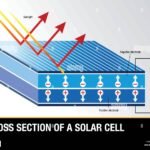
Most people assume solar panels need blazing midday sun to function. That's not how photovoltaic technology works. Solar cells convert light, not heat.
And clouds scatter light, they don't block it entirely.
The Difference Between Direct and Diffuse Light
Direct sunlight is what you get on a clear day. The rays travel in a straight line from the sun to your panel. That delivers the highest possible energy density.
Diffuse light is what happens when clouds, dust, or atmospheric particles scatter those rays. The light arrives from every direction instead of one straight path.
Even on the gloomiest day, plenty of diffuse light reaches the ground. Your panels capture that scattered energy. The National Renewable Energy Laboratory (NREL) confirms that diffuse radiation accounts for a significant share of total solar resource in cloudy regions.
Why Cloud Cover Doesn't Mean Zero Output
Here's the key detail: solar panels respond to photons, not sunshine. As long as visible light reaches the panel surface, it generates electricity. Thick clouds reduce the photon count but don't eliminate it.
Think of it like a dimmer switch. You turned the lights down, not off.
Per industry standard STC (Standard Test Conditions), panels are rated at 1000 watts per square meter of irradiance. A heavily overcast sky might deliver 100 to 200 W/m². That's 10 to 20 percent of the test condition, which lines up exactly with what homeowners see on their inverter displays.
What Really Happens to Output on Cloudy Days: A Decision Tree
If you're watching the sky and wondering what your panels are producing, here's how to gauge it based on what you actually see overhead.
Branch 1: Heavy Overcast (Thick Dark Clouds)
If the cloud layer is deep, dark, and feels like a lid on the world, your panels are running at 10 to 25 percent of their rated capacity. This is the kind of weather you get during a winter storm in the Pacific Northwest. You'll still power your refrigerator, lights, and electronics.
You will not run an air conditioner or charge an electric vehicle at full speed.
Branch 2: Light Overcast (Hazy or Thin Clouds)
If you can see the sun's position through the haze and the day feels muted rather than dark, output sits at 25 to 50 percent. This is the most common cloud condition across the US on an average overcast day. Most homes can run normal daytime loads without pulling from the grid.
Branch 3: Bright Overcast (High Thin Clouds or Cloud Albedo Effect)
Here's the surprise. Thin high clouds like cirrus can actually cause a temporary output boost above clear-sky levels. It's called the cloud albedo effect.
Those high clouds reflect and concentrate sunlight onto your panels. Output can spike to 90 percent or even exceed rated capacity for short periods. Cloud watchers call this "edge of cloud" or "cloud lensing" and it's a real phenomenon documented in solar farm data.
The Factors That Control Your Cloudy-Day Performance
Not all panels handle low light the same way. Several variables determine how much power you'll pull from a gray sky.
Panel Type Matters: Monocrystalline vs. Polycrystalline vs. Thin-Film
Monocrystalline panels are the top performer in low light. Their high purity silicon structure captures diffuse photons more efficiently. Most residential panels today are monocrystalline for exactly this reason.
Polycrystalline panels lag slightly behind. They work fine on sunny days but the efficiency gap widens under clouds. If you live in a region with frequent overcast skies, you'll want monocrystalline.
Thin-film panels have a different tradeoff. They actually perform better than crystalline panels in very low or indirect light on a per-watt basis. But their overall efficiency is lower, meaning you need more roof space.
Manufacturer spec sheets show the numbers clearly.
Panel Tilt and Orientation in Low-Light Conditions
Diffuse light comes from all directions. That means panel orientation matters less on cloudy days than on sunny ones. A flat mounted panel captures diffuse light just as well as a steeply tilted one.
But tilt still matters for overall annual production. Steeper tilts capture more low angle winter sun, which often comes through clouds. A 45 degree tilt in a cloudy region can outperform a 20 degree tilt by a noticeable margin during winter months.
Temperature: The Surprising Silver Lining of Overcast Weather
Solar panels hate heat. Every degree above 25°C (77°F) reduces output by roughly 0.3 to 0.5 percent depending on the panel's temperature coefficient. On a blazing hot sunny day, panels can lose 10 to 15 percent of rated capacity just from heat.
Cloudy days are cooler. Your panels run at or near their optimal temperature. That partially offsets the reduced light level.
A 200 watt panel on a 70°F cloudy day might outperform the same panel on a 100°F sunny day more than you'd expect.
How to Size Your System for Cloudy Climates
If you live where clouds are the norm, you cannot size your system based on July production. You need a year round plan.
Calculating Your True Daily Energy Needs
Start with your utility bills from December through February. Those are your lowest production months. Total your average daily kilowatt hour usage.
That's the number your solar array needs to meet.
Using a Solar Insolation Map for Your Location
The NREL PVWatts Calculator gives you accurate peak sun hour data for your zip code. Seattle gets about 3.7 peak sun hours per day averaged across the year. Phoenix gets 6.2.
That's a massive difference. A Seattle home needs roughly 60 percent more panel capacity than an identical Phoenix home to produce the same annual energy.
Check a solar resource map for your area. It's the single most important step in putting together a realistic budget for your installation.
Battery Storage vs. Net Metering: What Makes Sense
In a cloudy climate, net metering is your best friend. You export excess power on sunny days and pull it back on cloudy ones. That handles the variability without requiring a massive battery bank.
Batteries make sense if your utility has low or no net metering rates, or if you want true energy independence. But they increase system cost by 30 to 50 percent. Most people in cloudy regions start with grid tied solar and add batteries later.
As of 2026, battery prices have dropped enough that the economics are improving, but net metering still wins for pure financial return.
Real-World Results: What Cloudy-Region Solar Owners Actually See
Let's look at actual numbers from places where people assume solar doesn't work.
Pacific Northwest Case Numbers
Portland homeowners with a typical 8 kW system report generating 9,000 to 10,000 kWh per year according to local installer data. That's about 75 to 85 percent of what the same system would produce in Los Angeles. December and January are rough with maybe 300 kWh each.
June and July push 1,100 kWh.
How Germany Runs on Solar Despite the Weather
Germany gets less annual sunshine than Seattle. Yet the country generated over 10 percent of its total electricity from solar as of 2024, per the Fraunhofer Institute for Solar Energy Systems. Their secret?
Aggressive deployment, smart policy, and systems sized for real conditions rather than sunny day fantasies. If Germany can make it work, so can most of the US.
Seasonal Variation and What to Plan For
Your winter production will be 25 to 40 percent of your summer peak in a cloudy climate. That's normal. Plan your system to cover your winter baseline loads and treat summer surplus as a bonus.
Most utilities let you bank credits through net metering.
Practical Adjustments That Make a Real Difference
Small changes to your setup can noticeably improve cloudy day output.
Seasonal Tilt Adjustments for Winter Clouds
If your panels have an adjustable rack, steepen the angle in winter. A 45 to 60 degree tilt captures low angle sun and sheds snow faster. Fixed rooftop mounts generally use latitude minus 15 degrees in summer and latitude plus 15 degrees in winter if adjustable.
Keeping Panels Clean in Wet and Dusty Conditions
Rain cleans your panels naturally in most regions. But if you have long dry spells followed by rain, you get mud streaks. Those streaks block diffuse light disproportionately because they scatter what little direct light exists.
A simple hose down every few months makes a measurable difference in cloudy regions.
Monitoring Your Output and Spotting Problems Early
Every modern solar system includes a monitoring app or inverter display. Check it after a cloudy day. If your output is significantly lower than neighbors with similar systems, something may be wrong.
A single shaded panel can drag down an entire string.
Common Mistakes People Make With Solar in Cloudy Areas
These errors are expensive and frustrating. Avoid them.
Mistake 1: Sizing Based on Summer Peak Output
Designing for June's production guarantees disappointment in December. Your system will seem oversized in summer and undersized all winter. Size for winter.
Always.
Mistake 2: Ignoring Panel Temperature Coefficient
Some panels lose less efficiency in heat than others. If you live somewhere with both clouds and heat (like the Southeast), choose panels with a temperature coefficient of -0.3 percent per degree or better.
Mistake 3: Installing Panels Flat or With Poor Tilt
Low tilt angles collect dirt faster and shed rain slower. On cloudy days, every bit of light matters. A dirty flat panel loses 15 to 25 percent of its already reduced output.
Keep those panels tilted and clean.
Is Solar Worth It Where You Live?
The honest answer depends on your local conditions and utility rates.
The Cost vs. Generation Reality Check
Solar in Seattle costs the same per watt as solar in Phoenix. But each watt in Seattle produces roughly 40 percent less annual energy. Your payback period will be longer.
Run the numbers with your actual utility bill and local installation quotes.
When Solar Makes Sense Despite the Clouds
If your electric rates are high (above 15 cents per kWh), if your utility offers full retail net metering, or if you have a south facing roof with good exposure, solar works. The clouds slow the return but don't stop it.
When It Probably Doesn't
If your roof faces north, if trees shade your roof for much of the day, or if your electric rates are very low (under 10 cents per kWh), solar may not pencil out. Cloudy climate plus poor roof orientation is a losing combination.
Expert Tips for Maximizing Cloudy-Day Performance
Choosing Panels With Better Low-Light Ratings
Look at the panel's low light performance data on its spec sheet. Some manufacturers publish IV curves under reduced irradiance. Panels with better low light response are worth the premium in cloudy regions.
Using Microinverters or Power Optimizers in Shaded Conditions
Clouds create intermittent shading. A string inverter drags the entire array down to the level of the worst performing panel. Microinverters or power optimizers let each panel operate independently.
That matters on partly cloudy days when some panels are in sun and others in shade.
Considering Bifacial Panels for Reflected Diffuse Light
Bifacial panels capture light from both sides. On cloudy days, reflected diffuse light from the ground can add 5 to 15 percent to your total output. If you have a light colored roof or ground mount, bifacial panels become even more attractive.
Maintenance and Long-Term Optimization
Cloudy region panels need less maintenance overall. Cooler temperatures and less UV stress mean slower degradation. Most panels lose 0.5 to 0.7 percent output per year regardless of climate.
Cleaning Frequency for Cloudy Regions
Rain does most of the work. If you have no long dry spells, you may never need to clean. If you do have dry periods, a quick rinse every three to four months is plenty.
Monitoring and Troubleshooting Low Output
Your solar monitoring platform is your dashboard. Check it monthly. If your winter production drops more than 20 percent below the previous year, investigate.
Fallen leaves, bird droppings, or a new neighbor's tree could be the culprit.
Frequently Asked Questions
Do solar panels work at night?
No. Solar panels require light to generate electricity. They produce zero power at night regardless of moon phase or streetlights.
That's why battery storage or net metering is essential for nighttime usage.
Is rain good or bad for solar panels?
Rain is good. It washes away dust and pollen that block light. Rain also cools the panels, which improves efficiency.
The only downside is the clouds that come with rain, but the cleaning benefit offsets some of the loss.
How much solar do I need for a full day of cloud cover?
For a typical home using 30 kWh per day, you'd need roughly 15 to 20 kW of installed capacity to generate that much on a heavily overcast day. That's a large system. Most people use net metering credits to cover cloudy days instead.
Can I go off-grid in a cloudy area?
Yes, but it's expensive. You need a much larger solar array and a battery bank sized for three to five days of autonomy. Expect to spend 50 to 100 percent more than a grid tied system.
Off-grid solar is feasible but requires serious planning and investment.
Do solar panels work in winter?
Yes, and sometimes better than summer. Cold temperatures improve panel efficiency. Snow reflects light onto panels.
The shorter days and lower sun angle reduce total production, but individual panels can hit peak output on clear winter days.
Final Verdict: Should You Go Solar in a Cloudy Climate?
Yes, if your roof orientation and local utility rates support it. Clouds reduce output but they don't kill it. Germany is proof that solar works even in gloomy regions.
Size your system for winter conditions, choose quality monocrystalline panels with good low light specs, and use net metering to balance the seasonal swings.
The technology works. The numbers check out. And every cloudy day still puts clean energy into your home.
Real-World Results: What Cloudy-Region Solar Owners Actually See
Let's look at actual numbers from places where people assume solar doesn't work.
Pacific Northwest Case Numbers
Portland homeowners with a typical 8 kW system report generating 9,000 to 10,000 kWh per year according to local installer data. That's about 75 to 85 percent of what the same system would produce in Los Angeles. December and January are rough with maybe 300 kWh each.
June and July push 1,100 kWh.
How Germany Runs on Solar Despite the Weather
Germany gets less annual sunshine than Seattle. Yet the country generated over 10 percent of its total electricity from solar as of 2024 per the Fraunhofer Institute for Solar Energy Systems. Their secret?
Aggressive deployment, smart policy, and systems sized for real conditions. If Germany can make it work, so can most of the US.
Seasonal Variation and What to Plan For
Your winter production will be 25 to 40 percent of your summer peak in a cloudy climate. That's normal. Plan your system to cover your winter baseline loads and treat summer surplus as a bonus.
Most utilities let you bank credits through net metering.
Practical Adjustments That Make a Real Difference
Small changes to your setup can noticeably improve cloudy day output.
Seasonal Tilt Adjustments for Winter Clouds
If your panels have an adjustable rack, steepen the angle in winter. A 45 to 60 degree tilt captures low angle sun and sheds snow faster. Fixed rooftop mounts generally use latitude minus 15 degrees in summer and latitude plus 15 degrees in winter if adjustable.
Keeping Panels Clean in Wet and Dusty Conditions
Rain cleans your panels naturally in most regions. But if you have long dry spells followed by rain, you get mud streaks. Those streaks block diffuse light disproportionately.
A simple hose down every few months makes a measurable difference in cloudy regions.
Monitoring Your Output and Spotting Problems Early
Every modern solar system includes a monitoring app or inverter display. Check it after a cloudy day. If your output is significantly lower than neighbors with similar systems, something may be wrong.
A single shaded panel can drag down an entire string. That's where understanding your system's daily performance data becomes invaluable.
Common Mistakes People Make With Solar in Cloudy Areas
These errors are expensive and frustrating. Avoid them.
Mistake 1: Sizing Based on Summer Peak Output
Designing for June's production guarantees disappointment in December. Your system will seem oversized in summer and undersized all winter. Size for winter.
Always.
Mistake 2: Ignoring Panel Temperature Coefficient
Some panels lose less efficiency in heat than others. If you live somewhere with both clouds and heat (like the Southeast), choose panels with a temperature coefficient of -0.3 percent per degree or better. Check the specs on different panel types before you buy.
Mistake 3: Installing Panels Flat or With Poor Tilt
Low tilt angles collect dirt faster and shed rain slower. On cloudy days, every bit of light matters. A dirty flat panel loses 15 to 25 percent of its already reduced output.
Keep those panels tilted and clean.
Is Solar Worth It Where You Live?
The honest answer depends on your local conditions and utility rates.
The Cost vs. Generation Reality Check
Solar in Seattle costs the same per watt as solar in Phoenix. But each watt in Seattle produces roughly 40 percent less annual energy. Your payback period will be longer.
Run the numbers with your actual utility bill and local installation quotes.
When Solar Makes Sense Despite the Clouds
If your electric rates are high (above 15 cents per kWh), if your utility offers full retail net metering, or if you have a south facing roof with good exposure, solar works. The clouds slow the return but don't stop it.
When It Probably Doesn't
If your roof faces north, if trees shade your roof for much of the day, or if your electric rates are very low (under 10 cents per kWh), solar may not pencil out. Cloudy climate plus poor roof orientation is a losing combination.
Expert Tips for Maximizing Cloudy-Day Performance
Choosing Panels With Better Low-Light Ratings
Look at the panel's low light performance data on its spec sheet. Some manufacturers publish IV curves under reduced irradiance. Panels with better low light response are worth the premium in cloudy regions.
Using Microinverters or Power Optimizers in Shaded Conditions
Clouds create intermittent shading. A string inverter drags the entire array down to the level of the worst performing panel. Microinverters or power optimizers let each panel operate independently.
That matters on partly cloudy days when some panels are in sun and others in shade.
Considering Bifacial Panels for Reflected Diffuse Light
Bifacial panels capture light from both sides. On cloudy days, reflected diffuse light from the ground can add 5 to 15 percent to your total output according to Department of Energy research. If you have a light colored roof or ground mount, bifacial panels become even more attractive.
Maintenance and Long-Term Optimization
Cloudy region panels need less maintenance overall. Cooler temperatures and less UV stress mean slower degradation. Most panels lose 0.5 to 0.7 percent output per year regardless of climate.
Rain does most of the cleaning work. If you have long dry spells, a quick rinse every three to four months is enough. Check your monitoring app monthly.
If winter output drops more than 20 percent below the previous year, investigate for fallen leaves, bird droppings, or new shading.
Frequently Asked Questions
Do solar panels work at night?
No. Solar panels require light to generate electricity. They produce zero power at night regardless of moon phase or streetlights.
That's why battery storage or net metering is essential for nighttime usage.
Is rain good or bad for solar panels?
Rain is good. It washes away dust and pollen that block light. Rain also cools the panels, which improves efficiency.
The only downside is the clouds that come with rain, but the cleaning benefit offsets some of the loss.
How much solar do I need for a full day of cloud cover?
For a typical home using 30 kWh per day, you would need roughly 15 to 20 kW of installed capacity to generate that much on a heavily overcast day. That is a large system. Most people use net metering credits to cover cloudy days instead.
Can I go off-grid in a cloudy area?
Yes, but it is expensive. You need a much larger solar array and a battery bank sized for three to five days of autonomy. Expect to spend 50 to 100 percent more than a grid tied system.
Off-grid solar is feasible but requires serious planning and investment.
Final Verdict: Should You Go Solar in a Cloudy Climate?
Yes, if your roof orientation and local utility rates support it. Clouds reduce output but they do not kill it. Germany is proof that solar works even in gloomy regions.
Size your system for winter conditions, choose quality monocrystalline panels with good low light specs, and use net metering to balance the seasonal swings. The technology works. The numbers check out.
And every cloudy day still puts clean energy into your home.

Similar Posts