¿Cuánta energía genera un panel solar?
You see a solar panel rated at 400 watts and think that sounds like a lot. But when you look at your electric bill, the numbers don't match. That's because the wattage on the label isn't what you get every hour.
So con un panel solar cuanta energia produce really depends on where you live and how you set it up.
The industry uses Standard Test Conditions to rate panels. That means 25°C panel temperature with 1000 W/m² of sunlight. Your roof is hotter.
The sun moves. Clouds roll in. Per NREL data, the real answer changes based on three key things.
Let's walk through them.
Quick Answer
A 400-watt panel produces about 1.6 to 2.4 kilowatt-hours per day. That runs a refrigerator for a day. It charges a laptop 40 times.
The exact number depends on your location and setup.

Image source: Wikimedia Commons / Martinvl (CC BY-SA)
The 3 Variables That Decide Your Panel's Output
Three factors determine what you actually get from a single panel. Skip any of them and your estimate will be wrong. Here they are.
Peak Sun Hours
This is the most important variable. Peak sun hours measure how many hours per day sunlight reaches 1000 W/m². It's not the same as total daylight hours.
A clear day in Phoenix gets about 6 peak sun hours. A day in Seattle gets around 3.5.
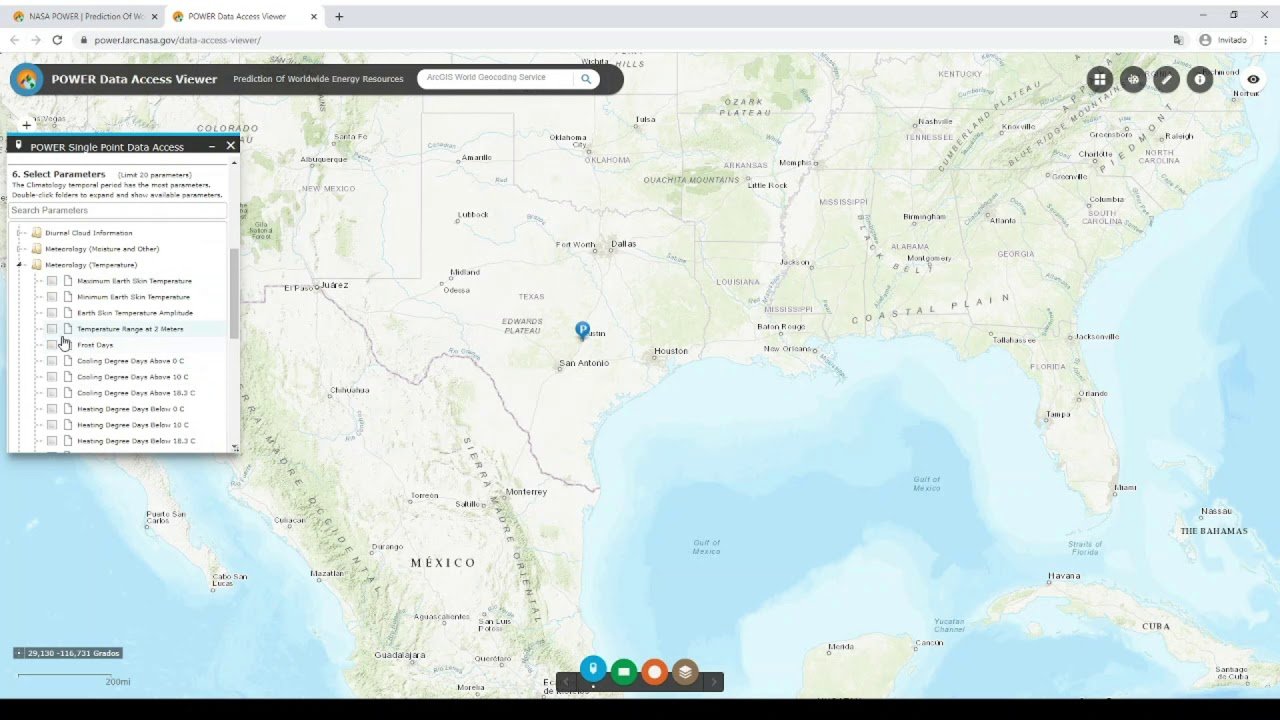
You can find your location's peak sun hours using the NREL PVWatts calculator. It's free and uses real weather data. Your number will change by season.
Panel Wattage
The wattage printed on the panel is its rating under perfect lab conditions. Common sizes today range from 300W to 450W for residential panels. A higher wattage panel produces more energy, but it also costs more.
The key is matching the panel to your available roof space.
System Losses
Even with perfect sun and a clean panel, you lose energy. The inverter converts DC to AC and wastes about 5 to 10 percent. Heat reduces output by another 10 percent on hot days.
Wiring resistance and dirt add more losses. The typical system loss factor is 20 to 25 percent.
Step-by-Step: How to Calculate YOUR Panel's Daily Output
Follow these steps. It takes two minutes with a calculator.
| Step | Action | Example |
|---|---|---|
| 1 | Find your peak sun hours | 5 hours |
| 2 | Multiply panel wattage by peak sun hours | 400 × 5 = 2000 watt-hours |
| 3 | Apply system loss factor (multiply by 0.8) | 2000 × 0.8 = 1600 watt-hours |
| 4 | Divide by 1000 to get kWh | 1600 ÷ 1000 = 1.6 kWh |
That's your daily energy from one panel. For monthly, multiply by 30. For yearly, multiply by 365.
The Real-World Formula (With Examples)
Let's walk through two real scenarios. Both use a standard 400W panel with 20 percent system losses.
| Location | Peak Sun Hours | Daily Output | Monthly Output |
|---|---|---|---|
| Phoenix, AZ | 6.0 | 1.92 kWh | 57.6 kWh |
| Seattle, WA | 3.5 | 1.12 kWh | 33.6 kWh |
The difference is massive. Same panel, same setup, but Phoenix gets 70 percent more energy. That's why your location matters more than the panel brand.
If you live in a cloudy region, you might want a higher efficiency panel to get more from limited sun. That's where understanding the different solar panel types comes in handy for matching your location.
Common Mistakes That Throw Off Your Estimate
People make the same errors again and again. Avoid these and your estimate will be accurate.
Using panel wattage as daily output. A 400W panel does not produce 400 watt-hours per hour all day. That number only applies at peak sun.
Ignoring seasonal variation. Summer produces double or triple the energy of winter in many regions. Your annual average is useful, but your monthly bill depends on the season.
Forgetting about shading. A single shaded cell can cut panel output by 30 to 50 percent. Even a small tree branch or chimney shadow matters.
Skipping the loss factor. People subtract nothing for inverter loss or heat. Then they wonder why their system underperforms. Always multiply by 0.75 to 0.85 as a realistic efficiency adjustment.
Mixing up power and energy. A panel produces power in watts. What you actually use is energy in kilowatt-hours. Power × time equals energy. Don't swap them.
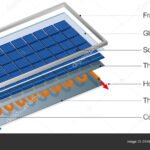
To avoid these mistakes, it helps to understand how solar panels generate electricity in the first place. That foundation makes the math clearer.
Image source: YouTube / Energy Content Solutions (YouTube thumbnail (fair-use with source credit))
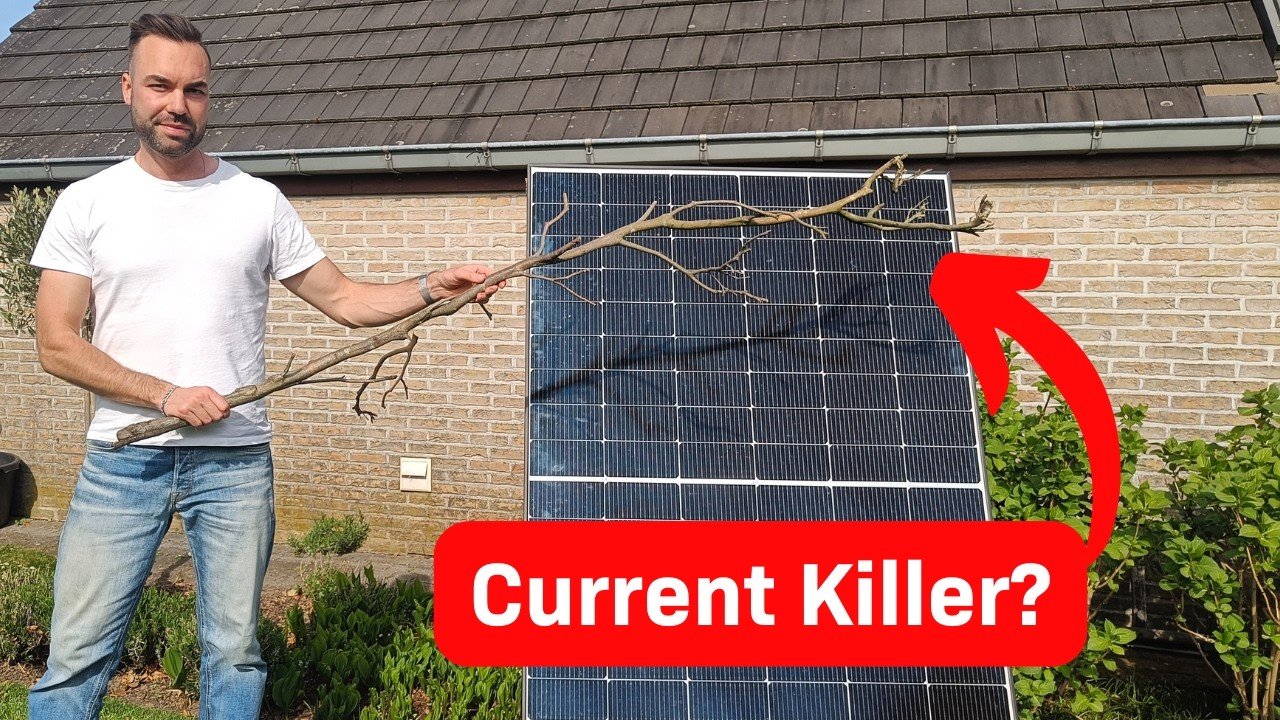
Image source: YouTube / Cleversolarpower by Nick (YouTube thumbnail (fair-use with source credit))

Image source: Wikimedia Commons / Veikk0.ma (CC BY)
Image source: YouTube / Everyday Solar (YouTube thumbnail (fair-use with source credit))

Similar Posts