Can You Get Solar Panels Removed? What to Know
Can you get solar panels removed? The short answer is yes, you absolutely can. But the real question is whether you should or even need to, and that depends on two big factors: who owns the system and why you want it taken down.
Removal costs for a typical residential system run between $1,500 and $4,500 as of 2026. That price climbs fast if you need the panels put back on afterward. Understanding what drives those numbers starts with one thing: your reason for requesting removal.
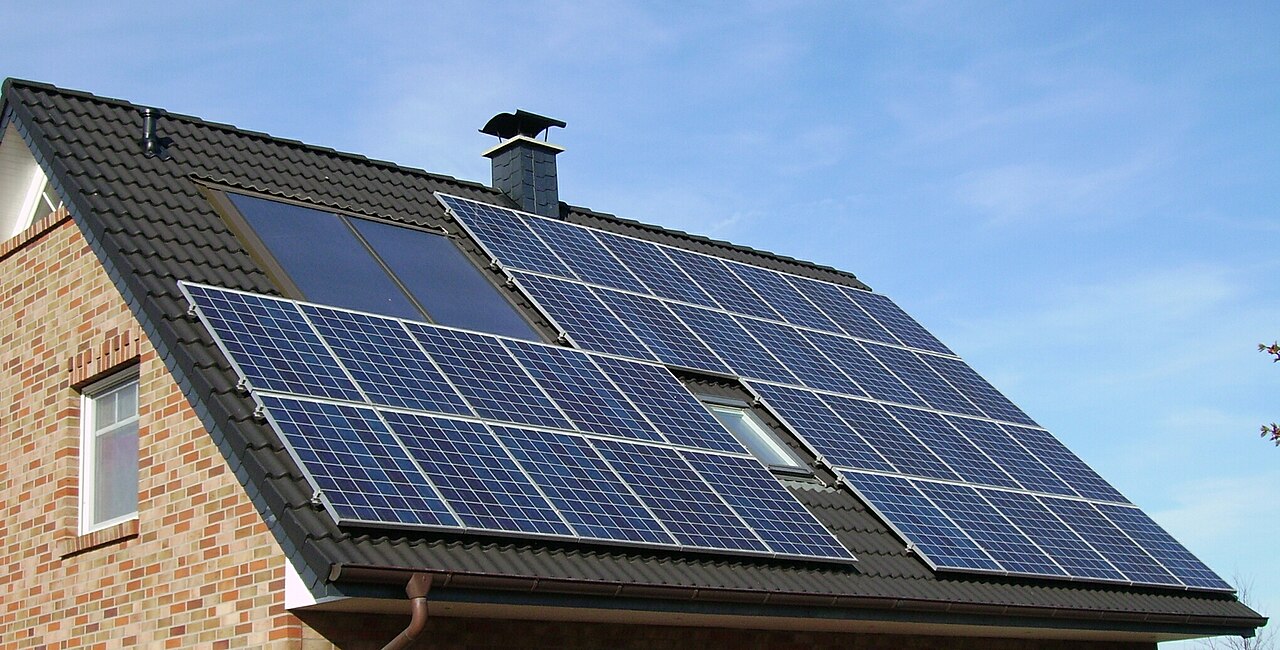
Image source: Wikimedia Commons / Pujanak
Quick Answer
Yes, you can get solar panels removed. You can hire a pro or do it yourself if you own them. Leased panels add extra contract steps.
Removal costs $1,500 to $4,500 depending on your roof and system size. Always get a licensed installer for the electrical work.
Why You Might Need Solar Panels Removed (Common Scenarios)
People remove solar panels for a handful of reasons. The most common is a roof replacement. Asphalt shingle roofs last roughly 25 years.
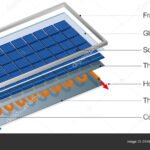
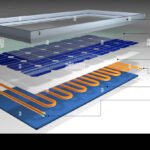
These glass and silicon assemblies have a functional lifespan of 30 to 35 years. If you had panels installed ten years ago, you might need a new roof while the panels are still producing well. In that case, removal is your only option.
Moving to a new home is another major reason. If you own your solar system, you can take it with you. Some homeowners choose to remove it and reinstall the panels at their new location.
Others leave them in place and negotiate the value into the home sale.
System upgrades are becoming more common too. If you bought 250-watt panels a decade ago, you might want today's 450-watt panels instead. Swapping them out means removing the old ones first.
This is a good time to weigh the pros and cons of your current setup and decide if an efficiency jump is worth the labor cost.
Selling your home also triggers removal conversations. If you own the panels, they often sweeten the deal for buyers. But if you are leasing, buyers might not want to take over the payments.
That can force a removal or a buyout.
The First Big Decision: Do You Own or Lease Your Panels?
This is the most important fork in the road. The legal and financial process differs completely depending on who holds the title. Everything downstream flows from this one answer.
Image source: YouTube / Energy Answers for the Beginning Farmer & Rancher (YouTube thumbnail (fair-use with source credit))
If You Own the Panels
You have the most freedom here. The panels are yours, so you can schedule removal anytime. Your main considerations are cost, finding a qualified installer, and protecting your roof during the job.
You will also need to decide whether to store the panels or reinstall them. If you are doing a roof replacement, most homeowners store the panels for a few days and put them back. If you are moving, you have the option to transport them.
Some people sell their used panels rather than move them. That decision depends on the age and condition of the equipment.
One important catch: removing the panels yourself can void the manufacturer warranty on the panels. Most warranties require professional installation and disassembly. The racking and mounting hardware also needs to be handled carefully to avoid damage.
If you crack a panel during removal, replacement costs come out of your pocket.
If You Are Leasing or Have a PPA
This is where things get tricky. With a lease or power purchase agreement (PPA), a third party owns the system. You make monthly payments.
You do not own the panels. That changes everything.
Before doing anything, read your contract. Most leases have an early termination clause with significant fees. Expect to pay between $1,000 and $5,000 to exit early depending on how many years remain.
That fee is separate from any removal labor costs.
Some leases allow you to transfer the agreement to the new homeowner if you sell. Others require a buyout. In rare cases, the leasing company handles removal themselves and reinstalls at their cost.
But do not count on that.
Your first step is to call the leasing company and explain your situation. Ask about transfer options, buyout costs, and their removal process. Never hire a private contractor to remove leased panels.
You could be on the hook for the full system value if something goes wrong. The leasing company owns the equipment, and they have a say in who touches it.
Can You Remove Solar Panels Yourself?
Technically, yes. But should you? Almost always no.
Solar panels are heavy. A standard 400-watt panel weighs around 40 to 50 pounds. A 20-panel system means hauling nearly half a ton of glass and aluminum off your roof.
That is serious weight to move on an incline.
Roof work carries real safety risks. OSHA requires fall protection for any work six feet or more above the ground. A sloped roof easily exceeds that height.
Losing your footing while carrying a 50-pound glass panel can end badly. You are not just risking the panel. You are risking your neck.
There is also the electrical side. Solar panels generate DC voltage as long as light hits them. You cannot safely disconnect a live system without proper training and lockout equipment.
One mistake and you risk arc flash or electrocution. Understanding how solar panels generate electricity helps explain why live panels stay energized even when the breaker is off.
Then there is the roof itself. Improper panel removal often damages shingles or tiles. Even small cracks around mounting bolts can cause leaks for years.
Water damage from a slow leak can cost thousands to repair.
That said, some experienced DIYers do remove their own panels. If you are comfortable on a ladder, understand basic electrical safety, and have proper tools, it is possible. Just know that you are accepting all the risk and likely voiding any remaining warranties.
For most people, hiring a licensed solar installer is the right move. The $1,500 to $2,000 labor cost for removal is worth avoiding a roofing repair or medical bill.
Step-by-Step: What Professional Removal Actually Looks Like
A professional removal follows a structured process. Each step is designed to protect the roof, the panels, and the people doing the work. Here is what you can expect from a good crew.
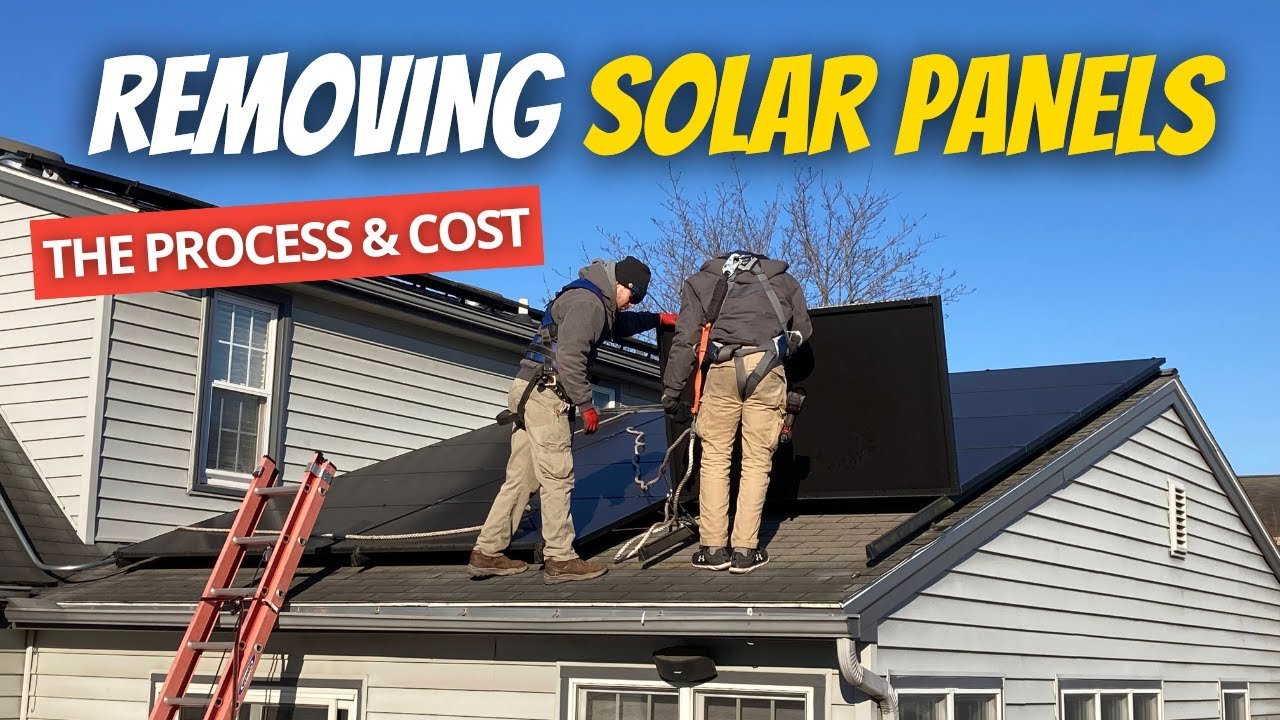
Image source: YouTube / The Solar Energy Channel by Paradise Energy (YouTube thumbnail (fair-use with source credit))
Step 1: System Shutdown and Electrical Isolation
The installer starts by turning off the solar system at the breaker panel. They disconnect the inverter and verify zero voltage with a meter before touching any wires. This is a critical safety step.
No panel gets moved until the system is confirmed dead.
Step 2: Panel Disconnection
One person at a time, panels are unclipped from the racking system. Each panel gets labeled by position for easy reinstallation later. If stored, they are stacked in padded racks and kept dry.
The installer checks for cracks or micro-damage during handling.
Step 3: Racking and Mounting Hardware Removal
Next comes the metal rails and roof attachments. This part takes the most care. The installer removes bolts, unthreads clamps, and slides the rails out.
Each mounting bracket gets extracted individually to avoid tearing the roofing material.
Step 4: Roof Penetration Sealing
Every bolt hole in the roof gets sealed. Installers cover each penetration with butyl rubber caulk or a specialized flashing cap. This step is easy to rush, and that causes leaks.
A good crew spends time here. A rushed crew leaves you with future water damage.
Step 5: Wiring and Conduit Removal
The electrical wiring between panels and the inverter is disconnected and capped. If the system is being reinstalled later, the conduit stays in place. If removed permanently, the conduit is sealed at both ends.
Exposed wiring must be terminated safely to prevent future hazards.
Step 6: Final Roof Inspection and Cleanup
The crew sweeps the roof for debris. They check for any damaged shingles or cracked tiles. They document the condition with photos in case of later disputes.
The area is left clean and safe for the roofer or next owner.
Here is a quick overview of typical times for each step on a standard 6 kW system:
| Step | Time Estimate |
|---|---|
| System shutdown and electrical isolation | 15 to 30 minutes |
| Panel disconnection and removal | 1 to 2 hours |
| Racking and hardware removal | 1 to 2 hours |
| Roof penetration sealing | 30 minutes to 1 hour |
| Wiring and conduit work | 30 minutes to 1 hour |
| Final inspection and cleanup | 15 to 30 minutes |
A full removal for a typical home takes 4 to 8 hours with a two-person crew. A removal and reinstall runs 1 to 3 days because the panels need to be reinstalled, wired, and commissioned. The reinstall process also requires utility notification and system testing.
Cost Breakdown: Removal vs Removal and Reinstall
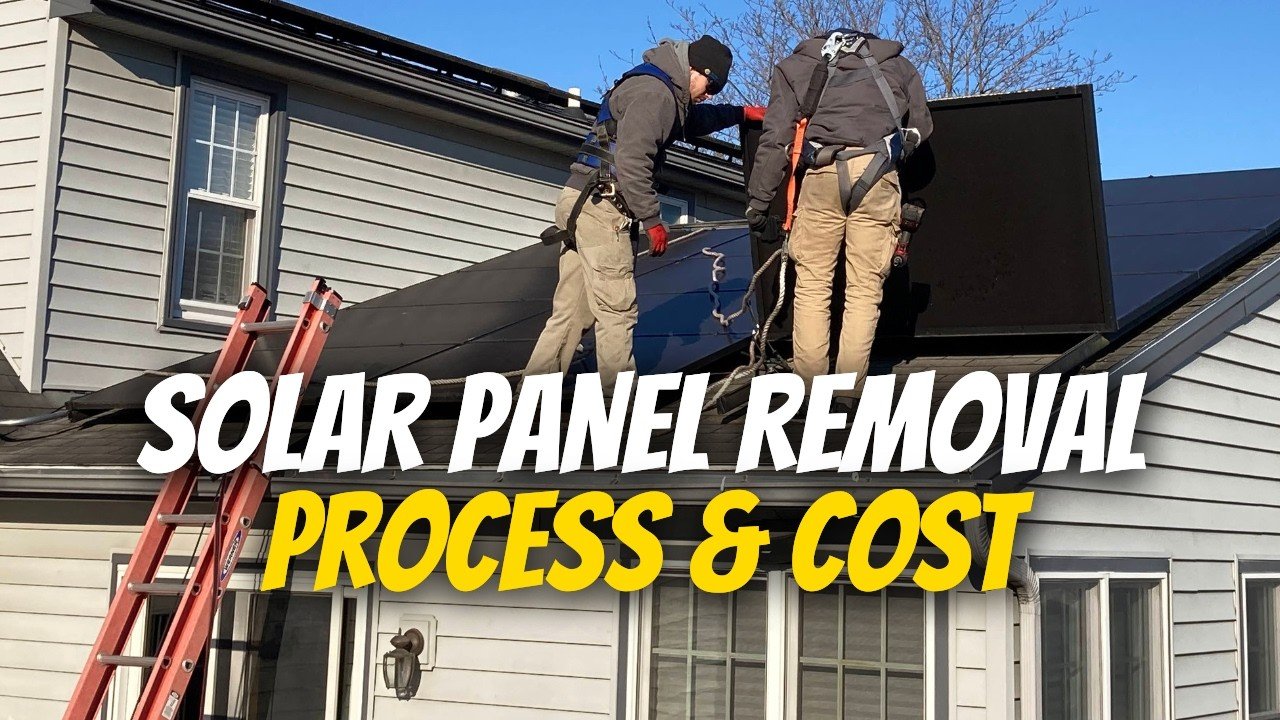
Image source: YouTube / The Solar Energy Channel by Paradise Energy (YouTube thumbnail (fair-use with source credit))
Pricing for solar panel removal varies widely. The biggest factor is whether you want the panels put back or not. Permanent removal is cheaper.
Removal with reinstallation costs more because of the extra labor and testing.
Here is what you can expect for a typical 6 kW system with 18 to 20 panels:
| Service | Typical Cost Range | What It Includes |
|---|---|---|
| Permanent removal | $1,500 to $3,000 | Disconnect, unbolt, seal roof holes, dispose of panels |
| Removal and reinstall | $3,000 to $8,000 | Same as above plus rewiring, recommissioning, utility notification |
| Panel storage (short term) | $200 to $500 | Padded racking, climate controlled, 1 to 2 weeks |
| Lease buyout plus removal | $2,000 to $7,000 | Contract buyout fee plus professional removal labor |
Several variables push the price higher. A steep roof pitch adds time and requires extra safety gear. Tile roofs take longer to remove and reseal than asphalt shingles.
Systems with complex wiring or multiple inverters also increase labor time.
Your location matters too. Labor rates for solar installers range from $75 to $150 per hour depending on your region. Urban areas with high demand cost more.
Rural areas with fewer qualified installers may also have higher rates due to travel time.
Always get at least three quotes before hiring. Ask each contractor for a written breakdown of labor, materials, and any disposal fees. Avoid the lowest bid if it skips roof sealing or electrical testing.
Those shortcuts cause bigger expenses later.
Roof Damage and Leaks: What to Watch For
The roof underneath your panels is the most vulnerable part of the whole process. When panels go up, installers drill holes for mounting brackets. Those holes get sealed with flashing and caulk.
When panels come down, those same seals get disturbed or removed entirely.

Image source: YouTube / Project Solar (YouTube thumbnail (fair-use with source credit))
The most common problem after removal is a leak around old mounting holes. If the crew does not properly seal every penetration, water finds its way in. That leak might not show up for months.
By the time you spot a ceiling stain, the wood decking underneath may already be rotting.
What kind of damage should you look for?
- Cracked or lifted shingles. Panels sit heavy on the roof. Removing them can pull up shingles that have bonded to the racking hardware.
- Torn underlayment. The waterproof layer beneath the shingles can tear when mounting feet are pried loose.
- Compressed insulation. Over years, the weight of the panels can flatten roof insulation underneath. This is more common on flat roofs.
- Bent flashing. The metal pieces around chimneys, vents, and valleys can get bent during heavy equipment movement.
A good removal crew documents the roof condition before and after the job. They should walk the roof with you and point out any issues they find. If you see a problem, take photos and get it in writing.
If the roof is old and the shingles are brittle, expect some breakage. Budget for minor roof repairs as part of the removal cost. A few replaced shingles now is cheaper than drywall repair later.
For leased systems, check whether the leasing company covers roof damage. Most contracts state the company is not liable for pre-existing roof issues. But removal damage caused by their approved contractor should be their responsibility.
What Happens to Your Warranty and Net Metering?
Two things can take a hit when you remove panels. The manufacturer warranty on the panels themselves and your net metering agreement with the utility.
Panel warranty. Most manufacturers require professional installation for the warranty to stay valid. If you remove the panels yourself, you likely void the remaining warranty. Even with a licensed installer, some manufacturers require advance notice or a specific reinstallation process.
Check your warranty paperwork before scheduling removal.
Some warranties cover the panel for 25 years but exclude removal and reinstallation damage. That means if a panel cracks during removal, the manufacturer will not replace it. The installer's liability insurance would cover that instead.
Confirm with your installer that they carry sufficient insurance for accidental damage.
Net metering. Your net metering agreement is with your utility company. Removing your solar system cancels that agreement. If you reinstall later, you must apply for a new interconnection agreement.
That can mean losing your current rate structure.
In states with net metering 2.0 or 3.0 rules, the rate you get for exported power can change. Net metering 3.0 in California, for example, pays less for exported power than older 2.0 rates. Removing your system and reinstalling later could lock you into a worse tariff.
Before removing, call your utility and ask about reconnection rules. Some utilities allow a temporary disconnect with a grace period. Others treat any removal as a permanent cancellation.
Clarify this before you start.
Federal tax credit recapture. If you claimed the federal solar Investment Tax Credit, removing the panels within five years of installation can trigger a recapture. The IRS requires you to repay a portion of the credit if the system is decommissioned early. The recapture percentage decreases over the five-year period.
Working with a tax professional is wise if your system is less than five years old.
Mistakes People Make When Removing Solar Panels
Removal seems straightforward, but small errors cause big problems. Here are the most common mistakes we see from homeowner reports and installer feedback.
Hiring the cheapest crew. Low bids often skip the roof sealing step. They remove panels and rails fast but leave bolt holes open or poorly sealed. A single unsealed hole causes a leak.
Water damage repair costs more than the removal savings.
Not labeling panels. If you plan to reinstall, every panel needs a label showing its position. Panels perform differently based on orientation and string configuration. Mixing them up reduces system efficiency.
A good installer labels each panel with tape and a marker.
Damaging the inverter. The inverter is the most expensive single component after the panels. Rough handling during removal can crack the housing or damage internal electronics. Lift it carefully and store it upright in a dry space.
Forgetting the utility. Many homeowners remove panels without notifying their utility company. The utility still expects the system to be active or properly decommissioned. Failing to notify can cause billing errors or safety inspection flags.
Storing panels on concrete. Concrete floors hold moisture. Storing panels directly on concrete causes micro-cracks from uneven pressure and moisture wicking. Always store panels on padded racks with airflow underneath.
Rushing the reinstallation. Putting panels back in a hurry leads to loose connections and misaligned racking. Loose electrical connections create resistance, which creates heat, which creates fire risk. Tighten every connection to manufacturer torque specifications.
Alternatives to Full Removal
Removal is not always your only option. Depending on your situation, one of these alternatives might work better.
Panel lift and reset. If you need roof work, some contractors can lift panels off the roof in sections without fully disconnecting them. They set the panels on temporary stands on the ground or scaffold. The roofer works underneath.
This saves time and reduces electrical work. It is only possible for certain roof geometries and system layouts.
Lease transfer. If you are selling your home and have leased panels, transferring the lease to the new buyer avoids removal. Many leasing companies allow transfers if the buyer qualifies financially. Offer a credit or incentive to the buyer to take over the lease.
Buyout and keep. If you are leasing, ask about a buyout price. Paying off the remaining lease amount lets you own the panels. You can then leave them for the new homeowner or sell the house with an owned system.
Buyout costs vary but often beat paying removal fees and early termination penalties.
Panel abandonment. In very rare cases, leaving old panels in place is acceptable. If the roof is sound and the panels are dead but non-hazardous, some homeowners leave them. This is not recommended for several reasons.
Dead panels are eyesores. They can become fire hazards if wiring degrades. And they complicate future roof work.
Donation or resale. If you are upgrading, your old panels still have value. Used panels in good condition sell for $100 to $200 each on resale markets. Some non-profits accept solar panel donations for community projects.
Selling or donating beats paying disposal fees and keeps functional equipment out of landfills.
Decision Guide: Your Situation and Next Steps
Use this quick reference to find the right path for your situation.
| Your Situation | Recommended Action | Estimated Cost |
|---|---|---|
| Own panels, need roof replacement | Hire pro for removal and reinstall | $3,000 to $8,000 |
| Own panels, moving to new home | Hire pro for removal, transport panels | $1,500 to $4,500 |
| Leasing, selling home soon | Call leasing company about transfer first | $0 if transferred |
| Leasing, want early exit | Request buyout quote, compare to removal fees | $2,000 to $7,000 |
| Upgrading to newer panels | Hire pro, sell old panels to offset cost | $3,000 to $8,000 |
| System less than 5 years old | Check IRS tax credit recapture before removing | Varies |
Always start with ownership. That single answer determines your entire path.
Frequently Asked Questions
Is it cheaper to remove solar panels or leave them?
Leaving them costs nothing upfront. But if they need repairs or your roof fails, removal becomes urgent and more expensive. Permanent removal typically costs $1,500 to $3,000.
Compare that to potential leak repairs or fire hazards from neglected wiring.
Do solar panels lose efficiency after being removed?
Not if handled properly. Professional removal and storage keeps panels in good condition. The real risk is physical damage during handling or storage.
A cracked panel loses efficiency permanently. Proper stacking and padded racks prevent that.
How long does solar panel removal take?
A standard residential system takes 4 to 8 hours for removal only. Removal and reinstallation takes 1 to 3 days. The extra time comes from rewiring, testing, and waiting for utility interconnection approval.
Can I remove solar panels in winter or bad weather?
Yes, but it is not ideal. Cold temperatures make shingles more brittle and prone to cracking. Snow and ice create slip hazards on the roof.
Most installers prefer dry weather above 40 degrees Fahrenheit for safe removal.
What happens to the solar tax credit if I remove panels?
If you remove the panels within five years of installation, the IRS may recapture a portion of the federal Investment Tax Credit. The recapture percentage decreases each year. After five years, there is no recapture risk.
Consult a tax professional before removing a system installed less than five years ago.

Similar Posts