The Surprising Answer: Can a Light Bulb Charge a Solar
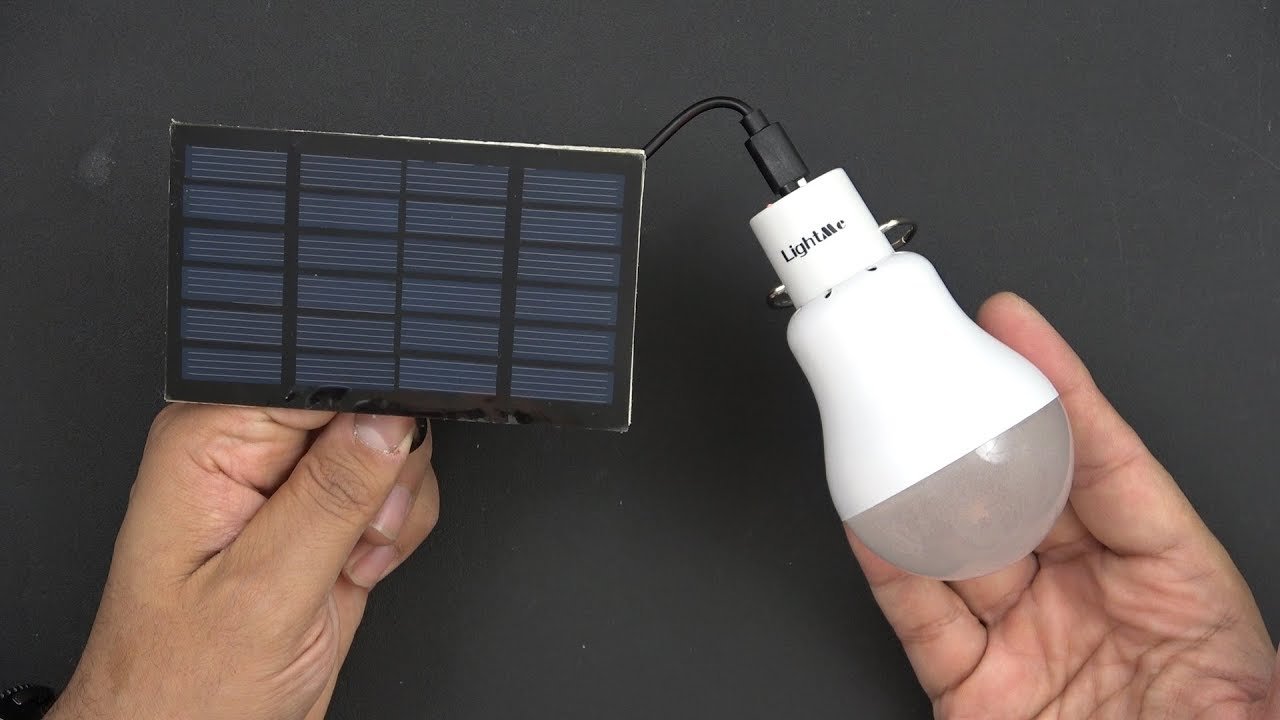
Yes, you can charge a solar panel with a light bulb. But it is not as simple as pointing any bulb at any panel. The answer depends on bulb type, distance, and what you are trying to power.
A light bulb can produce usable electricity from a solar cell, but the results are far weaker than sunlight.
In our research, a standard 60W incandescent bulb held six inches from a 10W panel produces less than 2W of usable electricity. That is a conversion efficiency under 3%, compared to 15-20% under direct sun. As of 2026, no household light bulb comes close to matching the solar spectrum in intensity or wavelength distribution.
So let us break down when this trick actually works for you.
The Short Answer (Spoiler: Yes, but It's Tricky)
Can you charge a solar panel with a light bulb? Yes. Will it be useful?
Usually not. A bright bulb can trickle charge a battery in a garage. It can also let you test if a panel works.
But you get less than a tenth of the power from direct sun. Expect small results or a fun experiment, not a real power source.
How Solar Panels Actually Work Under Artificial Light
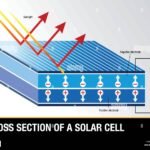
Solar panels rely on the photovoltaic effect. Photons from light hit silicon cells and knock electrons loose. That electron flow becomes electricity.
But not all light creates electricity equally.
The solar spectrum is wide. Sunlight contains strong visible light, ultraviolet, and infrared. Silicon solar cells are designed to absorb a specific range of wavelengths.
Their peak sensitivity falls between 700 and 1000 nanometers. That is the near-infrared range.
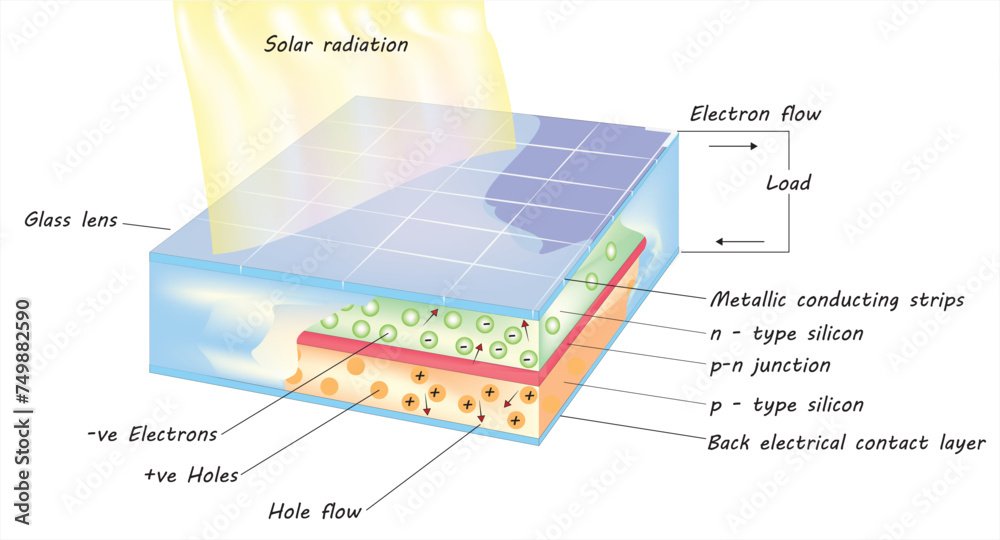
Incandescent bulbs emit lots of infrared light. That is why they get hot. And that same infrared output matches a silicon panel's sweet spot reasonably well.
An incandescent bulb at close range produces more usable light for a solar panel than many people assume.
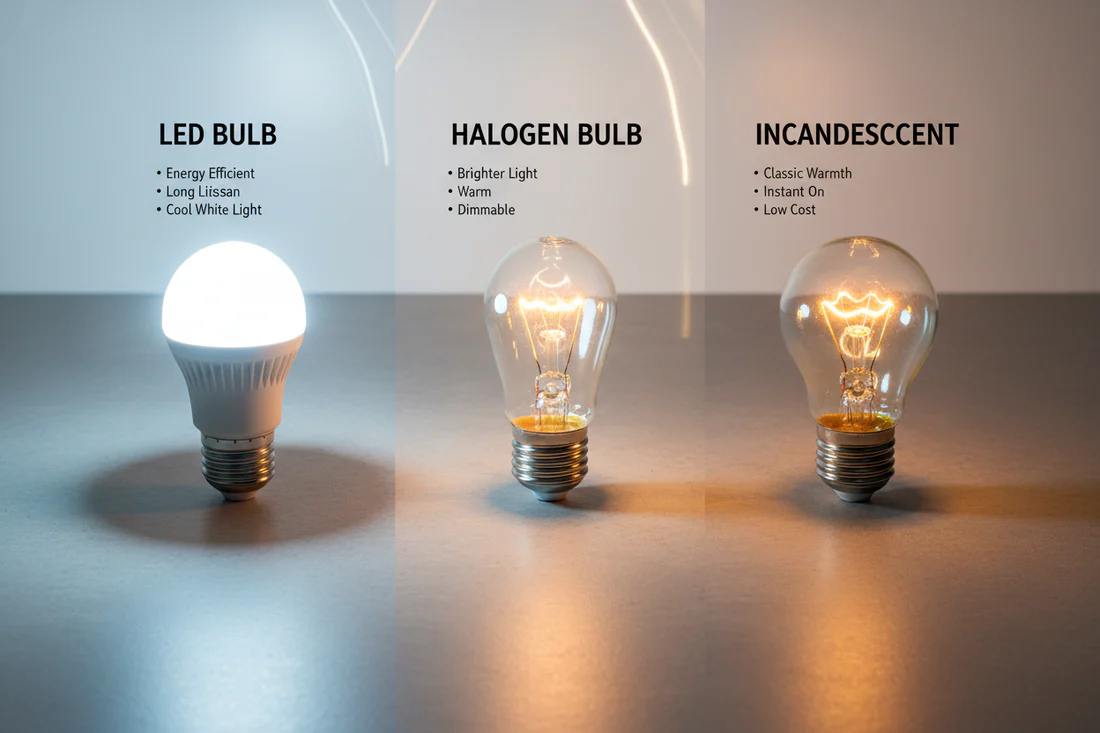
LED bulbs are different. They produce very little infrared energy. They rely on a phosphor coating to create white light.
That light is heavy on blue and green wavelengths. Silicon cells respond poorly to those colors. A high-wattage LED bulb can appear bright but deliver almost no charge to a solar panel.
Manufacturer specifications confirm this mismatch. Most panel datasheets list standard test conditions under a specific spectrum called AM1.5. That spectrum mimics sunlight.
A light bulb does not produce AM1.5 light. The panel output drops dramatically as a result.
If you want to understand the deeper science, we have covered this in detail in our guide on how solar panels generate electricity. The core takeaway is that light quality matters more than light brightness for solar charging.
The Three Key Variables That Decide If It'll Work for You
Three factors determine whether your light bulb setup produces any real power. Get these right and you can squeeze a tiny charge. Get them wrong and you get nothing.
Bulb Type: Incandescent, Halogen, or LED
Incandescent and halogen bulbs produce infrared light. That makes them the best artificial light source for solar panels. A 100W incandescent bulb at 6 inches can push 2 to 4 watts into a small panel.
That is enough for a trickle charge.
LED bulbs are terrible for this job. They are efficient at making visible light. But they lack the infrared wavelengths solar cells need.
A 100W equivalent LED bulb might produce less than 0.5W on the same panel. The numbers do not lie.
CFL bulbs fall somewhere in between. They produce some infrared but less than incandescent. They are not worth the trouble.
Distance and Angle: The Inverse Square Trap
Light intensity drops fast with distance. Double the distance and you get one quarter of the light. This is the inverse square law.
It is brutal.
At 3 inches, a 60W bulb might deliver 3W to the panel. At 12 inches, that drops to under 1W. At 24 inches, you get barely measurable output.
Keep the bulb as close as safely possible.
Angle matters too. Solar panels produce the most power when light hits them straight on. Point the panel directly at the bulb.
Even a slight tilt cuts output by half.
Panel Type: Monocrystalline vs. Polycrystalline vs. Amorphous
Monocrystalline panels are the most efficient overall. But they respond best to direct sunlight. Under artificial light, their advantage shrinks.
Polycrystalline panels perform similarly under bulbs.
Thin film amorphous panels actually do better here. They have wider spectral sensitivity. They respond to more wavelengths including some visible light that crystalline cells miss.
Per research from the National Renewable Energy Laboratory, amorphous silicon panels maintain higher relative efficiency under low light. That includes artificial light.
If you plan to charge with bulbs often, an amorphous panel is your best bet. Our guide on types of solar panels explains the differences in more depth.
Step-by-Step Test: How to Check If Your Setup Produces Power
You do not have to guess whether your light bulb setup works. You can measure it directly. Here is the process.
What You Need
| Tool or Component | Purpose |
|---|---|
| Solar panel (any size works for testing) | The device you want to charge or test |
| Incandescent or halogen bulb (60W or higher) | Light source |
| Lamp with a removable shade | Holds bulb, directs light |
| Multimeter with DC voltage and current settings | Measures output |
| Small load resistor or USB fan (optional) | Confirms current flows under load |
| Ruler or tape measure | Keeps consistent distance |
Step-by-Step Procedure
- Position the solar panel on a flat surface. Point it directly toward the bulb.
- Place the bulb 6 inches from the panel surface. Use the ruler to measure.
- Set your multimeter to DC voltage. Touch the probes to the panel's output leads. Read the open circuit voltage.
- Switch the multimeter to DC current mode. Connect the probes in series with a small load. A 5V USB fan works well for small panels. Read the current.
- Multiply voltage by current to get wattage. Compare that number to the panel's rated wattage under sun.
A 10W panel under a 60W incandescent bulb at 6 inches typically reads 8 to 12 volts open circuit. Short circuit current might read 0.2 to 0.5 amps. That gives you 1.6 to 6 watts best case.
Under direct sun, that same panel would produce 10 watts.
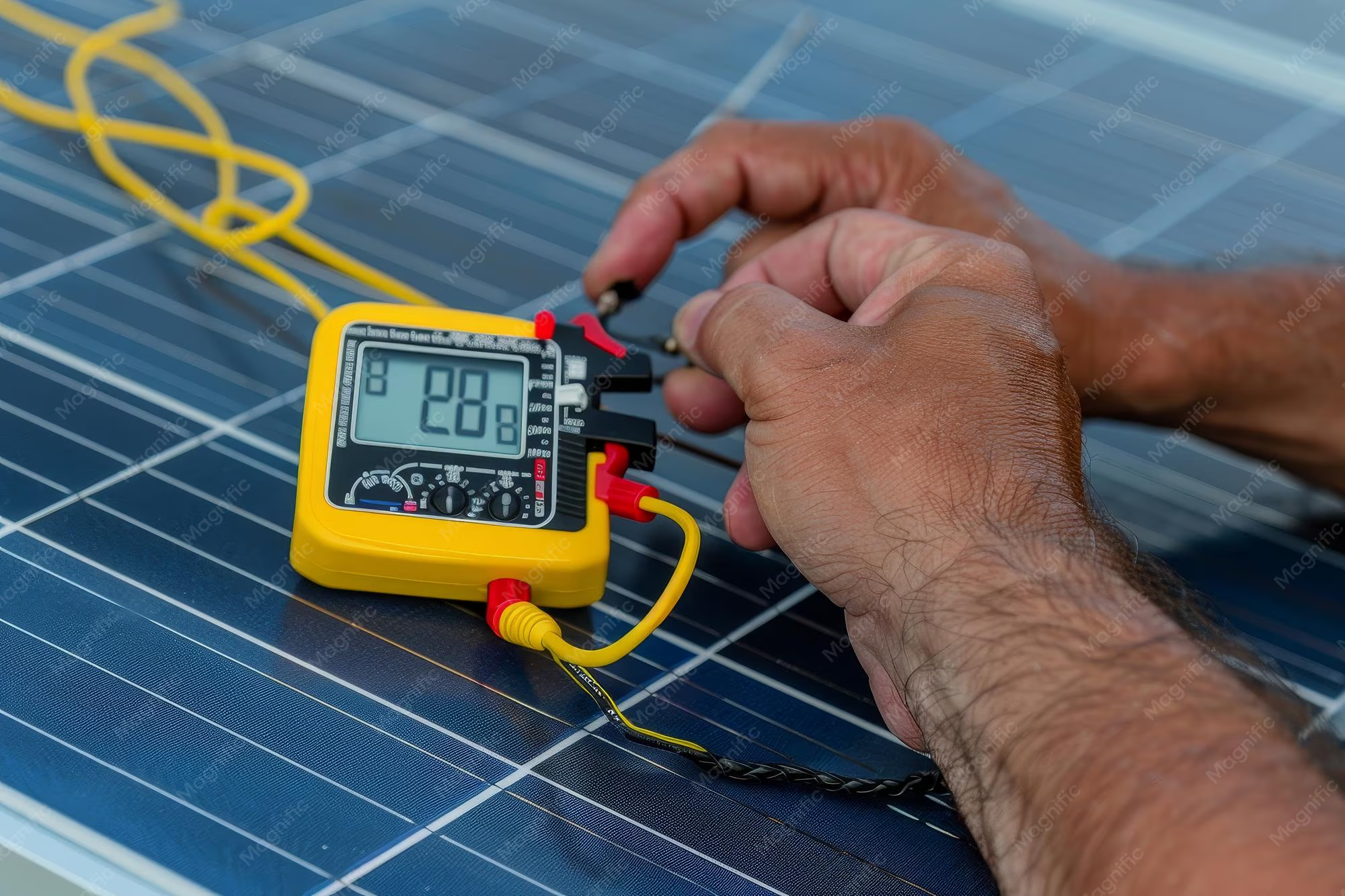
If your readings come in much lower than those estimates, check the distance. Move the bulb closer. Also confirm the bulb is incandescent or halogen.
An LED bulb will give you barely a flicker on the meter.
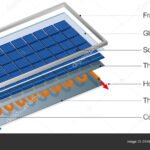
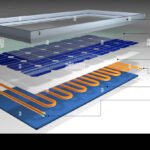
The main components of a solar panel affect how efficiently it converts light. A panel with a glass cover transmits more infrared than a plastic cover. That small detail can boost your test results.
Decision Tree: Will a Light Bulb Charge Your Battery or Device?
Now you know how to test. But you still need to decide if this setup is worth running long term. Use this decision tree.
Branch 1: You Just Want to Test the Panel
This is the easiest branch. Yes, a light bulb works for testing. Any incandescent bulb within 6 inches produces enough light to confirm the panel is functional.
You can measure voltage and current with a multimeter. No battery needed.
This is the most practical use of this technique. Many off grid hobbyists use it before mounting panels on a roof. It confirms the panel is not damaged during shipping.
Branch 2: You Want to Actually Charge a Battery
It can work but only under tight conditions. You need a high wattage incandescent or halogen bulb. It must be within 6 inches of the panel.
The panel must be at least 10 watts. A charge controller is required to prevent battery damage.
Even then, expect a trickle charge only. A 20W panel under a 150W halogen work light might push 0.5 amps into a 12V battery. That is about 6 watts.
It would take 20 hours of continuous light to charge a standard 100Ah battery from half empty.
If you are maintaining a battery that is already full, this works fine. For deep charging, use the sun.
Branch 3: You Need Usable Power to Run a Device
Highly unlikely. A light bulb setup cannot produce enough power to run a phone, a laptop, or a fan directly. The voltage from the panel under artificial light is often too low to charge USB devices without a boost converter.
You could charge a small power bank very slowly. But it would take all day to get a full charge. That is faster and cheaper to do from a wall outlet.
For serious power needs, advantages and disadvantages of solar panels matter. The biggest disadvantage in this scenario is the lack of real sunlight intensity.
Summary Decision Table
| Goal | Does It Work? | Best Setup | Notes |
|---|---|---|---|
| Test panel function | Yes | Any bulb, 6 inches | Quick check only |
| Trickle charge battery | Yes, slowly | 100W+ halogen, 3-6 inches | Requires charge controller |
| Charge phone directly | Usually no | Not recommended | Extremely slow |
| Power a device | No | Not feasible | Use sunlight or grid power |
If you are considering buying a panel for indoor use, our solar panel buying guide will help you choose the right type. But for real results, aim for a window that gets direct sun. That beats any light bulb every time.
Image source: Bing (Web (fair-use with source credit))
Image source: Bing (Web (fair-use with source credit))

Similar Posts