Cancel Solar Panels After Installation? Here’s How
Can you cancel a solar panel contract after installation? The short answer is yes, but only in specific situations. Your rights depend on your contract, your state's laws, and how far the project has gone.
Most people assume that once the panels are up, they're locked in for two decades. That's not always the case.
As of 2026, several states still give homeowners a rescission window, and some contracts include exit clauses that actually protect you. In our research, cancellation fees can range from a few hundred dollars to more than half the system's cost. So before you make another payment, it's worth understanding exactly where you stand.
Wait, Can You Actually Cancel After Installation? (The Short Answer)
Yes, you can cancel, but only under certain conditions. The most common path is the cooling-off period. Federal law gives you three days to cancel, but only for door-to-door sales.
Some states, like California and Nevada, extend that to ten days for solar contracts. After the cooling-off period ends, your options narrow significantly.
If the system is installed but not yet connected to the grid, you may still have leverage. Many installers will work out a settlement rather than fight over a project they haven't finished. If the system is fully operational and producing power, cancellation gets messy.
Usually, your only moves are negotiation, a buyout, or a breach-of-contract claim.
The key takeaway: cancellation is not a simple yes or no. It's a decision tree with several branches, and each branch has its own rules and costs. Our research shows that homeowners who act early in the process have far more options than those who wait until after the system is switched on.
So don't assume you're stuck, but don't assume it's easy either.
Here's a quick breakdown of what's possible:
| Situation | Can you cancel? | What it usually takes |
|---|---|---|
| Within cooling-off period | Yes | Written cancellation notice |
| Installed but not interconnected (no PTO) | Sometimes | Negotiation or settlement |
| Fully operational and producing | Rarely | Buyout, arbitration, or legal action |
| Installer breached the contract | Yes | Documented proof and legal demand |
| Selling the house with a lease/PPA | Transfer, not cancel | Contract assignment or buyout |
So before you call your installer with ultimatums, figure out which row you're in. That will tell you what your next move should be.
What Actually Determines Whether You Can Cancel, and What Doesn't
Your ability to cancel comes down to four main factors. Each one can either open a door or slam it shut.
1. Contract terms and cancellation clauses. Your contract is the first place to look. Some installers include a cancellation provision that lets you back out within a set number of days, even after installation.
Others include a "no cancellation" clause that makes it nearly impossible once work begins. Read the fine print carefully. If you don't have a copy, request one.
The installer is legally required to provide it in most states.
2. State and federal cooling-off laws. The FTC Cooling-Off Rule gives you three days to cancel a door-to-door sale of $25 or more. That includes solar contracts signed at your doorstep.
But it doesn't apply to contracts signed at a store or in your home by appointment. Some states go further. California, Nevada, and Colorado have their own rescission windows for solar contracts.
You need to check your state's specific consumer protection laws.
3. Financing type. Leases and PPAs are owned by the installer or a third-party financier. That's different from a solar loan or cash purchase.
With a lease, you often have more cancellation rights, because the company retains ownership. With a loan, the bank has a financial stake, and you'll need their approval to unwind the deal.
4. How far along the installation is. The biggest factor is timing. If the system hasn't been interconnected, the utility hasn't issued Permission to Operate (PTO).
That gives you leverage. Once PTO is issued and the system is generating, cancellation becomes a formal termination with consequences.
What doesn't matter? Changing your mind isn't a legal reason to cancel. "I didn't read the contract" doesn't hold up in court.
Neither does a vague complaint about performance if the system actually works. If you want out, you need a legitimate legal or contractual basis. And before you go further, make sure you understand the different panel technologies and what you actually signed up for.
The Decision Tree: Follow Your Situation to Find Your Best Option
Okay, let's map your situation. Find the branch below that matches your status, then follow the recommended steps.
Branch 1: You're still within the rescission period (cooling-off window)
If you signed the contract within the last 3 to 10 days, depending on your state, you're in the strongest position. Send a written cancellation notice by certified mail. Do it before the deadline, even if it's 11:59 PM on the last day.
The installer must refund any deposits or payments you've made. This is the cleanest way out.
Branch 2: System is installed but not yet interconnected (no PTO)
If the panels are on your roof but the system hasn't received utility approval, you still have some room. Call the installer and ask about a settlement. Many companies will agree to remove the system for a fee rather than deal with a frustrated customer.
Expect to pay a de-installation cost and possibly a restocking fee. Get everything in writing before authorizing any work.
Branch 3: System is fully operational and producing
Once the system has PTO and is feeding energy to the grid, your options shrink. You can try to negotiate, but the installer has little incentive to help. Your best bet is to look for a breach of contract, such as missed deadlines, shoddy workmanship, or a system that underperforms the guarantee.
If you have documented proof, you can demand a remedy or termination.
Branch 4: The installer breached the contract first
If the installer failed to meet their obligations, you may have grounds to cancel. Common breaches include: using different panels than specified, missing the agreed-upon install date, causing roof damage, or failing to obtain the proper permits. Document everything with photos and emails.
Send a formal breach notice and give them a chance to fix it. If they refuse, you can cancel and pursue damages.
Branch 5: You're selling the house and need to transfer or cancel
Selling a home with a solar loan is usually straightforward. You can pay off the remaining balance at closing. Selling with a lease or PPA is trickier.
Many contracts allow you to transfer the lease to the new owner, but the buyer has to qualify. If they don't, you might need to buy out the lease. Some leases have a specific buyout price that decreases over time.
Branch 6: You're stuck with a lease or PPA you regret
If you're unhappy with a long-term lease, look for a buyout option in your contract. Lease buyout prices are calculated based on the value of the system and the remaining term. In some cases, it's cheaper to buy the system outright than keep making payments for 25 years.
Compare the numbers carefully. It's also worth considering the overall pros and cons of going solar before making a final commitment.
Action steps for each branch
Regardless of your situation, follow this process:
- Review your contract for cancellation, buyout, and arbitration clauses.
- Check your state's cooling-off period and consumer protection laws.
- Contact the installer or financier in writing.
- Keep copies of every email, letter, and signed document.
- If negotiations fail, consider mediation or legal consultation.
The Mistakes That Kill Your Chances of Canceling
One wrong move can erase your leverage completely. In our research, these are the most common mistakes we see homeowners make.
Signing a waiver of rescission rights. Some installers include a waiver that waives your cooling-off period. If you signed it, you've given up that easy out. Never sign a waiver unless you fully understand the consequences.
Accepting the final inspection and PTO without review. The moment the utility issues PTO, the system is considered operational. That shifts the playing field in the installer's favor. Before you accept anything, inspect the work.
Check for roof damage, loose panels, and proper wiring. If something is wrong, say so in writing.
Making a payment after the installation is complete. Paying the final invoice can be interpreted as accepting the work. If you make a payment, you lose your right to claim the contractor did a poor job. Hold back final payment until you're satisfied with the system's performance.
Ignoring the UCC-1 financing statement. If you financed your system with a loan, you probably signed a UCC-1 financing statement. It acts like a lien on your property. Ignoring it doesn't make it go away.
You'll need to pay off the loan or get a release from the lender to clear your title.
Waiting too long to act. Time is not your friend. Cooling-off periods expire fast, and many contracts have deadlines for disputes. If you wait six months to file a complaint, most arbitrators will ask why you took so long.
Don't procrastinate. The sooner you act, the more options you have.
Threatening to cancel without legal grounds. Installers deal with angry customers all the time. If you call and say you're canceling because you changed your mind, they'll simply point to the contract and say no. You need a valid reason, ideally a breach of contract, or a legal provision in your state's law.
Don't waste your energy unless you have something concrete.
The Legal and Financial Landmines You Need to Know About
Canceling a solar contract isn't just about whether they'll say yes. There are legal and financial consequences that can follow you for years.
State-specific laws that override the standard contract. Your contract text isn't the final word. State and federal laws can trump specific clauses. For example, several states have a 5 to 10 day rescission window for solar contracts, even if the contract says "no cancellation." Always check your state's public utilities commission or consumer protection office first.
The FTC's cooling-off rule is a good starting point. You can also find your state's specific rules through the Database of State Incentives for Renewables & Efficiency (DSIRE).
UCC-1 filings and how they affect your property title. A UCC-1 filing secures the lender's interest in your solar equipment. If you fail to pay, the lender can repossess. If you want to cancel, you need to clear this filing.
That means paying off the loan, getting a release, and recording it with your county. Until then, the lien stays on your title and can affect a future home sale. This is often one of the main reasons homeowners need a thorough purchasing guide before they sign anything.
Arbitration clauses that block your right to sue. Many solar contracts include a binding arbitration clause. That means you cannot take the installer to court, even if they did something wrong. Instead, you'll go through a private arbitrator.
Arbitration can be expensive, and the process favors the company that wrote the contract. If you're considering legal action, review that clause first.
The real cost of de-installation and roof restoration. Removing solar panels isn't cheap. Expect to pay between $1,000 and $5,000 for de-installation, depending on system size and roof type. Roof repair can add another $500 to $3,000, especially if the contractor drilled extra holes or left gaps.
We've seen quotes for removals that approach 20% of the original system cost. Factor that into your decision.
How cancellation affects your credit score and financing eligibility. If you cancel a solar loan, it means paying off the balance in full. That's fine if you have the cash. If you don't, and you stop paying, the lender can report missed payments to credit bureaus.
A default on a solar loan can drop your score by 100 points or more. Leases and PPAs work differently. They usually don't show up on your credit unless you fall behind, but a terminated lease can still make future solar companies hesitate to work with you.
Frequently Asked Questions
How long do I have to cancel after signing a solar contract?
It depends on where you live and how the sale happened. The standard is three days under the FTC Cooling-Off Rule for door-to-door sales. Some states, including California and Nevada, extend that to ten days.
After the deadline, you'll usually need to find a loophole in your contract.
Can I cancel if the solar panels aren't working as promised?
Yes, if you can prove a breach. Compare your system's output to the contract's production guarantee. If it's underperforming, document it with screenshots from your monitoring platform.
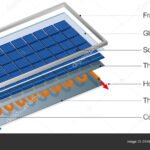
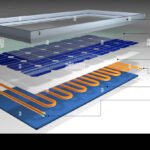
Review the hardware inside each panel to confirm it matches the spec.
Send a written demand. If the installer refuses to fix it, you may have grounds to cancel.
What happens if the installer refuses to cancel?
Your next step is a formal written cancellation notice by certified mail. Then check your state's contractor licensing board or public utilities commission. Filing a complaint can pressure the company to cooperate.
If that fails, review your contract's arbitration clause or consult a consumer protection lawyer.
Will canceling a solar lease hurt my credit?
Not automatically. A lease or PPA typically isn't reported to credit bureaus if you're current. But if you stop paying, the company can report the default.
That can drop your score significantly.
Paying off a loan before canceling is safer.
Do I need a lawyer to cancel my solar contract?
Maybe, but not always. Many contracts specify arbitration for disputes, so you can't usually sue directly. Arbitration costs can run a few thousand dollars, plus your time.
For a clear breach, a lawyer's demand letter can be enough. Knowing how the system delivers power helps you document the problem yourself, which makes your case stronger.

Similar Posts