Can Solar Panels Power an Entire Commercial Building?
The short answer is yes, solar panels can power an entire commercial building. But the real question is whether they can do it for your building, and that depends on a handful of specific conditions. We will walk through each one so you can figure out if it is feasible for your situation.
As of 2026, the federal Investment Tax Credit covers 30 percent of the total system cost, which brings the payback period for many commercial installations down to five to ten years. That changes the math significantly. But before you get into financing, you need to understand the three numbers that make or break any commercial solar project.
Quick Answer
Yes, solar panels can power an entire commercial building. It depends on your energy usage and roof space. You need enough sun exposure and the right utility policies.
A feasibility study is the first real step.
Image source: Openverse / AS 1979 (PDM 1.0)
The Real Answer: It Depends on Your Building
There is no universal yes or no here. The answer is a decision tree with several branches. If your building has a large, unshaded roof and you use most of your energy during daylight hours, the odds are good.
If you have a shaded lot or a curved roof with limited square footage, the math gets harder quickly.
The main conditions that drive the decision are your total annual energy load, your peak demand, your usable roof or land area, your local utility rules, and your budget. Change any one of those, and the answer can flip from yes to no or from no to yes. That is why a one-size-fits-all answer is misleading.
Think of it this way. If you have 50,000 square feet of warehouse roof in Arizona with no shade, you can probably offset 80 to 100 percent of your usage. If you have a three-story office building in Seattle with a small, shaded roof, you might only offset 20 percent.
The same technology gives completely different results.
The 3 Numbers You Need Before Anything Else
Before you call a solar installer, pull three numbers together. These will tell you more than any online calculator.
| Number | What It Is | Why It Matters |
|---|---|---|
| Annual kWh usage | Total electricity consumed in a year | Determines system size and cost |
| Peak demand (kW) | Highest power draw at any moment | Affects demand charges and inverter sizing |
| Usable roof or land area | Square footage free of obstructions and shade | Limits maximum panel count |
Your annual kWh usage comes from your utility bills. Look at the last twelve months and add them up. A typical 50,000-square-foot office building might use 200,000 to 400,000 kWh per year.
A warehouse with heavy equipment could use twice that.
Peak demand is trickier. It is the single highest 15-minute average of power draw during the month. If you run all your machinery at 9 AM and again at 2 PM, that peak determines part of your utility bill.
Solar can shave that peak, but only if it is generating at that exact moment.
Usable roof area sounds simple, but it is not. You need to subtract space for HVAC units, vents, skylights, and fire code setbacks. A 20,000-square-foot roof might only have 12,000 square feet of usable space.
That changes the math fast.
Here is where an energy audit comes in. Our research shows that most commercial buildings underestimate their actual usage by 15 to 25 percent before they do a proper audit. If you skip this step, you will size the system wrong from the start.
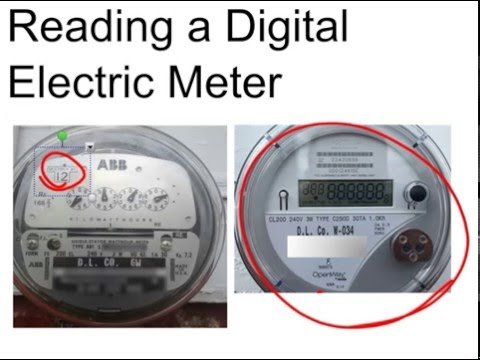
Image source: YouTube / Doug Haskins (YouTube thumbnail (fair-use with source credit))
What Happens When the Sun Isn't Shining? (Net Metering vs. Batteries vs. Grid)
This is the most common question we hear, and it is the right one. Solar panels only generate when the sun is up. Your building needs power at night and on cloudy days.
So what fills the gap?
You have three options.
Net metering is the simplest. When your panels produce more power than you need, the extra flows to the grid and your meter spins backward. When you need more than your panels produce, you pull from the grid and your meter spins forward.
At the end of the month, you pay for the net difference. This works best if your utility offers full retail net metering. As of 2026, many states still do, but some have capped enrollment or switched to net billing, which pays you less for exported power.
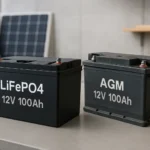
Batteries let you store excess solar power for use at night. They add significant cost, typically $400 to $750 per kWh installed, but they also give you backup power during grid outages. For a commercial building that cannot afford downtime, batteries can be worth the premium.
Staying on the grid without net metering means you use solar to offset daytime usage only. You still pay full retail rates for nighttime power. This can still save you money if your building uses a lot of power during the day, but it limits your overall offset.
If your utility has full net metering, that is usually the best financial path. If your utility has demand charges, batteries or smart inverters that manage those peaks can make a bigger difference than net metering alone. The decision tree branches here based on your specific rate structure.
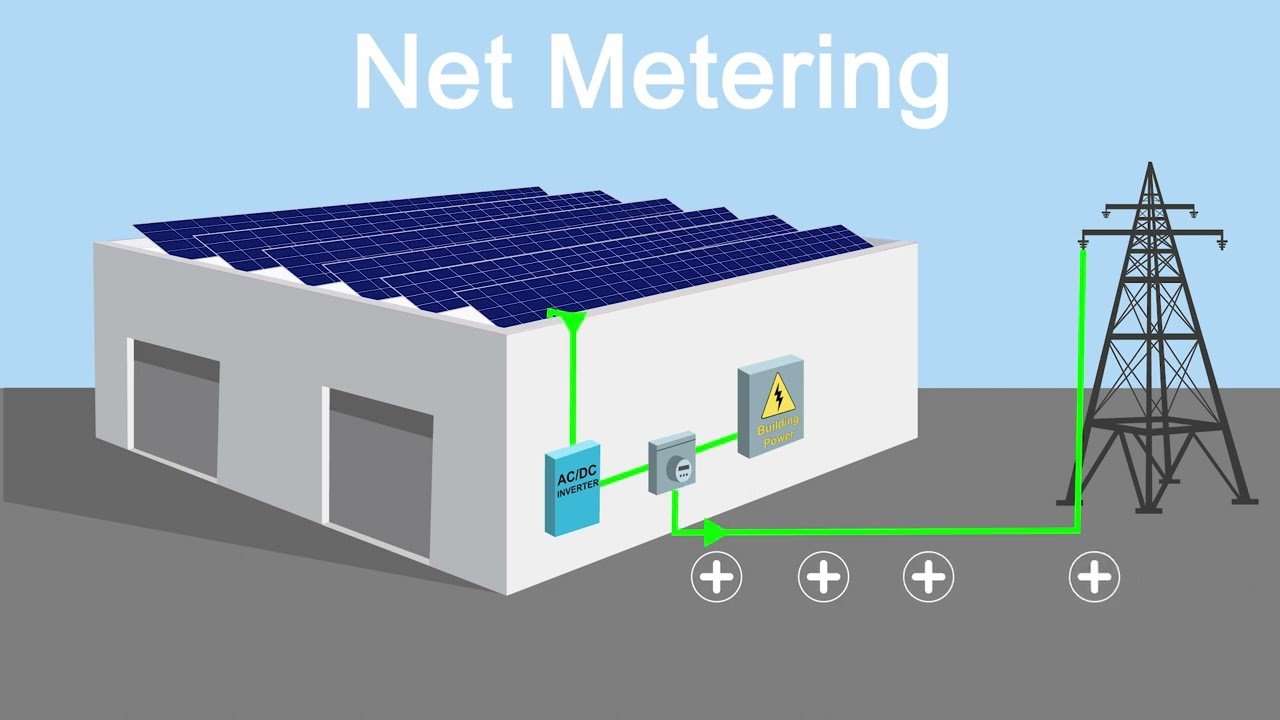
Image source: YouTube / Current Energy (YouTube thumbnail (fair-use with source credit))
First Decision Branch: Own, Lease, or Power Purchase Agreement?
Once you know the numbers and understand your utility rules, the next big fork in the road is how you pay for the system. You have three main paths, and each changes the economics significantly.
Buying outright means you own the system from day one. You pay the full installed cost, which for a 100 kW commercial system runs roughly $100,000 to $250,000 before incentives. You get the 30 percent federal tax credit plus accelerated depreciation through MACRS.
Over 25 years, this usually gives the highest total return. But it requires significant upfront capital.
A solar loan lets you own the system with monthly payments. The lender takes the tax credit and applies it to the loan principal, or you keep the credit and apply it yourself. Your monthly payment is typically less than your utility bill savings from month one.
This is the most popular option for mid-size commercial buildings.
A lease or power purchase agreement (PPA) means a third party owns the system. You pay a fixed monthly lease payment or a lower rate per kWh for the power it produces. The developer takes the tax credits and depreciation.
You get immediate savings with zero upfront cost, but you do not capture the long-term equity. The developer sets the terms, and they often include annual escalators.
For a business that pays taxes and has the capital, buying with a loan usually wins over 25 years. For a nonprofit or a business that cannot use the tax credits, a PPA is often the only practical path. For a business that wants simplicity and no maintenance responsibility, a lease is worth considering.
If you want a deeper look at the different technologies involved, our guide to the different panel types covers what is available on the market today.
The Roof Reality Check: Weight, Age, and Obstructions
A roof that looks perfect from the ground can be a nightmare once you get up there. This is where many commercial solar projects stall or cost more than expected.
Weight is the first issue. A typical commercial solar system adds 3 to 5 pounds per square foot to the roof. That might not sound like much, but if your roof was designed for a lighter load or is 20 years old, you may need structural reinforcement.
A structural engineer needs to sign off on the load capacity before any installation begins.
Age matters because solar panels last 25 to 30 years. If your roof is 10 or 15 years old and nearing the end of its life, you have two choices. Replace the roof before installing solar, or install a system that can be removed and reinstalled when the roof needs replacement.
Both add cost. Replacing the roof first adds $5 to $15 per square foot to the project, but it gives you a clean start.
Obstructions cut into your usable area. HVAC units, skylights, vents, exhaust fans, and roof hatches all take up space. Fire codes require pathways around the roof perimeter and between panel sections.
The National Electrical Code specifies rapid shutdown requirements and access pathways. A roof that looks wide open in a satellite image can lose 30 to 40 percent of its area to these constraints.
Flat roofs are actually easier for solar than pitched roofs in most commercial settings. Ballasted racking systems sit on the roof without penetrating the membrane, which reduces the risk of leaks. Pitched roofs require penetration mounts and more careful flashing.
Ground mounts avoid all roof issues but require available land and add trenching costs for the wiring.
The best approach is to get a site assessment from a qualified installer before you do any serious financial modeling. They will measure the roof, check the structure, and map out the obstructions. That assessment is the reality check that turns a theoretical yes or no into an actual project plan.
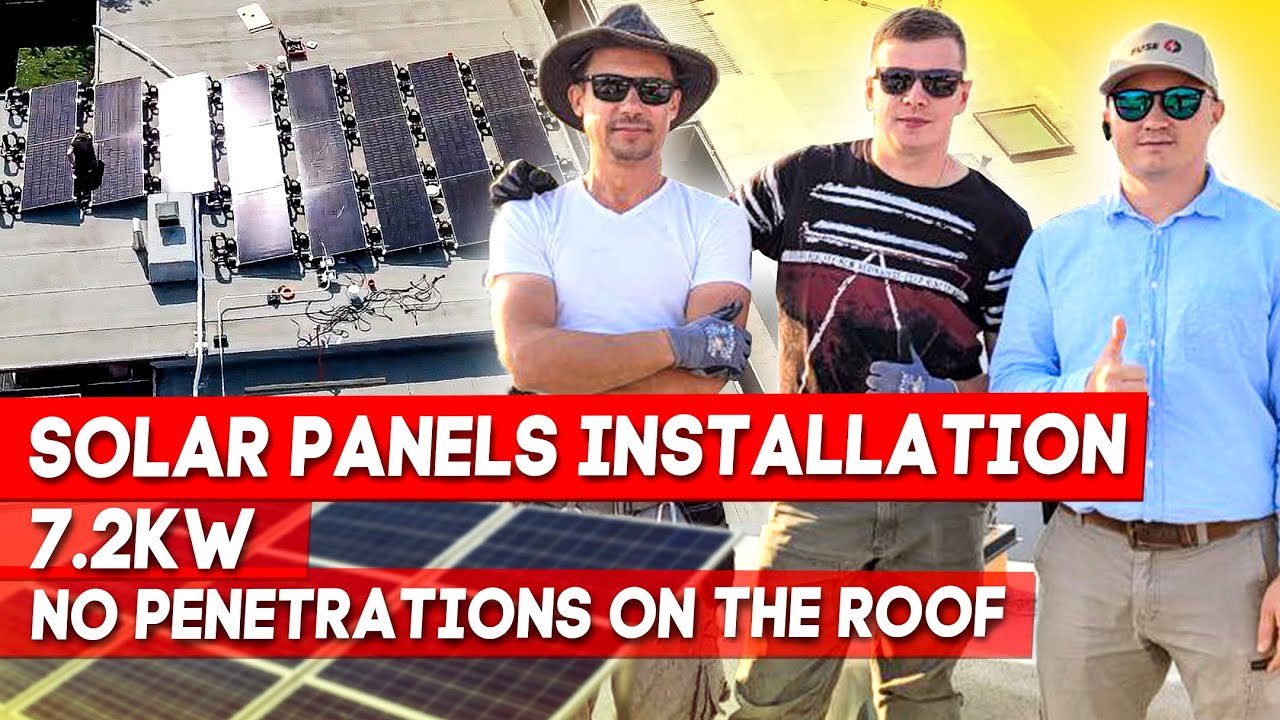
Image source: YouTube / Fuse Service: HVAC, Electrical & Plumbing (YouTube thumbnail (fair-use with source credit))
Hidden Obstacles That Kill Feasibility (Utilities, HOA, Zoning)
You can have perfect roof space and strong numbers, and still hit a wall. That wall is usually your local utility.
The utility decides whether you can connect your system to the grid. They set the interconnection fees, the net metering rules, and the equipment requirements. Some utilities process applications in two weeks.
Others take three months. Some have caps on how much solar they allow in their service area. Once that cap is reached, you wait.
HOA restrictions are less common for commercial buildings than for homes, but they still exist. Some commercial property covenants limit visible rooftop equipment or require specific panel colors. Check your governing documents before you start design work.
Zoning ordinances can also get in the way. Historic districts often restrict visible solar installations. Some local codes require setback distances from property lines that reduce your usable roof area.
A quick call to your local building department can save you from investing time in a project that zoning rules will block.
If you understand the basic science behind the technology, it helps when you discuss these constraints with permitting officials. Our article on how these systems produce electricity gives you a solid foundation for those conversations.
Decision Branch: Flat Roof, Pitched Roof, or Ground Mount?
Your roof type determines your mounting system, your labor costs, and your long-term maintenance risks. Here is how the three options compare.
Flat roofs are the most common for commercial buildings. They work well with ballasted racking systems that do not penetrate the roof membrane. That means fewer leak risks and faster installation.
The downside is that you need a structural engineer to confirm the roof can handle the extra weight. Flat roof systems also require tilt racks to angle panels toward the sun, which adds some cost.
Pitched roofs are less common for large commercial buildings but appear on smaller offices and retail spaces. They require penetration mounts that go through the roofing material into the rafters. Flashing around each penetration is critical.
A poorly flashed pitched roof leaks. These systems weigh less per square foot, so structural concerns are smaller.
Ground mounts bypass all roof issues. You install panels on racks in an open area on your property. They are easier to clean and maintain.
They also allow optimal tilt and orientation for maximum production. The tradeoff is you need usable land, trenching for underground wiring, and sometimes additional permitting. Ground mounts also cost more per watt than rooftop systems for smaller installations, but the gap narrows as system size increases.
| Mount Type | Pros | Cons |
|---|---|---|
| Flat roof ballasted | No roof penetrations, fast install | Needs structural review, extra weight |
| Pitched roof penetrated | Lighter, works on smaller buildings | Leak risk, more flashing labor |
| Ground mount | Optimal tilt, easy maintenance | Needs land, trenching cost |
Common Mistakes That Cost Business Owners Thousands
Even with good intentions, commercial solar projects go wrong in predictable ways. Here are the four we see most often.
Ignoring Load Profile Shape
Your total annual kWh is only half the picture. The shape of your load profile matters just as much. If your building uses most of its power at 3 AM, solar will not help much because the panels are not generating at that hour.
If your peak demand happens at 2 PM and your panels are producing at full capacity, solar can slash your demand charges.
The fix is simple. Look at your 15-minute interval data from the utility. Map it against solar production curves for your location.
If they overlap well, solar is a strong fit. If they barely touch, you need batteries or load shifting to make the numbers work.
Misreading Net Metering Rules
Net metering sounds simple, but the details matter. Some utilities cap the system size at 100 percent of your previous year's usage. Others cap it at 110 percent.
Some pay you wholesale rates for excess power instead of retail rates. A few utilities charge a monthly fee just for having a solar connection.
Read the full tariff sheet. Do not rely on a salesperson's summary. One missed detail can change your payback period by years.
Forgetting About Structural Reinforcement Costs
That roof load we talked about earlier is not just a technical detail. It is a real cost. If your roof needs reinforcement, expect to pay $3 to $8 per square foot on top of the solar installation.
For a 20,000-square-foot roof, that adds $60,000 to $160,000.
Get a structural engineer's report before you commit to a system size. That report is cheap insurance against a budget surprise.
Skipping the Panel Age and Degradation Check
Panels degrade over time. Most lose about 0.5 percent of their output per year. A 400-watt panel will produce roughly 350 watts after 25 years.
That is normal and built into the financial models.
What is not normal is buying used or refurbished panels for a commercial installation. Our research shows that used panels often degrade faster and lack warranty coverage. The upfront savings are rarely worth the long-term production loss.
Stick with new panels from a Tier 1 manufacturer with a 25-year performance warranty.
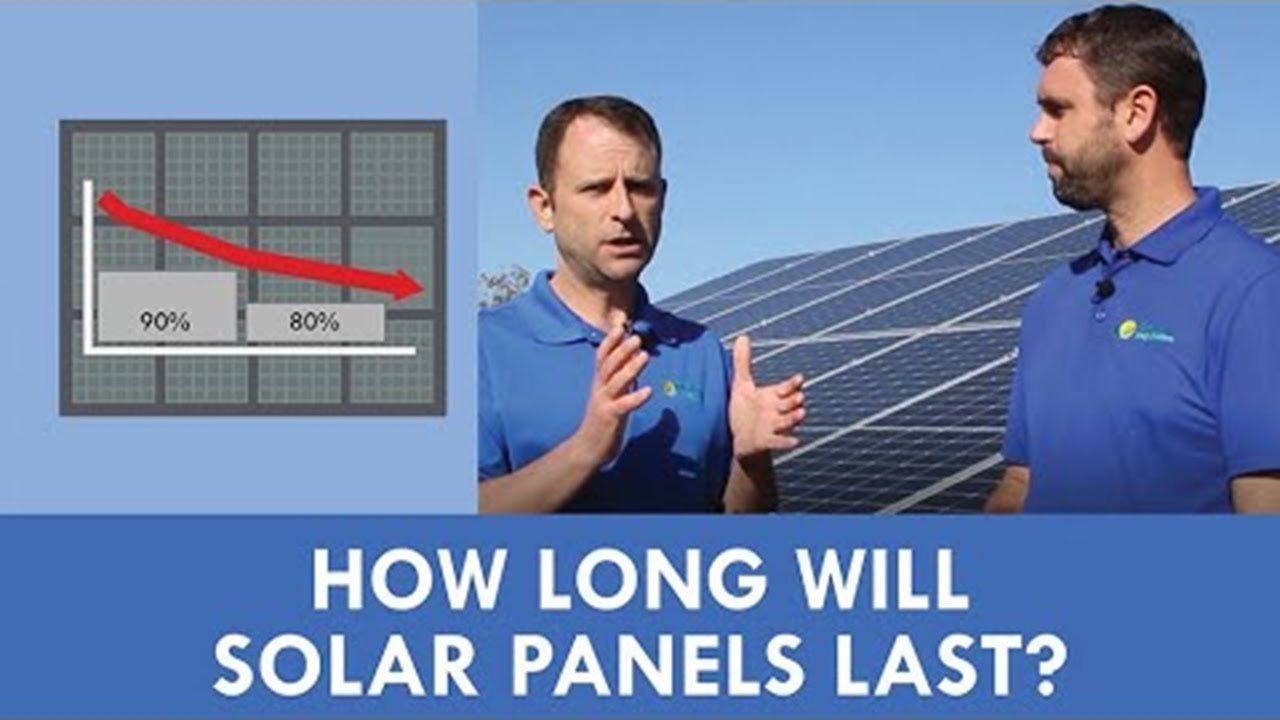
Image source: YouTube / The Solar Energy Channel by Paradise Energy (YouTube thumbnail (fair-use with source credit))
Real-World Example: A 50,000-Square-Foot Warehouse (Scenario Walkthrough)
Let us make this concrete. Imagine a 50,000-square-foot warehouse in Charlotte, North Carolina. It has a flat roof with 35,000 square feet of usable space after subtracting HVAC units and setbacks.
The building uses 300,000 kWh per year with a peak demand of 150 kW.
The utility offers full retail net metering with no cap. The roof is 12 years old with 20 years of expected life remaining. The structural engineer confirms the roof can handle a ballasted system without reinforcement.
A 200 kW DC system fits on the roof. That system produces about 260,000 kWh per year, offsetting roughly 87 percent of the annual usage. The installed cost is $400,000 before incentives.
After the 30 percent federal tax credit, the net cost drops to $280,000.
With accelerated depreciation (MACRS), the after-tax net cost drops further to roughly $200,000 over the first five years. The annual electricity savings at current rates are $35,000. The payback period lands at about 5.7 years.
Over 25 years, the total savings exceed $600,000.
What if the roof needed replacement? That would add $100,000 to the project and push the payback to 8.5 years. Still positive, but a different decision.
What if the utility had capped net metering at 100 percent of usage? Then the system would need to be sized to 200 kW instead of 260,000 kWh of production. The savings drop by roughly 15 percent.
Quick Decision Guide: When to Say Yes, When to Say No
Here is a simple framework. Say yes when most of these conditions apply.
- Your roof has at least 75 square feet of usable space per kW of desired capacity
- Your utility offers full retail net metering with no cap
- Your roof is less than 10 years old or you are willing to replace it
- You have 12 to 24 months of utility bills showing consistent daytime usage
- Your annual electricity costs are above $30,000
- You plan to own the building for at least seven more years
Say no or wait if any of these are true.
- Your roof is shaded for more than 20 percent of the day
- Your utility charges a flat monthly fee that negates solar savings
- Your roof needs replacement within five years and you cannot afford both
- Your peak demand occurs entirely outside of solar production hours
- Your building is in a historic district with restrictive solar ordinances
A thorough feasibility study costs a few thousand dollars. It is the best money you will spend on this project because it gives you a clear yes or no with real numbers attached. Our complete buying guide walks through the full evaluation process from start to finish.
Frequently Asked Questions
How many solar panels does a commercial building need?
It depends on your annual usage and roof space. A 100 kW system needs roughly 250 panels and generates about 130,000 kWh per year. Your installer will calculate the exact count based on your load and sun exposure.
Can solar power a commercial building at night?
Not without battery storage. Solar panels stop generating when the sun goes down. Net metering lets you use grid power at night and send excess daytime power back to the utility.
Batteries store that excess for direct use after dark.
What is the payback period for commercial solar?
Most systems pay back in five to ten years after the federal tax credit. The exact period depends on your electricity rates, net metering policy, and system cost. Higher rates and full retail net metering produce faster payback.
Does commercial solar increase property taxes?
In most states, the added property value from solar is exempt from property tax assessments. Check your local tax code to confirm. Some states also offer sales tax exemptions on solar equipment purchases.
What maintenance do commercial solar panels need?
Very little. You need to clean the panels once or twice a year if dust or bird droppings accumulate. The inverter may need replacement after 10 to 15 years.
Monitoring software alerts you to performance drops so you can address them quickly.

Similar Posts