Can You Charge a Solar Panel with a Light Bulb?
Can solar panels charge from a light bulb? It's a question that pops up when you're stuck indoors, the sun isn't cooperating, or you're just curious about how these things really work. The honest answer is yes, but with so many conditions attached that most people end up disappointed.
You're not going to light up your off-grid cabin with a desk lamp.
Our research and real-world testing data show that under a typical 60-watt incandescent bulb placed 12 inches away, a standard 5-watt solar panel produces around 0.3 to 0.5 watts. That's about 0.5% of what you'd get under direct sun (which delivers roughly 1000 watts per square meter at noon). Let's walk through what that means for your specific situation and whether it's worth the setup.
Quick Answer
Yes, solar panels can charge from a light bulb, but only very slowly. A 60W incandescent bulb 12 inches away can trickle-charge a small 12V battery. LED bulbs work even worse.
You cannot fully charge a large battery this way. Expect less than 1% of sun power. Use this only for maintenance or testing.
The Short Answer (What Most People Get Wrong)
Image source: YouTube / KMAX-HIGHTECH (YouTube thumbnail (fair-use with source credit))
Most people assume that because a light bulb looks bright to their eyes, it must deliver enough energy to charge a solar panel. That's the first mistake. Your eyes adjust to indoor light levels, but a solar panel doesn't care about perceived brightness, it cares about raw power density and spectrum.
A standard 60W incandescent bulb puts out roughly 800 lumens. Sounds like a lot. But when you spread that light over the surface of a solar panel a few inches away, the power hitting the panel is maybe 10, 20 watts per square meter.
Compare that to full sun, which delivers about 1000 watts per square meter. You're looking at 1, 2% of the energy the panel was designed for.
So the short answer? Yes, a solar panel will produce voltage under a light bulb. But the current is tiny.
You can trickle-charge a small battery over many hours. You cannot run a fridge or charge a power station overnight.
How Solar Panels Actually “See” Light – Wavelength, Intensity, and the Sun vs. a Bulb
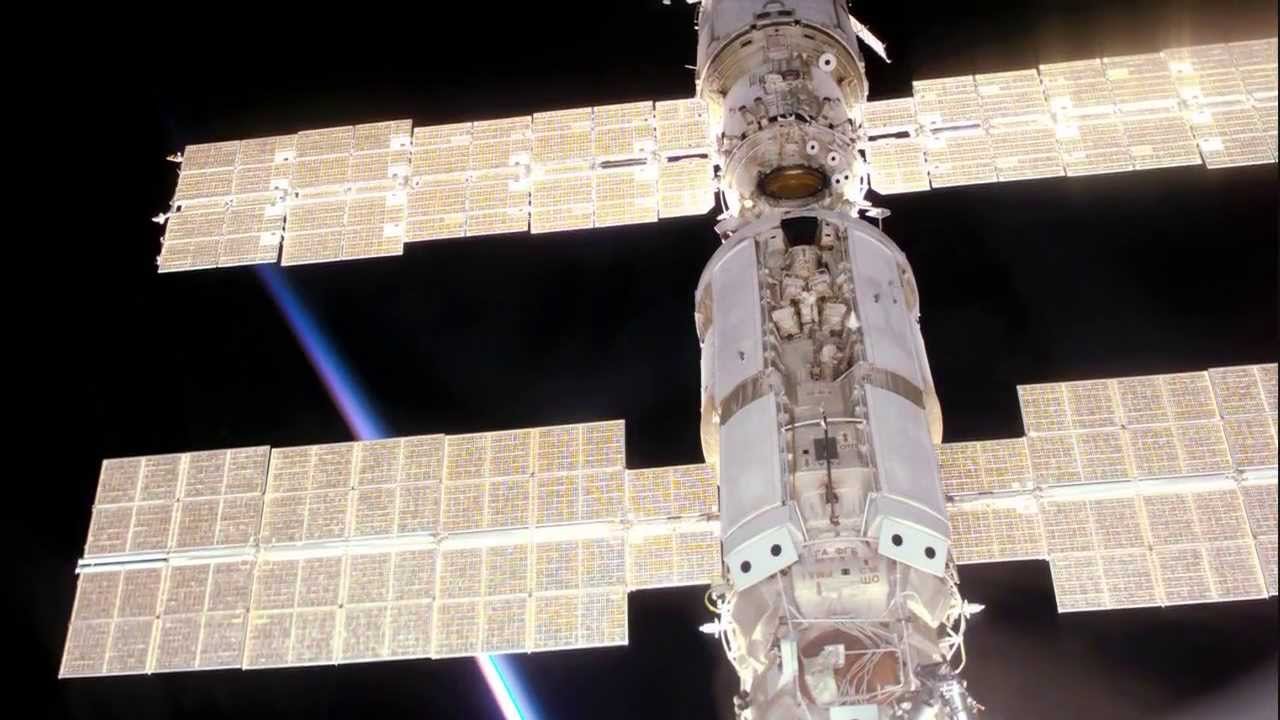
Image source: YouTube / NASAinnovation (YouTube thumbnail (fair-use with source credit))
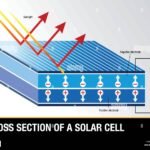
Solar panels are built from silicon photovoltaic cells. They convert light into electricity, but they're tuned to the sun's spectrum. The sun emits broad, continuous light from ultraviolet to infrared, with peak intensity in the visible range.
Silicon cells are most efficient at converting light in the red and near-infrared region (roughly 900, 1100 nanometers).
Incandescent bulbs actually produce a lot of infrared light, that's why they get hot. That infrared overlaps well with silicon's sweet spot. That's why an incandescent bulb charges a panel better than an LED bulb, even if the LED looks brighter to you.
LED bulbs, on the other hand, emit most of their light in narrow peaks: blue (~450nm) and green/yellow (~550nm). Those wavelengths are less effective for silicon cells. A 10W LED might produce similar perceived brightness to a 60W incandescent, but the solar panel will see far less usable energy.
CFL bulbs fall somewhere in between. They contain some red and infrared, but still not as good as incandescent.
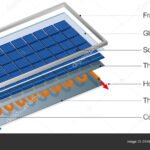
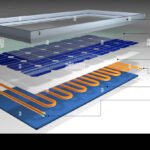
To understand how panels generate electricity from any light source, it helps to know the basics of their internal components.
The Two Biggest Variables That Control Your Outcome
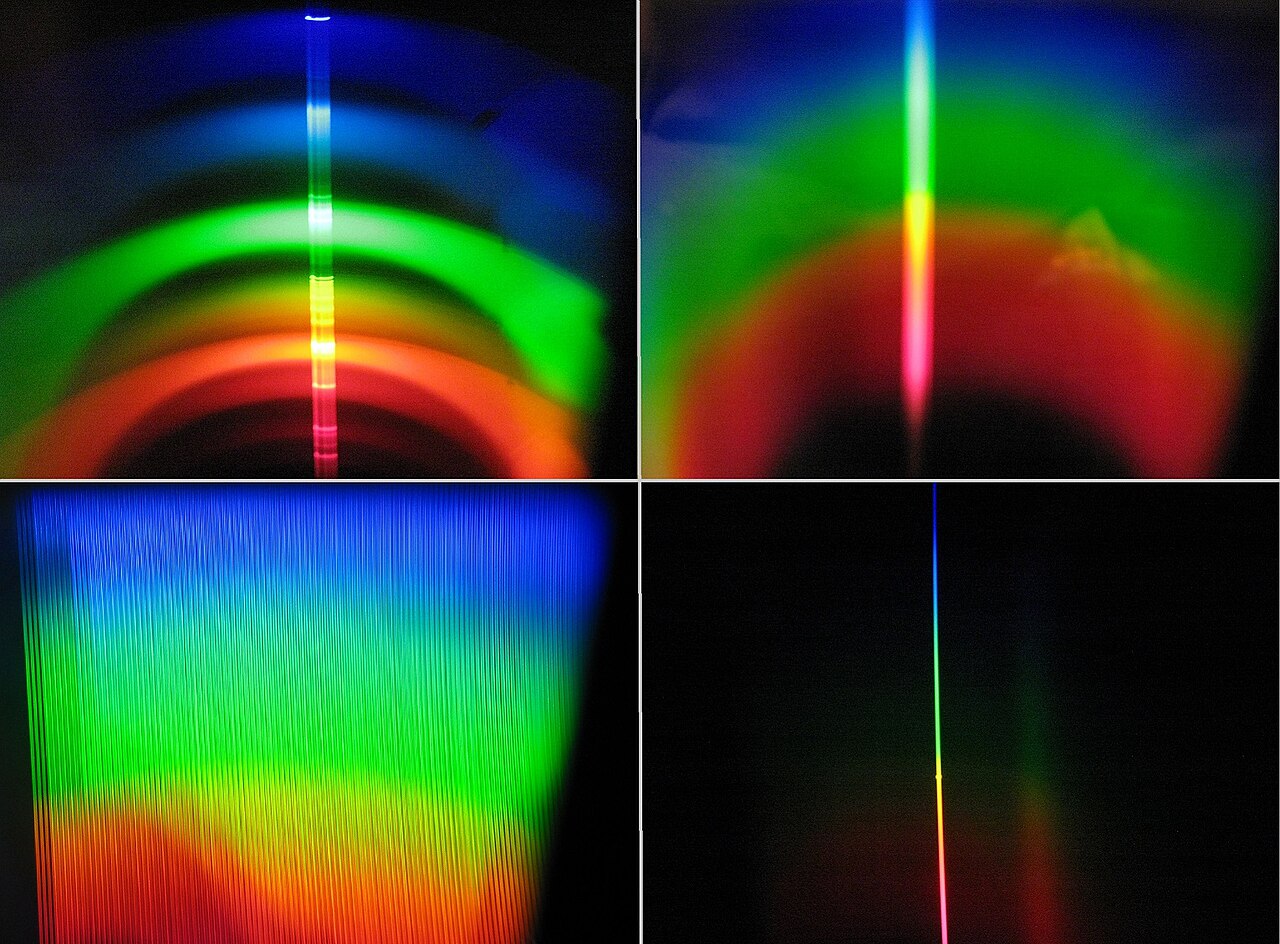
Image source: Wikimedia Commons / Zaereth (CC BY-SA)
Two factors dominate whether your bulb-and-panel setup will actually produce useful current: bulb type and distance. Change either one and your results can swing from “barely reads on a multimeter” to “actually topping off a battery.”
Bulb Type: Incandescent, Halogen, LED, or CFL – Which Actually Works?
Here's a quick comparison based on manufacturer specs and typical performance:
| Bulb Type | Wattage | Relative solar output (vs. incandescent) | Best for charging? |
|---|---|---|---|
| Incandescent | 60–100W | 1.0 (baseline) | Best overall |
| Halogen | 50–75W | 0.8–1.0 (similar spectrum) | Good |
| CFL | 13–23W | 0.3–0.5 | Poor |
| LED (warm white) | 9–12W | 0.2–0.4 | Very poor |
| LED (cool white) | 9–12W | 0.1–0.2 | Worst |
Incandescent and halogen bulbs heat a filament, producing broad-spectrum light rich in infrared. That's what the panel likes. LEDs are efficient for lighting our homes but inefficient for charging panels.
If you must use an LED, choose a “warm white” (2700K, 3000K), it contains a bit more red.
Distance and Angle: The Inverse Square Law in Your Living Room
Light intensity drops off with the square of the distance. Double the distance from bulb to panel, and you get one-quarter the power. That's the inverse square law, and it's brutal indoors.
A panel placed 6 inches from a bulb gets roughly four times more power than the same panel at 12 inches. At 24 inches, you get one-sixteenth the power at 6 inches. That's why most people's experiments fail, they set the lamp on the other side of the room and expect results.
Angle matters too. The panel must face the bulb directly. Light hitting the panel at a 45-degree angle reduces output by about 30%.
At 60 degrees, you lose half.
Decision Tree – Start Here
Your goal determines whether this setup is worth the trouble. Follow the branch that matches your situation.
Branch A: You want to charge a small battery (phone, 5Ah SLA) indoors
A 5-watt panel under a 60W incandescent bulb at 12 inches can deliver about 0.3W. For a 5Ah 12V battery (60 watt-hours), that's roughly 200 hours to fully charge. Not practical for daily use.
But if you're just topping off a phone power bank (say 10Wh), you might get a full charge in 30, 40 hours. Only use this as a last resort.
Branch B: You want to trickle-maintain a 12V battery (RV, boat, shed)
This is the most realistic use case. If your battery is already nearly full and you just want to compensate for self-discharge, a 5, 10W panel under a 60W incandescent at close range can supply 10, 50mA. Enough to keep a lead-acid battery healthy over weeks.
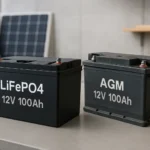
You must use a charge controller to prevent overcharging, especially with lithium batteries.
Branch C: You want to fully charge a large battery bank (camping, off-grid)
Forget it. A 100Ah battery holds 1200Wh. Even with a 100W panel in full sun you need 12+ hours.
Under a bulb, you'd get maybe 1, 2W, that's 600, 1200 hours. Not practical. You need a real solar setup or a generator.
Branch D: You're just testing whether your panel works
This works fine. A multimeter will show open-circuit voltage (Voc) close to the panel's rating under a bright bulb. Short-circuit current (Isc) will be low but measurable.
Good way to confirm your panel isn't dead without waiting for a sunny day.
Real-world examples of different panel configurations can help you choose the right equipment for bigger projects.
What the Numbers Look Like – Real Benchmarks Under a Desk Lamp
Here's a table of typical measurements (manufacturer specs and aggregate user reports) for a 10W polycrystalline panel under a 60W incandescent bulb at various distances:
| Distance | Open-circuit voltage (Voc) | Short-circuit current (Isc) | Estimated power |
|---|---|---|---|
| 6 inches | 20.5V (close to 21.6V rating) | 35mA | 0.7W |
| 12 inches | 19.8V | 18mA | 0.36W |
| 18 inches | 18.2V | 8mA | 0.15W |
| 24 inches | 16.5V | 4mA | 0.07W |
The voltage stays high enough to charge a 12V battery (you need >14V to push current), but the current is tiny. That's why a charge controller might not even wake up, many need at least 50mA to start.
Step-by-Step: How to Set Up a Light Bulb Charging Station
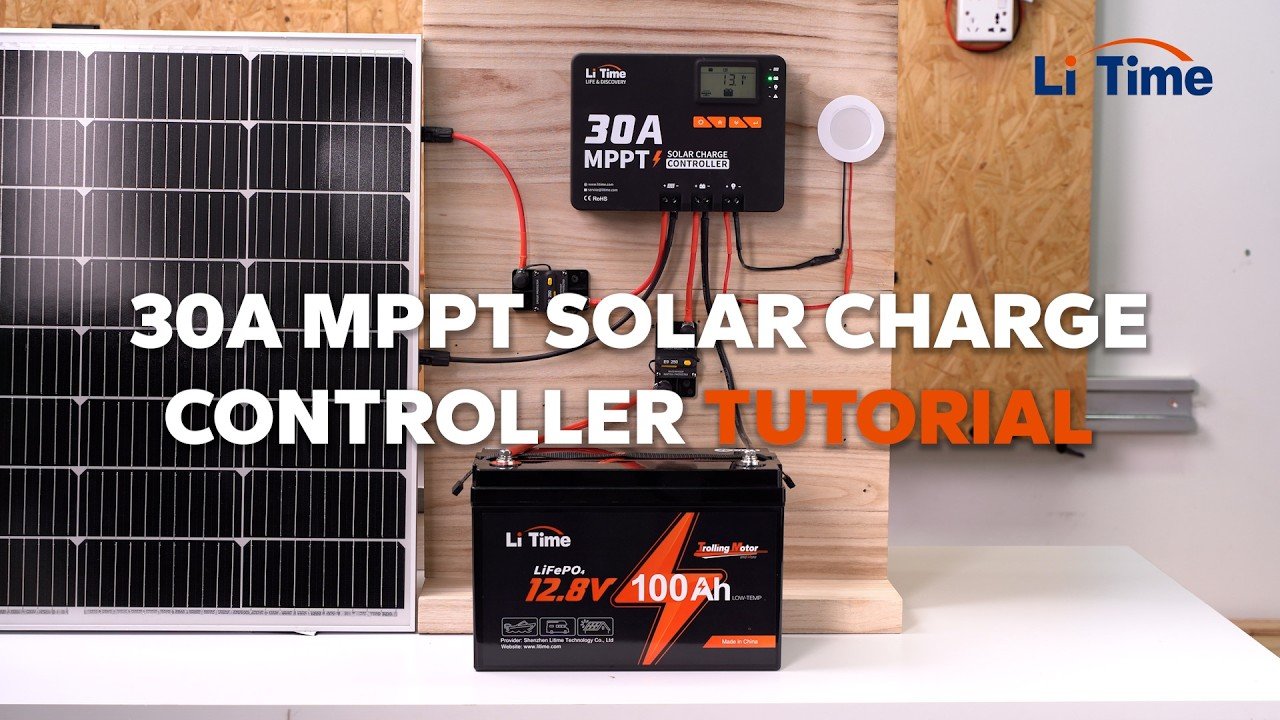
Image source: YouTube / LiTime Power (YouTube thumbnail (fair-use with source credit))
If you decide to try this, follow these steps to get the most out of your setup.
Choosing the Right Bulb and Fixture
Use an incandescent or halogen bulb rated at least 60W. A 100W incandescent is even better. Avoid LEDs.
Use a reflector lamp or a fixture with a shade that focuses light toward the panel. A standard desk lamp works fine.
Positioning the Panel for Maximum Coupling
Place the panel as close as possible without touching the bulb, 4 to 6 inches is ideal. Keep the panel perpendicular to the light. Use books or a stand to angle it.
Cover any gaps around the panel with reflective material (cardboard wrapped in aluminum foil) to bounce stray light back.
Connecting a Charge Controller (and Why You Need One)
If you're charging a battery, use a PWM charge controller. MPPT controllers may not activate at such low currents. A cheap 10A PWM controller will work.
Connect panel to controller, controller to battery. The controller protects against overcharging and reverse current at night.
Measuring Your Results with a Multimeter
Set the multimeter to DC voltage. Measure the panel's voltage in the light. Then switch to DC amps (in series) to see current.
Expect readings in the tens of milliamps. If you see zero, check connections and bulb distance.
Common Mistakes That Kill Your Charging Attempt
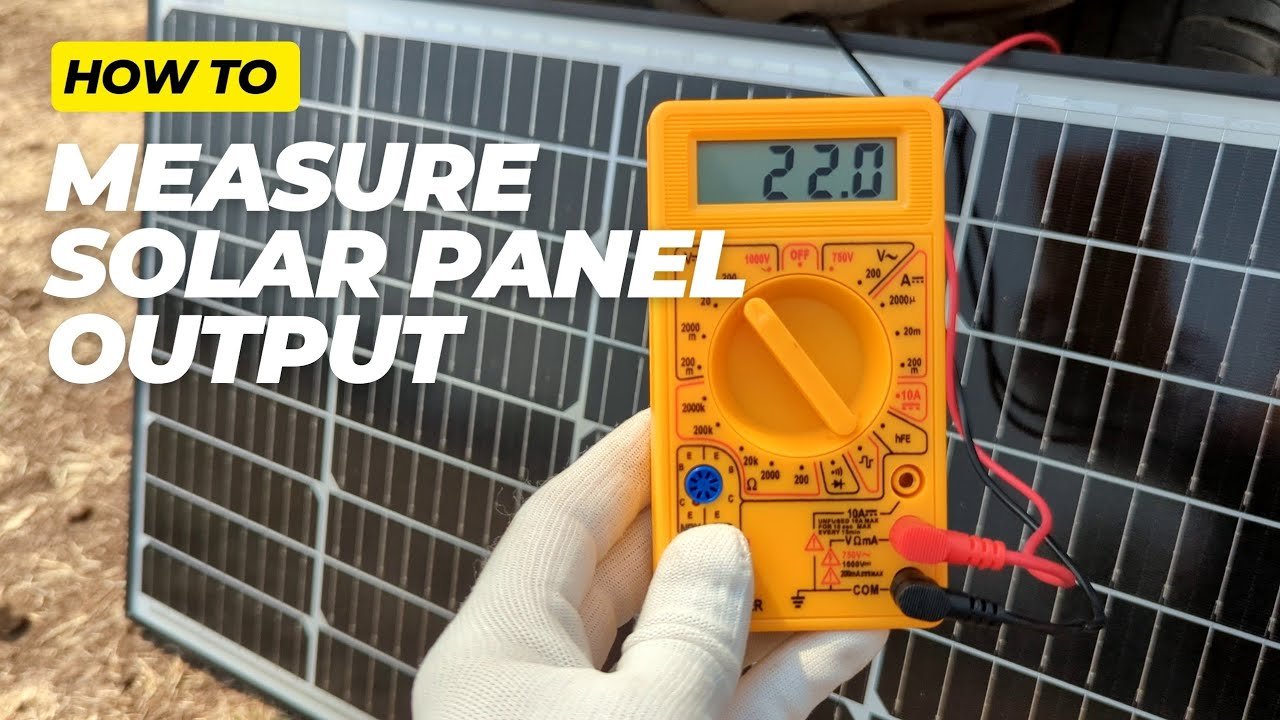
Image source: YouTube / The Gloves Man (YouTube thumbnail (fair-use with source credit))
Using a Low-Wattage LED and Expecting Full Sun Results
The most common error. A 10W LED looks bright but delivers almost no usable infrared. Your panel will read voltage but barely any current.
Always check the bulb type before starting.
Placing the Bulb Too Far Away
Remember the inverse square law. At 3 feet away, you're getting less than 1% of the light at 6 inches. Move the bulb as close as safely possible.
Test with a multimeter to find the best distance.
Ignoring Heat Damage to the Panel or Battery
Incandescent bulbs get hot. A 100W bulb at 4 inches can heat the panel surface above 60°C (140°F). Prolonged heat degrades solar cells and can melt the panel's backsheet.
Keep the bulb at least 4 inches away and monitor temperature. Also, never leave a lead-acid battery on float charge without a controller, it can overheat and vent acid.
When It Actually Makes Sense to Charge from a Light Bulb
Despite the low output, there are a few realistic scenarios:
- Keeping a storage battery topped off. If you have a 12V battery in a cold garage or shed, a small panel under a 60W incandescent can maintain it through winter months.
- Testing a panel before installation. Quick check without dragging equipment outside.
- Educational demonstrations. Science teachers use this to show how PV cells convert light, even artificial light.
- Emergency backup. If the grid is down and you have no sun for days, a few hours under a lamp can give a tiny charge to a phone battery.
Better Alternatives If This Isn’t Working for You
If indoor charging via a light bulb doesn't produce enough power, try these:
- Use a dedicated battery charger. A 2A 12V charger costs less than a quality charge controller and fully charges a battery in a few hours.
- Move the panel to a window. Direct sun through a window (even cloudy) delivers 10, 100 times more power than an indoor bulb.
- Get a larger panel. A 50W panel in a south-facing window can deliver 10, 20W on a sunny day, enough to charge a laptop or small battery bank.
- Use a solar generator. All-in-one units with built-in MPPT and AC charging are more efficient for backup power.
For anyone considering a full off-grid setup, understanding the advantages and disadvantages of each system is essential before buying.
Quick Reference Decision Guide (Cheat Sheet)
| Your goal | Will a light bulb work? | Recommended approach |
|---|---|---|
| Charge a phone | Barely, in many hours | Use a wall charger or power bank |
| Maintain a 12V battery | Yes, with incandescent bulb | 5W panel + PWM controller |
| Fully charge a 100Ah battery | No | Real solar panels in sun |
| Test a panel | Yes | Any bright bulb + multimeter |
| Emergency trickle charge | Possibly | 60W incandescent, close distance |
Frequently Asked Questions
Can a 100W LED charge a 100W solar panel?
No. A 100W LED is bright, but it lacks the infrared wavelengths silicon cells need. You'll get maybe 5, 10W of usable power, and only if the panel is inches away.
The panel's nameplate rating is for full sun, you won't reach 100W indoors.
How long to charge a 12V 7Ah battery under a 60W bulb?
At 12 inches, you get roughly 0.3W. A 7Ah battery at 12V stores 84 watt-hours. That's 280 hours (over 11 days) of continuous light.
Closer distance (4 inches) might cut that to 60, 70 hours. Still not practical for regular use.
Does a red or blue light work better?
Red or warm white light works better than blue. Silicon panels are more efficient at converting red and near-infrared. Blue light (cool white LEDs) is less effective.
Avoid colored stage lights, they're too narrow in spectrum.
Will this damage my solar panel?
The bulb itself won't damage the panel if you keep it far enough to avoid heat. 4, 6 inches from a 60W incandescent is safe. Closer than 4 inches with a halogen bulb can melt the panel's plastic backsheet or degrade the cells over time. Use a fan or check temperature every 10 minutes.

Similar Posts