Solar Panels in Portland: Is It Worth the Cost?

If you're in Portland and have been wondering "are solar panels worth it in Portland," you're not alone. It's the first question every homeowner here asks, and for good reason. This city isn't exactly famous for its blazing sunshine.
But here's the thing: solar panels don't need direct sunlight to work. They produce electricity from daylight, and Portland actually receives a decent amount of annual solar resource. NREL and the US Department of Energy both classify the city as viable for residential solar.
What really determines whether it's worth it for you comes down to a few key factors we'll cover below.
Quick Answer
Yes, solar panels can be worth it in Portland. The average payback period is 8 to 14 years. Your savings depend on roof orientation and energy use.
Federal and state incentives significantly lower the upfront cost. Most homeowners save between $50 and $150 per month.

Image source: Wikimedia Commons / Cboyce89 (CC BY-SA)
Portland's Solar Reality: What the Clouds Actually Mean for Your Panels
Portland gets about 1900 to 2200 peak sun hours per year. That's lower than Phoenix or Denver, but still enough for a well-designed system to produce meaningful power. Modern panels are surprisingly efficient in overcast conditions.
The Pacific Northwest gets more diffuse light than direct sun. Diffuse light still generates electricity, just at a lower rate. On a cloudy winter day, you might produce 10 to 25 percent of your summer output.
That's normal, and net metering helps balance the difference across months.
Your roof matters a lot here. South facing panels get the most total production. West facing panels can capture late afternoon sun, which is valuable under time of use rates with PGE.
East facing works too, but you'll produce less overall.
Image source: YouTube / KPTV FOX 12
To give you a sense of scale, a typical 6 kW system in Portland generates around 7,200 to 8,400 kWh per year. That's enough to cover most of an average household's electricity use. Your actual production depends on your roof's orientation, tilt, and shade.
If you're curious about how panels actually turn sunlight into electricity, you can read our full explanation on that. It helps to understand why cloudy days still contribute power.
The Real Numbers: Upfront Costs, Federal ITC, Oregon Tax Credits, and Payback
Let's talk dollars. Before incentives, a typical Portland solar installation runs $2.80 to $3.50 per watt. For a 6 kW system, that's $16,800 to $21,000.
The total you actually pay is lower after you factor in the credits.
The federal Investment Tax Credit gives you 30 percent of the system cost back on your taxes. That's a dollar for dollar reduction in what you owe. No cap.
On a $19,000 system, you get back $5,700.
Oregon offers a state tax credit for solar. As of 2026, it's up to $2,500 for a residential system. You claim this on your Oregon state return.
Combined with the federal credit, your out-of-pocket cost drops significantly.
Here's a quick breakdown for a typical 6 kW system:
| Cost item | Amount |
|---|---|
| System cost (before incentives) | $19,000 |
| Federal ITC (30%) | -$5,700 |
| Oregon state tax credit (max) | -$2,500 |
| Estimated net cost | $10,800 |
| Annual savings (estimate) | $900 to $1,800 |
| Payback period | 8 to 14 years |
Image source: YouTube / Green Power Energy
Your payback period depends heavily on your electricity rate and how much of your own power you use. The more you offset from PGE or Pacific Power, the faster you break even.
We cover the overall pros and cons of solar in more detail elsewhere. For Portland specifically, the combination of federal and state incentives makes a huge difference in whether the math works.
How Net Metering Works with PGE and Pacific Power (And Why It's Critical)
Net metering is what makes solar financially viable in Portland. When your panels produce more than you're using, the excess flows back to the grid. Your meter spins backward, and you earn credits.
PGE and Pacific Power both offer net metering. Here's how it works in practice. During long summer days, you build up a credit balance.
In winter, when production drops, you draw on those credits. At the end of the year, any leftover credits get cashed out at a wholesale rate.
The key rule: you must keep your system connected to the grid to use net metering. Off grid solar requires batteries and changes the math entirely. Most Portland homeowners stay grid tied and use net metering to balance their bills.
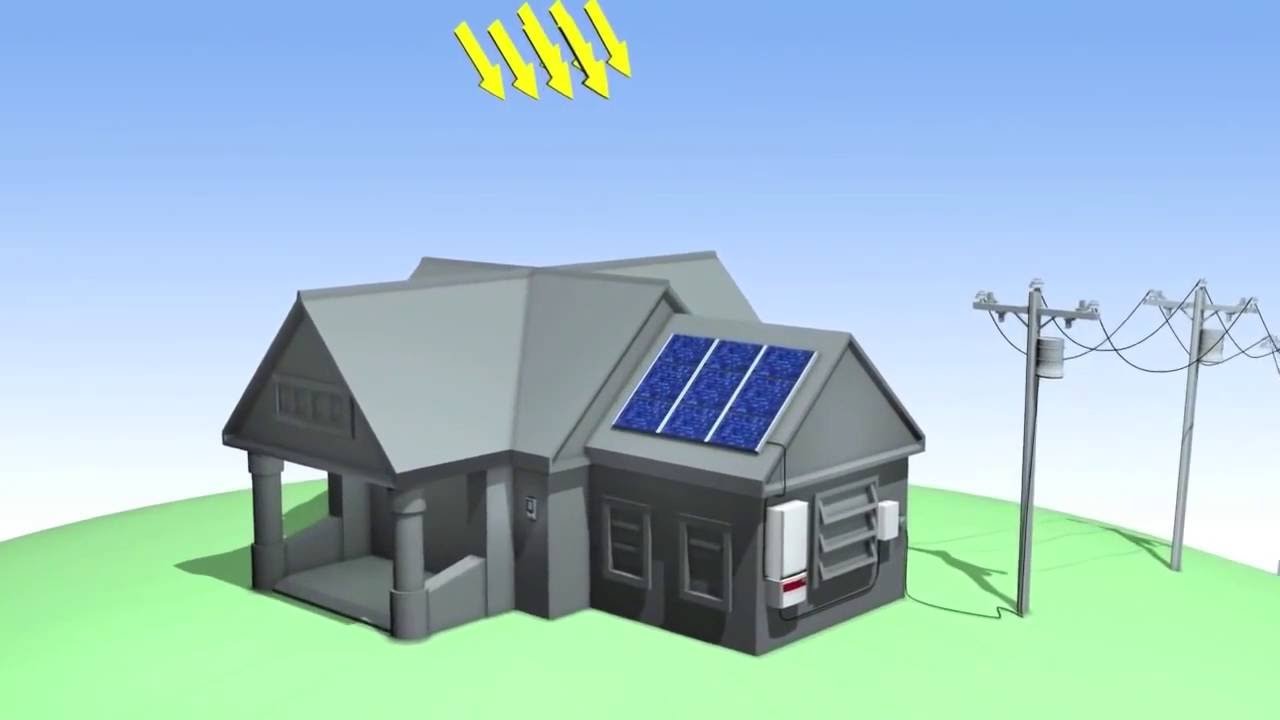
Image source: YouTube / MaXolar Energy
One thing to watch for: net metering rules can change. Oregon's current policy is stable through 2026, but keep an eye on utility rate cases. If the credit rate drops, payback periods could stretch longer.
The Oregon Department of Energy recommends locking in your system sooner than later if you're serious about going solar. They track policy changes closely on their official site.
If you want a deeper understanding of all the main components in a solar panel system, our breakdown covers inverters, racking, and monitoring.
Who Solar Is Actually Worth It For in Portland (And Who Should Wait)
Not every home in Portland is a good fit for solar. Here's how to know which camp you fall into.
You're a good candidate if:
- Your roof faces south, west, or a combination of both
- Your roof gets little to no shade between 9 am and 3 pm
- Your roof is in good condition with at least 15 years of life left
- You pay more than $0.10 per kWh for electricity
- You plan to stay in your home for at least 8 to 10 years
You should wait if:
- Your roof needs replacement within 5 years (replace it first)
- Tall trees cover most of your roof year round
- You plan to move within 5 years
- Your home is served by a utility with unfavorable net metering rules (most Portland homes are fine)
- Your monthly electric bill is under $50
Battery storage is an optional add on for Portland homes. The city doesn't get many long power outages, so batteries don't pay back the way they do in wildfire prone areas. If you're on time of use rates with PGE and want to shift your usage, a small battery might make sense.
But the math is still tight in 2026.
Choosing between different panel technologies is an important part of the process. Our buying guide walks through what to look for when comparing quotes from local installers.
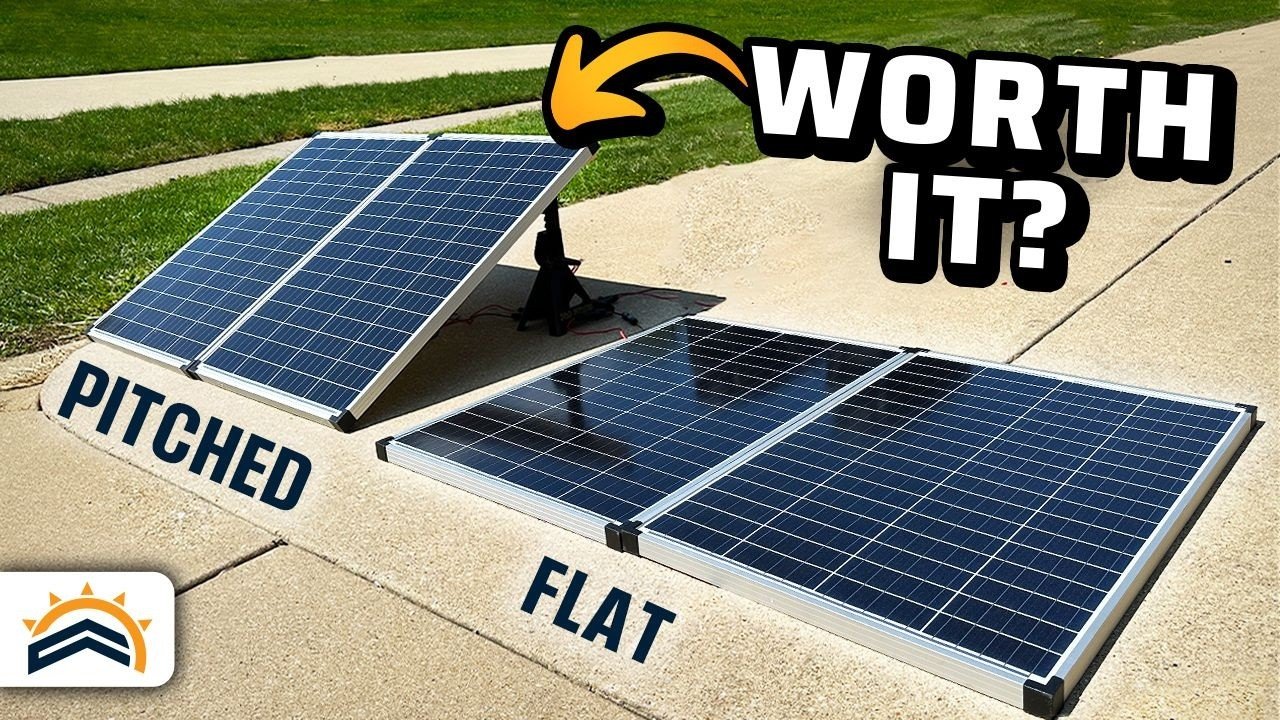
Image source: YouTube / Everyday Solar (YouTube thumbnail (fair-use with source credit))

Similar Posts