Are Solar Panels Worth It in Pittsburgh?
Yes, solar panels can be worth it in Pittsburgh for the right home. The average payback period runs 10 to 15 years. You'll save roughly $10,000 to $25,000 over 25 years after federal tax credits and Pennsylvania SRECs.
But your results depend on roof age, shading, electric bill size, and installer quality. This piece walks you through every number so you can decide.
Why Accuracy Here Is Non-Negotiable – Your Money Is on the Line
Dropping $15,000 to $25,000 on rooftop solar isn't a small bet. One wrong assumption about your roof's condition or the local utility's net metering policy can turn a smart investment into a headache. In Pittsburgh the stakes are even higher because our cloudy climate and older housing stock throw extra variables into the mix.
A generic online calculator that uses national averages will tell you solar pays off in seven years. That's not true here. You need local irradiance data, your exact electric bill, and a real estimate of shading from those beautiful but problematic mature trees.
Our research shows that getting these numbers wrong is the number one reason Pittsburgh homeowners regret their installation.
Image 1 here would show a typical Pittsburgh rooftop with panels, note the chimney and dormer shading common in older homes.
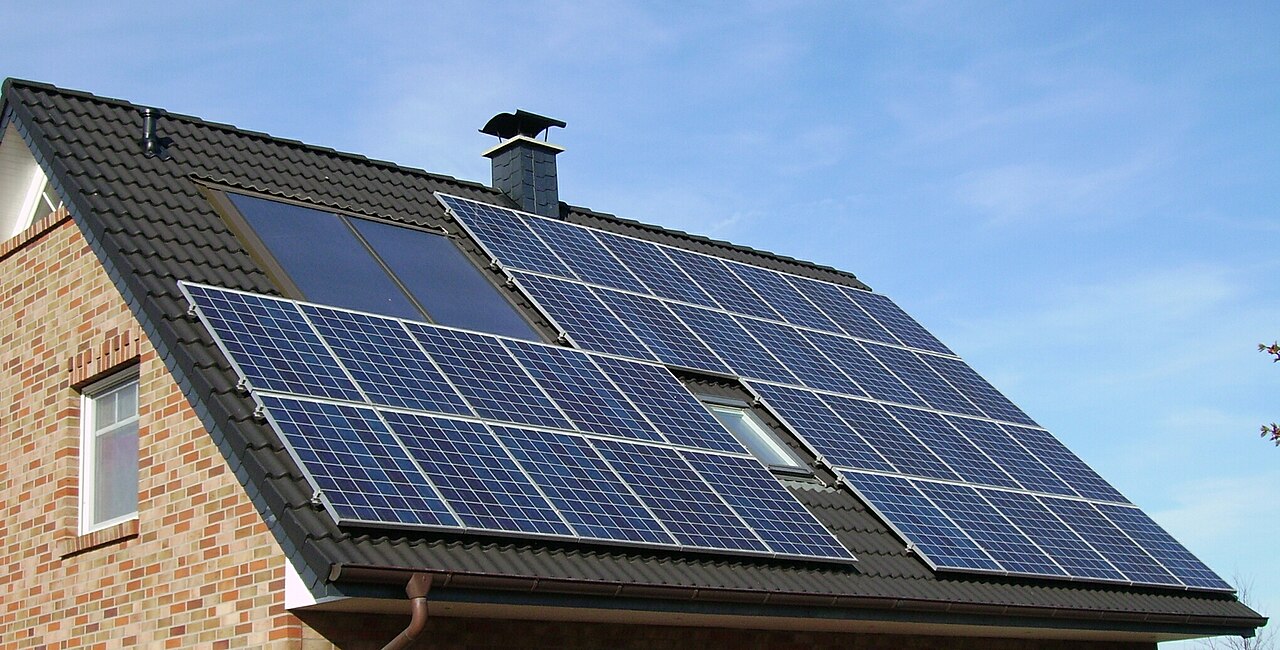
Image source: Wikimedia Commons / Pujanak
Before you sign a contract, understand exactly what you're paying for and how the math works. That starts with real data.
First, the Real Numbers: Pittsburgh Sunlight, Electric Bills, and Payback Math
Pittsburgh gets about 3.8 peak sun hours per day on average. That's below the national average of 4.5. Fewer sun hours mean you need more panels to produce the same energy as someone in Phoenix.
It also means your payback is longer.
A typical Pittsburgh home uses about 10,000 kWh per year. At Duquesne Light's current rate of roughly $0.13 per kWh, that's an annual electric bill of $1,300. To offset that with solar, you'd need a system around 7 kilowatts in size.
That's about 18 panels assuming 400-watt modules.
Here's a realistic cost breakdown for a 7 kW system in Pittsburgh:
| Item | Amount |
|---|---|
| Gross system cost (before incentives) | $21,000 ($3.00/watt) |
| Federal tax credit (30%) | -$6,300 |
| Estimated net cost | $14,700 |
| Annual electric savings (10,000 kWh x $0.13) | $1,300 |
| Annual SREC income (7–10 credits x $40) | $280–$400 |
| Total first‑year benefit | ~$1,580–$1,700 |
Simple payback on net cost alone: about 9 to 10 years if you count SRECs and rate increases. But that assumes no degradation, no inverter replacement, and no roof repairs. Real-world payback typically lands between 11 and 15 years.
If your electric bill is lower, say $100 per month, the math gets worse. If you have high summer air conditioning costs, it improves. The key is running your own numbers, not trusting a sales rep's spreadsheet.
The U.S. Department of Energy's PVWatts calculator is a free, reliable tool for that.
The Federal Tax Credit and Pennsylvania SRECs – What They Actually Put in Your Pocket
The federal Investment Tax Credit (ITC) stays at 30% through 2032. That's the single biggest incentive. It's a dollar‑for‑dollar reduction on your federal income tax.
If you owe $6,000 and your credit is $6,300, you get the $300 back as a refund. You must have enough tax liability to claim the full amount.
Pennsylvania SRECs (Solar Renewable Energy Credits) are the second piece. Every time your system generates 1,000 kWh (one megawatt‑hour), you earn one SREC. You then sell that credit on an open market to utilities that need to meet renewable energy targets.
As of early 2026, PA SRECs trade around $35 to $50 each.
A 7 kW system in Pittsburgh will generate about 8,000 to 9,000 kWh per year. That's 8 to 9 SRECs annually. Multiply by $40 average and you pocket roughly $320 to $360 per year.
That's real money, but it's not guaranteed, SREC prices have dropped to near zero in some states and could go lower here.
The combination of federal tax credit plus SREC income can shave two to four years off your payback. But don't budget for future SREC income like it's a sure thing. The market is volatile.
Duquesne Light Net Metering: How It Works Now and What Could Change
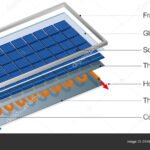
Net metering is the arrangement that lets you sell excess solar power back to the grid in exchange for credits. Duquesne Light currently offers full retail net metering. That means every kilowatt-hour you send to the grid gets credited at the same price you pay to buy electricity.

Image source: Wikimedia Commons / Apteva
That's good. But there's a catch. You only get credits for excess generation month‑by‑month.
At the end of each billing cycle, any unused credits roll forward. At the end of the year, Duquesne Light pays you for remaining credits at a lower "avoided cost" rate, roughly 2 to 4 cents per kWh. So it's not true 1:1 annual settlement.
This matters because Pittsburgh winters are cloudy. You'll produce much less power from November through February. Your excess summer credits may not fully cover your winter deficit.
If your system is sized to offset 100% of your annual usage, you'll likely still owe a small winter bill.
The bigger risk is policy change. Several states have already moved from retail net metering to lower buyback rates. Pennsylvania could do the same.
If that happens, your payback could stretch significantly. No one can predict when or if, but it's a risk worth knowing.
The Hidden Costs No One Warns You About (Roof Age, Shading, Inverter Replacement)
The most overlooked cost is roof condition. In Pittsburgh, many homes have asphalt shingle roofs that are 15 to 20 years old. Installing solar on a roof that needs replacement in five years means you'll pay twice: first for the solar install, then for the tear-off and reinstall.
Some installers offer to remove and replace panels for $1,500 to $2,500, but that's not always included.
Image source: YouTube / Pasat Roofing and Solar Energy (YouTube thumbnail (fair-use with source credit))
Shading is the second hidden cost. A single tree limb that casts afternoon shade over one panel can reduce your system's output by 15% or more. That's because panels in a string are only as strong as the weakest link.
Microinverters or power optimizers help, but they add $500 to $1,500 to the system cost.
Inverter replacement is the third. Most string inverters last 10 to 12 years. Plan on spending $1,500 to $2,500 to replace yours around year 12.
If you skip that budget line, your system will stop producing usable power long before the panels themselves wear out.
Finally, there's snow. Pittsburgh averages 40 inches of snow per year. Most snow slides off tilted panels within a day or two, but deep drifts can block production for a week.
That eats into winter savings. It's not a dealbreaker, but it's real.
Factor these costs into your payback calculation. They can easily add two to three years to the breakeven point.
The Payback Calculator: 10 Years, 12 Years, or Never?
Running your own numbers is the only way to know whether solar makes sense for your home. Start with your actual annual electric bill. Not an estimate.
Pull your last 12 months of Duquesne Light statements and total the kWh used and dollars paid.
Multiply that total by 0.75. That's your likely solar offset. Most Pittsburgh systems cover 75 to 85 percent of annual usage.
You'll still draw from the grid on cloudy days and during winter.
Now add in the roof and inverter costs we covered earlier. If your roof needs replacement within five years, add $2,000 to $3,000 for panel removal and reinstall. If you're near year 10 on your string inverter, add $2,000 for that eventual replacement.
Then apply the 30 percent federal tax credit to your gross system cost. Subtract your annual SREC income, roughly $40 per MWh generated. Divide your net cost by your annual electric savings plus SREC income.
That gives you a simple payback in years.
Here's a realistic scenario for a 7 kW system in Pittsburgh:
| Factor | Value |
|---|---|
| Gross cost | $21,000 |
| Federal tax credit (30%) | -$6,300 |
| Roof condition good | $0 extra |
| Inverter replacement at year 12 | $2,000 |
| Net system cost | $16,700 ($21k – $6.3k + $2k) |
| Annual electric savings | $1,300 |
| Annual SREC income | $360 |
| Total first-year benefit | $1,660 |
| Simple payback | 10.1 years |
If your roof needs a $3,000 tear-off and reinstall at year 5, add that. Your payback jumps to 11.3 years. If you face heavy tree shading and need microinverters, add another $1,000.
Payback stretches to 12.5 years.
Anything beyond 15 years is probably not worth it. Panels degrade about 0.5 percent per year. After 20 years, they're producing 10 percent less power.
Your savings shrink accordingly.
When Solar Is a Bad Bet in Pittsburgh (and You Should Walk Away)
Solar isn't right for every Pittsburgh home. In fact, there are several red flags that should make you pause or walk away entirely.
Your roof is old or shaded. If your asphalt shingles have less than 10 years of life left, don't put panels on them. You'll pay to remove and reinstall them soon.
If your roof has mature trees casting shade from mid-morning through late afternoon, your production drops dramatically. Even a single large oak on the south side can cut output by 20 to 30 percent.
You plan to move within five years. Solar panels can add resale value, but it's a slow process. Buyers in Pittsburgh aren't yet clamoring for solar-equipped homes.
If you sell before you've recouped your investment, you'll lose money.
Your electric bill is under $100 per month. The fixed costs of installation and inverter replacement eat up too much of your savings. A $100 monthly bill means annual savings of roughly $900.
At a net system cost of $15,000, you're looking at a 16-year payback before inflation.
You're in a historic district with strict zoning. Parts of Pittsburgh like the North Side, Shadyside, and Squirrel Hill have historic overlay districts. HOAs or local boards may limit where you can place panels.
Check before you sign anything.
You're financing the system with a high-interest loan. Solar loans often carry rates from 6 to 12 percent. At 10 percent APR, your monthly payment may exceed your electric savings for the first several years.
You end up paying more than you save.
When Solar Actually Makes Sense (and What That Looks Like)
Now for the good news. For the right Pittsburgh homeowner, solar is a solid investment. Here's who it works for.
Your home faces south or southwest with minimal shade. You have a roof that's less than 10 years old or you're re-roofing soon anyway. Your annual electric bill exceeds $1,500, so you have room to save.
You plan to stay in the home for at least 10 years.
That scenario describes many homes in the South Hills and eastern suburbs. Monroe, Penn Hills, and Fox Chapel all have neighborhoods with clear south-facing roofs and mature trees that have been trimmed back. If that's you, the math gets attractive.
Here's a real example. A 6 kW system on a south-facing home in Mount Lebanon with no shade. Gross cost $18,000.
Federal credit reduces it to $12,600. Annual electric savings of $1,100 plus $300 in SRECs. Simple payback at 9.3 years.
Over 25 years, total savings after payback: roughly $18,000.
That's real money. And it's money you earn while doing something good for the environment.
A key point: solar makes more sense if you combine it with a roof replacement. The labor to remove and reinstall panels is covered by the roofing project. You get a single permit, a single contractor, and no double handling.
The added cost of solar on a new roof can be as low as $2,500 to $3,000 above the roof replacement itself.
How to Vet an Installer Without Getting Burned
Your installer choice matters more than the panel brand or inverter model. A bad install can kill your savings. A good one makes the system hum for decades.
Start by getting three to five quotes. Not one. Every Pittsburgh installer prices differently.
We've seen variation of $4,000 on the same system size. Use a site like EnergySage or just call local companies directly.
Ask each installer for their current PA license number and proof of general liability insurance. Then check their Better Business Bureau rating and read recent Google reviews. Look for complaints about roof leaks, poor communication, or systems that underperform.
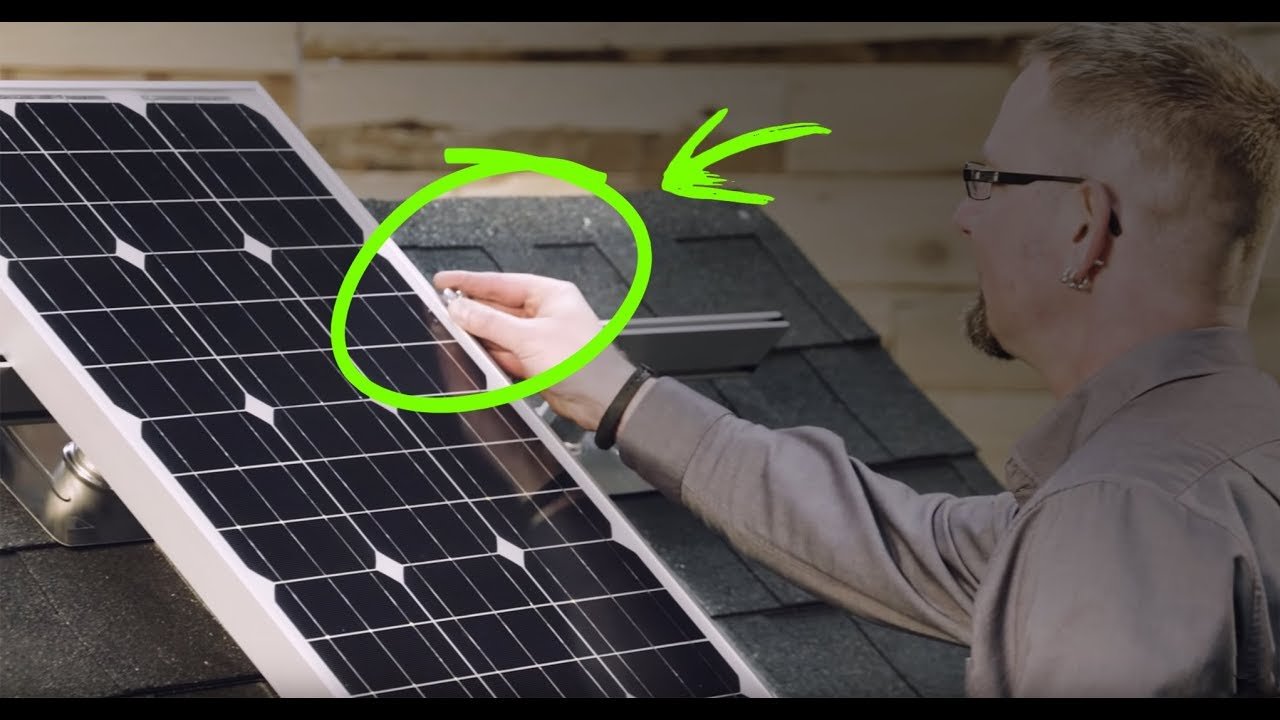
Image source: YouTube / Unbound Solar (YouTube thumbnail (fair-use with source credit))
Compare the equipment they propose. You want high-efficiency panels from tier-one manufacturers like REC, Qcells, or Canadian Solar. Inverters should be Enphase microinverters or SolarEdge optimizers.
Cheap panels from no-name brands degrade faster and void warranties.
Ask about the production guarantee. Reputable installers offer a 25-year performance guarantee that pays you if output drops below a threshold. If they won't put it in writing, walk.
Check their experience with Duquesne Light interconnection. Some installers are faster and smoother with the paperwork. Ask for references from homes near you that were installed in the last two years.
Finally, read the contract carefully. Watch for automatic escalators in the price. Watch for "exclusions" like roof repair, tree trimming, or electrical panel upgrades.
Those can add $1,000 to $3,000 after you sign.
The Battery Question – Worth It in Cloudy Pittsburgh?
A battery adds backup power and lets you store excess solar energy. But it also adds $7,000 to $15,000 to your system cost. In Pittsburgh, the value proposition is mixed.
During summer, a battery can charge from your panels during the day and power your home at night. That reduces grid draw and saves you money. But in winter when solar production is low, the battery may not fully charge.
You're still buying grid power.
The main reason to get a battery in Pittsburgh is backup power during outages. Duquesne Light has a relatively reliable grid, but severe storms can knock out power for days. A battery like the Tesla Powerwall or Enphase Encharge can keep your fridge, internet, and a few lights running.
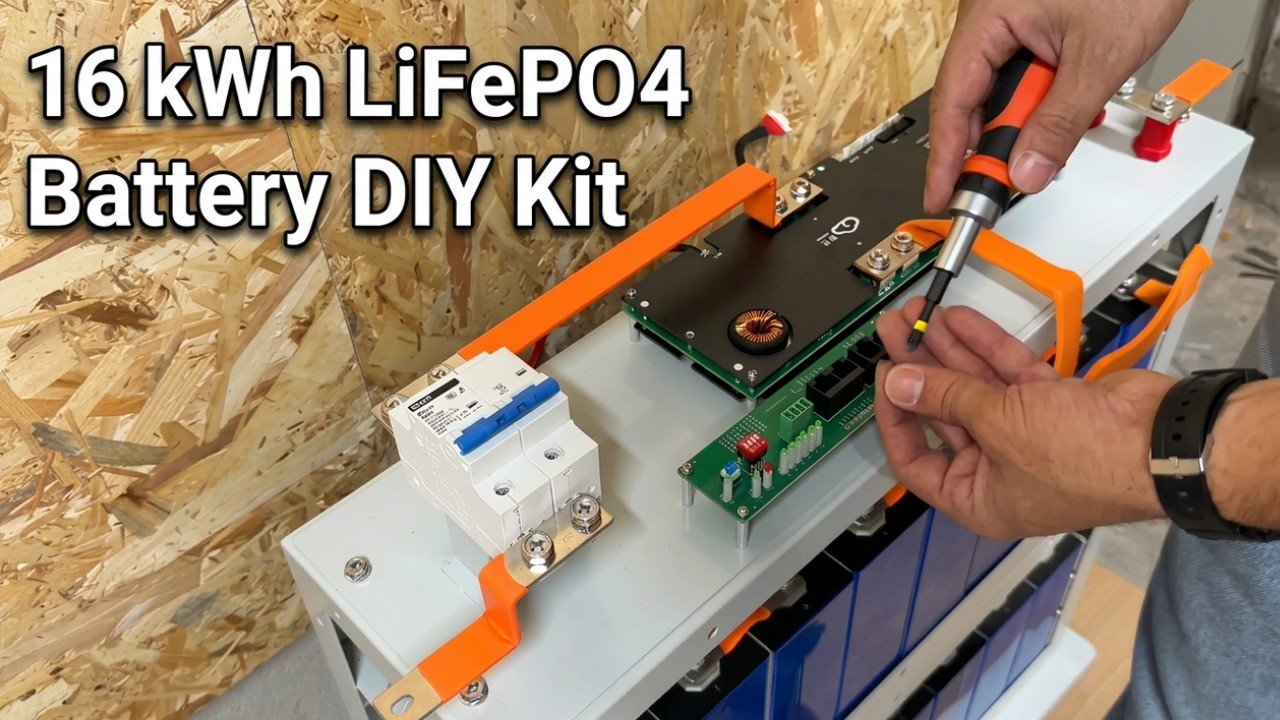
Image source: YouTube / inventor KR (YouTube thumbnail (fair-use with source credit))
The math on battery payback is poor. A $10,000 battery plus installation adds about 7 to 10 years to your payback. You'll never recoup that investment from energy savings alone.
You're paying for peace of mind and resilience.
If you're in an area with frequent outages or you have medical equipment that needs power, a battery makes sense. For most Pittsburgh homeowners, it's a luxury, not a necessity. You can always add a battery later.
Panels and inverters are the core investment. Start there.
A Final Honest Checklist Before You Sign Anything
You've run the numbers, weighed the pros and cons, and studied the hidden costs. Now it's time to make a decision. Use this checklist to confirm you're ready.
- Your roof is less than 10 years old or you're replacing it within the next year.
- Your roof faces south, southwest, or has an east‑west split with minimal shading.
- Your annual electric bill is above $1,200 (about $100 per month minimum).
- You plan to stay in your home for at least 8 to 10 more years.
- You have room in your budget for inverter replacement around year 12.
- You've obtained at least three quotes from licensed, insured Pittsburgh installers.
- You've checked your property for historic district or HOA restrictions.
- You understand that SREC income is variable and not guaranteed.
- You've verified your installer offers a 25‑year production guarantee.
- You've read the full contract including all exclusions and escalation clauses.
If you check every box, solar is likely a solid investment for your Pittsburgh home. If you're missing two or more, step back and reconsider. A good deal today could turn sour if a key variable changes.
Frequently Asked Questions
How long do solar panels last in Pittsburgh's climate?
High‑quality panels from tier‑one manufacturers are rated for 25 to 30 years. Performance warranties guarantee at least 80 percent output after 25 years. Pittsburgh's freeze‑thaw cycles are manageable because panels are tested for thermal stress.
Snow and rain actually help keep them clean.
Do I need to clean my solar panels in Pittsburgh?
Rain does most of the work. In Pittsburgh's wet climate, you may never need to clean panels manually. If you notice a visible dust layer or bird droppings after a dry spell, a gentle rinse with a garden hose at ground level is sufficient.
Avoid abrasive brushes and pressure washers that can damage the glass.
Will solar work during Pittsburgh's cloudy winters?
Yes, but production drops significantly. Your system will generate 30 to 50 percent less from November through February. That's why net metering credits from summer production are critical.
A 7 kW system might produce 700 kWh in June but only 250 kWh in December. You'll still draw from the grid, but your annual net bill should be near zero if sized correctly.
How much does it cost to remove solar panels for roof replacement?
Expect to pay $1,500 to $3,000 for a professional removal and reinstall. That assumes the panels and racking are in good condition. If your roof needs replacement before the panels are paid off, factor this into your payback calculation.
It's one of the most common hidden costs.
Can I install solar myself to save money in Pittsburgh?
DIY solar is not recommended for grid‑tied systems in Pittsburgh. Duquesne Light requires a licensed electrician to handle the interconnection. The city building permit process is strict.
Mistakes can void warranties, cause roof leaks, or create electrical hazards. The few thousand dollars you'd save aren't worth the risk.
Are solar panels worth it for renters in Pittsburgh?
Renters cannot typically install solar on a property they don't own. Community solar programs are available in Pennsylvania but limited in Pittsburgh. You can purchase renewable energy certificates (RECs) through your utility to offset your usage without installing panels.
That's a simpler option for renters.

Similar Posts