Are Solar Panels Worth It in Massachusetts?
If you’ve been typing “are solar panels worth it in massachusetts” into your search bar, you’re probably staring at a confusing mix of glowing reviews and complicated numbers. One neighbor says they’re saving hundreds a month. Another says they’re still waiting to break even.
Which one is right?
Our research shows the answer depends on a few key factors that are very specific to your home. Massachusetts has some of the highest electricity rates in the country, averaging around $0.30 per kilowatt-hour, which is a strong starting point. But the real story is in the combination of net metering, the SMART program, and SRECs.
Let’s walk through what actually makes the math work.

Image source: Wikimedia Commons / Gray Watson User:E090 (CC BY-SA)
Quick Answer
Solar panels are worth it in Massachusetts for most homeowners who stay put. High electricity rates and strong state incentives drive the savings. The typical payback period is 6 to 10 years.
Your specific situation changes the answer. The next sections will help you figure it out.
Problem / Pain Point: Why “Is Solar Worth It in Massachusetts?” Is Tricky to Answer
The hardest part about going solar in Massachusetts isn’t the technology. It’s the uncertainty. You’re trying to predict how much you’ll save over 20 or 25 years, and that depends on a dozen moving parts.
Your roof might be shaded. Your electric bill might be low. Your utility might have a waitlist for net metering.
And the incentives keep changing. The SMART program has different rates depending on when you apply. SREC prices fluctuate on the open market.
Even the federal tax credit is only guaranteed at 30% through 2032.
So it’s not a simple yes or no. It’s a “it depends” that actually requires a little homework. The good news is that the homework is straightforward.
You just need to check four things.
Core Explanation: How Solar Works in Massachusetts (Incentives & Rules)
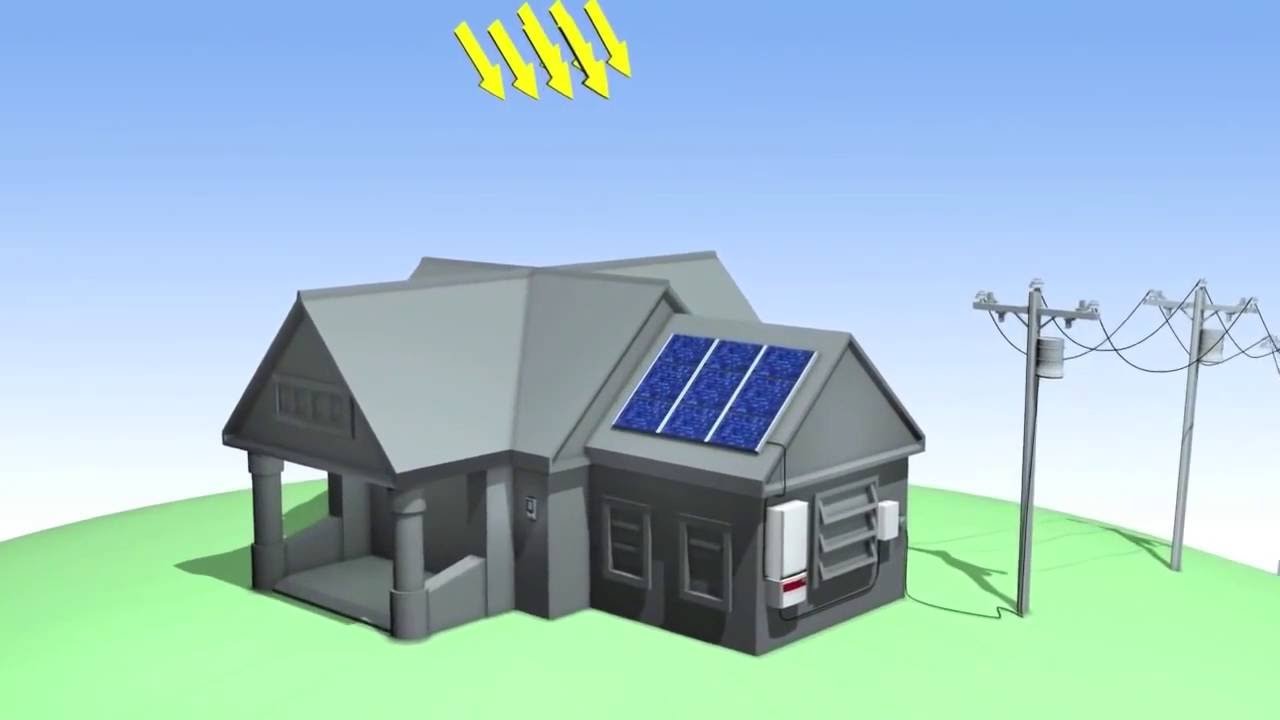
Before you can decide if solar is worth it, you need to know how the money flows. Massachusetts has three main incentive layers that stack on top of each other. Together, they make solar much more affordable than in most other states.
The Three Layers of Savings: Net Metering, SMART, and SRECs
| Incentive Layer | What It Does | Typical Value |
|---|---|---|
| Net Metering | Credits you at the retail rate for excess power sent to the grid | ~$0.30/kWh (varies by utility) |
| SMART Program | Pays you a fixed rate per kWh for 10 years | $0.02–$0.12/kWh (depends on tier) |
| SRECs (Solar Renewable Energy Certificates) | Certificates sold on the open market | $150–$300 each (one per 1,000 kWh) |
Let’s break each one down.
How Massachusetts Net Metering Actually Works
Net metering is the biggest reason solar makes sense in Massachusetts. When your panels produce more electricity than you’re using, the extra power flows back to the grid. Your utility credits you for that power at the full retail rate, the same rate you pay when you buy electricity from them.
This is a big deal. In most states, the credit is lower than the retail rate. But in Massachusetts, you get dollar-for-dollar credit.
You can bank those credits and use them later, like during winter months when your panels produce less.
The catch is that net metering has a cap. Each utility can only accept a certain amount of solar capacity. As of 2026, some utilities are close to that cap.
If the cap is full in your area, you might have to join a waitlist or get a lower rate. Check with your utility before you sign anything.
The SMART Program: What You Get Paid Per kWh
The SMART program is a state incentive that pays you a fixed amount for every kilowatt-hour your system produces. The payment is fixed for 10 years, so you know exactly what you’ll get. The rate depends on your utility and the size of your system.
Smaller systems usually get a higher rate per kWh.
You can check the current SMART rates on the Massachusetts Department of Energy Resources website. They update the rates periodically, so make sure you’re looking at the latest numbers.
Image source: YouTube / MaXolar Energy (YouTube thumbnail (fair-use with source credit))
Decision Tree: The 4 Questions That Tell You If Solar Is Worth It
Here’s where we turn the complexity into a simple decision process. Answer these four questions honestly. Each one will either push you toward solar or tell you to wait.
Question 1: Do You Own Your Roof and Plan to Stay 5+ Years?
If you rent or plan to move in the next 3 years, solar is probably not worth it. The upfront cost takes time to recover. Most homeowners break even in 6 to 10 years.
If you leave before then, you might not recoup your investment.
If you own your home and plan to stay for 5 years or more, move to Question 2.
Question 2: Is Your Roof Sunny, Unshaded, and in Good Condition?
Your roof needs to face south, southwest, or southeast for the best production. East and west still work, but you’ll get less output. North-facing roofs are usually not worth it.
Check for shade from trees, chimneys, or nearby buildings. Even partial shade can cut your production significantly. If your roof is more than 15 years old, you might need to replace it before installing solar.
The panels last 25 to 30 years, so you don’t want to install them on a roof that will need replacing in 5 years.
If your roof checks out, move to Question 3.
Question 3: Do You Have a High Electric Bill ($100+/Month)?
Solar saves you money by offsetting what you pay for electricity. If your bill is low, the savings are small. A typical Massachusetts household spends about $120 to $180 per month on electricity.
If you’re paying $100 or more, solar can make a real difference.
If your bill is under $50 a month, you might be better off focusing on energy efficiency first. Insulation, air sealing, and efficient appliances can give you a faster return.
If you have a high bill, move to Question 4.
Question 4: Can You Pay Cash or Get a Good Solar Loan?
The best return comes from paying cash. You avoid interest and get the full benefit of the federal tax credit. But not everyone has $15,000 to $25,000 sitting around.
Solar loans are a good alternative. Look for loans with low interest rates and no prepayment penalties. Some loans let you defer payments for the first year while you wait for the tax credit.
Leases and PPAs (power purchase agreements) are also options, but they usually offer lower savings over time.
If you can afford it, you’re a strong candidate for solar.

Image source: Wikimedia Commons / Stephen Yang / The Solutions Project (CC BY)
Benefits & Drawbacks: What Massachusetts Homeowners Actually Gain and Lose
Solar isn’t perfect. Let’s look at the pros and cons honestly.
| Benefits | Drawbacks |
|---|---|
| Lower monthly electric bills | High upfront cost |
| Protection from rising utility rates | Long payback if you move soon |
| 30% federal tax credit (through 2032) | Roof may need replacement first |
| SMART income for 10 years | Net metering cap is nearly full |
| SREC income (varies by market) | Snow reduces winter production |
| Property tax exemption | Quality varies by installer |
| Increased home resale value | Permitting can take weeks |
The biggest benefit is the protection from rate hikes. Massachusetts electricity rates have been climbing steadily. Solar locks in your cost for decades.
The biggest drawback is the upfront cost. Even with incentives, you’re looking at a significant investment.
For a deeper look at the general trade-offs, check out the full breakdown of the advantages and disadvantages of solar panels.
Costs / Pricing / Data: What You’ll Really Pay and Save in Massachusetts
Let’s talk real numbers. A typical 6 kW system in Massachusetts costs between $18,000 and $24,000 before any incentives. After the 30% federal tax credit, that drops to $12,600 to $16,800.
The SMART program adds another $2,000 to $5,000 over 10 years depending on your rate.
Your actual savings depend on how much electricity you use and what your utility charges. A household that uses 8,000 kWh per year at $0.30/kWh spends about $2,400 annually on electricity. A well-sized solar system can offset 80% to 100% of that usage.
| Scenario | System Cost (After Tax Credit) | Annual Savings | Payback Period |
|---|---|---|---|
| 6 kW system, high usage | $14,000 | $2,000 | 7 years |
| 8 kW system, very high usage | $18,000 | $2,700 | 6.7 years |
| 5 kW system, average usage | $11,500 | $1,500 | 7.7 years |
These are rough estimates. Your actual numbers will vary based on roof orientation, shading, installer pricing, and the specific SMART rate in your utility area. The key takeaway is that most Massachusetts homeowners see a payback period between 6 and 10 years.
Image source: Openverse / wftfsjlc74 (PDM 1.0)
Mistakes to Avoid: Common Errors That Kill Your Savings
Going solar is a big decision. A few common mistakes can cost you thousands over the life of your system. Here are the ones we see most often.
Not getting multiple quotes. This is the biggest one. Prices vary widely between installers. Our research shows that getting three to five quotes can save you 15% to 25%.
Don’t just go with the first company you find.
Ignoring your roof’s condition. If your roof is 15 years old and needs replacement, install solar after the new roof. Otherwise, you’ll pay to remove and reinstall the panels later. That costs $2,000 to $4,000.
Choosing the wrong financing. Leases and PPAs seem easy, but they usually give you lower long-term savings. A loan or cash purchase almost always works out better if you can swing it.
Forgetting about snow. Massachusetts winters mean snow coverage. Panels are slippery, so snow slides off eventually. But deep snow can reduce production for days.
You can brush snow off with a roof rake, but be careful not to scratch the panels.
Skipping the warranty review. Make sure you understand what’s covered. A good installer offers a 25-year performance warranty on the panels and a 10 to 12 year warranty on the inverter. The workmanship warranty should be at least 10 years.

Image source: YouTube / Don’t Burn the House Down! (YouTube thumbnail (fair-use with source credit))
Comparison / Alternatives: When Solar Isn’t the Best Move
Sometimes solar isn’t the right choice. At least not right now. Here are the main alternatives to rooftop solar.
Rooftop Solar vs. Community Solar
If you can’t install panels on your roof, community solar is a great alternative. You subscribe to a shared solar farm and get credits on your electric bill. No installation, no upfront cost, and you can cancel anytime.
Rooftop solar usually gives you higher savings over time. But community solar is better if you rent, have a shaded roof, or plan to move soon. The savings are lower, typically 5% to 15% off your bill, but there’s zero hassle.
Solar vs. Energy Efficiency Upgrades First
If your electric bill is under $80 a month, focus on efficiency first. Replacing old windows, adding insulation, and switching to LED lighting can cut your usage by 20% to 30%. Those upgrades are cheaper than solar and give you a faster return.
Once your home is efficient, the solar system you need will be smaller and cheaper. That improves the payback period even more.
Solar vs. Heat Pump Upgrades
Massachusetts has strong incentives for heat pumps. If you’re still using oil or propane for heat, a heat pump might save you more money than solar. Some homeowners do both, but prioritize the heat pump if you’re on a budget.
Use Cases / Best For: Who Should Say Yes and Who Should Wait
Here’s a simple guide to help you decide.
Say yes if:
- You own your home and plan to stay 5+ years
- Your roof faces south, southwest, or southeast
- Your electric bill is over $100 per month
- You can pay cash or get a good loan
- Your roof is in good condition or recently replaced
Wait if:
- You plan to move in 3 years or less
- Your roof is heavily shaded or needs replacement
- Your electric bill is under $50 per month
- You’re planning major renovations that affect your roof
Consider alternatives if:
- You rent your home (community solar)
- You have a low electric bill (efficiency upgrades)
- You’re on a tight budget (community solar or small system)
The bottom line is that solar is a long-term investment. If you’re in the right situation, it’s one of the best financial moves you can make. If not, waiting a few years or choosing an alternative makes more sense.
Expert Tips / Pro Advice: How to Get the Best Deal on Solar in Massachusetts
You’ve decided to move forward. Here’s how to make sure you get the best deal.
Get multiple quotes. We said it before, but it’s worth repeating. Use the MassCEC installer database to find qualified contractors. The database lists installers who meet state training and certification standards.
Compare apples to apples. Ask each installer for a quote on the same system size. Compare the total cost, the equipment brand, and the warranty terms. Don’t just look at the monthly payment.
Understand the financing. If you use a loan, ask about the interest rate, the term length, and any prepayment penalties. Some loans have a “dealer fee” that increases the total cost. Read the fine print.
Check the SMART rate. Your installer should tell you the exact SMART rate you’ll get. Verify it against the current rates on the DOER website. A small difference in the rate can mean hundreds of dollars over 10 years.
Ask about the net metering cap. Your utility might have a waitlist. If the cap is full, you’ll get a lower rate for excess power. Ask your installer how they handle this.
Get everything in writing. The contract should include the system size, the equipment models, the warranty terms, the total cost, and the timeline. Don’t rely on verbal promises.
For a complete guide on what to look for, our solar panel buying guide covers the full process from start to finish.
Final Recommendation / Decision Guide: Should You Go Solar in Massachusetts?
Here’s the bottom line. If you own your home, plan to stay for at least five years, and have a sunny roof, solar is almost certainly worth it in Massachusetts. The combination of high electricity rates, net metering, the SMART program, and the federal tax credit creates a strong financial case.
Run through the four questions from the decision tree one more time. If you answered yes to all of them, you’re a strong candidate. If you hesitated on any, take a closer look before moving forward.
The typical payback period is 6 to 10 years. After that, you’re effectively getting free electricity for the remaining 15 to 20 years of the system’s life. That’s a solid return on investment.
Start by getting three to five quotes from qualified installers. Use the MassCEC database to find them. Compare the total cost, the equipment, and the warranty terms.
Don’t rush the decision.
If you want to understand the technology behind the panels, our guide on how solar panels generate electricity breaks down the process in simple terms.
Frequently Asked Questions
What is the payback period for solar panels in Massachusetts?
The typical payback period is 6 to 10 years. This depends on your system size, your electricity usage, the SMART rate, and the installer pricing. After you break even, the rest of the system’s life is free electricity.
How much does a solar panel system cost in Massachusetts?
A 6 kW system costs $18,000 to $24,000 before incentives. After the 30% federal tax credit, the cost drops to $12,600 to $16,800. The SMART program adds additional savings over 10 years.
Is net metering still available in Massachusetts?
Yes, net metering is still available. However, some utilities are close to their cap. If the cap is full in your area, you might join a waitlist or receive a lower rate.
Check with your utility before signing a contract.
Can I get solar panels if I have a shaded roof?
Maybe, but it’s not ideal. Partial shade can cut your production significantly. Microinverters or power optimizers can help, but a shaded roof usually means a longer payback period.
Consider community solar instead.
What happens to solar panels in the snow?
Snow slides off solar panels because they are smooth and angled. But deep snow can cover them for days. You can use a roof rake to remove snow, but be careful not to scratch the panels.
The production loss is usually minor over the whole year.
Do I need to maintain my solar panels?
Very little maintenance is needed. Rain cleans most dust and dirt. If you have heavy pollen or bird droppings, a hose rinse once or twice a year is enough.
Avoid harsh chemicals or abrasive cleaning tools.

Similar Posts