Are Solar Panels Actually Waterproof?
So you're standing on your roof, looking at a brand new solar array, and a storm is rolling in. You've heard the claim that solar panels are weatherproof, but the real question nagging at you is: are solar panels waterproof? It's a fair worry. A dollar per watt is a serious investment, and the last thing you want is water damage turning your energy savings into a roof replacement.
The short answer: most modern solar panels can handle rain just fine. But "waterproof" isn't a blanket guarantee. The difference between a panel that lasts 30 years and one that fails early comes down to specific design features, installation details, and a rating system you've probably never heard of.
Per the IEC 61215 testing standard, panels are subjected to torrential rain, hail, and humidity cycles before they ever reach your roof. But that test only covers the panel itself, once it's mounted, the real vulnerabilities shift to the connections and roof penetrations. Let's walk through what actually matters.
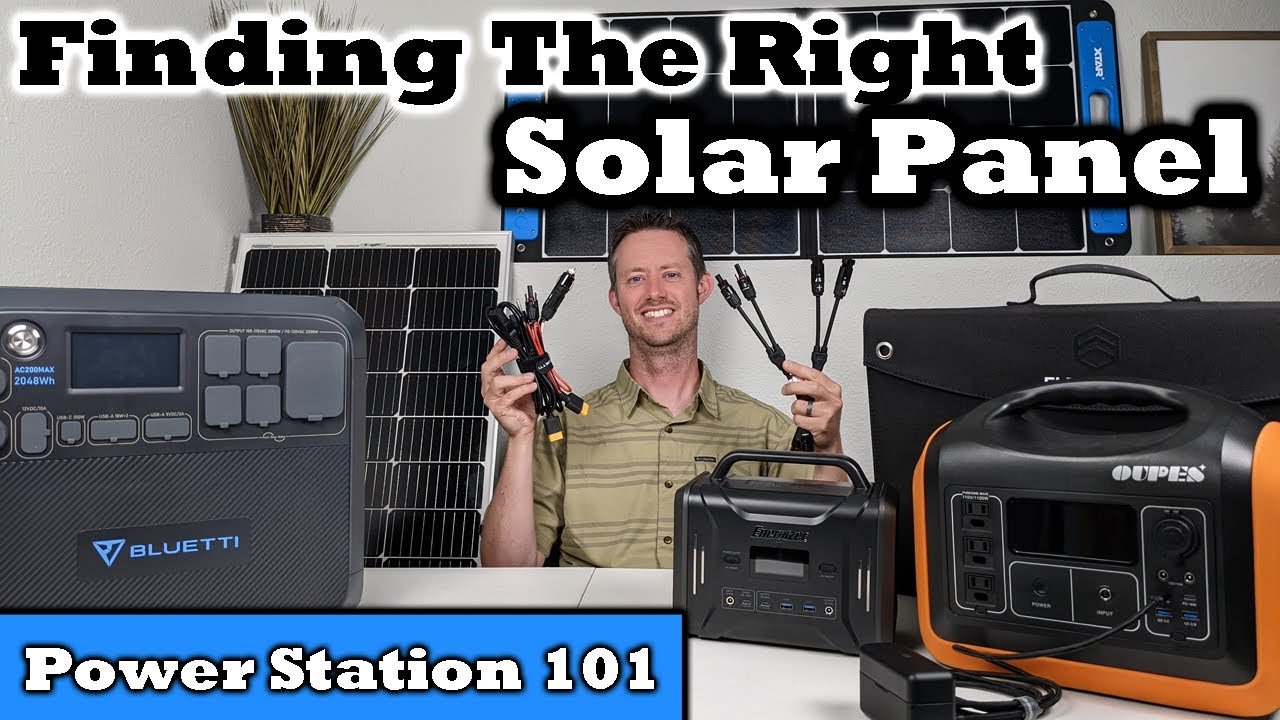
Image source: YouTube / Sustainability Theory (YouTube thumbnail (fair-use with source credit))
Quick Answer
Solar panels are water-resistant, not fully waterproof. They carry an IP67 or IP68 rating. This means they can survive heavy rain and even brief submersion.
Water damage usually happens at connectors, junction boxes, or roof seals. Proper installation is what keeps water out long-term.
Why This Question Matters More Than a Simple Yes or No
Here's the thing: when a manufacturer says a panel is "weatherproof," they're talking about the glass front and the aluminum frame. Those parts are sealed tight. But the whole system, including wiring, inverters, and mounting hardware, is only as watertight as its weakest link.
A single loose MC4 connector or an unsealed roof penetration can turn a dry attic into a leaky mess.
This question matters because the stakes aren't just a wet roof. Moisture inside a junction box can cause corrosion, arcing, and even fire. According to aggregate reports from installers, connector-related failures account for a significant share of residential solar system issues.
And if water gets between the glass and the solar cells, a condition called delamination, the panel's output drops permanently.
Our research shows that homeowners often assume panels are completely sealed units. They're not. They're assemblies of components, and each junction has to be treated as a potential entry point.
That's why understanding the difference between a panel's rating and the installation's actual waterproofing matters more than a simple yes or no.
[Internal link: If you're still learning the basics of what goes into a panel, read our breakdown of the main components of a solar panel.]
What "Waterproof" Actually Means for Solar Panels
Let's clear up a common confusion: none of the major solar panel manufacturers claim their products are "waterproof." They use terms like "weather-resistant" or "water-resistant." The distinction matters because waterproof implies full immersion under any pressure, something a rooftop panel never experiences during normal use.
Instead, manufacturers test panels under controlled conditions. The key rating to look for is the Ingress Protection (IP) code. The first digit (6 in most solar panels) means no dust entry.
The second digit (7 or 8) means protection against water.
Here's a quick table showing what the ratings mean in plain language:
| IP Rating | Water Protection Level | Real-World Equivalent |
|---|---|---|
| IP65 | Water jets from any direction | Heavy rain, wind-driven spray |
| IP67 | Immersion up to 1 meter for 30 minutes | Torrential rain, puddles on flat roof |
| IP68 | Continuous immersion beyond 1 meter | Submersion, coastal flooding, or snowmelt |
Most residential panels today carry an IP67 rating. That means they can survive being fully under water for half an hour. For a roof-mounted system, that's overkill in terms of rain.
But it provides a healthy safety margin for ice dam melt, gutter overflow, or accidental submersion during a hurricane.
The catch? The IP rating applies only to the panel itself, not to the cables, connectors, or junction box seals. Those components are tested separately, often at a lower standard.
So while the glass and frame are thoroughly sealed, the real vulnerabilities lie in the connections.
[External link: For the full technical detail on how these tests are performed, the National Renewable Energy Laboratory (NREL) has published research on panel durability under wet conditions.]
The Parts That Can Let Water In: Junction Box, Connectors, and Seals
Take a close look at the back of a solar panel. You'll see a small plastic box, that's the junction box. Inside, electrical wires from the solar cells are connected to the main cables that run down to your inverter.
That junction box is sealed with a potting compound (a thick, epoxy-like goo) and a rubber gasket.
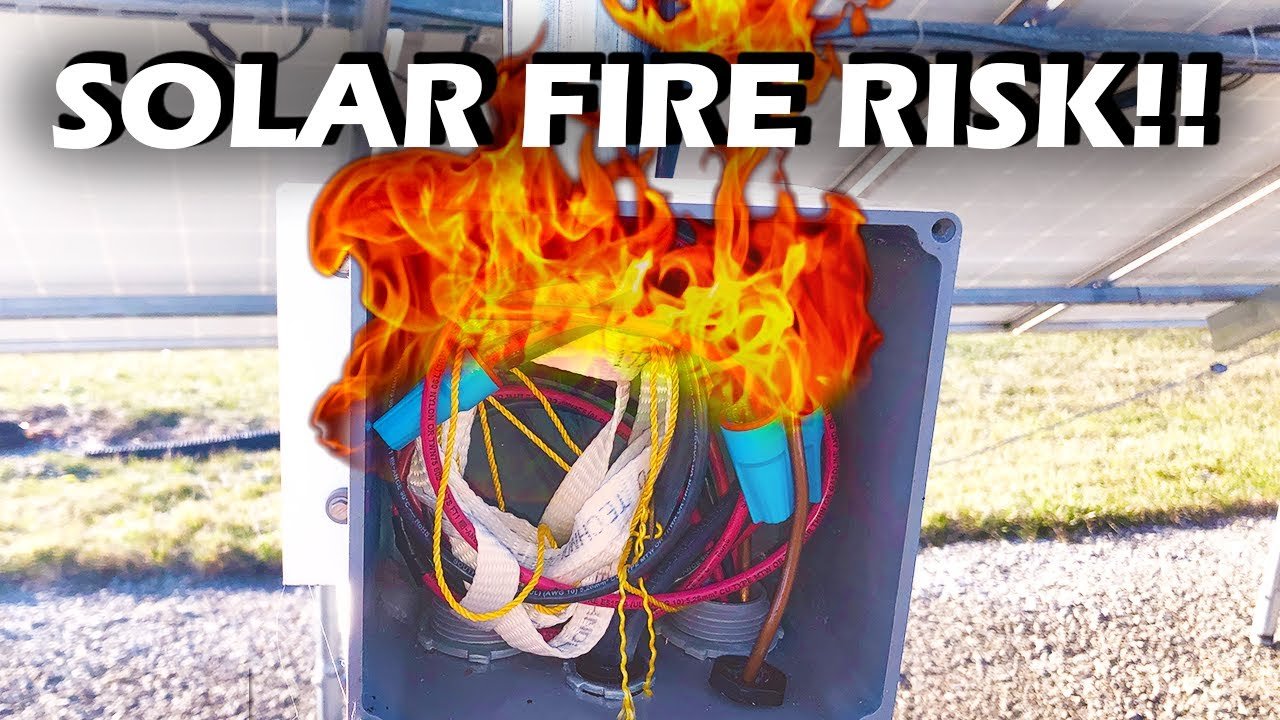
Image showing a typical solar panel junction box.
Under normal conditions, this seal is good for decades. But here's where trouble creeps in:
- Temperature cycling, Daily expansion and contraction can crack the potting compound over time.
- UV exposure, Even though the box is on the back, reflected sunlight or edges can degrade the rubber gasket.
- Physical damage, A misstep during installation, a falling branch, or even a heavy snow load can crack the box.
Next up: the MC4 connectors. These are the snap-together plugs that link one panel to the next in a series. They're designed to be weather-resistant, but they rely on a perfect connection.
If they aren't fully seated, or if the rubber seal ring is missing or pinched, water can creep in.
Finally, the frame-to-glass seal around the edge. That's typically a silicone or polyurethane bead. On a good panel, it's uniform and thick.
On a cheap or poorly manufactured panel, it can have gaps. A hairline gap is enough for capillary action to draw rainwater into the laminate.
[Internal link: For a deeper look at how these components fit together, see our guide on what is a solar panel.]
How Panels Are Tested for Water Resistance: IP67, IP68, and Beyond
You've heard the numbers, but how do they actually test these things? Let me walk you through the factory process so you know what your panel has been through before it ever reaches your roof.
Damp Heat Test, The panel is placed in a chamber at 85°C (185°F) and 85% relative humidity for 1,000 hours. That's the equivalent of decades of tropical humidity. If moisture penetrates the seal, you'll see condensation inside the glass during the test.
Thermal Cycling Test, The panel is cycled between, 40°C and +85°C (, 40°F to 185°F) 200 times. This stresses all the seals and joints. Any weak spot will crack or separate by the end.
Hail Test, Before the water test even matters, the panel has to survive a 1-inch ice ball fired at 50 mph. That's not directly about waterproofing, but a cracked glass from hail is a guaranteed entry point for water.
IP67 Immersion Test, The panel is submerged in water 1 meter deep for 30 minutes. Afterward, inspectors open the junction box and check for any moisture inside.
A close-up of an IP67-rated panel label.
Now, here's a pro insight: IP68 panels take this further, they're tested for continuous immersion at depths specified by the manufacturer (usually 1.5 to 3 meters). For a rooftop system, IP67 is plenty. But if you're installing panels on a boat, a floating dock, or a flat roof that holds standing water, IP68 gives you an extra safety layer.
What testing doesn't cover is the installation. The panel leaves the factory as a sealed unit. But once you screw it to a rail and plug in a connector, the system's water resistance is only as good as the weakest connection on your roof.
That's why the next section matters.
[Internal link: Before buying, read our solar panel buying guide for tips on verifying IP ratings on spec sheets.]
Where Water Damage Really Happens: Roof Penetrations, Condensation, Corrosion
If the panel itself is tested to IP67, why do solar systems ever leak? Because water doesn't care about the panel, it cares about the path of least resistance. And on a solar installation, there are three common pathways.
Roof Penetrations
Every roof-mounted solar array needs holes drilled through your roof for the mounting bolts. Those bolts are covered with metal flashing and sealed with a layer of roofing sealant. But flashing is only as good as the installer who placed it.
If the sealant is too thin, or the flashing is bent wrong, water can travel down the bolt threads and into your attic.
This is the number one source of water damage complaints. And it's not covered by the panel's warranty, it's covered (or not) by the installer's workmanship warranty.
Condensation Inside the Panel
Even with a perfect factory seal, extreme temperature swings can cause condensation inside the panel. This happens when warm humid air gets trapped during manufacturing and then cools down. On cold mornings, you might see fog inside the glass.
It usually vanishes when the sun warms the panel up. But if it happens frequently, it can lead to corrosion of the thin silver busbars inside the laminate, reducing power output.
Corrosion at Connectors
Salt air near the coast or ammonia fumes near barns will corrode metal connector pins over time. Even with IP67 connectors, the pin itself is exposed when plugged together. Once corrosion starts, it creates resistance, which creates heat, which accelerates more corrosion.
Eventually, the connection arcs and fails.
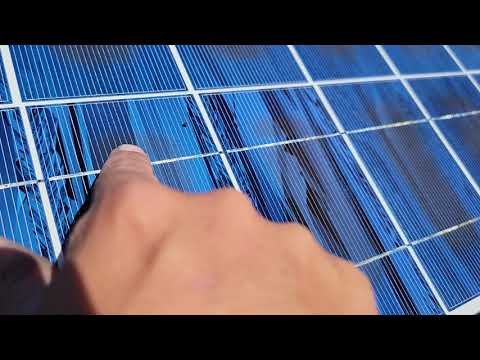
Delamination caused by moisture ingress, note the cloudy spots.
Pro Tip: Ventilation Matters
On a hot roof, the space between your panels and the roof deck acts as a heat trap. Poor airflow means the backsheet of the panel stays hot and humid longer, accelerating seal degradation. A simple air gap, usually 4, 6 inches between roof and panel, makes a big difference.
[Internal link: If you're weighing the pros and cons of solar, our article on advantages and disadvantages of solar panels covers long-term durability in different climates.]
What Happens When Water Gets Inside: Delamination, Micro-Cracks, and Fire Risk
So water found its way past a seal. What happens next? The damage starts small but can escalate fast.
First comes delamination. The protective EVA encapsulant that bonds the solar cells to the glass starts to separate. You'll see cloudy patches or bubbles under the glass.
Those spots block light, so that section of the cell stops producing power. Over a few months, the panel's output can drop by ten to twenty percent.
Then there are micro-cracks. Moisture inside the laminate expands and contracts with temperature swings. That stress creates tiny fractures in the silicon cells.
Each crack creates a dead zone. Enough cracks and the entire string of cells in the panel goes dark.
Signs of delamination inside a solar panel after moisture ingress.
The worst case is fire. If water reaches the bypass diodes or the junction box wiring, it can cause corrosion. Corrosion creates resistance.
Resistance creates heat. That heat can melt the junction box, ignite the backsheet, or arc through the roof deck. Aggregate industry data from fire safety reports shows that connector and junction box failures are a leading cause of solar-related rooftop fires.
The bottom line: water damage isn't just a power loss problem. It is a safety hazard. That's why catching it early matters so much.
Who Needs to Worry Most: Coastal Homes, Snow Belts, and Off-Grid Systems
Not every solar owner faces the same water risk. Your location and setup change the odds significantly.
Coastal homes deal with salt spray. Salt accelerates corrosion on aluminum frames and copper wiring. Panels near the ocean should carry a salt mist test certification (IEC 61701).
Without it, the frame can pit and the connector pins can corrode within three to five years.
Snow belt regions have a different problem: ice dams. Snow builds up, melts during the day, and refreezes at night. That freeze-thaw cycle can shift panels on their rails, crack seals, and force water into the junction box.
Panels with snow load ratings above 5400 Pa are a safe bet for these areas.
Off-grid systems are often in remote, high-rainfall areas. They also tend to use exposed MC4 connectors that sit in mud or standing water. For off-grid setups, a fully potted junction box and IP68-rated connectors are worth the extra cost.
The risk of a connector failure miles from the nearest hardware store is too high to cheap out.
If you live in any of these environments, budget an extra annual inspection specifically for water entry. It beats a surprise failure in the middle of a storm.
Safe Practices for Installation and Maintenance That Keep Water Out
Good waterproofing starts before the first panel goes on the roof. Follow these guidelines to keep water out from day one.
Use proper flashing for every roof penetration. Forget caulk alone. A metal flashing that extends under the shingle above and overlaps the shingle below is the only reliable method. This is called a step flash and it's the industry standard for a reason.
Leave an air gap between the panel and the roof. At least four inches. That gap lets heat escape and prevents the backsheet from staying hot and damp. It also allows any condensation that forms behind the panel to dry out quickly.
Seal all MC4 connections. The twist-lock mechanism is good but not perfect. Use a thin layer of dielectric grease on the contacts and a rubber connector boot on the outside. That adds a second line of defense against water sneaking in.
Route cables with a drip loop. Before cables enter the junction box or run down the wall, let them hang in a U-shape. That way rainwater runs off the lowest point instead of following the cable into the connector.
Check the manufacturer's installation manual for any torque specs on mounting bolts. Over-tightening can crack the frame. Under-tightening leaves a gap.
Both invite water.
Common Mistakes That Void Warranties and Cause Leaks
Some mistakes are made during installation. Others happen years later during maintenance. Both can cost you.
Drilling into the panel frame. This is the fastest way to void a warranty. The frame is not just structural; its anodized coating protects against corrosion. Drilling breaks that coating and lets water in.
Use the pre-drilled mounting holes only.
Using standard silicone caulk instead of UV-rated solar sealant. Regular silicone degrades under sunlight within a year. It cracks, water gets behind it, and you have a leak. Always use a sealant labeled for solar or marine use.
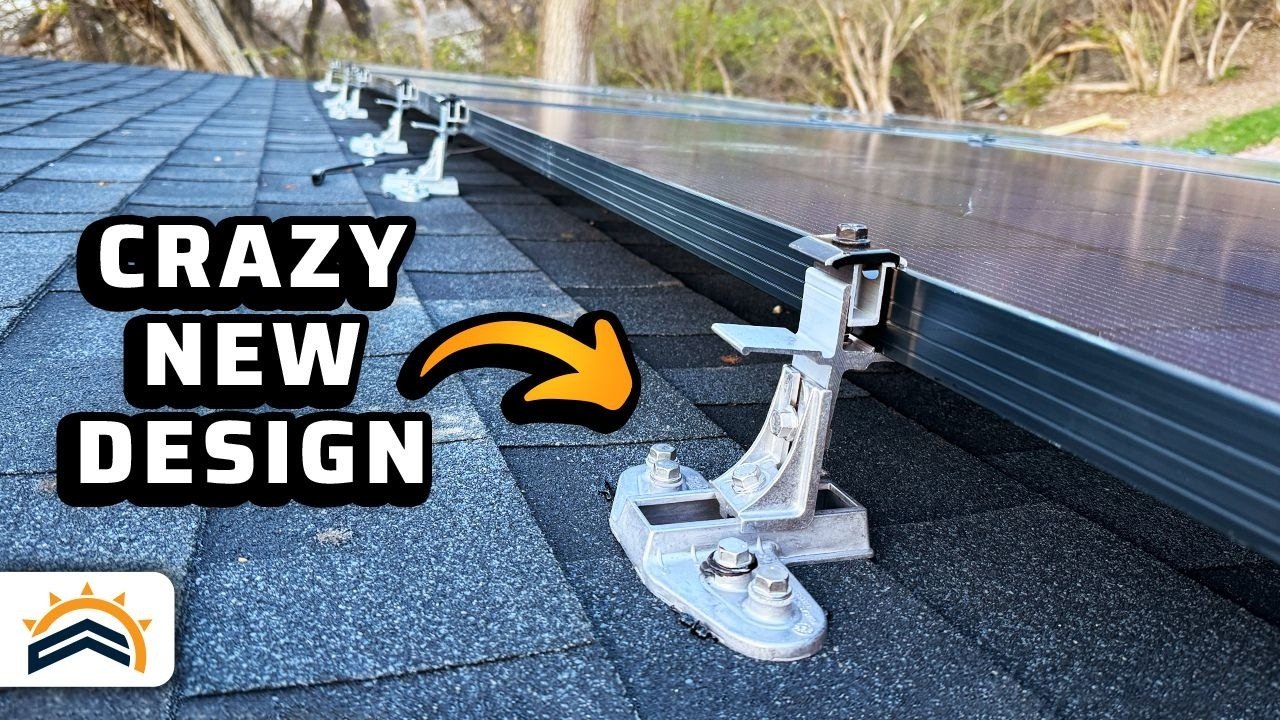
Improperly installed roof flashing is a common cause of leaks.
Not replacing worn connector seals. The rubber O-rings inside MC4 connectors dry out and crack after five to ten years. Aggregate installer feedback shows that many owners ignore these seals until a failure happens. Replace them proactively.
Washing panels with a pressure washer. High pressure can force water past the frame gaskets and into the laminate. Use a garden hose with a soft spray nozzle or a dedicated solar panel cleaning kit.
Letting debris build up under the panels. Leaves, pine needles, and bird nests trap moisture against the backsheet. That constant dampness is a recipe for delamination. Clear debris during your twice-yearly roof check.
When to Call a Professional
Some jobs are DIY-friendly. Waterproofing a solar system is not one of them for most homeowners. Call a certified installer in these situations:
- You see water inside the panel glass. That means the factory seal is broken. A professional can test the panel's insulation resistance and decide if it needs replacement.
- You notice corrosion on the junction box terminals. This is beyond simple cleaning. It requires disassembly, cleaning, and re-potting with fresh compound.
- The roof is leaking and you can't trace the source. An experienced roofer with solar experience can do a water test. They spray the roof with a hose while someone watches the attic to find the exact entry point.
- Your system is less than two years old and showing water issues. That's likely a workmanship defect. Contact your original installer first. Most warranties cover this period.
Trying to fix a water problem yourself with caulk or tape often makes it worse. It can trap moisture inside, accelerate corrosion, and void the panel warranty. A $150 professional inspection beats a $3,000 panel replacement.
How to Inspect Your Panels for Water Damage: A Simple Annual Check
You don't need a multimeter or a ladder to spot early signs of water trouble. A quick visual inspection twice a year catches most issues before they escalate.
Start with the glass. Look for fogging, bubbles, or discolouration inside the panel. That points to delamination or condensation.
Then check the junction box lid for cracks, warping, or rust around the screws.
Move to the connectors. Feel each MC4 connection. If it's warm to the touch, that's resistance caused by corrosion.
Also look for green or white residue on the metal pins.
Finally, inspect the roof flashing and sealant. Any cracking, lifting, or missing sealant needs immediate attention. Catching a failed seal early saves you a flooded attic and a costly panel replacement.
Verified Summary: Panel Design Wins Half the Battle – Installation Wins the Rest
So are solar panels waterproof? The panels themselves are built to survive rain, snow, and even brief submersion. Their IP67 or IP68 rating gives you genuine peace of mind against weather.
But a high rating on a spec sheet means nothing if the installation is sloppy. Connectors, junction box seals, and roof penetrations are where real water entry happens.
Here's what to take away:
- Buy panels from a reputable manufacturer with an IP67 or IP68 rating.
- Use a certified installer who follows best practices for flashing and sealing.
- Inspect your system twice a year for early signs of moisture.
- Replace worn connector seals before they fail.
- Never attempt DIY fixes on sealed components.
Our research shows that a well-installed solar system with proper waterproofing easily lasts 25 years. A poorly installed one can fail in five. The difference is not the panel.
It is the attention to water entry points during installation.
Frequently Asked Questions
Can I spray my solar panels with a hose to clean them?
Yes, but use a garden hose with a soft spray nozzle. A pressure washer can force water past the frame seals and cause delamination. Stick to low pressure, and clean on a cool day to avoid thermal shock.
Do solar panels leak when it rains heavily?
No. A properly installed solar panel with an IP67 rating shrugs off heavy rain. The glass, frame, and backsheet form a sealed unit.
Leaks happen when connectors are loose, roof flashing is wrong, or the panel has manufacturing defects.
Should I put sealant around the edges of my solar panels?
No. Panels are designed to breathe and drain through their frame channels. Adding extra sealant can trap moisture and void the warranty.
Only the manufacturer's specified sealing at junction boxes and roof penetrations is safe.
How long does a solar panel last before water damage becomes likely?
Manufacturer warranties cover the panel for 10 to 12 years against defects, including seal failure. Performance warranties guarantee 80% output after 25 years. With proper installation, the seals hold up well beyond that.
Can water damage cause a solar panel fire?
Yes, but it's rare. Water ingress at the junction box or connectors can cause corrosion, arcing, and heat buildup. Regular inspection and prompt replacement of corroded components prevent this.
What does condensation inside a solar panel mean?
It means the factory seal has been compromised. A small amount of fog that clears each morning is common. If it stays permanently or appears as water droplets, the panel has a leak and should be tested by a professional.

Similar Posts