The Ultimate Solar Panel Buying Checklist
Buying solar panels for your home feels like a big leap. And it is. But with the right Solar Panel Buying Checklist, you can avoid the costly mistakes that trip up most homeowners.
The trick is knowing what to look for before you sign anything.
Per NREL’s latest data, the average residential system in 2026 costs between $2.50 and $3.50 per watt before the federal tax credit. That means a typical 8 kW system runs $20,000 to $28,000 upfront. Getting the details right from the start is the only way to make sure that investment pays off.
Quick Answer
A solar panel buying checklist covers eight key steps. Audit your energy usage. Inspect your roof.
Understand panel types. Choose the right inverter. Compare installers.
Check warranties. Verify permits. And calculate the true cost including incentives.
Skip any one step and you risk overpaying or ending up with a system that underperforms.
Why Getting This Checklist Right Actually Matters
Solar is a 25-year commitment. The panels on your roof today will still be generating electricity in 2050. That’s a long time to live with a bad decision.
The stakes are higher than most people realize. A poorly designed system can cost you thousands in lost production. A bad installation can damage your roof and lead to leaks.
And the wrong equipment choice means you’re stuck with outdated technology for decades.
In our research, the most common regret from solar owners isn’t going solar. It’s rushing the process. People who skip the checklist end up with systems that don’t match their energy needs.
They overpay for features they don’t need. Or they miss out on incentives that could have saved them real money.
The federal solar tax credit alone gives you 30% of your system cost back on your taxes. That’s $6,000 to $8,000 on a typical installation. But you only get that if you buy the right equipment from a qualified installer.
Mistakes here are expensive.
That’s why this checklist exists. It’s not about making the process complicated. It’s about making sure you get what you pay for.
The Solar Basics You Need Before You Start Shopping
You don’t need to be an electrical engineer to buy solar. But you do need to understand a few key terms. Otherwise, you’re trusting a salesperson to tell you what’s best.
Let’s cover the essentials.
Wattage is the power output of a solar panel under ideal conditions. Most residential panels today range from 350 to 500 watts. Higher wattage means more power per panel.
But it doesn’t always mean better value.
Efficiency measures how well a panel converts sunlight into electricity. Most panels on the market sit between 19% and 23%. Higher efficiency matters if you have limited roof space.
If you’ve got plenty of room, it’s less critical.
Kilowatt-hours (kWh) is what your utility bills you for. It’s the actual energy your system produces over time. A 6 kW system in a sunny area might generate 8,000 to 9,000 kWh per year.
That’s the number that matters for your savings.
Degradation rate is how fast a panel loses efficiency over time. Good panels degrade at about 0.25% to 0.50% per year. After 25 years, they should still produce at least 85% of their original output.
If you want to understand the science behind the technology, our article on how solar panels convert sunlight into electricity covers the full process. It’s worth a read before you start comparing quotes.
The key takeaway here is simple. Learn the language before you talk to installers. It keeps you from getting sold on features you don’t need.
Step One: Audit Your Energy Usage and Your Roof
Every good solar system starts with two numbers. How much electricity you use. And how much sun your roof gets.
Start with your electric bills. Gather the last 12 months. Your utility company makes this easy if you have an online account. Look for your annual kWh usage.
That’s the total amount of electricity your home consumed in a year.
This number determines the size of the system you need. A household that uses 10,000 kWh per year needs a different system than one that uses 18,000 kWh. Oversizing wastes money.
Undersizing leaves you with a partial bill.
Here’s a simple rule of thumb. Divide your annual kWh usage by 1,200 for sunny areas, or 1,000 for cloudy areas. That gives you the approximate system size in kW. For example, 12,000 kWh divided by 1,200 equals a 10 kW system.
Now check your roof. The condition matters just as much as the size. If your roof is more than 10 years old, you might need to replace it before installing solar. Pulling panels off to replace shingles costs extra.
Roof orientation and pitch affect how much power you get. South-facing roofs in the Northern Hemisphere are ideal. East and west-facing roofs still work, but they produce less.
Flat roofs work fine with tilt mounts.
Shading is a dealbreaker for some roofs. A single tree that casts shadow on your panels for part of the day can cut your production by 20% or more. If you have significant shading, you’ll need microinverters or power optimizers to handle it.
If your roof is unsuitable, ground-mounted systems are a solid alternative. They cost a bit more but give you perfect positioning and easy access for cleaning.
The trade-offs worth considering between roof and ground mounts are covered in detail in our overview of the pros and cons of different solar setups.
Solar Panel Types: What's Actually Worth Your Money
You’ll hear three main panel types thrown around. Here’s what they actually mean for your wallet.
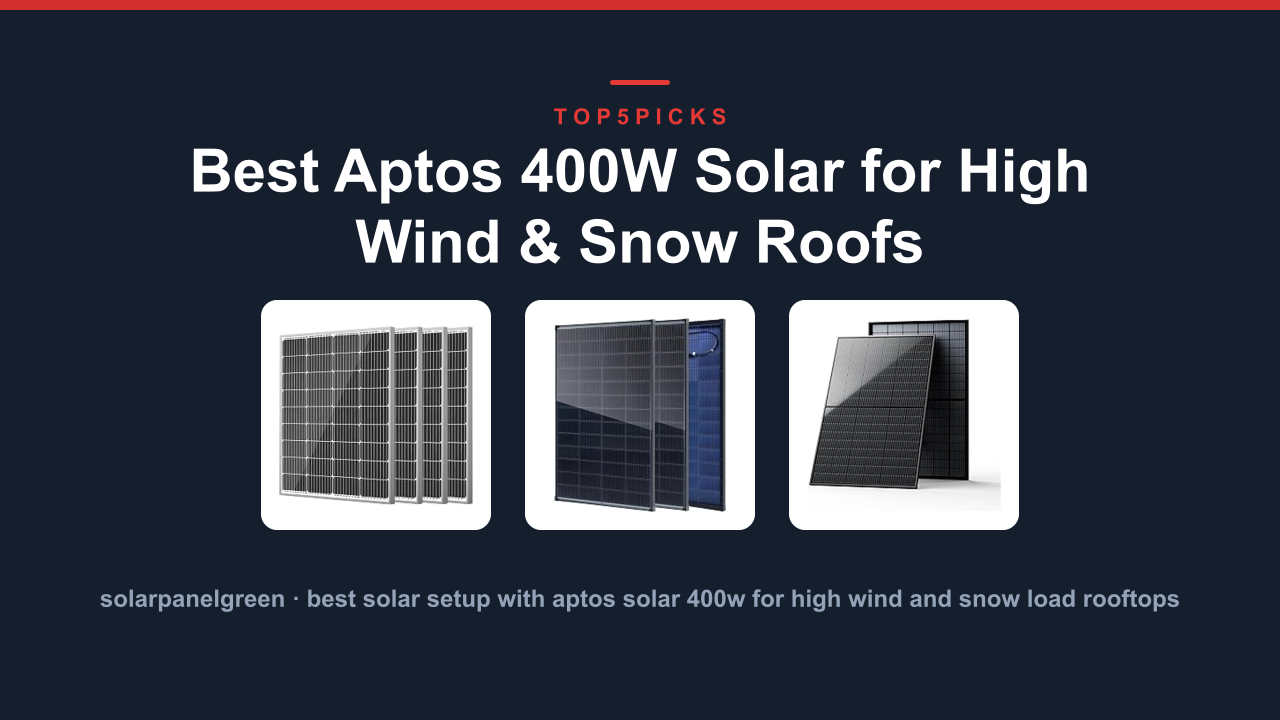
Monocrystalline panels are the standard for residential solar today. They’re made from a single silicon crystal. They offer the highest efficiency, typically 20% to 23%.
They also look better with a uniform black appearance. Almost every reputable installer uses monocrystalline panels.
Polycrystalline panels are slightly less efficient, usually 16% to 18%. They have a blue, speckled look. They’re cheaper per watt, but you need more roof space for the same output.
Most installers have moved away from them because the price difference is small.
Thin-film panels are lightweight and flexible. They’re less efficient, around 10% to 13%. You need a lot of roof space.
They’re rarely used for residential homes. You’ll see them on commercial buildings or RVs.
If you’re looking for a detailed breakdown of the main categories available, our guide to the different panel types explains the differences in depth.
Here’s the practical advice. For most homeowners, buy monocrystalline panels from a well-known manufacturer. Brands like REC, Qcells, Panasonic, and SunPower have strong track records. Budget brands like Longi and JinkoSolar also perform well and cost less.
Don’t obsess over the exact efficiency number. A 21% panel from a good brand is better than a 23% panel from a no-name manufacturer. Quality and warranty matter more than a few percentage points.
Warranty is the real differentiator. Look for a product warranty that covers defects for at least 25 years. Some premium brands offer 25-year product warranties and 30-year performance warranties. That’s the gold standard.
Inverters, Racking, and Batteries: The Rest of the System

Panels get all the attention. But the other components matter just as much. A bad inverter can ruin a perfect set of panels.
The inverter is the brain of your system. It converts the DC power from your panels into AC power your home can use. You have three main options.
String inverters are the most common and most affordable. One central unit handles all your panels. They work great if your roof has no shading and a single orientation.
They cost less upfront. But if one panel is shaded, it affects the whole string.
Microinverters sit under each panel. They convert power at the panel level. They cost more, but they handle shading better.
Each panel operates independently. If one panel fails, the rest keep working. They also allow you to monitor each panel’s performance individually.
Power optimizers are a middle ground. They sit under each panel like microinverters, but they send DC power to a central string inverter. They improve performance in shade without the full cost of microinverters.
Which one is right for you? If your roof is simple and sunny, string inverters are fine. If you have shading or multiple roof orientations, spend the extra on microinverters or optimizers. The key parts of a complete setup are explained more thoroughly in our breakdown of solar system components.
Racking systems hold your panels to the roof. They’re simple but critical. A good racking system is corrosion-resistant and properly flashed to prevent leaks.
Installers typically have their preferred brand. Ask what they use and why.
Batteries are optional. Most people don’t need them. If you have net metering, your utility acts as your battery. You send excess power to the grid during the day and pull from it at night.
Batteries only make financial sense if you have time-of-use rates, frequent power outages, or no net metering.
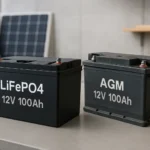
If you do want backup power, lithium-ion batteries are the standard. The Tesla Powerwall and Enphase Encharge are the most common options. They cost $8,000 to $15,000 installed.
That’s a significant addition to your system cost.
Don’t let an installer talk you into a battery you don’t need. Run the numbers first.
The Real Cost of Solar: Pricing, Incentives, and Payback Periods
Let’s talk dollars. The upfront cost of a solar system is the biggest hurdle for most homeowners. But the real number you need to focus on is the net cost after incentives.
Here’s how the math works for a typical 8 kW system in 2026.
| Cost Item | Amount |
|---|---|
| Gross system cost | $22,000 |
| Federal tax credit (30%) | -$6,600 |
| Net cost after ITC | $15,400 |
| Estimated annual savings | $1,800 |
| Simple payback period | 8.5 years |
Your actual numbers will vary. Electricity rates in your area matter a lot. Higher rates mean faster payback.
The federal Investment Tax Credit (ITC) is the big one. It gives you 30% of your total system cost back as a credit on your federal income taxes. You don’t need to itemize. You just file IRS Form 5695 with your tax return.
If your tax liability is less than the credit amount, the remainder rolls over to the next year.
State and local incentives add more. Some states offer additional tax credits. Others have rebate programs that cut the upfront cost. A few states offer performance-based incentives that pay you per kWh your system produces.
Check with your state energy office or the Database of State Incentives for Renewables and Efficiency (DSIRE) for what’s available in your area.
Solar Renewable Energy Certificates (SRECs) are an option in some states. You earn one certificate for every 1,000 kWh your system produces. You can sell them on an open market. In states like New Jersey and Massachusetts, SRECs can add $500 to $1,000 per year in extra income.
Not every state has this program.
Payback periods typically range from 6 to 12 years. Systems in sunny states with high electricity rates pay back fastest. Systems in cloudy states with low rates take longer. But panels last 25 years or more.
That means you get 13 to 19 years of free electricity after you break even.
Financing changes the math. If you take out a solar loan, your monthly payment eats into your savings. Some loans have low interest rates. Others are structured with dealer fees that add thousands to the total cost.
Always ask for the cash price and the financed price. Compare them side by side.
How to Pick a Good Installer (and Avoid the Bad Ones)
Your installer matters more than your panel brand. A great installer can make average panels perform well. A bad installer can ruin premium equipment.
Get at least three quotes. This is non-negotiable. Prices vary wildly between companies. We’ve seen differences of $10,000 or more for the same system size on the same house.
Three quotes give you a baseline.
Check their credentials. Every installer should have a valid state contractor’s license. They should also have North American Board of Certified Energy Practitioners (NABCEP) certification. That’s the gold standard for solar installers.
It means they passed a rigorous exam and follow industry best practices.
Ask for recent local references. A company with great reviews in another state doesn’t help you. Ask for three homeowners in your area who had systems installed in the last year. Call them.
Ask about the installation process, any problems, and whether the company followed up.
Look at their warranty offerings. Reputable installers offer a workmanship warranty of at least 10 years. Some offer 25 years. This covers the installation labor if something goes wrong.
If an installer only offers a 1 or 2 year workmanship warranty, that’s a red flag.
Watch for red flags in the sales process. High pressure tactics are a warning sign. So are promises that seem too good to be true. If an installer guarantees a specific production number without seeing your roof or your electric bills, they’re guessing.
Walk away.
Subcontractors are common in solar. Some companies use their own crews. Others hire third-party subcontractors. Ask who will actually install your system.
If the company uses subcontractors, ask about their qualifications and what happens if there’s a problem after installation.
Compare financing offers carefully. Some installers partner with specific lenders. The interest rates and fees vary. Get the terms in writing.
Compare the total cost including interest over the life of the loan. Don’t just look at the monthly payment.
For a complete walkthrough of what to expect during the entire process, our full buying guide covers every step in detail.
Permits, HOA Rules, and Utility Paperwork: The Boring Stuff That Matters
This is the part nobody talks about. But it’s where projects get delayed or canceled.
Your local building department needs a permit. Almost every jurisdiction requires a building permit for solar installations. The installer usually handles this. They submit the plans, pay the fee, and schedule the inspection.
But you should confirm that it’s included in your contract.
Your HOA may have rules. Some HOAs restrict where panels can go. Some require them to be on the back roof only. Others have aesthetic requirements about panel color or racking.
Check your HOA covenants before you sign anything. Federal law in some states limits HOA restrictions, but you still need to follow the process.
Your utility company needs to approve the interconnection. This is the process of connecting your system to the grid. You can’t just flip a switch. The utility reviews your system design and approves the connection.
This process can take two to six weeks depending on your utility.
Net metering agreements vary by utility. Some utilities credit you at the full retail rate for excess power. Others credit you at a lower wholesale rate. A few charge additional fees for solar customers.
Read the interconnection agreement carefully. If you don’t understand it, ask your installer to explain it.
Permission to Operate (PTO) is the final step. After the installation passes inspection and the utility approves your interconnection, you get PTO. That’s when you can turn your system on. Until then, your panels sit idle.
Some utilities process PTO quickly. Others take months.
Solar panels are generally considered a permanent improvement. They can affect your property taxes in some states. Many states offer property tax exemptions for solar installations. Check your local rules.
You don’t want a surprise tax increase.
The 10 Biggest Mistakes People Make When Buying Solar
We’ve seen these mistakes over and over. Here’s what to avoid.
1. Choosing the cheapest quote. Lowest price often means lowest quality. Cheap installers cut corners on racking, wiring, and permitting.
You pay for it later in repairs and lost production.
2. Ignoring the inverter. People focus on panel brands and forget the inverter. A premium panel paired with a cheap inverter will underperform.
The inverter is the most likely component to fail in the first 15 years.
3. Not checking the warranty fine print. Some warranties exclude certain types of damage. Others require professional cleaning to stay valid.
Read the full terms. Ask about transferability if you plan to sell your home.
4. Oversizing or undersizing the system. A system that’s too big wastes money. A system that’s too small doesn’t cover your needs.
Base the size on your actual usage, not a salesperson’s estimate.
5. Forgetting about future energy needs. If you plan to buy an electric vehicle or switch to a heat pump, your energy usage will go up. Factor that into your system size now.
Adding panels later is more expensive.
6. Skipping the roof inspection. Solar panels last 25 years. Your roof needs to last at least that long.
If your roof is near the end of its life, replace it before installing solar. Removing and reinstalling panels later costs thousands.
7. Not understanding net metering changes. Net metering policies are changing in many states. California’s NEM 3.0 reduced the credit rate for excess solar power.
Make sure you understand how your utility handles net metering now and how it might change.
8. Buying a battery without running the numbers. Batteries are expensive. Most homeowners don’t need one.
Only add a battery if you have frequent outages, time-of-use rates, or no net metering. Otherwise, the math doesn’t work.
9. Falling for fake savings promises. Some installers claim you’ll save 100% on your electric bill. That’s only possible if your system produces more than you use every month.
Most systems cover 70% to 90% of your usage. Be realistic.
10. Signing before comparing financing options. The financing terms can add thousands to your total cost. Compare cash, loan, and lease options.
Don’t let the monthly payment be the only number you look at.
Long-Term Maintenance, Monitoring, and Warranty Reality
Solar panels are low maintenance. But they’re not zero maintenance. A little attention goes a long way.
Cleaning is the main task. Rain washes away most dust and pollen. In dry climates, you might need to clean your panels once or twice a year. Use a hose and a soft brush.
Never use abrasive cleaners or pressure washers. They can damage the glass.
Monitoring keeps you informed. Most modern systems come with a monitoring app. You can see your daily production, compare it to your historical data, and spot problems early. If your production drops suddenly, you’ll know something is wrong.
Inverters are the weak point. String inverters typically last 10 to 15 years. Microinverters can last 20 to 25 years. Your inverter will likely need replacement during the life of your system.
Factor that cost into your long-term calculations.
Panel degradation is normal. Every panel loses efficiency over time. Good panels degrade at 0.25% to 0.50% per year. After 25 years, they should still produce at least 85% of their original output.
Some premium panels guarantee 92% at 25 years.
Warranty claims require documentation. Keep your original purchase paperwork. Take photos of your system after installation. If you need to file a claim, you’ll need proof of purchase and proof of the defect.
Some manufacturers require proof of proper installation.
Your warranty has limits. Most warranties cover manufacturing defects, not damage from weather, animals, or improper installation. Read the exclusions. If a tree branch falls on your panels, that’s an insurance claim, not a warranty claim.
Maintenance is straightforward. Trim trees that shade your panels. Check for bird nesting under the panels. Inspect the racking for loose bolts after storms.
That’s about it. Solar is one of the most reliable home investments you can make.
When to Walk Away (and When to Hire a Pro)
Not every solar deal is worth signing. Walk away if the installer pressures you to decide today. Legitimate companies give you time to compare quotes.
Walk away if the price seems too low. A quote that’s 30% below the others usually means corners are being cut somewhere. You’ll pay for it later.
Walk away if the installer can’t provide recent local references or proof of licensing. If they’re vague about permits or warranties, that’s another red flag.
Hire a pro for everything. Solar is not a DIY project for most homeowners. The electrical work, roof penetrations, and utility paperwork require licensed professionals.
The few thousand dollars you save doing it yourself isn’t worth the risk of fire, leaks, or code violations.
Your Final Decision Guide: What to Do Next
Start with your electric bills. Know your annual usage. Then check your roof’s condition and sun exposure.
Get three quotes from licensed, NABCEP-certified installers. Compare the equipment, warranties, and total cost including financing. Don’t just look at the monthly payment.
Apply for permits and utility interconnection. Your installer should handle this. Wait for Permission to Operate before turning the system on.
Monitor your production after installation. If something looks wrong, contact your installer immediately. The first year is when issues show up.
Frequently Asked Questions
How long does a solar panel system last?
Most panels are warrantied for 25 years. They continue producing power beyond that, but at reduced efficiency. Inverters typically need replacement after 10 to 15 years for string models, or 20 to 25 years for microinverters.
Can I install solar panels myself?
Technically yes, but it’s not recommended. Most jurisdictions require licensed electricians for the electrical work. DIY systems also void many warranties and may not qualify for the federal tax credit.
Hire a pro.
What happens if my panels produce more power than I use?
The excess power goes to the grid. Your utility credits you for it through net metering. The credit rate varies by state and utility.
Some pay the full retail rate. Others pay a lower wholesale rate.
Do solar panels work in cloudy weather?
Yes, but at reduced output. Panels produce about 10% to 25% of their rated power on overcast days. Modern panels still generate electricity in diffuse light.
You just get less total energy.
Will solar panels damage my roof?
A properly installed system should not damage your roof. Quality installers use flashed mounting systems that prevent leaks. The risk comes from poor installation, not the panels themselves.
That’s why choosing a good installer matters.

Similar Posts