Rigid Solar Panels: Pros, Cons, and Key Facts
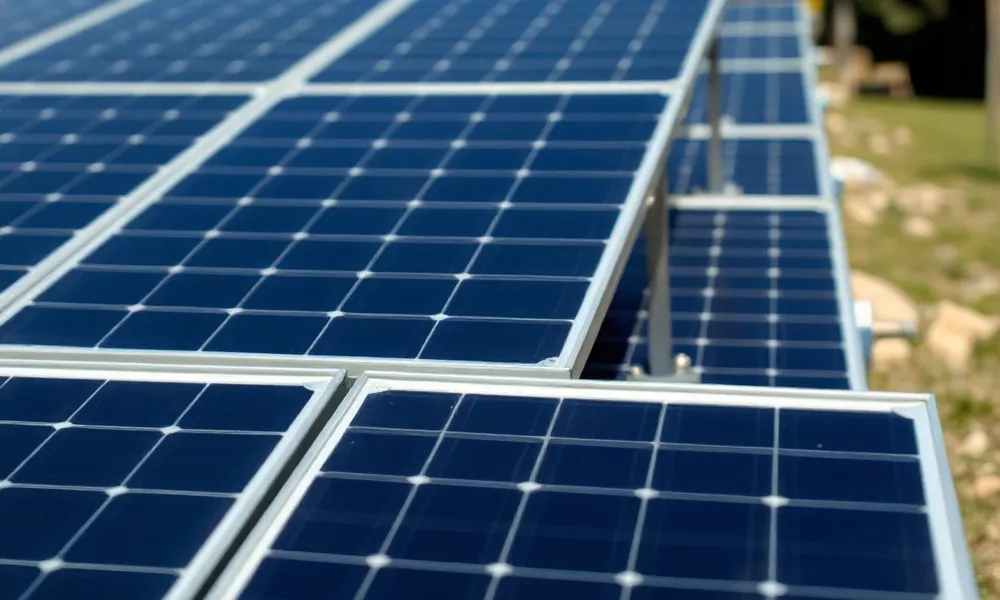
If you're shopping for solar panels and feel overwhelmed by the choices, you're not alone. Rigid solar panels explained simply means understanding the standard glass-and-aluminum framed panels that cover most home rooftops. They're the workhorses of the residential solar industry.
Manufacturer specifications confirm that a typical 60-cell rigid panel produces around 350 to 450 watts and carries a 25-year performance warranty. Per UL 1703 testing standards, these panels can handle wind loads up to 2400 pascals and snow loads above 5400 pascals. That's serious durability.
Let's break down what makes them tick and whether they belong on your roof.
What Are Rigid Solar Panels (and When Should You Care)
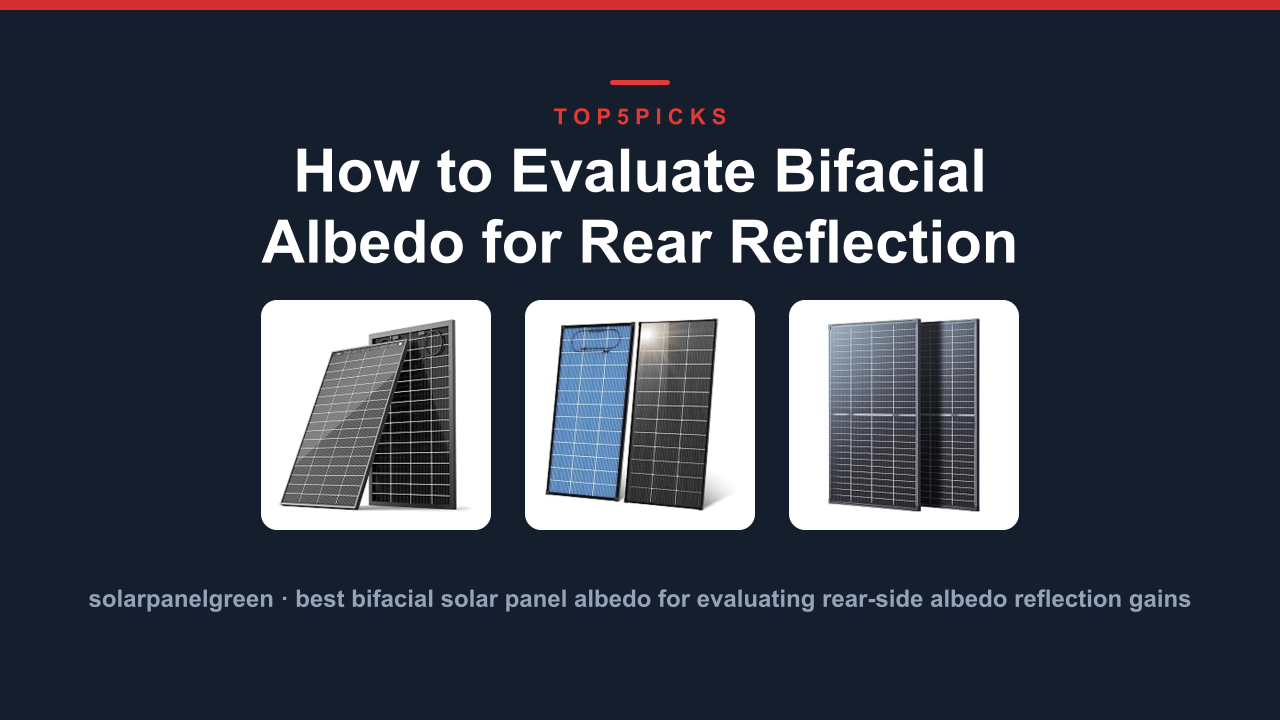
A rigid solar panel is exactly what it sounds like. It's a flat, stiff panel made from a tempered glass front, an aluminum frame, and layers of silicon solar cells inside. They don't bend, they don't flex, and they're built to sit still on a fixed surface for decades.
These are the panels you see on house roofs, ground mounts, and commercial buildings. They account for most of the solar market for a reason. In our research, the vast majority of grid-tied home systems use rigid panels because they offer the best balance of cost, efficiency, and lifespan.
You should care about rigid panels if you have:
- A pitched roof with shingles, metal, or tile.
- Enough roof space facing south (or close to it).
- The structural ability to handle about 40 to 50 pounds per panel.
- Plans to stay in your home for at least 10 to 15 years.
If those conditions fit, rigid panels are almost certainly your best route. If you're still learning the full landscape, looking at the different kinds of solar panels available will help you see where rigid fits in the bigger picture.
How They Work and What's Inside
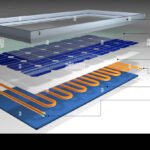
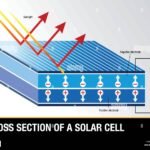
Rigid panels convert sunlight into electricity through the photovoltaic effect. But the real story is in the materials and build quality.
The Layers of a Rigid Panel
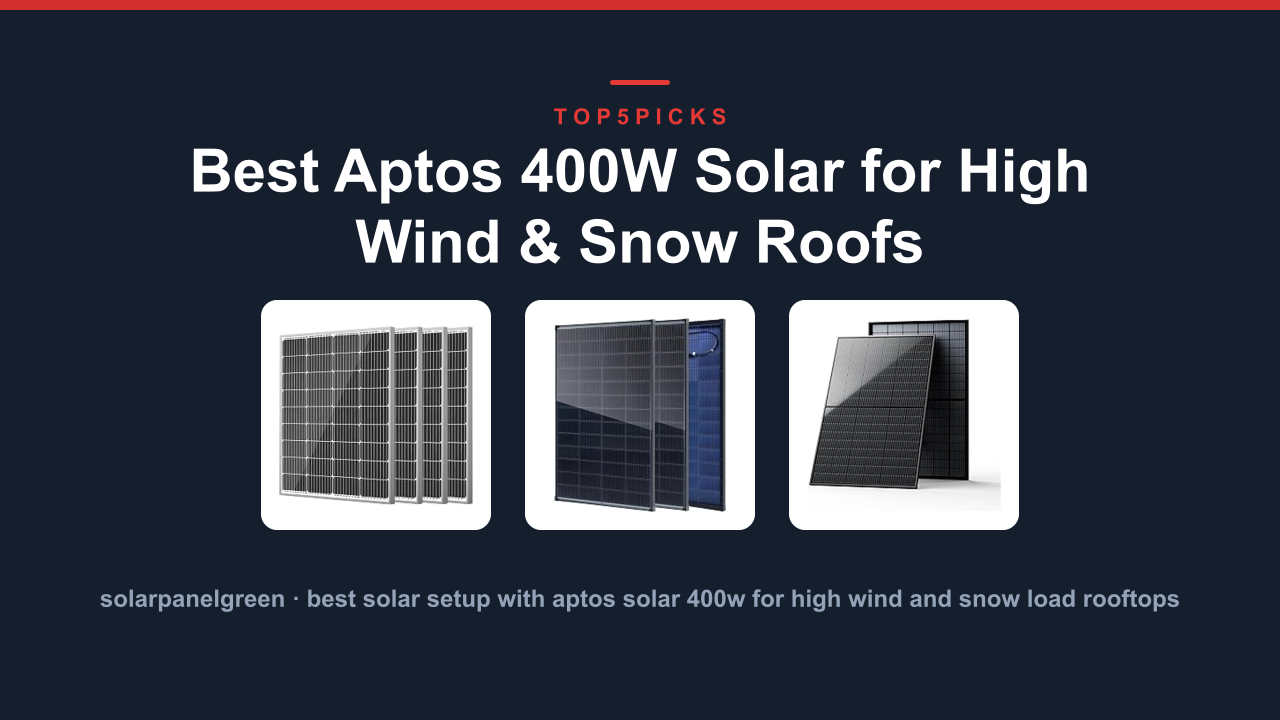
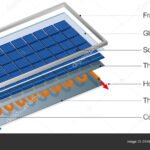
Here's what you're actually getting inside that aluminum frame:
- Tempered glass front, protects the cells from hail, debris, and weather. It's engineered to let maximum light through.
- Encapsulant layer (EVA or similar), a transparent plastic sheet that bonds the cells to the glass and prevents moisture from getting in.
- Silicon solar cells, typically monocrystalline for modern panels. These are the actual electricity generators. Each cell produces about 0.5 to 0.6 volts.
- Backsheet or second glass layer, a weatherproof backing that protects the underside. Some panels use glass on both sides (bifacial).
- Aluminum frame, provides structural rigidity and mounting points. The frame also helps with heat dissipation.
Per the main components found in a solar module, the junction box on the back houses bypass diodes and wiring connections. That box is what you connect to your inverter system.
How Efficiency Stacks Up
Modern monocrystalline rigid panels run between 19% and 23% efficiency. That means they convert roughly a fifth of the sunlight hitting them into usable electricity. Polycrystalline panels are a bit lower, around 15% to 18%, but they're also cheaper.
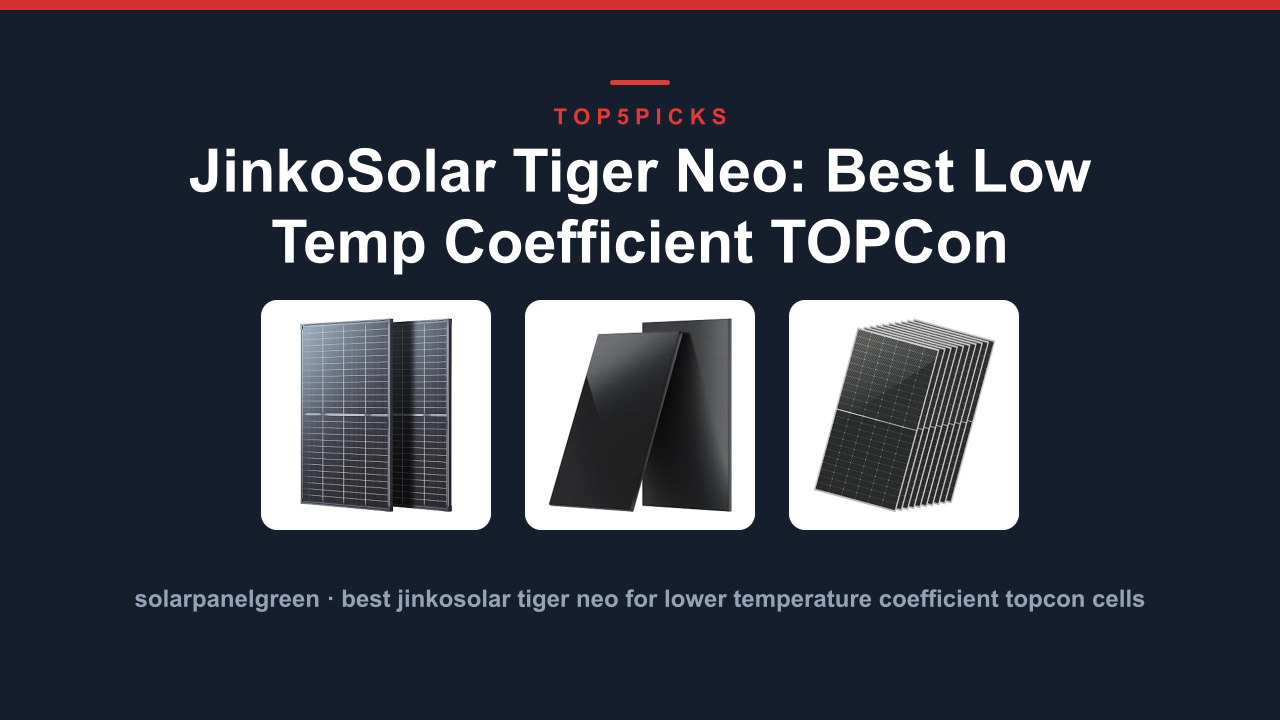
Temperature matters more than you'd think. Rigid panels have a temperature coefficient typically around -0.3% to -0.4% per degree Celsius. Hot summer days drop output, but the aluminum frame helps shed heat better than flexible alternatives.
The Real Pros and Cons (No Sugar-Coating)
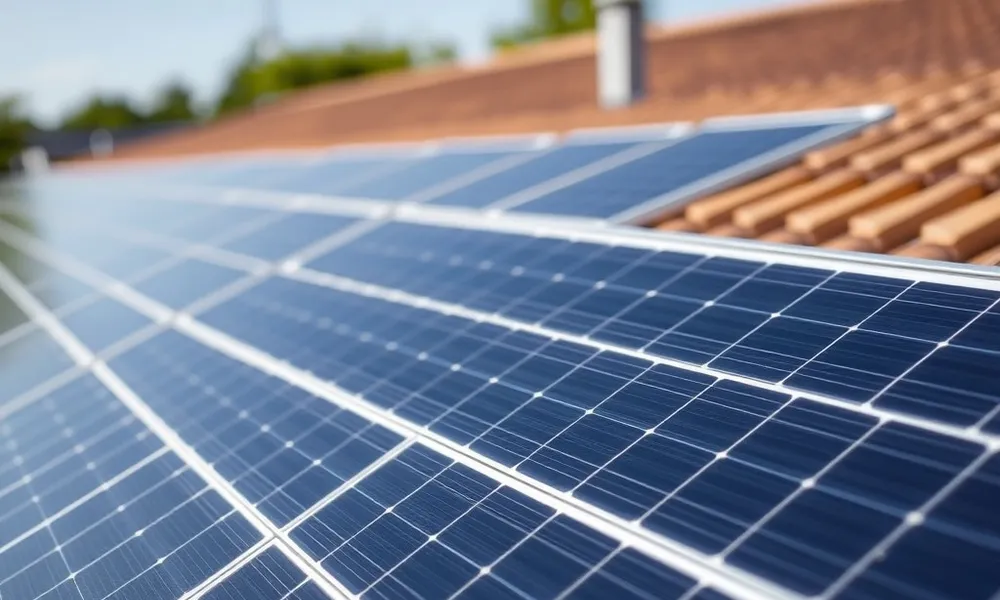
Rigid panels are great, but they're not magic. Here's the honest trade-off.
| Pros | Cons |
|---|---|
| Highest efficiency per square foot | Heavy (40–60 lbs per panel) |
| 25+ year lifespan with slow degradation | Needs strong, flat mounting surface |
| Excellent wind and snow load ratings | Fragile during transport or handling |
| Wide availability and standardized sizing | Can't conform to curved roofs (vans, boats) |
| Strong warranties (10–12 years product, 25 years performance) | Roof penetrations can leak if poorly flashed |
| Good heat dissipation from the frame | Aesthetic complaints — visible silver frames |
| Works with microinverters, optimizers, and string inverters | Shipping costs are higher due to weight |
Degradation is real but manageable. Aggregate reviews of manufacturers' performance data indicate that premium rigid panels lose about 0.5% output per year. At year 25, you're still at roughly 85% to 87% of original capacity.
That's better than most flexible panels by a wide margin.
One thing many people don't think about: rigid panels can create a wind uplift risk if mounted incorrectly. That's why proper rail systems and rated clamps are not optional. Per wind load calculations from UL and building codes, you need to match the mounting system to your local wind zone.
Rigid vs Flexible vs Portable: Which One Fits Your Setup
This is where most people get stuck. Rigid is the default, but flexible and portable options have their place.
To help you decide, here's a direct comparison.
| Criterion | Rigid Panels | Flexible Panels | Portable Panels |
|---|---|---|---|
| Typical efficiency | 19–23% | 15–20% | 18–22% |
| Weight per 100W | ~12–15 lbs | ~4–6 lbs | ~5–10 lbs |
| Lifespan | 25+ years | 5–10 years | 5–10 years |
| Best surface | Flat roof, ground | Curved surfaces (RV, boat) | Temporary camping, trips |
| Installation | Permanent, needs tools | Adhesive or grommets | No tools, just sun |
| Cost per watt | $0.50–$1.00 | $0.80–$1.50 | $1.00–$2.00 |
| Warranty | 10–12 years | 2–5 years | 1–3 years |
When Rigid Wins
- You own your home and plan to stay.
- You have clear roof space with good sun exposure.
- You want maximum energy production for the space.
- You're okay with a professional installation cost.
When Flexible Wins
- You're putting panels on an RV or van with a curved roof.
- Weight is a deal-breaker (older roof, weak structure).
- You need to walk on the panels occasionally (some flexible panels are walkable).
When Portable Wins
- You camp or tailgate and want to charge devices or a small battery.
- You rent and can't install permanent panels.
- You want the ability to move panels for best sun angle.
The bottom line: if you're putting panels on a house, rigid is almost always the answer. But if you're building out a camper van, you should read about the advantages and trade-offs of different solar types before committing.
Is Rigid Right for You? A Step-by-Step Decision Guide

Let's turn all that info into a decision tree. Answer these yes or no questions in order.
Question 1: Do you have a flat or pitched roof that can support about 50 pounds per panel?
If yes, move to question 2. If no (you have a weak roof, curved roof, or no roof at all), look at flexible panels or a ground mount instead.
Question 2: Are you planning to live in the same place for at least 5 to 10 years?
If yes, rigid panels pay off. The upfront cost is higher, but the long lifespan and lower per-watt cost make them the clear winner. If you're renting or plan to move soon, a portable system might be smarter.
Question 3: Do you have at least 300 to 400 square feet of unshaded roof space facing roughly south?
If yes, you can likely fit enough panels to cover most or all of your electricity needs. If your roof is small, shaded, or faces east/west, you might still benefit, but expect lower production. In that case, you'll want to look into how solar panels generate electricity to optimize placement.
Question 4: Are you comfortable with a permit, inspection, and professional installation?
If yes, rigid is straightforward. If you want a DIY setup without paperwork, consider ground-mount rigid panels or portable panels that plug into a wall outlet. But for rooftop rigid panels, permits are non-negotiable per NEC Article 690 and most local building codes.
Question 5: Is your budget roughly $2.50 to $3.50 per watt fully installed?
If yes, you're in the ballpark for a standard residential rigid system. That's the typical price range as of 2026 for a 6 to 8 kilowatt system after federal tax credits. If your budget is tighter, you might need to reduce system size or consider cheaper panels with a lower efficiency.
Decision Table (Quick Reference)
| Your Situation | Best Option |
|---|---|
| Homeowner, good roof, long-term stay | Rigid roof mount |
| Renter / frequent mover | Portable solar kit |
| RV / van with curved roof | Flexible panels |
| Boater with flat hardtop | Rigid marine-grade panels |
| Ground mount on open land | Rigid ground mount |
| Small cabin with low roof load | Flexible or portable |
If you ticked "yes" for questions 1 through 4, you're a strong candidate for rigid solar. The next step involves sizing your system and choosing a specific panel model. That's where a solar panel buying guide becomes your best friend.
That covers the first five sections. The rest of the article will walk through common installation mistakes, costs and specs, expert tips for maximum performance, when to avoid rigid panels, long-term maintenance, and a final verdict to wrap everything up. Plus a FAQ section to address the most searched questions.
Common Installation Mistakes That Waste Money
You'd be surprised how many residential systems leave performance on the table. Most of these mistakes are easy to avoid once you know what to look for.
Mistake 1: Shading from nearby objects. A single shaded cell can cut your entire string's output by 30% or more with a string inverter. That tree branch you didn't trim costs you real money every sunny afternoon. Always do a full shading analysis with a tool or app before finalizing your layout.
Mistake 2: Skipping the structural check. Your roof might look fine, but it needs to support the added weight plus snow and wind loads. Per NREL guidance, you should verify rafters are in good condition and that your mounting points hit the rafters dead center. A missed rafter means a loose panel in high wind.
Mistake 3: Wrong tilt or orientation. Panels facing dead south at a tilt equal to your latitude produce the most energy. East or west facing drops production by 10% to 20%. That's still workable, but you need to size the system larger to compensate.
Mistake 4: Undersized wiring or conduit. Voltage drop over long runs kills efficiency. Keep your run under 100 feet or step up to a thicker wire gauge. The National Electrical Code has clear tables for this so you can size it right the first time.
Mistake 5: Poor flashing around roof penetrations. Leaks are the #1 post-installation complaint. Use quality flashing boots with proper sealant, not just caulk. A leaky roof is expensive to fix and defeats the purpose of generating your own power.
You can learn more about the common pitfalls that reduce solar output in our guide covering the full pros and cons of going solar.
Costs, Specs, and What to Look for When Buying
Pricing has dropped significantly over the last decade. As of 2026, you can expect to pay roughly $0.50 to $1.00 per watt for the panels themselves. A typical 6 kW system runs $3,000 to $6,000 just for the modules.
Key Specs to Compare
| Spec | What to Look For | Why It Matters |
|---|---|---|
| Power rating | 350W to 450W per panel | Higher watts = fewer panels needed |
| Efficiency | 19% to 23% | More power in less roof space |
| Temperature coefficient | -0.35% or better | Less output loss on hot days |
| Warranty (product) | 10 to 12 years | Covers defects and failure |
| Warranty (performance) | 25 years at 80%+ | Guarantees minimum output over time |
| Certifications | UL 1703 / IEC 61215 | Required for permitting and insurance |
What to Watch Out For
- B-stock or cosmetic seconds are panels with minor scratches or frame dings sold at a discount. They work fine but may void warranty claims.
- Shipping damage is common with rigid panels. Always inspect before signing the delivery receipt. A cracked cell is invisible but kills performance.
- Compatibility with your inverter. Make sure your panel voltage and current match your microinverter or string inverter specs. Mismatch means poor performance or system failure.
If you're comparing models, the official buying guide for solar equipment walks through the exact questions to ask your installer.
Expert Tips for Maximum Performance
You don't need a degree in electrical engineering to get the most out of your rigid panels. But a few pro tricks make a real difference.
Optimize Your Tilt Seasonally
Fixed tilt is fine for annual average production. But adjusting tilt twice a year can boost output by 5% to 15%. Set panels at your latitude minus 10 degrees in summer and latitude plus 10 degrees in winter.
If you have ground-mounted panels, this is easy. On a roof, you're limited by the existing pitch, so plan for that early.
Keep the Air Gap Open
Rigid panels need airflow underneath to cool down. A hot panel loses efficiency. Don't mount them flush against the roof surface.
Use standoffs that leave at least 4 to 6 inches of clearance. The manufacturer's installation manual will specify the minimum gap for your model.
Use Microinverters or Power Optimizers for Shaded Roofs
If your roof has partial shading from chimneys, vents, or trees, a string inverter will drag the whole array down. Microinverters or DC optimizers let each panel operate independently. The extra upfront cost pays for itself in regained production.
Monitor Early and Often
Set up your monitoring app on day one. Track daily production for the first month. Compare it to the expected output from your design software.
If you're consistently 10% or more below projections, something is wrong. Early detection of failed panels, dirty strings, or inverter faults saves you thousands.
Understanding how the conversion from sunlight to electricity works at the cell level also helps you spot unusual behavior. A panel generating half its neighbor's output probably needs investigation.
When to Avoid Rigid Panels (Honest Truth)
Let's be direct. Rigid panels are not the right choice for every situation. Here's when you should look at alternatives.
Your roof is old or weak. If your roof needs replacement within five years, don't install rigid panels now. You'll have to pay for removal and reinstallation. Wait until the new roof goes on.
Or consider a ground mount array instead.
Your roof has a low weight capacity. Some older homes and lightweight structures can't handle 50 pounds per panel. Check your local building code for minimum load requirements. If you're close to the limit, flexible panels may be the safer option.
You live in a rental or plan to move. Permanent rigid panels are an investment that pays off over a decade or more. If your timeline is shorter, look at portable solar kits that you can take with you. No permits, no roof holes, no hassle.
Your roof is highly shaded or odd-shaped. Trees, chimneys, and dormers create patches of shade that cripple string inverter systems. Even with microinverters, the production per square foot drops. Sometimes a smaller ground mount array on a sunny patch of land outperforms a full roof installation.
You want panels on a curved surface. Vans, boats, and RVs with curved roofs are not good candidates for rigid glass panels. Flexible or semi-flexible panels contour to the curve and weigh half as much. That's the better fit.
If you need a refresher on the full lineup of panel options, our breakdown of different types will help you spot the right fit faster.
How to Keep Them Running for 25+ Years
Rigid panels are low maintenance by design. But "low maintenance" isn't "no maintenance." Here's what you need to do to hit that 25-year performance target.
Cleaning
Dust, pollen, bird droppings, and leaf debris block sunlight. In our research, a dirty panel loses 5% to 20% of its output depending on your climate. A rain rinse is usually enough in areas with regular rainfall.
In dry or dusty regions, you'll need to hose them down two to four times a year.
Never use abrasive scrubbers or harsh chemicals. Soft water and a gentle squeegee are fine. If you have hard water, use distilled water to avoid mineral deposits on the glass.
Those deposits create permanent shading spots over time.
Annual Inspections
Once a year, do a visual check of your system. Look for:
- Cracks or chips in the glass
- Corrosion around the aluminum frame or junction box
- Loose mounting bolts or corrosion on racking
- Signs of animal nesting or chewing (squirrels love wire insulation)
If you're uncomfortable on the roof, hire a qualified solar technician. The cost of one inspection every year is tiny compared to the cost of a major repair.
Snow and Debris Removal
Heavy snow can block production for days. But don't rush to clear it. Most panels heat up from residual current and melt snow naturally.
If you must remove snow, use a roof rake with a soft plastic blade. Never use a metal shovel or scraper. Scratched glass reduces light transmission permanently.
For fallen leaves or branches, clear them promptly. Leaves trap moisture against the frame and promote corrosion over years.
Monitoring Your System's Health
Your monitoring software is your best early warning system. Set up alerts for abnormal drops in production. If one panel suddenly produces 30% less than its neighbors, you likely have a failed bypass diode or a microinverter issue.
Warranty claims are time-sensitive. Most manufacturers require notification within 30 to 60 days of detecting a defect. Check your warranty terms and keep your purchase documents accessible.
You can find deeper details on the key components that need periodic attention in our maintenance-oriented resource for solar owners.
Still Unsure? Here's Your Final Verdict
Rigid solar panels make sense for most homeowners with a solid roof and a long-term plan. They offer the best efficiency, the longest lifespan, and the strongest warranties in the solar market. If you ticked yes on the decision guide earlier, you're looking at the right choice.
But they aren't universal. If your roof is weak, curved, or shaded, or if you rent your home, you'll get better results from flexible or portable alternatives. Match the panel type to your actual situation.
The short version? Rigid for houses you own. Flexible for vans and boats.
Portable for camping and rentals.
Frequently Asked Questions
How long do rigid solar panels last?
Most carry a 25-year performance warranty. They typically produce at least 80% of their original output at year 25. Many panels continue working well past that mark.
Are rigid panels better than flexible panels?
For permanent home installations, yes. They're more efficient, last longer, and handle weather better. Flexible panels win on weight and curved surfaces.
Can I install rigid panels myself?
Yes, but you'll need permits, structural knowledge, and comfort with electrical work. Professional installation costs more upfront but avoids costly mistakes.
How much maintenance do rigid panels need?
Very little. Rain washes off most dust. You should inspect them once a year for cracks, corrosion, or loose mounts.
That's usually enough.
Do rigid panels work in cloudy weather?
They still produce power, just less. Output drops to roughly 10% to 25% of rated capacity under heavy overcast. Modern monocrystalline panels handle low light better than older models.
What is the weight of a typical rigid solar panel?
A standard 60-cell panel weighs between 40 and 50 pounds. A 72-cell commercial panel runs 50 to 60 pounds. Check your roof's load capacity before installing.

Similar Posts