How Many Solar Panels in a 10kW System? Here’s the Math

If you're asking "how many solar panels in a 10kw system," you've probably noticed the number changes depending on who you ask. That's because there isn't a single fixed answer. The count depends on the wattage of the panels you select, the space on your roof, and even what inverter you pair them with.
Get those variables wrong, and you could end up with a system that underperforms or simply doesn't fit.
Manufacturer specifications show that today's residential panels range from 300 watts to over 450 watts per panel. That range alone shifts the total count from roughly 33 panels down to about 22. As of 2026, the sweet spot for most homes sits between 400 and 420 watt panels, which puts you in the 24 to 25 panel range.
Let's walk through the variables so you can land on your exact number.
Quick Answer
A 10kW system needs 22 to 34 panels. Use 300W panels and you need 34. Choose 450W panels and you need 22.
Most homeowners today land between 24 and 28 panels. Your roof space and local sun hours also affect the final number.
Why "How Many Panels?" Isn't a Simple Answer
The first thing to understand is that "10kW" can refer to the DC capacity of the panels or the AC output of the inverter. Most people mean a 10kW DC array when they ask this question. But even then, the panel count shifts because manufacturers make panels in different power ratings.
Think of it like buying lightbulbs. A 10kW system is your total wattage target. If you buy 100-watt bulbs, you need 100 of them.
If you buy 60-watt bulbs, you need 167. Solar panels work the same way. The wattage of each panel directly determines how many you install.
The different panel technologies available today also play a role. Monocrystalline panels typically offer higher wattages in the same physical footprint compared to polycrystalline options. That means fewer panels on your roof for the same total output.
For a 10kW system, the difference can be five to ten panels depending on the specific models you compare.
Your inverter choice adds another layer. A 10kW string inverter can handle a slightly oversized DC array, typically up to 13.5kW DC. That gives you room to add extra panels if your roof has the space.
Microinverters and power optimizers have their own limits, which can constrain how many panels fit on a single circuit.

Image source: Wikimedia Commons / Photo by Sue McConnell., U.S. Department of Energy from United States
The Quick Answer: You'll Need Between 22 and 34 Panels
If you want a number you can use right now, plan on 24 to 28 panels. That's the range for modern 375W to 420W panels, which cover the majority of residential installations as of 2026. Here's how the math breaks down across common panel wattages:
| Panel Wattage | Panels Needed (10kW DC) | Typical Roof Area Required |
|---|---|---|
| 300W | 34 panels | ~595 sq ft |
| 330W | 31 panels | ~543 sq ft |
| 350W | 29 panels | ~508 sq ft |
| 375W | 27 panels | ~473 sq ft |
| 400W | 25 panels | ~438 sq ft |
| 420W | 24 panels | ~420 sq ft |
| 450W | 22 panels | ~385 sq ft |
The table makes it clear. Higher wattage panels mean fewer panels. But higher wattage panels are also larger physically and cost more per panel.
That tradeoff is where the decision gets interesting. You can use the National Renewable Energy Laboratory's production modeling tool to estimate how your local sun hours will affect your system's actual annual output.
The First Branch: Your Panel Wattage Is the Biggest Variable
Your first decision point is panel wattage. It's the single biggest factor in determining your panel count. Residential panels today typically range from 300W to 450W, with 400W becoming the new standard.
Image source: YouTube / Solartime with Martyna (YouTube thumbnail (fair-use with source credit))
300W to 330W panels. These are entry-level or older stock panels. They are cheaper per panel but require more roof space. You will need 31 to 34 of them for a 10kW system.
They make sense if you have plenty of roof area and want the lowest upfront cost.
350W to 380W panels. This was the standard range a few years ago. You will need 27 to 29 panels. They offer a good balance of cost and space efficiency, but newer panels have made them less common in new installations.
400W to 420W panels. This is the sweet spot in 2026. You will need 24 to 25 panels. These panels use high-efficiency monocrystalline cells and fit well on most residential roofs.
They typically offer the best cost per watt when you factor in installation labor and racking.
450W and above. These are premium, high-efficiency panels. You will need 22 to 23 panels. They are ideal if your roof space is limited.
But they cost more per panel and may require specialized racking or handling.
A detailed buying guide can help narrow your choices based on your specific roof and budget. The key is to match the panel wattage to your available space and financial goals. A comprehensive solar panel buying guide breaks down the top brands and their real-world performance data.
Roof Space: The Next Major Constraint
Panel wattage is only half the equation. You also need enough roof space to fit the panels. A standard residential solar panel measures about 65 inches by 39 inches, or roughly 17.5 square feet.
Multiply that by your panel count, and you get the total area needed.

Image source: Wikimedia Commons / Photo by Justin Holzgrove., U.S. Department of Energy from United States
For a 10kW system, here is what the space requirement looks like:
- 22 panels (450W): about 385 square feet
- 25 panels (400W): about 438 square feet
- 29 panels (350W): about 508 square feet
- 34 panels (300W): about 595 square feet
Most US homes have between 400 and 700 square feet of usable south-facing roof space. That is enough for a 25-panel system with 400W panels, but it gets tight if you go with lower wattage options.
You also need to account for setbacks. Fire codes require clear pathways along ridges and valleys. The NEC mandates specific clearances for rapid shutdown access.
Those requirements eat into your usable roof area, sometimes by 10 to 20 percent.
If your roof is small, has odd angles, or faces multiple directions, higher wattage panels become the obvious choice. Understanding how panels are built and how they perform in partial shade can help you decide which direction faces make sense for your array.
Understanding DC vs AC: A Critical Distinction
This is where many homeowners get confused. A "10kW solar system" can mean one of two things.
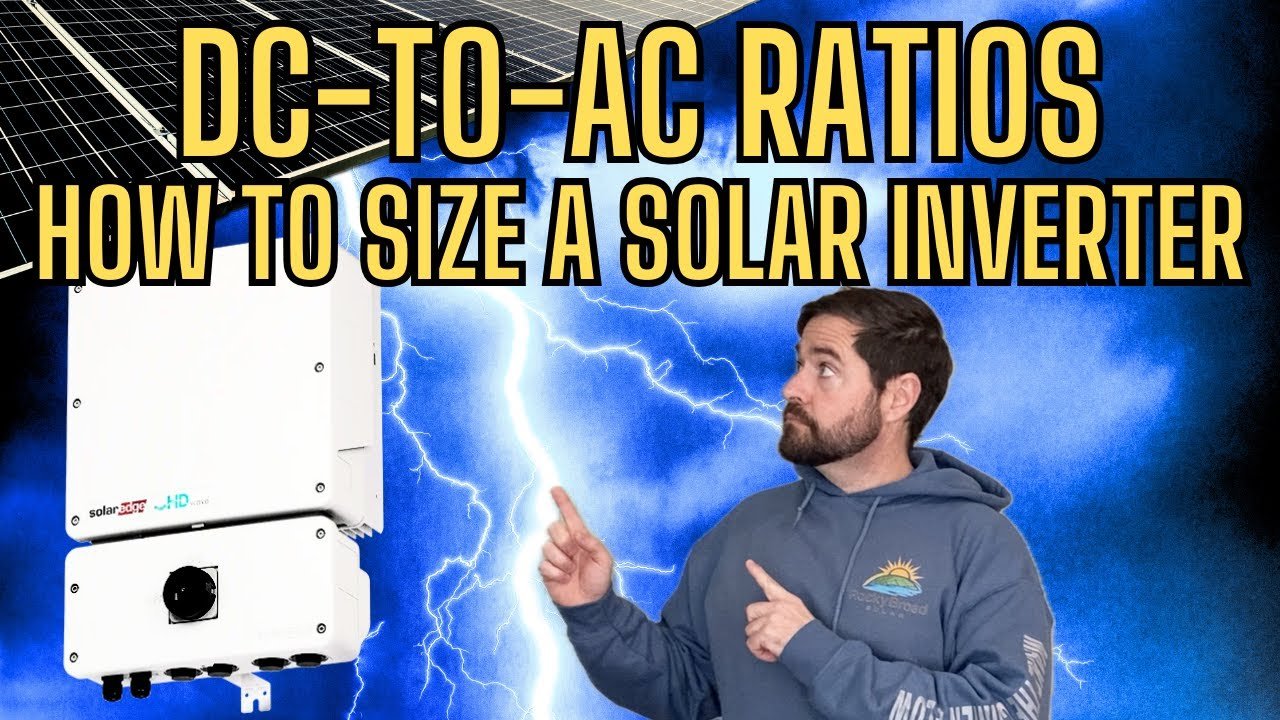
Image source: YouTube / Rocky Broad Solar (YouTube thumbnail (fair-use with source credit))
10kW DC refers to the total nameplate capacity of all your solar panels added together. This is the most common use of the term. When you hear someone say "I have a 10kW system," they almost always mean 10kW DC. That is the number we have been using throughout this article.
10kW AC refers to the inverter's output rating. Your inverter converts the DC power from your panels into AC power your home can use. The inverter's capacity limits how much AC power the system can deliver, regardless of how many DC panels you install.
The relationship between these two values is called the DC-to-AC ratio, or the oversizing factor. Most installers aim for a ratio between 1.2 and 1.4. That means for a 7.6kW AC inverter, you might install 9.5kW to 10.6kW DC of panels.
Why oversize? Because panels rarely operate at their rated wattage. Temperature, shading, dust, and aging all reduce real-world output.
Oversizing ensures your inverter reaches its full AC capacity during peak sun hours, especially in cooler weather when panels perform best.
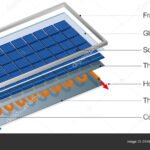
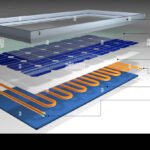
The full conversion process from sunlight to usable power involves several components beyond the inverter. Every part of the chain affects your system's real-world performance.
Your Step-by-Step Decision Workflow
Here is how to put everything together and find your answer:
- Check your electric bill. Find your annual kWh consumption. A 10kW system typically produces 10,000 to 15,000 kWh per year depending on your location.
- Measure your usable roof space. Subtract 10 to 20 percent for setbacks and access paths.
- Choose a panel wattage. Start with 400W panels and adjust up or down based on space.
- Calculate the minimum count. Divide 10,000 by your panel wattage. Round up.
- Verify the fit. Multiply the panel count by 17.5 square feet. Compare to your available roof area.
- Check inverter compatibility. Make sure your inverter can handle the DC array size.
- Get a site survey. An installer will confirm your numbers with shading analysis and structural review.
This workflow works for any panel wattage. Follow these steps and you will land on a number that fits your specific situation.
Common Mistakes That Throw Off Your Panel Count
Most errors come from misunderstandings about how solar systems work. Here are the ones we see most often.
Confusing AC and DC ratings. If your inverter is rated at 10kW AC, you can install more than 10kW DC of panels. That does not mean you have a 10kW system. Clarify which rating you are talking about before making decisions.
Assuming all panels are the same physical size. Higher wattage panels are often larger. A 450W panel may be several inches longer than a 350W panel. Always check the dimensions, not just the wattage.
Forgetting about shade and orientation. Panels on north-facing or east-west roofs produce less energy per panel. You may need more panels to reach 10kW DC of actual output capacity.
Ignoring local building codes. Some jurisdictions limit system size, require specific setbacks, or have structural loading requirements that affect how many panels you can install.
Skipping the structural analysis. Solar panels add about 3 to 4 pounds per square foot to your roof. Older roofs may need reinforcement before they can support a full 10kW array.
Real-World Case Examples for a 10kW System
Let us look at two common scenarios to make this concrete.
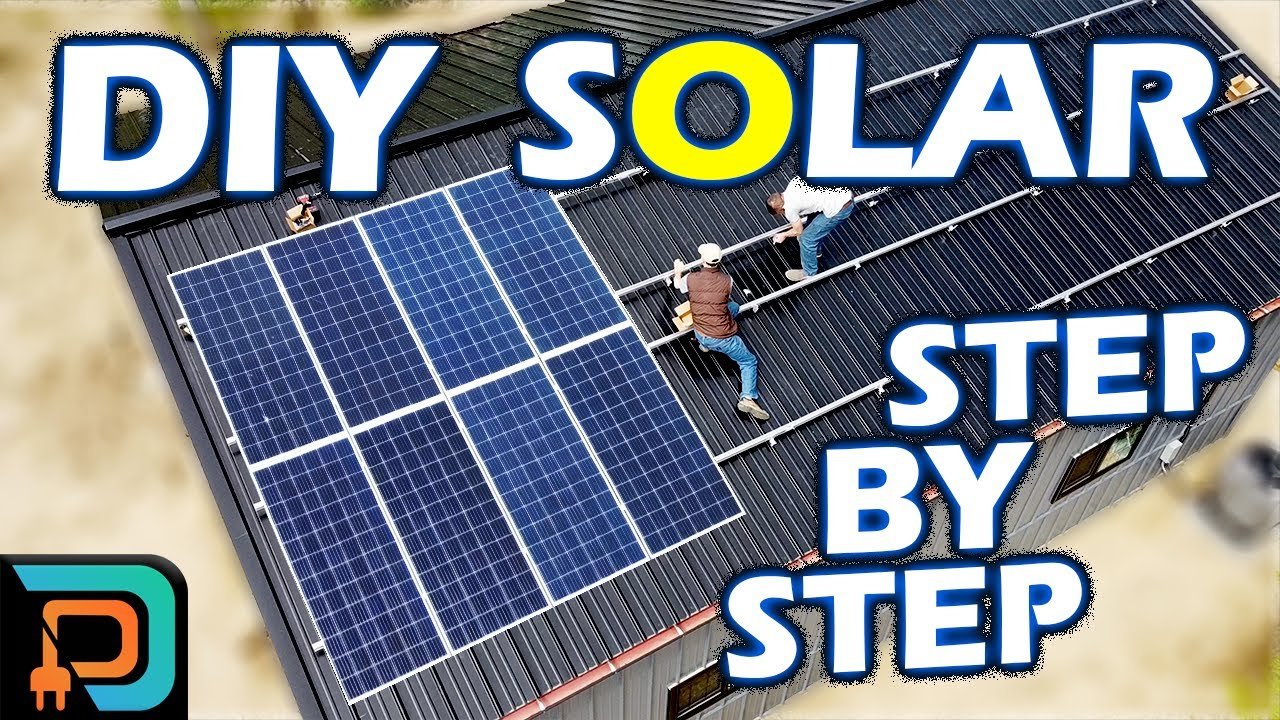
Image source: YouTube / Projects With Everyday Dave (YouTube thumbnail (fair-use with source credit))
Example A: Standard suburban home in California. The homeowner has 500 square feet of south-facing roof. They choose 400W REC panels. The math says 25 panels.
Total area needed is about 438 square feet. It fits comfortably. The system pairs with a 7.6kW inverter and a DC-to-AC ratio of 1.32.
Annual production is roughly 14,500 kWh.
Example B: Smaller home in Texas with limited roof space. The homeowner has 380 square feet of usable south-facing area. They need higher wattage panels to fit a 10kW DC array. They choose 440W Silfab panels.
That is 23 panels at about 403 square feet. It fits with room to spare. The system uses microinverters to handle partial shading from a nearby chimney.
Weighing the long-term tradeoffs between panel count, cost, and space helps each homeowner make the right choice for their property.
What About Cost? Budget Considerations with Different Panel Counts
Panel count affects your total system cost in several ways. More panels mean more racking, more wiring, and more labor. A 34-panel system with 300W panels will cost more to install than a 22-panel system with 450W panels, even though both are 10kW DC.
The panels themselves also vary in price. Higher wattage panels typically cost more per panel, but they often have a lower cost per watt. The 400W tier usually offers the best balance between panel cost and installation efficiency.
Installation labor is a big factor. Many installers charge per panel or per roof square foot. Fewer panels means lower labor costs.
This is one reason why 400W panels have become the default choice for most residential systems.
You should also factor in incentive eligibility. The federal solar tax credit applies to the total system cost, not the panel count. A system with fewer, higher-wattage panels may qualify for the same credit while costing less to install.
Permits, Compliance, and Utility Caps
Your local utility and building department can restrict how many panels you install, even if your roof has space.
Many utilities cap residential solar systems at 10kW AC for net metering. That limits your inverter size, which in turn caps how much DC you can reasonably install. Check your utility's interconnection rules before finalizing your panel count.
The Solar Energy Industries Association maintains state-by-state policy updates that can help you understand local restrictions.
Building codes require structural approvals for roof loads. Solar panels add about 3 to 4 pounds per square foot. Older roofs may need reinforcement, which can limit panel placement or total count.
HOA rules might restrict panel placement on certain roof faces. Review your covenants before committing to a specific layout.
Permitting timelines vary by jurisdiction. Some areas approve applications in days, while others take weeks. Factor that into your project schedule.
Frequently Asked Questions
How many solar panels do I need for a 10kW system?
You need 22 to 34 panels depending on the wattage of each panel. With modern 400W panels, you will need 25 panels. Lower wattage panels require more, and higher wattage panels require fewer.
The exact number also depends on your roof dimensions and local sun hours.
Is a 10kW solar system enough to power a house?
For most homes, yes. A 10kW system produces 10,000 to 15,000 kWh per year. The average US home uses about 10,600 kWh annually.
Your actual output depends on your location, roof orientation, and shading. Larger homes with electric heating or EV charging may need more capacity.
What is the DC to AC ratio for a 10kW system?
A healthy DC to AC ratio falls between 1.2 and 1.4. For a 7.6kW inverter, you would install 9.5 to 10.6 kW DC of panels. This oversizing accounts for real-world losses from heat, dust, and wiring resistance.
Most installers target a ratio of about 1.3 for optimal performance.
How much roof space do I need for a 10kW solar system?
You need roughly 400 to 600 square feet of usable roof area. The exact number depends on your panel wattage and physical panel size. Higher wattage panels require less roof space because you need fewer of them.
Measure your roof carefully including setbacks for fire access.
Can I install a 10kW system myself?
Technically yes, but most jurisdictions require licensed electricians for grid-tied systems. Permits, inspections, and utility interconnection agreements typically demand professional installation. DIY systems often void warranties and may not qualify for incentives.
Hire a NABCEP-certified installer for grid-tied work.
How much does a 10kW solar system cost in 2026?
The average cost ranges from $15,000 to $25,000 before the federal tax credit. Systems with fewer, higher-wattage panels tend to cost less in labor but more in equipment. The 400W panel tier usually offers the best value when you consider both equipment and installation costs.
Your Decision Guide: From Answer to Action
You now have everything you need to answer "how many solar panels in a 10kw system" for your specific situation. Start with the panel wattage that fits your budget and roof space. Run the quick calculation.
Verify the fit. Then work with a qualified installer to finalize the design.
The right answer is not a single number. It is the number that works for your roof, your budget, and your energy goals. Knowing the different panel options available today gives you the confidence to make that choice.
Your Step-by-Step Decision Workflow
Here is the fastest way to lock in your number. Start with your annual electricity usage from last year's bills. Divide that by your local sun hours to get the DC system size you actually need.
If it is close to 10kW, move ahead.
Measure your usable roof area. Subtract 15 percent for fire setbacks and access paths. Divide that by 17.5 square feet per panel.
That gives you the maximum panels your roof can hold.
Now match the two. Divide 10,000 by your chosen panel wattage. Round up.
Compare that count to what your roof can fit. If they match, you have your answer. If not, adjust the wattage up or down until they align.
Common Mistakes That Throw Off Your Panel Count
The biggest error is confusing DC and AC ratings. A 10kW AC inverter can handle more than 10kW DC of panels. That does not make it a 10kW DC system.
Always clarify which rating you mean before ordering equipment.
Another frequent mistake is assuming all panels are the same physical size. A 450W panel is often larger than a 300W panel. Check the exact dimensions on the datasheet before planning your layout.
Skipping a shading analysis is also common. A single tree branch can drop production on an entire string of panels. Account for shade early in the planning stage.
Real-World Case Examples for a 10kW System
Case one: Suburban home, 500 sq ft of south-facing roof. The owner picks 400W REC panels. That is 25 panels needing 438 sq ft. It fits comfortably.
Paired with a 7.6kW inverter, the DC to AC ratio sits at 1.32. Estimated annual output is 14,500 kWh in a sunbelt location.
Case two: Smaller roof, 380 sq ft usable area. The owner needs higher wattage to fit 10kW DC. They choose 440W Silfab panels. That is 23 panels at 403 sq ft.
Microinverters handle partial shade from a nearby chimney. This approach maximizes space without sacrificing total capacity.
Image source: YouTube / Projects With Everyday Dave (YouTube thumbnail (fair-use with source credit))
What About Cost? Budget Considerations with Different Panel Counts
More panels mean more racking, more wiring, and more labor. A 34-panel system with 300W panels will cost more to install than a 22-panel system with 450W panels, even though both deliver 10kW DC.
Higher wattage panels cost more per panel but often have a lower cost per watt. The 400W tier usually offers the best balance between equipment price and installation efficiency. Fewer panels also mean lower labor costs, which is why 400W panels dominate new residential installations.
The federal tax credit applies to the total system cost, not the panel count. A system with fewer high-wattage panels may qualify for the same credit while costing less to install.
Permits, Compliance, and Utility Caps
Many utilities cap residential solar at 10kW AC for net metering. That limits your inverter size and indirectly caps how much DC you can install. Check your utility's rules before finalizing your panel count.
The Solar Energy Industries Association tracks state-level policy changes that affect these limits.
Building codes require structural approvals for added roof load. Solar panels weigh roughly 3 to 4 pounds per square foot. Older roofs may need reinforcement before installation.
Factor that into your budget and timeline.
HOA rules can restrict panel placement on certain roof faces. Review your covenants early. Permitting timelines vary by jurisdiction.
Some approvals take days, others take weeks. Plan accordingly.
Frequently Asked Questions
How many solar panels do I need for a 10kW system?
You need 22 to 34 panels depending on panel wattage. With 400W panels, you need 25. Lower wattage panels require more.
Higher wattage panels require fewer. Your roof dimensions and local sun hours also affect the final count.
How much roof space does a 10kW system need?
You need roughly 400 to 600 square feet of usable area. Higher wattage panels need less space because you install fewer of them. Always measure your roof including setbacks for fire access before finalizing a design.
Can a 10kW system power my entire home?
For most homes, yes. A 10kW system produces 10,000 to 15,000 kWh per year. The average US home uses about 10,600 kWh annually.
Larger homes with electric heating or EV charging may need more capacity.
What is the DC to AC ratio for a 10kW system?
A healthy ratio falls between 1.2 and 1.4. For a 7.6kW inverter, install 9.5 to 10.6 kW DC of panels. This oversizing accounts for real-world losses from heat, dust, and wiring resistance.
Most installers target a ratio of about 1.3.
How much does a 10kW system cost in 2026?
The average cost ranges from $15,000 to $25,000 before the federal tax credit. Systems with fewer high-wattage panels tend to cost less in labor but more in equipment. The 400W panel tier usually offers the best value overall.
Your Decision Guide: From Answer to Action
You now have the tools to answer this question for your specific situation. Start with your panel wattage choice. Run the math.
Verify your roof space. Then work with a qualified installer to finalize the design.
The right answer is not a fixed number. It is the number that fits your roof, your budget, and your energy goals. Understanding your options gives you the confidence to make that choice.

Similar Posts