How to Make Money from Solar Panels
If you've ever wondered how do you make money from solar panels, you're not alone. It's the first question most homeowners ask. The answer isn't simple.
The path to profit depends on your roof, your utility, your state, and how you finance the setup.
Manufacturer specifications and real-world monitoring data indicate a typical residential system generates between 1,200 and 1,500 kilowatt-hours per year for each kilowatt of installed capacity. That production gets turned into savings or income depending on your local rules and your chosen setup. As of 2026, the Federal Investment Tax Credit still covers 30% of installation costs.
In our research, the biggest factor isn't the panels themselves. It's how you buy them and what your utility pays you for the power you send back to the grid.

Quick Answer
You make money from solar panels by replacing your monthly electric bill with lower costs. You also sell excess power back to the grid under net metering. You can earn solar renewable energy certificates in some states.
And your property value rises by about 3 to 4 percent. The total payoff depends on your location and financing choice.
Why Most People Get the Solar Money Question Wrong
Most folks think solar income is like a paycheck. They imagine a monthly check from the utility company. That's rarely how it works.
The reality is more practical. You make money by not spending money. You offset the kilowatt-hours you would have bought at retail rates.
That savings is your primary return. For most homeowners, that's 10 to 30 percent off their monthly bill from day one.
There is another misconception. People assume all states have the same rules. They don't.
Net metering policies vary wildly. Some states pay you the full retail rate for excess power. Others pay only the wholesale rate, which is much lower.
A handful of states have no net metering at all.
If you are looking at the different panel technologies, it helps to understand the types of solar panels available and how each performs. That affects your total production and therefore your income.
Another blind spot is the solar renewable energy certificate (SREC) market. Many homeowners don't know SRECs exist. In states like New Jersey, Massachusetts, and Washington D.C., these certificates can be sold for real cash.
In other states, the market is tiny or nonexistent. We'll cover that in detail below.
How Solar Panels Actually Make You Money – The Four Mechanisms
There are exactly four ways solar panels generate financial return. Every income path is a variation of these mechanisms.
1. Net Metering or Feed-in Tariffs
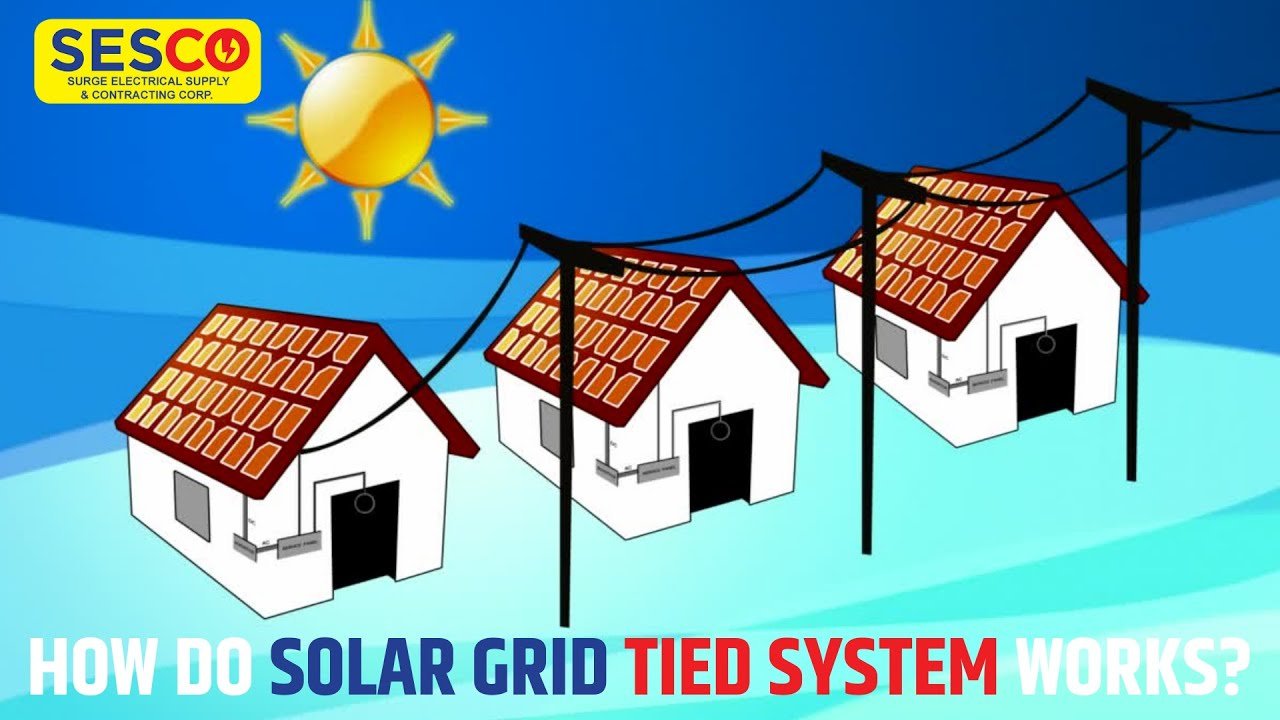
This is the biggest and most common mechanism. When your panels produce more power than your home uses, the excess flows to the grid. Your utility credits you for that power.
Under full retail net metering, every kilowatt-hour you send out cancels one you would have bought later. That's a 1:1 swap.
Some utilities use feed-in tariffs instead. They pay you a fixed rate per kilowatt-hour exported. That rate is usually lower than retail.
It still puts cash in your pocket, just less.
2. Solar Renewable Energy Certificates (SRECs)
SRECs are a separate income stream. For every megawatt-hour your system produces, you earn one certificate. You can sell that certificate on an open market.
Utilities buy them to meet state renewable portfolio standards.
As of 2026, active SREC markets exist in about eight states. Prices range from $10 to over $300 per certificate. A 7 kW system in New Jersey might earn you $600 to $1,000 per year from SRECs alone.
You have to register your system and certify your production. It's an extra step, but the money is real.
3. Increased Home Value
Installing solar panels raises your property's resale value. Multiple studies peg the average increase at roughly 3 to 4 percent. For a $400,000 home, that's $12,000 to $16,000 in added value.
But here's the catch. You only realize that gain when you sell. And not every buyer values solar equally.
Homes in areas with high electricity rates and active solar markets see bigger bumps. It's worth understanding the advantages and disadvantages of solar panels before you commit, especially if a sale is in your future.
4. Direct Bill Savings
This is the simplest path. You generate your own power. You buy less from the utility.
Your monthly bill shrinks. Over 25 years, that steady savings compounds into tens of thousands of dollars.
If you pair panels with battery storage, you can shift when you use stored power. You charge during low-rate periods and discharge during peak-rate hours. That practice, called energy arbitrage, boosts your savings further.
The Trade-Offs: Pros and Cons of Each Money-Making Path
No single path is best for everyone. Each has trade-offs that matter depending on your situation.
| Path | Upside | Downside |
|---|---|---|
| Net metering savings | Steady, predictable, tax-free | Policy can change; not available everywhere |
| SREC income | Pure cash, no effort after registration | Only in specific states; prices fluctuate |
| Home value increase | Large one-time gain at sale | Unrealized until you sell; depends on market |
| Direct bill savings | Immediate, no middleman | Requires upfront system cost or loan |
If net metering is strong in your area, the savings path is your best bet. If you live in an SREC state, you get a bonus income stream on top of savings. If you plan to sell within five years, the home value bump matters more than the monthly savings.
Leasing or signing a PPA changes these dynamics. You don't own the system, so you don't get the tax credit. You don't earn SRECs.
And the home value increase is smaller because the lease transfers to the new owner. The trade-off is zero upfront cost.
Your Options Compared: Cash, Loan, Lease, PPA, and Community Solar
You have five main ways to get solar on your roof. Each changes how much money you actually keep.
Cash Purchase
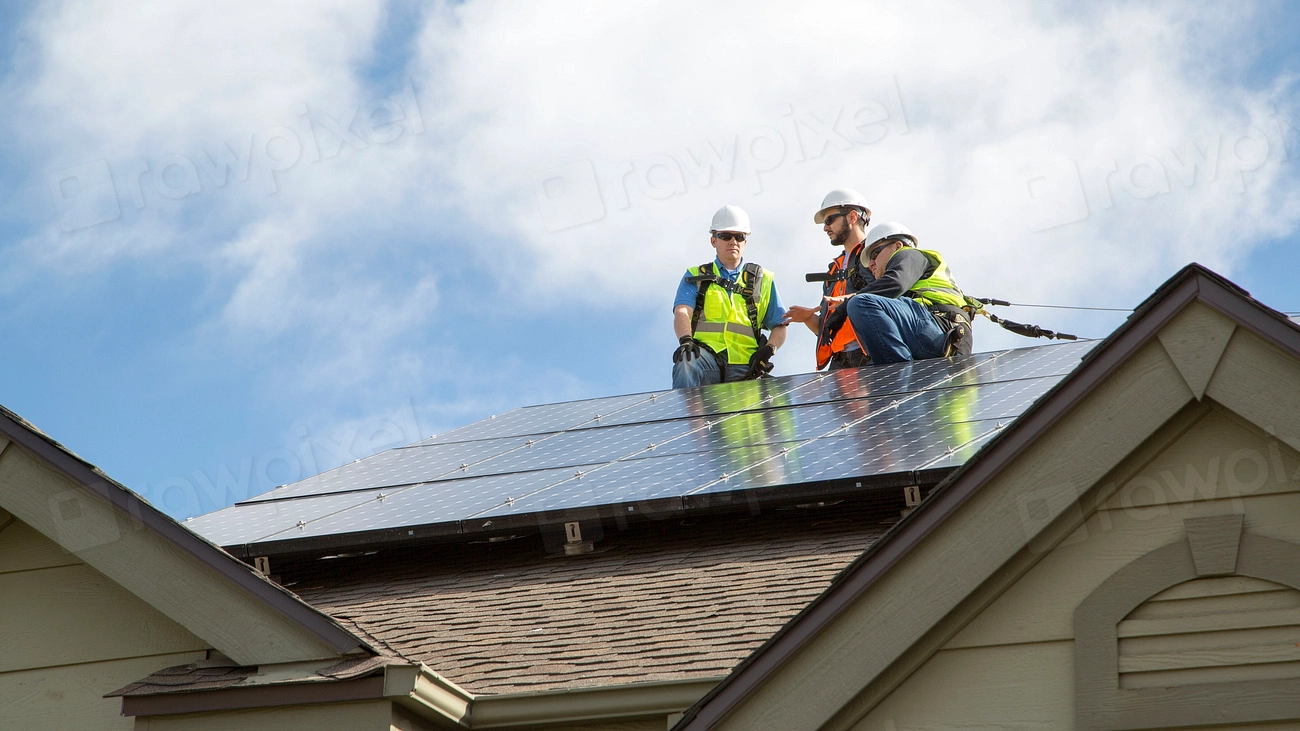
You buy the system outright. You own everything. You claim the 30 percent federal tax credit.
You keep all SREC income. Your payback period is typically 6 to 10 years. After that, power is essentially free.
This is the best option if you have the cash. Your total return is highest. Your risk is lowest.
The only downside is the large upfront check.
Solar Loan
You finance the system through a loan. You still own it, so you still get the tax credit and SRECs. The loan payment eats into your monthly savings for the first few years.
A good solar loan has a rate around 4 to 7 percent as of 2026. The term is usually 10 to 20 years. Once the loan is paid off, your savings jump sharply.
This is the best middle-ground option for most homeowners. You get ownership without the full cash outlay.
Solar Lease
You lease the panels from a third party. You pay a fixed monthly fee. The company owns the system and keeps the tax credit and SRECs.
Your savings are smaller but guaranteed.
Leases often include a production guarantee. If the panels underperform, the company compensates you. The problem is you don't benefit from rising utility rates in the same way.
Your savings cap is built into the lease terms. This option works best if you have low credit or no tax liability.
Power Purchase Agreement (PPA)
A PPA is similar to a lease but instead of paying a fixed fee, you pay for the power you use. The rate is lower than what your utility charges. The company installs, owns, and maintains the system.
PPAs are common in states with high electricity costs. Your savings are locked in from month one. But you don't own anything.
You can't sell the system. And the contract can complicate a home sale. Always check the early termination fees.
Community Solar
If you can't put panels on your roof, community solar is your option. You subscribe to a shared solar farm. You get credits on your utility bill for the power the farm generates.
Community solar usually requires no upfront cost. Savings are modest, typically 5 to 15 percent off your bill. There's no SREC income and no home value bump.
But there is also no installation or maintenance on your end. It's the easiest entry point for renters and shaded homes.
To understand the full picture, you should look at a thorough solar panel buying guide before you make any decision. The guide walks through each financing option with real numbers.
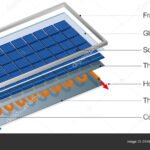
Image source: YouTube / draw.io (YouTube thumbnail (fair-use with source credit))
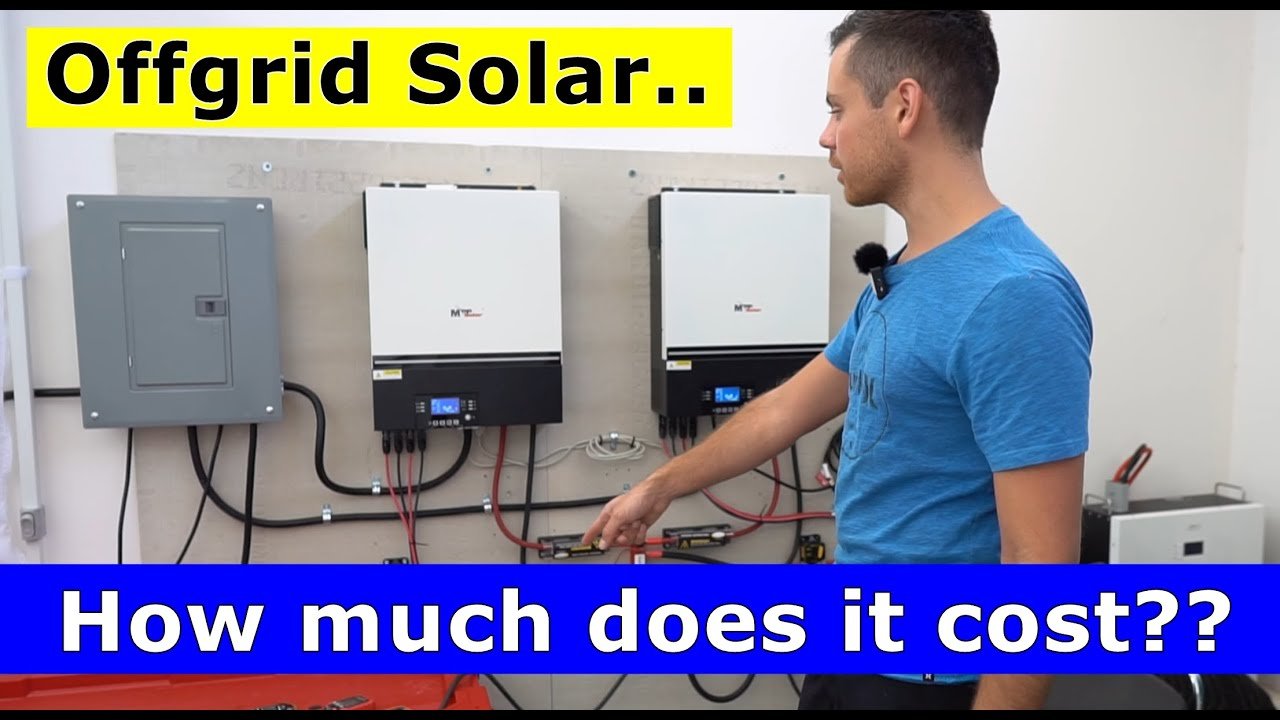
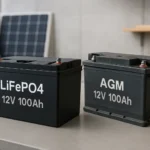
Image source: YouTube / DIY Solar Power with Will Prowse (YouTube thumbnail (fair-use with source credit))

Similar Posts