How to Clean Snow Off Solar Panels Safely

If you see your solar panels buried under a foot of snow, you're probably wondering how do you clean snow off solar panels without damaging them or hurting yourself. It's a fair question, and the answer isn't always obvious. Snow can knock out a hefty chunk of your winter energy production, but rushing to clear it can lead to cracked glass, voided warranties, or worse.
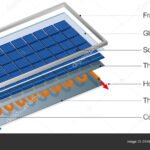
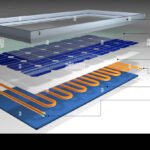
Manufacturer specifications indicate that as little as one inch of snow can reduce your system's output by 40 to 80 percent, depending on cloud cover. The way panels convert sunlight to electricity depends on the basic structure of a solar panel, and that structure is sensitive to damage. Let's look at what actually works.
Image source: Openverse / sweekar7
Why Accuracy Matters Here
Cleaning snow off solar panels isn't like shoveling your driveway. The stakes are higher. Get it wrong, and you could fall off a roof, electrocute yourself, or scratch the tempered glass surface.
Those scratches can reduce efficiency permanently, and they might void your warranty.
The different panel designs on the market can vary in their glass coating thickness, but all are sensitive to abrasion. That glass has an anti-reflective coating. Use a metal scraper or a stiff brush, and you'll leave micro-scratches that trap dirt and lower output.
According to the International Electrotechnical Commission (IEC) testing standards, the glass is designed to withstand hail and snow loads, but not sharp tools.
The most common injuries in this task come from ladder slips and roof falls. The Occupational Safety and Health Administration (OSHA) reports that falls from roofs are a leading cause of construction injuries. Even if you're just cleaning snow, you're working at height, often on a slippery surface.
That's why accuracy matters.
The Quick Answer: Two-Minute TL;DR
Use a soft-bristle brush or a non-abrasive roof rake with a plastic blade. Start from the top edge and push downward. Never use hot water, salt, or metal tools.
Work from the ground with a long pole if possible. If you can't reach the panels safely, let the snow melt naturally.
How Snow Affects Solar Panels (And When It's Fine to Leave It)
A layer of snow on your panels is like a blanket blocking sunlight. The darker the snow, the more light it absorbs. White, fluffy snow reflects light, so some scattered light still reaches the cells.
But in general, output drops sharply.
However, there's a nuance. Solar panels produce heat when they work. That heat can melt the snow from the bottom up, especially if the panels are tilted at 20 degrees or more.
Many modern panels with a frameless design shed snow faster. If your roof is steep and the snow is light, you might not need to do anything.
Research from the National Renewable Energy Laboratory (NREL) shows that snow losses vary widely by location and tilt angle. Understanding the way panels convert sunlight to electricity helps explain why even a thin layer of snow matters. If your panels are flat or low-tilt, snow can pile up and stay for weeks.
That's when you need to take action.
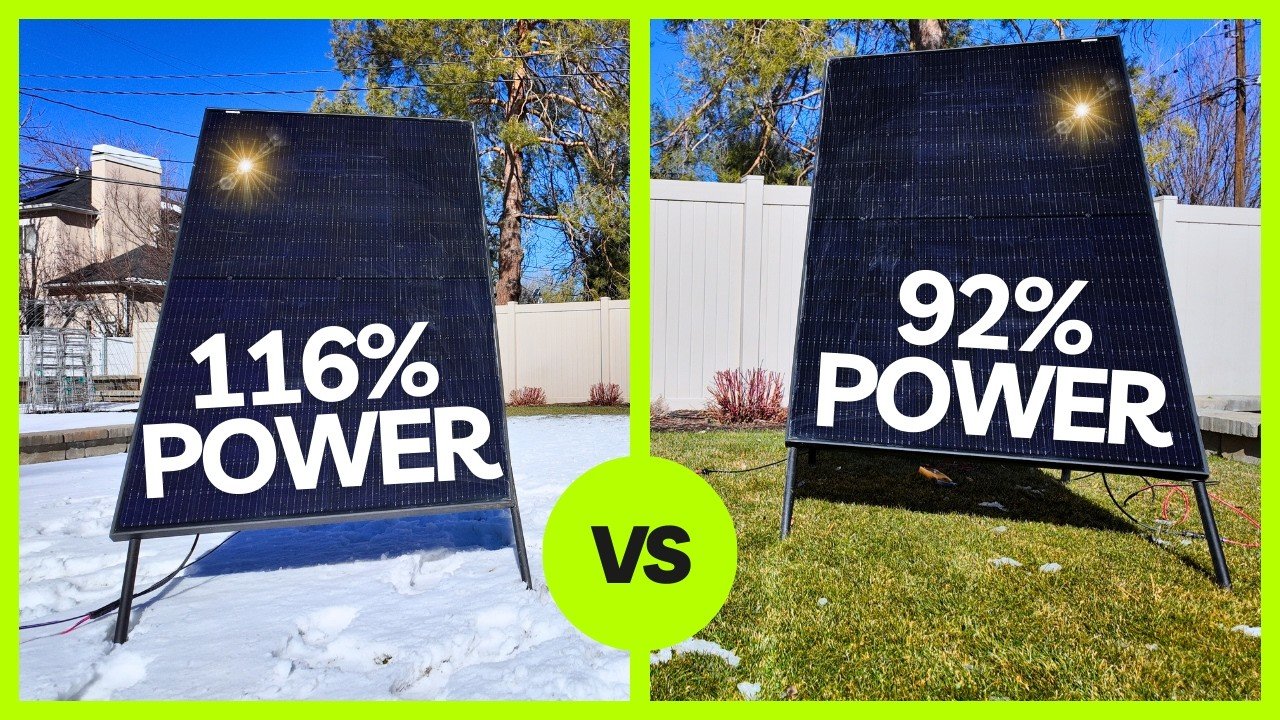
Image source: YouTube / There's A Trick For That (YouTube thumbnail (fair-use with source credit))
The Real Risks: Falls, Shocks, Scratches, and Warranty Voids
This is the section where we get serious. The risks break down into four categories.
Falls. If you're walking on a snowy roof, you're on a slippery slope. Use a harness and a ladder stabilizer. Better yet, work from the ground with a long pole.
The fall protection guidelines from OSHA are worth reading before you start.
Electrical shock. Solar panels generate electricity even in snow. If you use a metal tool and touch exposed wiring or the conductive frame, you could get a shock. Always use non-conductive tools.
Scratches. The anti-reflective coating on the glass is delicate. A metal rake or a stiff brush will leave permanent marks. Those marks reduce efficiency and can void the warranty.
Voided warranty. Many manufacturers explicitly forbid certain cleaning methods. Check your panel's documentation. If you use a pressure washer or a metal tool, you might be on the hook for replacement costs.
The long-term benefits of solar energy are significant, but a damaged panel undercuts those savings.

Image source: YouTube / Taylor White (YouTube thumbnail (fair-use with source credit))
Safe Tools That Actually Work (And What to Avoid)
Not all tools are created equal. Here's what works and what doesn't.
| Tool | Safe? | Best For | Why It Works |
|---|---|---|---|
| Plastic-blade roof rake | Yes | Roofs up to 20 ft | Non-abrasive, long reach |
| Soft-bristle brush on pole | Yes | Ground-level access | Gentle on glass |
| Heated cable system | Yes | Flat roofs, chronic snow | Prevents accumulation |
| Snow removal robot | Yes | Large arrays | Hands-free |
| Metal scraper or shovel | No | Never | Scratches glass, voids warranty |
| Hot water | No | Never | Thermal shock cracks the glass |
| Salt or chemicals | No | Never | Corrodes frame and wiring |
The plastic-blade roof rake is the most common DIY tool. It's affordable, usually under $60, and reaches most residential roofs. The key is to use a gentle, pushing motion, not a scraping or chopping motion.
A soft-bristle brush on a telescoping pole is another good option. It's safer because you can often stand on the ground. But it takes more effort for deep snow.
Heated cable systems are expensive to install, but they work well for flat roofs that don't shed snow. The cables melt the snow at the edge, so it slides off in sheets.
Snow removal robots are relatively new. They crawl over the panels and brush the snow off. They're expensive, but they remove the risk of roof work entirely.
Avoid metal tools, hot water, and salt. Those will damage the panels and void your warranty. If you're unsure about a tool, check the manufacturer's guidelines.
The same considerations apply as choosing the right equipment for your setup.
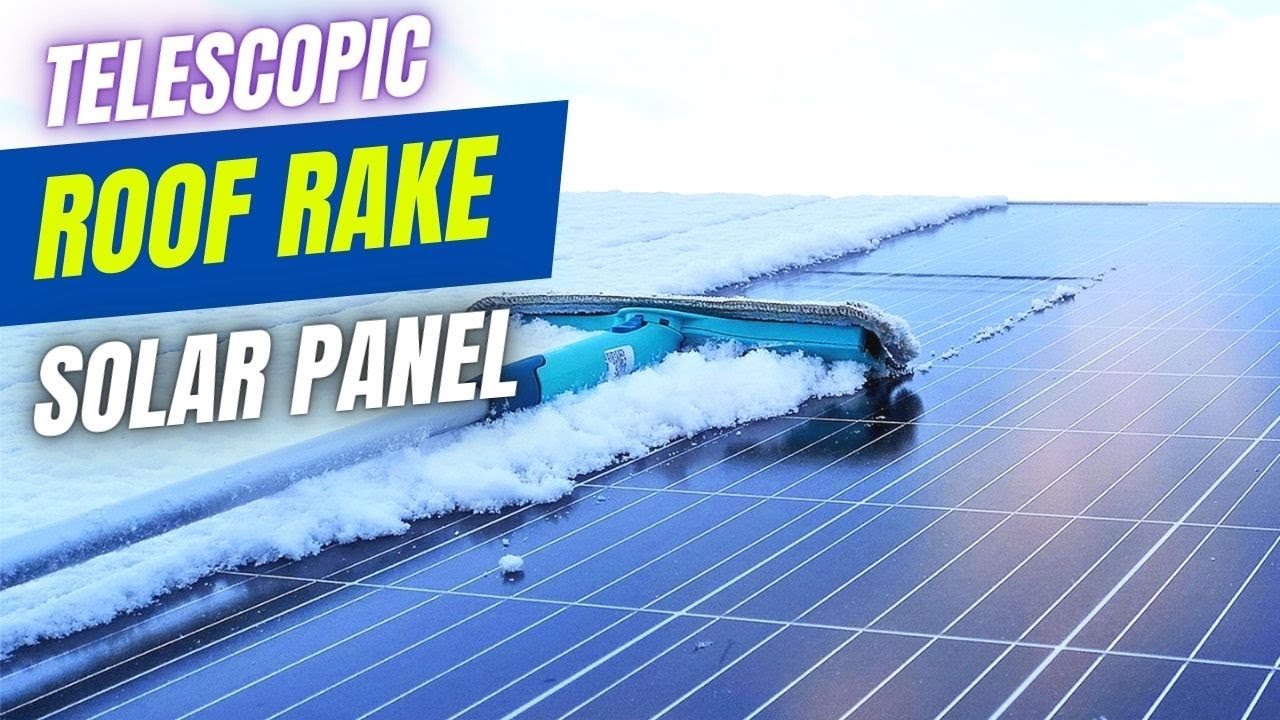
Image source: YouTube / Best Snow Blower Guidance (YouTube thumbnail (fair-use with source credit))
Step-by-Step: How to Remove Snow Safely
Let's walk through the actual process. This assumes you have a non-abrasive roof rake with a plastic blade and a long reach.
Step 1: Assess the situation from the ground. Look at the snow depth and the roof pitch. If the roof is steeper than 20 degrees and the snow is light, wait. If the panels are flat or the snow is heavy, proceed.
Step 2: Gear up. Wear non-slip boots and gloves. If you must go on the roof, use a fall arrest harness anchored to a secure point. Never work alone.
Step 3: Position your rake. Stand on the ground or a stable ladder. Extend the pole so the blade sits at the top edge of the panel array.
Step 4: Push, don't pull. Slide the blade downward along the glass. Use gentle, even pressure. Let gravity do the work.
Do not scrape or jab.
Step 5: Clear the bottom edge. Snow can pile up at the lower edge and create an ice dam. Brush that area lightly. If you have a soft-bristle brush, use it for the final pass.

Image source: YouTube / theoger999 (YouTube thumbnail (fair-use with source credit))
Step 6: Check your work. Look for remaining patches. A thin layer of frost is fine. It will melt when the sun hits.
Do not try to polish the glass to perfection.
Step 7: Store your tools. Dry the rake or brush before putting it away. Moisture can freeze and damage the handle or pole.
What about ground-mounted panels?
Ground-mounted arrays are much easier. Use a soft-bristle brush on a pole. You can also sweep snow off with a gentle motion.
The same rules apply about abrasives and pressure.
What if the snow is wet and heavy?
Heavy wet snow is the most dangerous for your panels. It adds significant load. A 4-inch layer of wet snow can weigh 10 to 20 pounds per panel.
Remove it promptly but carefully. If you can't reach it safely, call a pro.
What Not to Do — Common Mistakes That Cost You
People make predictable mistakes when they rush. Here are the ones that hurt the most.
Using hot water. This is the biggest mistake we see. Pouring hot water on cold glass can cause thermal shock. The glass cracks instantly.
The crack spreads across the entire panel. That panel is now dead and needs replacement.
Using salt or chemicals. Road salt, ice melt, or any deicing chemical will corrode the aluminum frame and the electrical contacts. The corrosion spreads over time and can cause electrical faults. Many manufacturers explicitly ban chemical cleaners in the warranty.
Using a metal shovel or scraper. Metal leaves permanent scratches. The anti-reflective coating is about 100 nanometers thick. That's a few hundred atoms.
A single scrape removes it. The scratch scatters light instead of focusing it on the cells.
Walking on the panels. Do not step on a solar panel. The glass is tempered but can crack under point load. A person's weight concentrated on a heel or boot can shatter the cell underneath.
The repair cost is substantial.
Using a pressure washer. High-pressure water can force moisture into the junction boxes and connectors. That leads to corrosion and electrical failure. Pressure washers also strip the anti-reflective coating over time.
Waiting too long. If you let snow sit for weeks, it can freeze and thaw repeatedly. That cycle creates ice dams and puts stress on the mounting system. Remove snow within a few days if possible.
When to Call a Professional (And When to Just Wait)
You don't always need to act. Here's a decision tree.
Wait for natural melt if:
- Your panels are tilted at 20 degrees or more
- The snow is light and fluffy
- Temperatures are expected above freezing within 48 hours
- You cannot safely access the panels
Call a professional if:
- Your roof is steep (over 30 degrees) and you don't have fall protection
- The snow is deep and heavy (over 6 inches of wet snow)
- You have a flat roof with no natural shedding
- You've never been on a roof before
- You feel uncertain about your balance or physical ability
Professional solar snow removal services charge between $100 and $300 per session as of 2026. That's a small price compared to a hospital visit or a broken panel. They carry insurance and proper equipment.
When is it worth the cost?
If you live in a heavy snow zone like the Northeast or the Great Lakes region, losing two weeks of production per storm could cost you more than the removal service over a season. Crunch the numbers. The cost of solar panel ownership includes maintenance like this in some climates.
Expert Tips for Winter Solar Performance
These tips come from aggregate installer feedback and manufacturer documentation.
Tilt your panels steeper if possible. A 30 to 45 degree angle sheds snow much faster than a 15 degree angle. If you have adjustable mounts, change the tilt before winter.
Leave an air gap. Some mounting systems leave a gap between the panel and the roof. That cold air flow helps melt snow from the bottom. It's a small design choice that makes a big difference.
Trim nearby trees. Branches that overhang your roof drop snow onto the panels. Keep them trimmed back by at least 10 feet.
Monitor your system's output. Use your inverter's app or a monitoring platform. If you see a sharp drop in production after a storm, you know snow is the cause. You can then decide whether to remove it.
Consider heated cables for chronic problems. If you get multiple snow events each winter and your panels are low-tilt, heated cables along the bottom edge can prevent ice buildup. Installation costs around $200 to $400 per run.
Work with your installer. Ask your installer what they recommend for your specific panel model. Some brands have unique coatings or mounting systems that require specific care. The way panels generate electricity and transfer heat varies by design, and that affects snow shedding.
Keep a dedicated snow removal tool. Buy a quality plastic-blade rake before winter hits. Don't wait until you're buried. Store it in a dry place.
Check it for damage before each use.
Frequently Asked Questions
Will snow completely stop my solar panels from working?
No. Panels can still generate some power from diffuse light through snow. Production drops sharply, but it doesn't hit zero.
A thin layer of frost or dust reduces output by roughly 10 to 15 percent.
Can I use a leaf blower to remove snow?
You can try, but it's not very effective on heavy snow. A leaf blower works best for light, powdery snow on ground-mounted panels. It won't budge wet or packed snow.
Do solar panels melt snow on their own?
Yes, partially. Panels warm up as they generate electricity. That heat can melt a thin layer of snow from the bottom up.
But if the snow is deep or the temperature is very low, the heat isn't enough to clear the panel quickly.
How often should I remove snow from my panels?
Only when it's safe and necessary. If your panels are tilted and the snow is light, let it melt. If production drops significantly and the snow persists for more than three days, consider removal.
Will removing snow damage my panels?
Not if you use the right tools and technique. A plastic blade or soft brush on clean glass is safe. Avoid metal, pressure washers, hot water, and chemicals.
Is it worth paying for professional snow removal?
It depends on your setup and location. In heavy snow zones, the energy loss from one storm can exceed the cost of removal. Factor in the safety risk.
If you're not comfortable on a roof, it's worth every penny.
Your Decision Guide: What to Do Next
So here's where you land. Let's make it simple.
If you can safely reach your panels from the ground with a long tool, use a plastic-blade roof rake or a soft-bristle brush. Push the snow downward. Don't scrape.
Check your output afterward.
If you can't reach safely or your roof is steep, call a professional. The cost of a service call is lower than the cost of an emergency room visit. Most pros charge $100 to $300 per session.
That's a fair price for peace of mind.
If your panels are tilted at 20 degrees or more and the snow is light, do nothing. Let the sun and the panel's own heat do the work. Check your monitoring app in a day or two.
If you have a flat roof or chronic snow accumulation, consider a heated cable system or a snow removal robot. The upfront cost is higher, but it pays off over several winters.
If you're unsure about any step, stop. Read your panel manufacturer's cleaning guidelines. The process of collecting light and converting it into power depends on an intact glass surface.
Damaging that surface is permanent.
The bottom line is this. Snow on solar panels is a temporary problem. It's not a crisis.
The panels will melt it eventually. The question is whether you want to speed things up. If you do, use the right tools, stay safe, and never compromise on technique.
Your panels are built to last decades. A little patience and care each winter keeps them producing at their best.

Similar Posts