Breakthrough Solar Panel Technologies to Watch
Emerging Solar Panel Technologies promise higher efficiency and lower costs, but separating the lab breakthroughs from the panels you can actually buy takes some digging. If you're a homeowner or installer trying to figure out which next-generation tech is worth the investment, you've probably run into confusing claims and contradictory advice.
As of 2025, perovskite-silicon tandem cells have reached 33.9% efficiency in lab tests per Oxford PV, but commercial modules remain in early pilot production. Meanwhile, TOPCon and HJT panels are shipping now with solid warranties. So let's cut through the hype and look at what's real, what's coming, and what you should actually consider for your property.
Quick Answer
Emerging solar panel technologies include perovskite-silicon tandem, HJT, TOPCon, and bifacial panels. Perovskite tandem offers the highest efficiency but limited availability. HJT and TOPCon are commercially available with better temperature coefficients.
Bifacial panels are already common. Each has trade-offs in cost, durability, and warranty. Your choice depends on your roof, climate, and timeline.
Why This Matters More Than You Think
The solar industry loves a good headline. Every few months a lab announces a new efficiency record, and suddenly "breakthrough" panels sound like they're ready for your roof. But the gap between a champion lab cell and a mass-produced module that lasts 25 years is enormous.
Our research shows that many of these emerging technologies come with hidden risks. Perovskite cells, for instance, degrade quickly when exposed to moisture and heat. Manufacturer warranties for perovskite-based panels are still rare, and those that exist are short often 10 years instead of the standard 25.
That's a big deal if you're spending thousands on an installation.
You also need to consider compatibility. The basic electrical components inside a panel are changing with these new designs, and not every inverter or racking system works out of the box. If you jump in too early, you could end up with a system that's hard to repair or upgrade later.
The bottom line: understanding which technologies are genuinely ready and which are still science experiments can save you from a costly mistake. That's what this guide is for.
The Core Facts: Which Technologies Are Actually Here
Let's separate what's shipping now from what's still in the lab. Here's a quick snapshot of the main emerging solar panel technologies, based on manufacturer specifications and industry reports.
Commercially available today
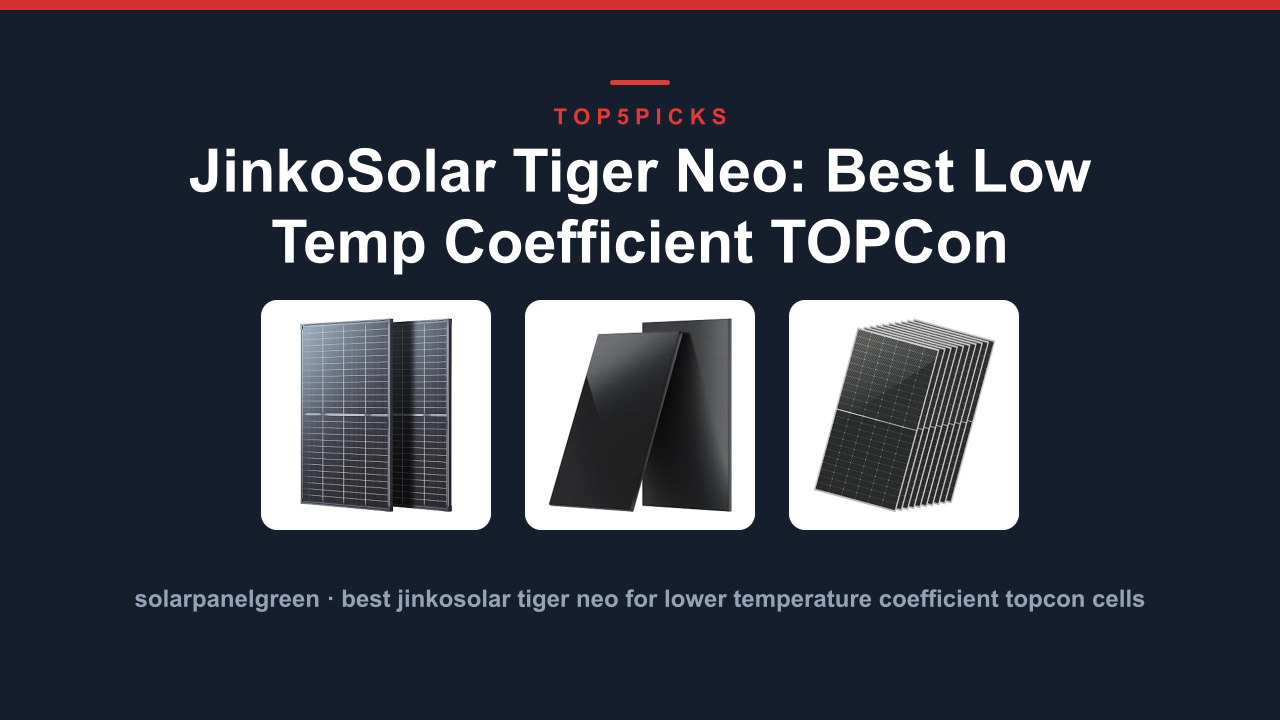
- TOPCon (tunnel oxide passivated contact) . This is an evolution of PERC. Multiple manufacturers like LONGi and JinkoSolar ship TOPCon modules in volume. Efficiencies sit around 22% to 23% with better temperature coefficients than older PERC cells. Warranty terms match standard silicon panels.
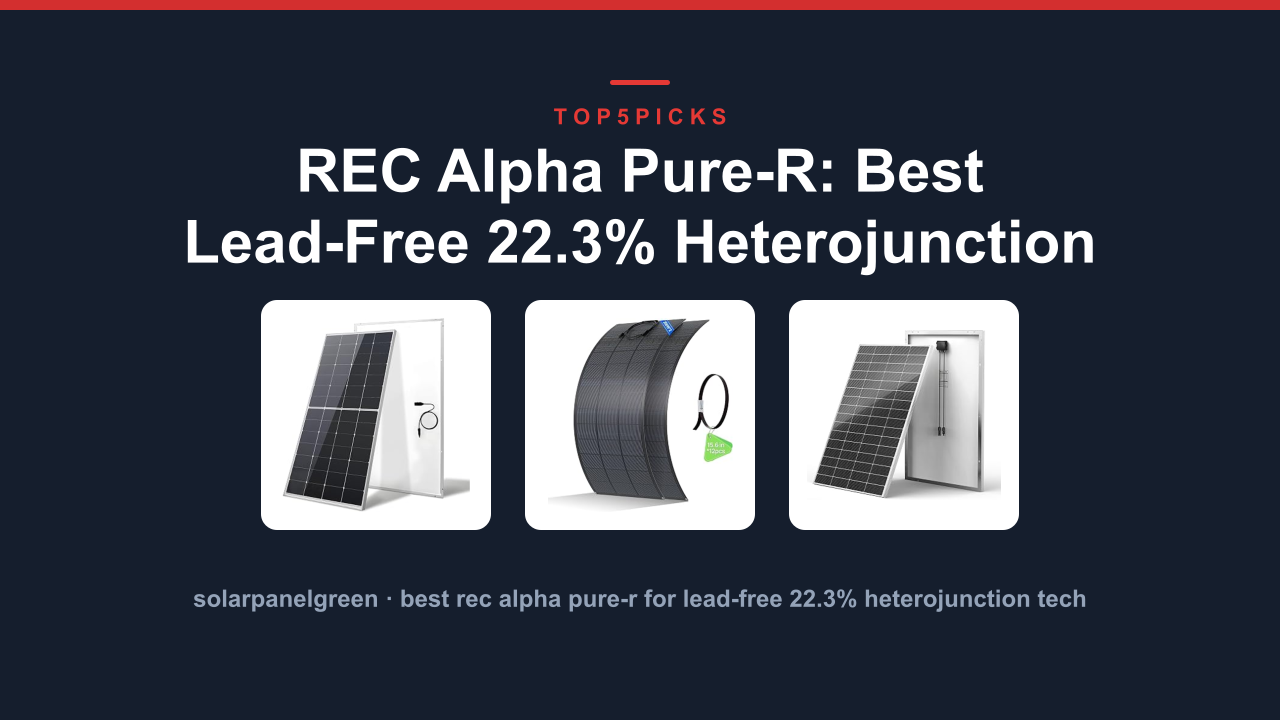
- HJT (heterojunction) . Combines crystalline silicon with thin amorphous silicon layers. Panels from REC and Panasonic achieve around 22% to 24% efficiency. HJT has an excellent temperature coefficient around -0.25%/°C, which matters in hot climates. These panels are proven and carry 25-year warranties.
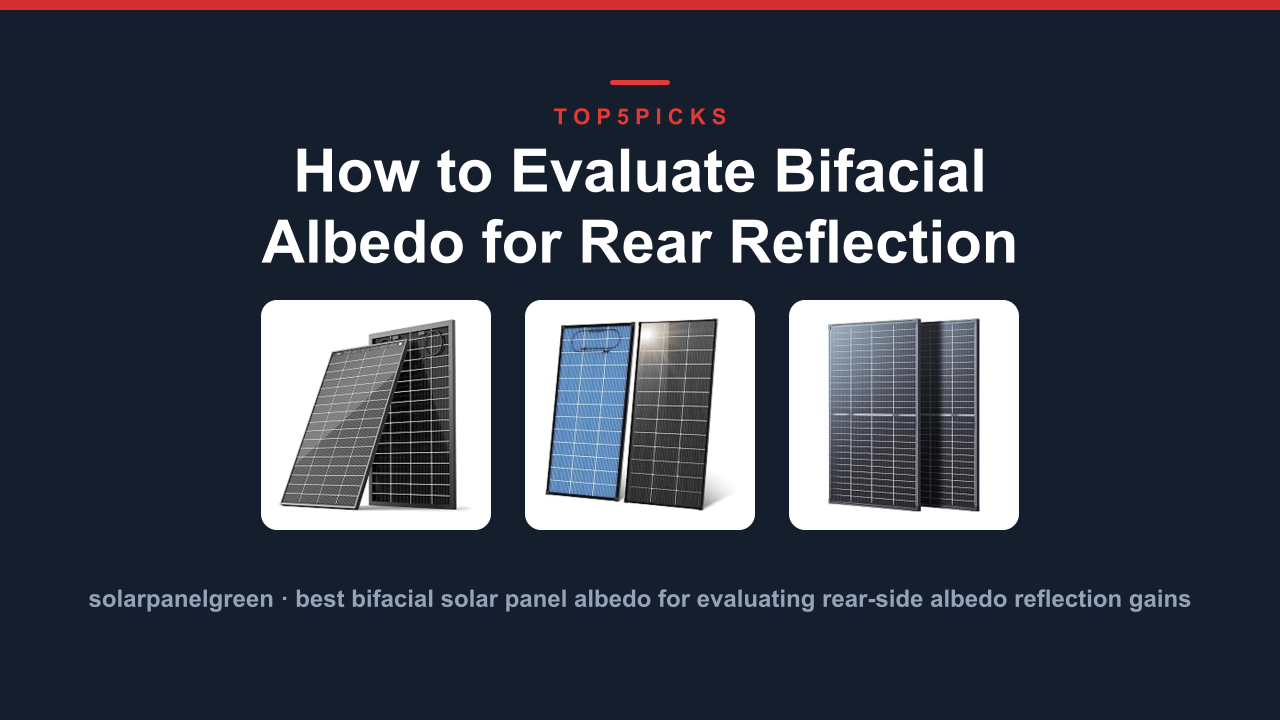
- Bifacial panels . Available in both TOPCon and HJT variants. They capture light from both sides, boosting total output by 5% to 30% depending on the ground surface. Bifacial modules are now standard in many utility-scale projects and are increasingly common on residential roofs with reflective ground covers.
Early commercial or pilot stage
- Perovskite-silicon tandem . Oxford PV opened the world's first commercial production line for tandem cells in 2023, but volumes are tiny. Efficiency in modules is around 24% to 26%, with lab cells hitting higher numbers. Pricing is premium, and warranties are limited. Installation requires careful handling because the cells are sensitive to moisture.
- CIGS (copper indium gallium selenide) thin-film . Available from a few manufacturers like First Solar (for CdTe) and Avancis (for CIGS). Thin-film panels are lightweight and flexible, but their efficiency typically lags behind crystalline silicon. They're used mainly in BIPV and specialized applications.
Still in research
- Organic photovoltaics (OPV) . Flexible and potentially very cheap, but efficiency is below 12% and lifespan is short.
- Quantum dot solar cells . Promising tunable absorption, but still far from commercial.
If you want a broader refresher on how these compare to traditional panels, check out our guide to the different types of solar panels.
How They Compare: Efficiency, Lifespan, and Real Trade-Offs
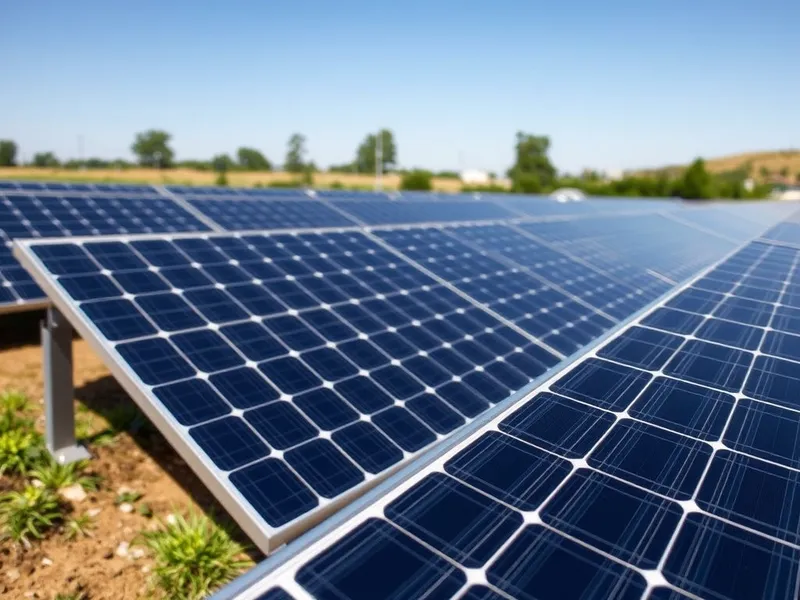
Numbers only tell part of the story. You also need to understand how each technology behaves in real-world conditions. Here's a side-by-side comparison based on aggregate reviews and manufacturer datasheets.
| Technology | Typical Module Efficiency | Temperature Coefficient | Warranty Length | Field Data |
|---|---|---|---|---|
| TOPCon | 21.5% – 23% | -0.30%/°C | 25 years | Extensive, 5+ years |
| HJT | 22% – 24% | -0.25%/°C | 25 years | Good, 5+ years |
| Bifacial (TOPCon/HJT) | 21% – 23% front | Same as base | 25 years | Strong for utility scale |
| Perovskite tandem (pilot) | 24% – 26% | Unknown (likely higher degradation) | 10 years (limited) | Less than 3 years field data |
| CIGS thin-film | 14% – 18% | -0.20%/°C | 20 years (some) | Moderate, 10+ years |
What to watch : Temperature coefficient matters if you live in a hot climate. A lower coefficient (less negative) means the panel loses less efficiency as temperature rises. HJT and thin-film win here.
But efficiency is only one metric. Degradation rate is arguably more important for long-term savings. Standard silicon panels degrade about 0.5% to 0.7% per year.
Perovskite-based panels currently degrade faster, and independent data from NREL suggests that encapsulation improvements are still needed to reach acceptable lifetimes.
Another factor : Bifacial gain is highly variable. If you install bifacial panels over a dark asphalt roof, you might see only 5% extra yield. Over a white gravel roof or snow, you could get 20% or more.
That's a key consideration when weighing the pros and cons of different technologies.
The Hidden Risks: Stability, Lead, and Warranty Gaps
Emerging technologies come with risks that aren't always obvious in the sales pitch. Let's look at the three biggest ones.
Perovskite's Achilles' heel: moisture, heat, and UV
Perovskite solar cells are remarkably efficient in the lab, but they're also fragile. Moisture degrades them quickly. Heat accelerates that process.
UV light causes chemical changes. Manufacturers have made progress with encapsulation layers and new compositions, but independent testing from Fraunhofer ISE shows that many commercial perovskite modules still lose 10% or more of their output within the first year.
That's a real problem for a product that's supposed to sit on your roof for two decades.
Lead toxicity: regulatory and recycling headaches
Most high-efficiency perovskite cells contain lead. That's not automatically disqualifying, but it adds regulatory complexity. In the European Union, the RoHS directive restricts lead in electronics.
Solar panels currently have an exemption, but that could change. Recycling perovskite panels safely requires specialized processes that don't exist at scale yet.
In our research, we found that several major manufacturers are actively working on lead-free perovskite formulations. But those alternatives currently lag in efficiency. If you buy a lead-based perovskite panel today, you may face disposal costs or compliance issues down the road.
Manufacturer track record: no 25-year data exists
Even the most promising emerging technologies lack long-term field data. TOPCon and HJT have about five years of real-world monitoring. Perovskite tandem has less than three.
That means you're trusting accelerated lab tests and early pilot installations to predict performance over 25 years.
The U.S. Department of Energy's SunShot program has funded durability testing, but results are preliminary. For now, if a manufacturer offers a 25-year warranty on a perovskite panel, ask for the independent test data backing that claim.
You may find it doesn't exist yet.
Who Should Actually Buy These Panels Right Now?
Not everyone is a good candidate for emerging solar technology. Here's a decision guide based on your situation.
You should consider TOPCon or HJT if:
- You live in a hot climate and want the best temperature coefficient.
- You have a south-facing roof with no shading.
- You plan to own the home for at least 10 years and want a proven 25-year warranty.
- You're open to paying a small premium (5% to 15% over standard PERC) for better performance.
You might consider bifacial panels if:
- Your roof has a light-colored surface or you can install a reflective ground cover.
- You have a flat roof or ground-mount system where the rear side gets light.
- You want extra yield without increasing panel count.
You could consider perovskite tandem (with caution) if:
- You're building a new home and want the highest possible efficiency for a limited roof area.
- You have a short ownership horizon (5 to 7 years) and don't mind a shorter warranty.
- You're willing to monitor performance closely and accept the risk of higher degradation.
- You work with an installer who has specific experience with perovskite modules.
You should wait if:
- You're risk-averse and want a standard 25-year warranty with proven degradation data.
- Your roof has complex angles, partial shading, or north-facing sections.
- You plan to sell your home within five years and want maximum resale appeal.
For most homeowners, the smart move right now is TOPCon or HJT panels. They offer real efficiency gains without the uncertainty of truly novel technologies. If you're still unsure, our solar panel buying guide walks through all the factors to weigh.
Remember, the best panel is the one that reliably produces power for 25 years. Not the one with the flashiest efficiency number on paper.
Where the Old Tech Still Wins (Don't Ignore This)
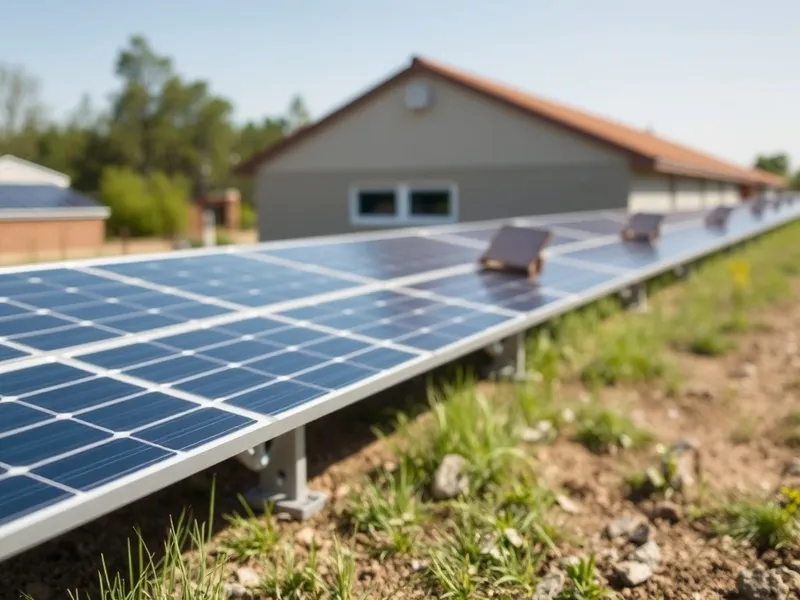
Premium monocrystalline panels, specifically PERC and TOPCon variants, remain the safest bet for most homeowners. They have decades of field data, predictable degradation curves around 0.5% per year, and warranties that manufacturers actually honor.
The efficiency gap is smaller than you might think. A top-tier monocrystalline panel hits 22% to 23% efficiency. A perovskite tandem pilot module hits 24% to 26%.
That difference, roughly 2 to 4 percentage points, translates to maybe one or two extra panels on an average roof. Not nothing, but not revolutionary either.
What you lose with the proven tech: lower risk, proven supply chains, and easier replacement if a panel fails. If your installer goes out of business in year 12, you can still buy a matching monocrystalline panel from dozens of suppliers. Try that with a perovskite tandem panel from a limited pilot run.
There's also the resale value consideration. Homes with standard solar panels appraise predictably. Homes with experimental technology can be harder to value.
Appraisers use comparable sales data, and there's no data for emerging panels yet.
The old tech still wins for anyone who values certainty over a marginal efficiency gain. That's most people.
Cost Reality Check: Price per Watt and Payback Timing
Let's talk money. The cost gap between emerging and established technologies is narrowing, but it's not gone yet. Here's a rough breakdown based on current manufacturer pricing and aggregate installer reports.
| Technology | Approximate Cost per Watt (Installed) | Typical System Cost (6 kW) | Estimated Payback Period |
|---|---|---|---|
| Premium PERC/TOPCon | $2.80 – $3.20 | $16,800 – $19,200 | 7 – 10 years |
| HJT | $3.00 – $3.50 | $18,000 – $21,000 | 8 – 11 years |
| Bifacial (TOPCon) | $3.10 – $3.40 | $18,600 – $20,400 | 7 – 10 years |
| Perovskite tandem (pilot) | $4.00 – $6.00 | $24,000 – $36,000 | 12 – 18 years (estimated) |
The perovskite tandem numbers are worst-case estimates because the technology isn't produced at scale yet. Economies of scale could cut costs in half within a few years, but that's a bet, not a guarantee.
Your actual payback depends on local electricity rates, net metering policies, and incentives. The federal Investment Tax Credit in the U.S. knocks 30% off the system cost, which helps any technology. Some states add extra rebates.
Here's the key insight: the payback for emerging tech currently looks worse than premium silicon because the upfront cost is higher and the long-term degradation is less certain. If a perovskite panel degrades faster than promised, your payback stretches even further.
For most budgets, TOPCon or HJT panels offer the best balance of performance and cost certainty today.
Installation & Compatibility Gotchas
Emerging panels aren't always drop-in replacements for standard silicon modules. You need to check a few things before committing.
Inverter compatibility matters. Some bifacial and HJT panels have slightly different voltage and current curves. Your inverter or microinverter needs to handle those specs. Most modern string inverters work fine, but older models might not.
Your system design should account for how these panels generate electricity to avoid clipping or mismatch losses.
Bifacial needs clearance. Bifacial panels require at least 30 to 60 centimeters of space between the module and the roof surface so the rear side can capture reflected light. On a low-slope roof, that's easy. On a steep roof, the angle reduces rear-side gain significantly.
Thin-film has different mounting requirements. Flexible CIGS panels can't use standard aluminum racking. They often require adhesive mounts or specialized frames. Your installer needs specific training for these products.
BIPV means electrical integration. Building-integrated panels replace roofing materials, so they connect directly to your home's electrical system. That requires coordination between your roofer, electrician, and solar installer. Permits may take longer.
Perovskite tandem cells are sensitive to handling. They're more fragile during installation. Manufacturer guidelines often require careful temperature and humidity controls on site. Not every crew is equipped for that.
Always ask your installer if they've installed that specific technology before. A contractor with no experience on HJT or bifacial can make costly errors.
Mistakes That Cost You Thousands

The solar industry moves fast, and hype sells. Here are the most expensive mistakes we see based on aggregate reviews and installer feedback.
Buying vaporware labeled "next-gen." Some online retailers sell panels that sound cutting-edge but are actually rebranded standard modules with a higher price tag. Always verify the manufacturer and model number. Cross-check against the datasheet.
Ignoring degradation risk on high-efficiency claims. A 26% efficient panel sounds amazing until it loses 15% of its output in year three. Ask for third-party accelerated aging test results, not just lab efficiency numbers.
Forgetting inverter compatibility. This is the most common gotcha. You pick a fancy new panel and discover too late that your existing inverter can't handle the voltage range. Replacement costs run $1,000 to $3,000.
Assuming all bifacial gains are equal. Bifacial yield depends heavily on your installation surface. On dark asphalt shingles, you might get 5% extra. On white gravel, you might get 20%.
Don't pay a premium for bifacial if your roof doesn't suit it.
Skipping installer vetting. Not all solar companies keep up with new technologies. A crew that's installed 500 PERC systems might not know how to handle thin-film or BIPV wiring. If the installer makes a mistake, understanding the overall pros and cons of each technology helps you ask the right questions.
Overlooking warranty language. Some emerging tech warranties include performance degradation clauses that don't match the standard 0.5% per year baseline. Read the fine print. If the warranty allows 1% degradation per year, your panels will produce only 75% of their rated power after 25 years.
Safe Practices: What to Verify Before You Commit
Before you sign any contract for emerging solar technology, verify these five things.
1. Manufacturer certifications. Check that the panels meet IEC 61215 (safety and reliability) and IEC 61730 (electrical safety). For U.S. installations, UL 1703 certification is also standard.
If the manufacturer can't provide these, walk away.
2. Independent test data. Look for performance results from NREL, Fraunhofer ISE, or SERIS. Manufacturer self-reported numbers are not enough.
Independent labs publish degradation measurements, temperature coefficient validation, and light-induced degradation data.
3. Warranty terms in writing. Require a 25-year power output warranty with a clear degradation schedule. If the manufacturer offers only 10 or 15 years, that's a red flag.
Understand what voids the warranty and how claims work.
4. Installer experience. Ask how many installations the contractor has completed with that specific technology. Request references and photos of completed projects.
A good installer will happily share them.
5. Compatibility with your existing system. Verify that your inverter, monitoring, and racking work with the new panels. Get everything in writing from the manufacturer's compatibility list.
The basic science behind solar panels hasn't changed, but the materials and manufacturing have. Taking these steps separates a smart investment from an expensive experiment.
When to Wait vs. When to Jump In
If your roof is stable, faces south, and you plan to stay for 15 years or more, buy proven TOPCon or HJT panels today. The certainty beats chasing a few extra percentage points.
If you're building new and have roof area to spare, wait. Perovskite tandem costs will likely drop within three years. A thorough solar panel buying guide can help you decide when the timing is right for your situation.
If you have a flat roof or ground mount, consider bifacial now. The added yield is real and proven.
Where to Find Trustworthy Info (Without the Hype)
Stick with primary sources. NREL publishes independent test results and degradation studies. Fraunhofer ISE releases annual reports on photovoltaic technologies.
The U.S. Department of Energy's Solar Energy Technologies Office funds and shares reliability research.
Skip sponsored articles and influencer reviews. Manufacturer datasheets are useful, but cross-check claims against independent lab data. If a number sounds too good to be true, it probably is.
Your Next Steps: Verify, Compare, Then Decide
Start with the fundamentals of how solar panels work. Then compare warranties, degradation rates, and installer experience across three quotes minimum.
For most homeowners, the winner is clear: a premium TOPCon or HJT panel from a reputable manufacturer with a 25-year warranty and an experienced local installer. Emerging tech is exciting, but proven reliability still wins the long game.
Frequently Asked Questions
Are perovskite solar panels available for home installation?
A few pilot projects exist, but perovskite tandem panels are not widely available for residential use. Oxford PV started commercial production in 2023 at very low volumes. Most homeowners cannot buy them through standard installers yet.
How long do emerging solar panels last?
TOPCon and HJT panels carry 25-year warranties with predicted degradation around 0.5% per year. Perovskite tandem panels have limited field data. Current estimates suggest 10 to 15 years before significant output loss.
Do bifacial panels work on sloped roofs?
They can, but the rear-side gain is lower on steep roofs. The angle reduces the amount of reflected light reaching the back of the panel. Flat roofs and ground mounts deliver the best bifacial performance.
Are thin-film solar panels worth considering?
For specialized applications like curved surfaces or weight-sensitive roofs, yes. For standard residential rooftops, no. Their efficiency is lower, and the cost per watt doesn't beat premium crystalline silicon.
What is the most promising emerging solar technology?
Perovskite-silicon tandem cells have the highest potential efficiency, but they still face stability and manufacturing challenges. HJT and TOPCon are more mature and offer the best real-world balance of performance and reliability right now.

Similar Posts