Do You Really Need Batteries for Solar Panels?
So here's the thing about solar batteries: they’re not mandatory for every home, but they make a huge difference in certain situations. If you are asking “do you need batteries for solar panels,” the honest answer is it depends on your utility rate plan, your backup needs, and your local net metering rules. More than half of new US solar installs in 2025 still skipped batteries because full retail net metering was available.
But that’s changing fast. As of early 2026, states like California have switched to net billing tariffs that pay far less for exported solar power. That shifts the math, and suddenly a battery looks a lot more attractive.
Let’s walk through the decision tree so you can figure out which camp you fall into.

Image source: Openverse / USDAgov (PDM 1.0)
Quick Answer
You only need solar batteries if you want backup power during outages or if your utility pays you very little for excess energy. Grid-tied systems without batteries still work and save money with net metering. Battery costs range from $5,000 to $15,000 installed.
The federal tax credit covers 30% of that cost.
The Three Main Solar System Setups
Before you decide on a battery, understand the three fundamental ways to configure your solar array. Each one answers the battery question differently.
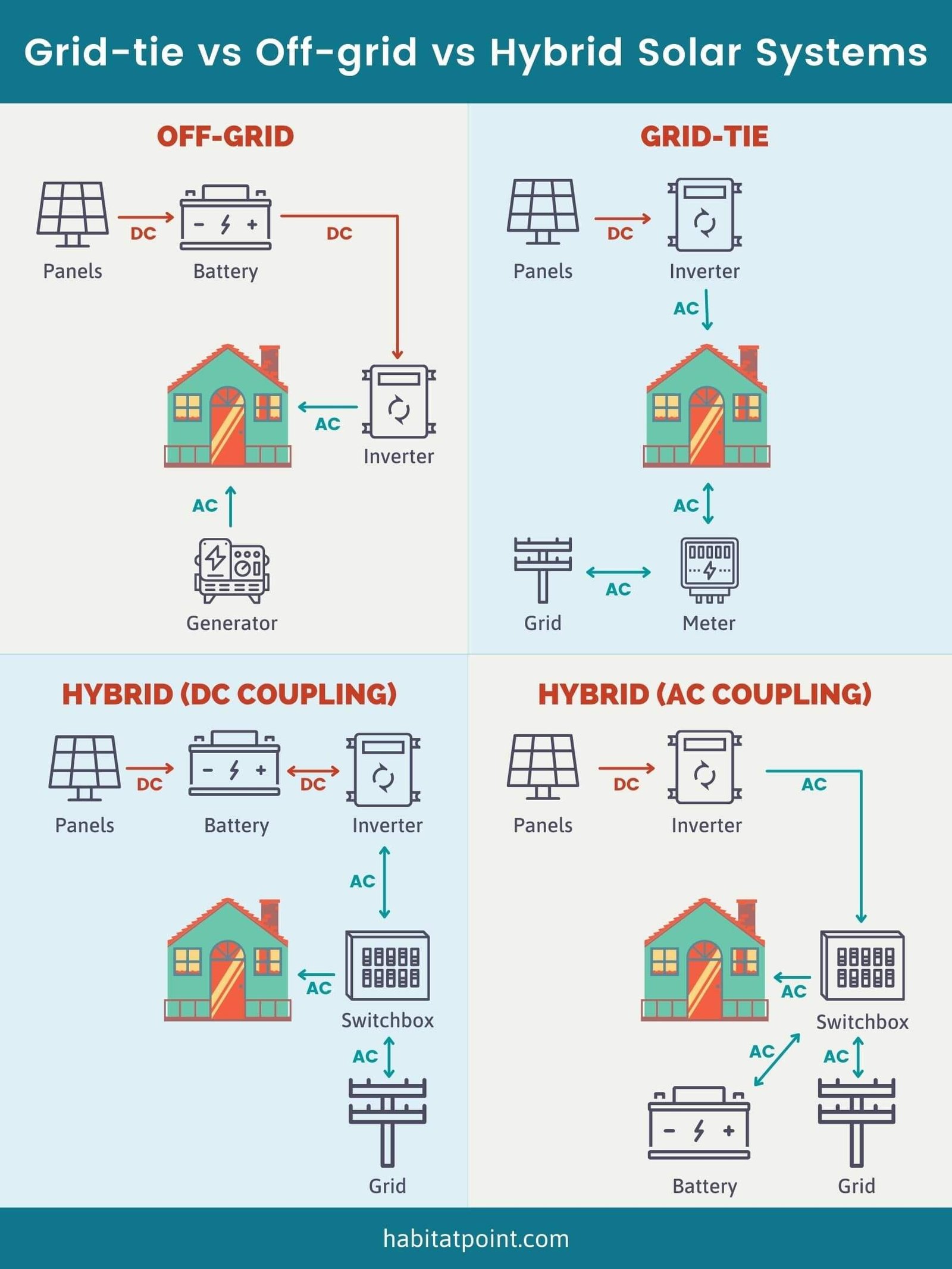
Image source: Bing (Web (fair-use with source credit))
Grid‑tied (no battery). This is the most common setup. Your panels connect to the grid through a standard inverter. Extra power flows back to the utility, and you draw from the grid at night.
No battery needed, the grid acts as your virtual storage. This works best where net metering pays you near the retail rate for exported electricity. Check your local policy; many states still offer it.
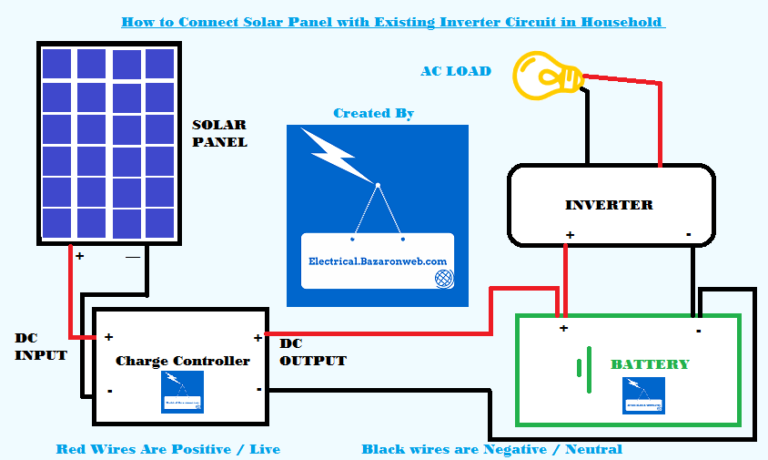
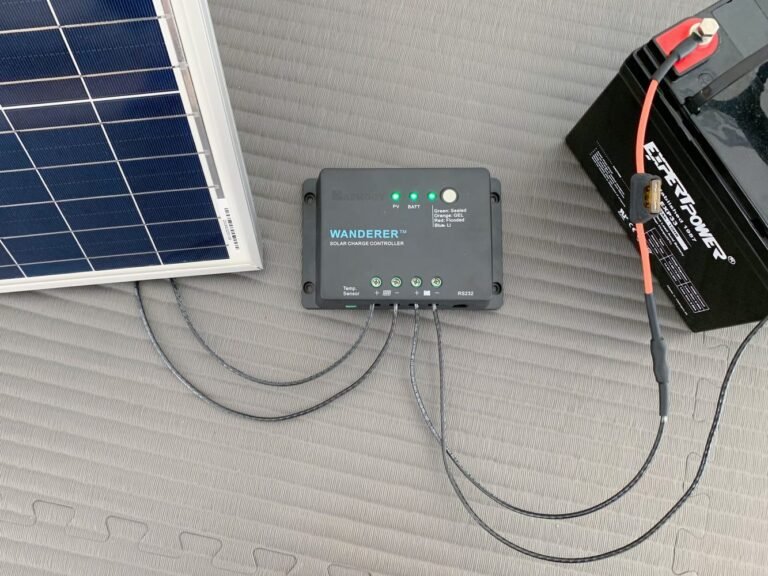
Off‑grid (battery mandatory). If you have no utility connection, a battery is non‑negotiable. Your panels charge the battery during the day, and you draw from it at night and during cloudy weather. You also need a charge controller and an inverter sized for your peak loads.
Off‑grid systems typically require 3, 5 days of backup capacity to handle weather gaps.
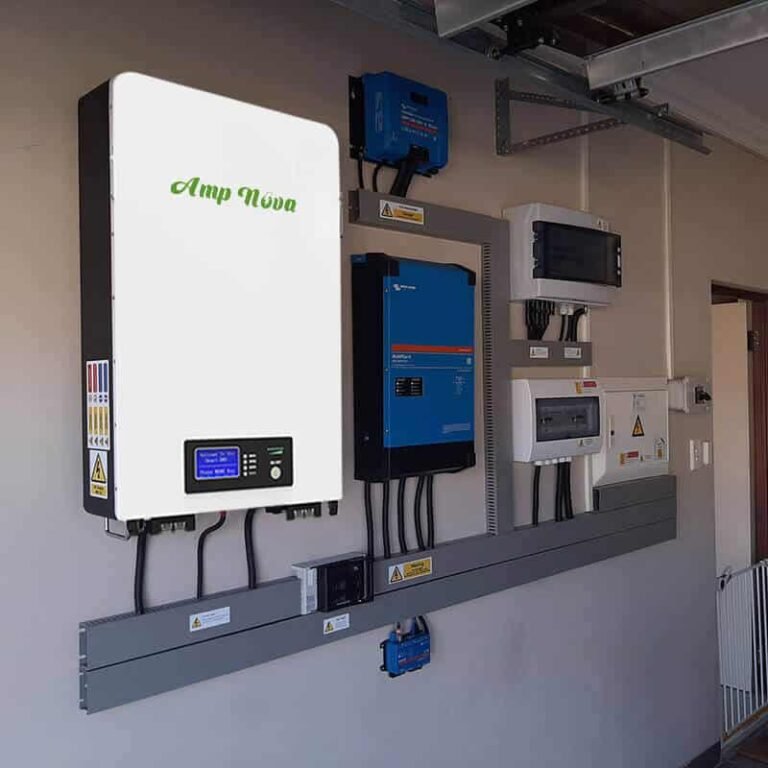
Hybrid (battery optional, but smart). A hybrid system uses a battery‑ready inverter (like the Enphase IQ8 or SolarEdge Energy Hub) that manages both solar and storage without extra hardware. You can start without a battery and add one later, the inverter already supports it. This is the most future‑proof option.
Many homeowners install a 10, 15 kWh battery to capture excess solar instead of selling it for pennies.
Each setup has a different cost profile and payback timeline. For a deeper look at how each panel type works, check out the different photovoltaic technologies covered in our breakdown of solar panel varieties.
The Decision Tree: Do You Need a Battery?
Now let’s put your specific situation through a simple decision tree. Answer each branch honestly, and you’ll land on the right choice.
Image source: Bing (Web (fair-use with source credit))
Branch 1: Are you staying grid‑connected?
If yes, move to the next question. If you are going off‑grid, stop here, you need a battery. Period.
Branch 2: Does your utility have full retail net metering?
Check your latest electricity bill or your state’s net metering rules. If your utility buys back every kilowatt‑hour you export at the same price you pay (retail rate), a battery probably won’t pay for itself. The grid is your free battery.
Skip the storage unless you want backup.
If net metering is poor, you only get wholesale rates (3, 6 cents per kWh) or your utility has switched to a net billing tariff, a battery starts to make financial sense. You can store your own solar and use it during peak hours when electricity costs more.
Branch 3: Do you experience frequent power outages?
Even with great net metering, if your area sees storms, grid failures, or rolling blackouts, a battery gives you peace of mind. Without one, your panels shut off during an outage for safety (grid‑tied inverters disconnect automatically). With a battery and the right inverter, you keep the lights on.
Branch 4: Do you have time‑of‑use rates or demand charges?
If your utility charges different rates at different times of day (TOU) or penalizes high peak usage (demand charges), a battery can shift your solar production to high‑cost hours. You charge the battery when solar is abundant and cheap, then discharge during the evening peak. Savings can range from a few hundred to over a thousand dollars per year, depending on your rate spread.
Decision summary table:
| Your situation | Battery needed? | Why |
|---|---|---|
| Good net metering, no outages | Likely no | Grid is cheaper than battery |
| Poor net metering, no outages | Yes (financial) | Store solar instead of selling cheap |
| Frequent outages, any net metering | Yes (backup) | Panels off during outage without battery |
| Off‑grid living | Yes (mandatory) | No other way to store energy |
| TOU rates with big spread | Yes (savings) | Shift solar to expensive hours |
| Demand charges (commercial) | Often yes | Battery shaves peak usage |
If you are still unsure, consider how much you value energy independence. That’s a personal call, but the math above gives you a clear starting point.
How to Size a Solar Battery for Your Situation
Once you’ve decided you want a battery, the next step is figuring out how big it should be. Too small, and you run out of power during a blackout. Too large, and you waste money on capacity you’ll never use.
Image source: Bing (Web (fair-use with source credit))
Step 1: Find your essential loads
Start with the appliances and lights you absolutely need during an outage. Fridge, internet router, a few LED lights, phone chargers, maybe a sump pump. Don’t include the AC, electric oven, or water heater unless you are building a whole‑home backup.
The average essential load is about 5, 10 kWh per day.
Check your utility bill for your average daily usage. A typical US home uses 30 kWh per day, but you can survive on far less during an emergency.
Step 2: Decide how many days of backup you want
One day is the minimum. Two or three is more realistic for storm‑prone areas. Off‑grid homes typically aim for three to five days of autonomy.
Multiply your daily essential load by the number of days you want backup.
Example: 8 kWh/day essential × 2 days = 16 kWh of usable capacity.
Step 3: Account for depth of discharge and efficiency
No battery should be drained to zero. Lithium iron phosphate (LFP) batteries allow 90, 100% depth of discharge (DoD). Lead‑acid batteries only allow about 50% DoD.
Also, round‑trip efficiency eats about 5, 15% of the energy you put in. So divide your required usable capacity by the DoD percentage and then by efficiency.
Example: You need 16 kWh usable. An LFP battery with 95% DoD and 90% efficiency: 16 / 0.95 / 0.90 ≈ 18.7 kWh rated capacity. So you’d buy a 20 kWh battery.
Step 4: Choose AC‑ versus DC‑coupled configuration
- AC‑coupled: Battery has its own inverter and connects to your existing solar system on the AC side. Good for retrofits. Slightly less efficient (about 2, 4% loss).
- DC‑coupled: Battery connects directly to your solar panels through a hybrid inverter or charge controller. More efficient, but requires a compatible inverter from the start.
Most new installs use DC‑coupled hybrid inverters because they are simpler and more efficient. If you are adding a battery to an existing solar system, AC‑coupling is usually the easier path.
For a full guide on how the main parts fit together, read our article on the essential components of a solar panel system.
Common Mistakes When Deciding on Batteries
Even well‑planned solar‑plus‑storage projects fall short because of a few avoidable errors. Here are the biggest ones we see in real installations.
Image source: Bing (Web (fair-use with source credit))
Overestimating backup duration
A 13.5 kWh Tesla Powerwall can power a whole home for only about 4, 6 hours with the AC running. Most people assume twice that. Always size based on your essential loads, not your whole house, unless you have deep pockets and multiple batteries.
Ignoring net metering compensation
If your utility still offers full retail net metering, a battery adds cost with little return. Many homeowners install batteries purely out of “green guilt” without checking their actual export rate. Do the math first.
Buying too small or too large
A 5 kWh battery might save you a few dollars on TOU but won’t back you up through a long outage. Conversely, a 30 kWh battery for a grid‑tied home with good net metering is overkill and will take 15+ years to pay back.
Forgetting inverter compatibility
Not every inverter works with every battery. If you already have a solar inverter without battery support, you’ll need a separate battery inverter or a full system upgrade. Check compatibility before you buy.
Skipping future expansion needs
Battery prices are dropping fast. You might start with one battery today and want to add another in three years. Choose a modular system that allows stacking.
Brands like Enphase and Tesla support expansion; some cheap lead‑acid systems do not.
The US Department of Energy’s Solar Energy Technologies Office provides a good primer on battery sizing and safety at energy.gov. We recommend reviewing that before signing any contract.
The Real Costs: Battery Pricing, Incentives, and Payback
Batteries are the most expensive part of a solar system after the panels themselves. Understanding the real numbers helps you decide if the investment makes sense for your situation.
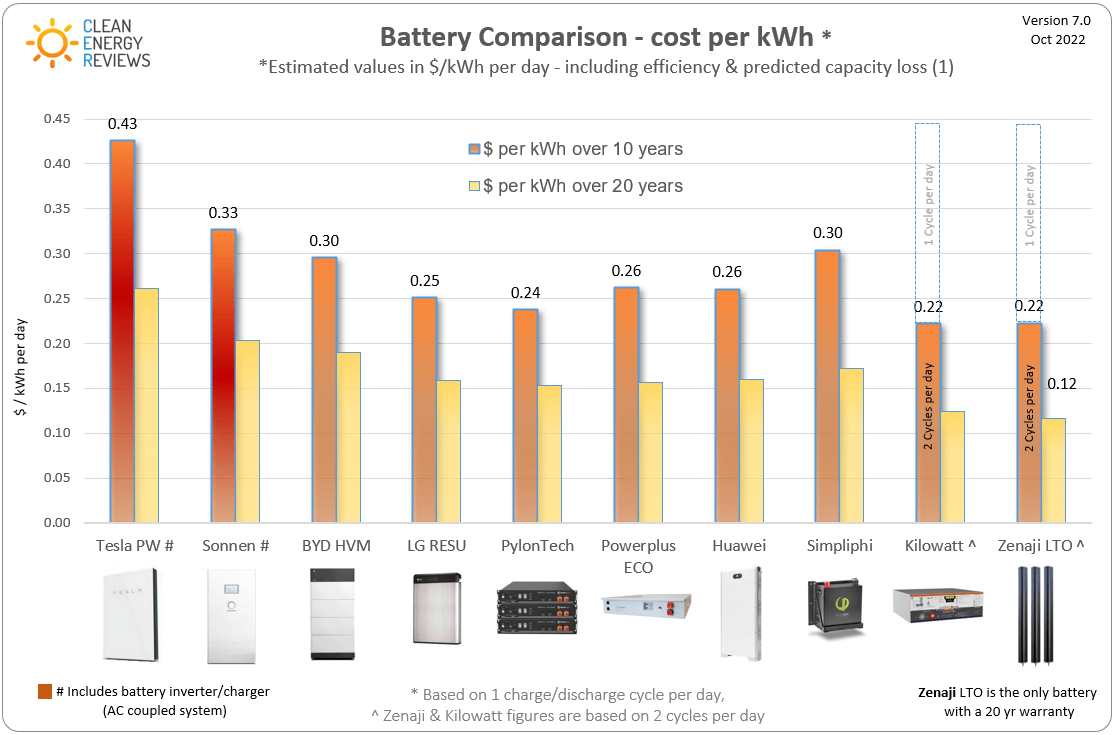
Image source: Bing (Web (fair-use with source credit))
How much does a solar battery cost?
Pricing varies by chemistry, capacity, and brand. Based on manufacturer specs and aggregate installer quotes, here are the typical ranges as of early 2026:
| Battery size | Typical installed cost | Cost per usable kWh | Best for |
|---|---|---|---|
| 5–7 kWh (small) | $4,000–$6,000 | $0.80–$1.00 | TOU shifting, small backup |
| 10–15 kWh (medium) | $7,000–$12,000 | $0.80–$1.10 | Whole-home backup, moderate |
| 20–30 kWh (large) | $12,000–$20,000 | $0.70–$0.95 | Off-grid, high consumption |
These prices include equipment, wiring, permits, and labor. Lithium iron phosphate (LFP) batteries now dominate because they last longer and cost less than older NMC chemistries.
Federal and state incentives slash the price
The federal Investment Tax Credit (ITC) covers 30% of your total battery installation cost, with no cap. That means a $10,000 battery drops to $7,000 after you file your taxes. Many states add their own rebates.
California’s SGIP program offers up to $1,000 per kWh for low-income households. New York, Massachusetts, and Colorado also have generous incentives.
Check DSIRE (Database of State Incentives for Renewables & Efficiency) for your local programs. The timing matters: the 30% federal credit is available through 2032, then steps down.
Payback period ranges widely
Your payback depends on how much you use the battery. If you mainly shift TOU rates, payback is typically 5, 8 years. If you only use it for occasional backup, payback can stretch to 12, 15 years.
Off-grid homes get payback in 3, 5 years because they avoid the full cost of grid connection.
A common mistake is assuming the battery pays for itself purely through bill savings. In many grid-tied scenarios, the payback is longer than the warranty period. That’s okay if you value backup power or energy independence.
Just be clear about what you are buying.
For a full picture of how much you can save overall, read our guide on the advantages and drawbacks of going solar.
Battery vs. No Battery: Side-by-Side Use Cases
Now that you have the cost numbers, here is a clear comparison of when a battery helps and when it doesn’t. Each scenario assumes a typical US home with a 7 kW solar array.
| Scenario | Battery recommended? | Why | Typical annual savings with battery |
|---|---|---|---|
| Full retail net metering, no outages | No | Grid is free storage | $0 (or negative after battery cost) |
| Poor net metering (wholesale rates) | Yes | Store solar instead of selling at 3¢/kWh | $300–$600 |
| Frequent outages (2+ per year) | Yes | Avoid spoiled food, lost work, hotel costs | Hard to quantify, but significant |
| Off-grid living | Mandatory | No other option | Full cost of grid avoided ($1,000–$3,000/yr) |
| Time-of-use rates with 15¢+ spread | Strong maybe | Shift 5–10 kWh/day to peak | $250–$800 |
| Low solar self-consumption (daytime usage < 30%) | Maybe | Avoid buying expensive evening power | $150–$400 |
Who should skip the battery?
Homeowners who have full retail net metering, stable grid power, and do not care about emergency backup should skip the battery. The $8,000, $15,000 is better spent on more panels or other home improvements.
Who should buy the battery?
If you live in California under NEM 3.0, have frequent power outages, or pay high demand charges for a business, a battery is almost always worth it. The math shifts heavily in your favor.
Understanding how your system generates power in the first place helps. Brush up on the process by which panels convert sunlight into electricity.
Maintenance and Long-Term Optimization
Solar batteries are mostly hands-off, but a little care extends their life and keeps them safe. Here is what to expect.
Monitoring state of charge and cycles
Most modern batteries come with an app that shows your state of charge (SOC), cycles completed, and energy flow. Check it monthly. If you consistently drain the battery below 20%, you accelerate degradation.
LFP batteries handle deeper discharge better than older chemistries, but staying above 10% is good practice.
Temperature management
Batteries hate extreme heat and cold. Lithium batteries lose capacity below 32°F and degrade faster above 100°F. Install your battery in a garage, basement, or shaded outdoor enclosure.
Some units have built-in heaters for cold climates. The manufacturer’s operating range is usually 14°F to 122°F. Stay inside that.
Software updates
Battery management systems (BMS) receive firmware updates that improve efficiency, safety, and compatibility. Connect your battery to Wi-Fi and update when prompted. Outdated firmware can cause communication errors between the inverter and battery.
Planning for replacement
Batteries last 10, 15 years. That is about half the lifespan of your solar panels. Budget for a replacement in year 12.
Warranty terms vary: many LFP batteries guarantee 70% capacity after 10 years or 4,000 cycles, whichever comes first. Lead-acid batteries need replacement every 5, 7 years.
For more on how all the parts work together, see our article on what makes up a solar panel system.
Final Verdict: Your Decision Guide
By now you should have a clear answer to “do you need batteries for solar panels.” Here is a one-page cheat sheet to close the loop.
Quick reference checklist
- Is your utility offering full retail net metering? If yes and you rarely lose power, skip the battery. Spend the money on more panels or a heat pump instead.
- Do you experience 2+ grid outages per year? A battery is worth it for peace of mind alone. Size it for your essential loads (fridge, lights, internet) and a critical loads panel.
- Are you on a time-of-use rate with a big spread? Run the numbers. If the daily savings exceed $1.50, a battery pays back in 7, 10 years.
- Are you going off-grid? You need a battery. Period. Size for 3, 5 days of autonomy and factor in seasonal solar variation.
- Do you want energy independence even with good net metering? That is a personal choice. If you can afford the upfront cost and value not relying on the utility, buy the battery. Just be honest that it’s not a pure financial move.
Next steps
- Gather your utility bill and find your tariff, net metering rate, and average daily usage.
- Check outage history in your area (your utility’s website often has reliability data).
- Get quotes from at least three installers. Ask for a payback analysis specific to your rate plan.
- Apply for the 30% federal tax credit when you file your taxes.
If you are still on the fence, start with a solar-only system. You can always add a battery later. Most modern inverters support future battery integration.
That way you capture immediate savings from solar and decide on storage when the economics are clearer.
For a deeper look at the full buying process, our solar panel buying guide walks through every step from evaluation to installation.
Frequently Asked Questions
Can I add a battery to my existing solar system later?
Yes, in most cases. You will need a battery inverter (AC-coupled) or a compatible hybrid inverter. Many modern systems are “battery-ready.” Check your inverter model first.
Older systems may require a full upgrade.
How long do solar batteries last?
Lithium iron phosphate (LFP) batteries last 10, 15 years or about 4,000, 6,000 cycles. Lead-acid batteries last 5, 7 years. Most manufacturers warranty 70% capacity retention at year 10.
Do solar panels work without batteries?
Absolutely. A grid-tied system without a battery works perfectly. Your panels send excess power to the grid, and you draw from the grid at night.
You only lose power during a grid outage unless you have a battery.
What size battery do I need for a small home?
A 10, 13 kWh battery covers essential loads (fridge, lights, internet, a few outlets) for about 12, 18 hours. If you want whole-home backup including AC, you need 20, 30 kWh, which usually means two batteries.
Is a solar battery worth it in 2026?
It depends on your utility rates and outage risk. In states with poor net metering (like California), a battery now pays back in 6, 8 years. In states with full net metering, the payback is over 10 years.
For backup value, it is a personal call.
How much does a Tesla Powerwall cost in 2026?
Installed cost for a single Powerwall 3 (13.5 kWh) is roughly $10,000, $12,000 before the 30% federal tax credit. After the credit, about $7,000, $8,400. Prices vary by installer and region.

Image source: Bing (Web (fair-use with source credit))