Shed Solar Panels: Do You Need a Permit?
If you own a shed and you are thinking about slapping some solar panels on the roof, you have probably asked yourself one question first. Do you need a permit for solar panels on a shed? The short answer is yes, almost always, but the real answer depends on your specific situation.
Local building codes vary widely, and what is a simple weekend project in one county can turn into a costly violation in another.
The National Electrical Code (NEC) provides the baseline for solar installations across the US. Article 690 covers rooftop PV systems, rapid shutdown requirements, and disconnects. As of 2026, most jurisdictions have adopted some version of the NEC, though local amendments can change the details.
That means the rules your neighbor follows two towns over may not apply to you. Let us break down what actually matters.
Quick Answer
Yes, usually. Permits are required for most shed solar installations. Off-grid systems under a certain size may qualify for exemptions.
Local rules determine the exact threshold. Always call your building department before buying panels.
Why This Isn't a Simple Yes or No
The first thing to understand is that "permit" is not one single thing. You are looking at two separate approvals, and sometimes a third. A building permit covers structural changes like mounting hardware on your shed roof.
An electrical permit covers wiring, inverters, and connections to your panel or battery bank.
Some jurisdictions also require a solar permit or a renewable energy system permit on top of those two. Other places bundle everything into a single application. The point is that the answer changes based on where the shed sits, how big the system is, and whether you plan to connect to the grid.

Image source: Wikimedia Commons / Bidgee (CC BY-SA)
The shed itself matters too. A small garden shed with a single 100-watt panel running a light bulb is a different situation from a 2-kilowatt array on a fully wired workshop. Code officials care about size, voltage, and structural load.
They also care about what happens if something goes wrong.
Building departments are not trying to make your life difficult. They are enforcing safety standards that exist to prevent fires, roof collapses, and electrical hazards. Understanding that perspective helps you navigate the process with less frustration.
What Actually Determines Whether You Need a Permit
Three main factors decide the answer. System size, grid connection, and shed type. Each one shifts the likelihood that a permit is required.
System Size and Voltage
Most jurisdictions have a threshold below which they waive electrical permit requirements. That threshold is usually tied to system voltage or wattage. For example, systems under 50 volts DC and under a certain wattage, often 1000 watts, may be considered low-risk enough to skip a permit.
But do not assume your system qualifies just because it is small. Some cities require a permit for any solar installation regardless of size. Others set the bar at 10 watts for DC systems.
The only way to know is to check your local code.
Grid-Tied vs Off-Grid
This is the biggest factor. A grid-tied system requires interconnection approval from your utility company. That almost always triggers a permit requirement because the utility needs to verify that your system cannot backfeed power during an outage and endanger line workers.
Off-grid systems have more flexibility. If your shed is fully disconnected from the utility grid, many jurisdictions treat it as a standalone electrical system. Some still require a permit, but the process is usually simpler.
The key is that off-grid systems typically follow the same NEC rules, so even without utility involvement, you still need to meet code.

Image source: Wikimedia Commons / Trougnouf (CC BY)
Shed Location and Type
A shed attached to your house is treated differently than a detached shed. Attached structures are often considered part of the dwelling for code purposes, which means stricter requirements. A detached shed in the backyard is usually classified as an accessory structure, and some accessory structures have simpler permit rules.
Agricultural buildings get special treatment in many states. A shed used for livestock or equipment storage on a working farm may qualify for agricultural exemptions that reduce or eliminate permit requirements. But those exemptions typically apply only to buildings used for genuine agricultural purposes, not a workshop where you store garden tools.
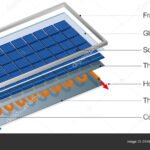
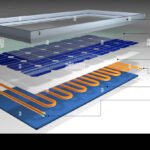
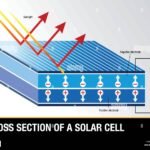
Different panel technologies can also affect the installation process. Understanding how each type mounts and connects helps you plan ahead.
Small System Exemptions and Where They Apply
Many homeowners assume that a small solar kit from an online retailer does not need a permit. That assumption can be expensive. Let us look at where exemptions actually exist and where they do not.
Low-Voltage DC Systems
The NEC has a specific exemption for Class 2 power-limited circuits. These are systems that operate at 30 volts or less and have a power limit of 100 volt-amps. In plain language, a tiny solar panel running a small light or a USB charger might fall into this category.
Above that threshold, the rules change. Most shed solar systems run at 12, 24, or 48 volts DC. At 48 volts, you are above the Class 2 limit, and the NEC starts applying Article 690 rules.
That includes requirements for disconnects, overcurrent protection, and grounding.
The Portable System Loophole
Some building departments make a distinction between permanently mounted and portable systems. If your solar panel is sitting on the ground or leaning against the shed wall and plugged into a battery, it may not trigger a permit requirement. The moment you bolt it to the roof and hardwire it into your electrical system, you cross into permitted territory.
Agricultural Exemptions by State
Several states have specific exemptions for agricultural buildings. California, Texas, and Florida all have provisions that simplify or waive permit requirements for farm structures. But each state defines "agricultural use" differently, and the exemptions often have wattage caps or acreage requirements.
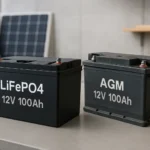
The core components inside your system, like the charge controller and inverter, also determine whether exemptions apply. Knowing how each piece functions helps you understand what code officials look for.
The Real Risks of Skipping the Permit
Skipping a permit feels like saving time and money. But the risks can outweigh those savings fast. Here is what actually happens when unpermitted solar work is discovered.
Insurance Denials After Fire or Damage
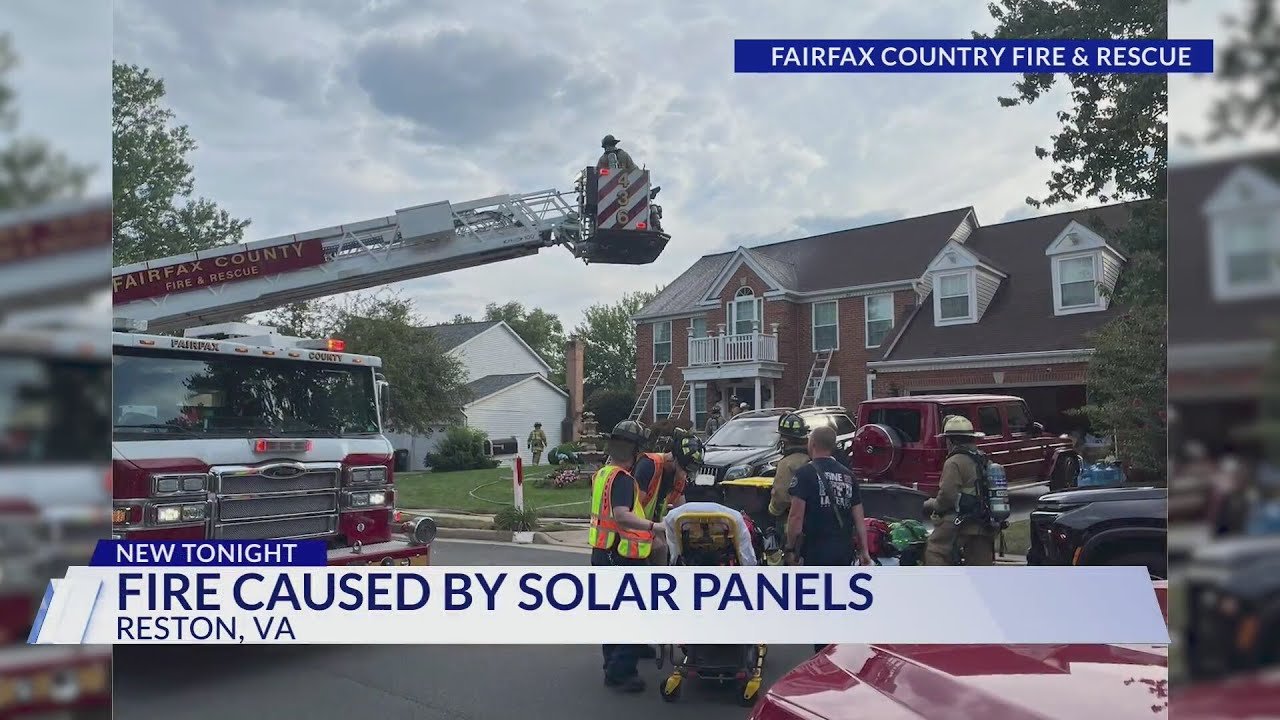
This is the biggest risk and the one most people overlook. If your shed catches fire and the insurance adjuster finds unpermitted electrical work, your claim can be denied. Insurance policies typically exclude damage caused by work that was not performed under a permit.
A single roof fire from a short circuit can cost tens of thousands of dollars. A denied claim leaves you paying for everything out of pocket. Even if the fire was not caused by the solar system, the adjuster may deny coverage simply because unpermitted work existed on the property.
Fines and Stop-Work Orders
Building departments do not always catch unpermitted work. But if a neighbor complains, or if you sell the house and an inspection reveals the work, you can face fines. Some jurisdictions impose daily fines for continued code violations.
Others require you to remove the entire system and reinstall it under a permit.
Resale Problems
When you sell your home, the buyer's inspection will likely catch unpermitted solar on the shed. Some buyers walk away. Others demand a price reduction to cover the cost of retroactively permitting the system.
In some cases, retroactive permitting is not even possible because the work does not meet current code, and you have to rip it out.
The real tradeoffs involved in solar ownership go beyond just the permit question. Understanding the full picture helps you make a smarter decision.
Image source: YouTube / DC News Now (YouTube thumbnail (fair-use with source credit))
Step-by-Step: How to Check Your Local Requirements
Here is the practical process that takes you from total uncertainty to a clear answer. Follow these steps in order.
Step 1: Call Your Building Department
Find the phone number for your city or county building department. Ask for the permits desk. Say exactly this: "I want to install solar panels on a detached shed.
What permits do I need and what are the fees?" Write down the answers. Ask for the specific code sections they reference. Ask if there is a wattage threshold below which no permit is required.
Step 2: Check Your HOA or Covenants
If you live in a neighborhood with a homeowners association, check your CC&Rs before you do anything else. HOAs can ban solar panels on sheds even if the city allows them. Some HOAs have design review requirements that add weeks to the timeline.
Get written approval if needed.
Step 3: Assess Your Shed Roof Structure
Shed roofs are not always built to handle the extra weight of solar panels. A typical 400-watt panel weighs about 40 pounds. Multiply that by the number of panels you want, add mounting hardware, and you have a significant load.
Your shed roof needs to support at least that much weight plus snow load if you live in a cold climate.
If the roof is marginal, you may need a structural engineer to sign off. That is a common permit requirement for larger arrays.
Step 4: Determine Your Electrical Scope
Decide whether you are going off-grid or grid-tied. Off-grid systems need permits less often, but they still need to meet code. If you plan to connect to your home's electrical panel, you are looking at a full electrical permit and utility interconnection application.
Step 5: Decide DIY Permit vs Licensed Contractor
You can pull a permit yourself as the homeowner in most jurisdictions. That saves money but puts all responsibility on you. You have to submit plans, pass inspections, and fix any issues.
A licensed contractor handles everything for a fee. For small shed systems, many homeowners do the permit themselves.
Planning your purchase carefully makes the whole process smoother. Knowing what equipment meets code requirements saves you from failed inspections.
These five steps will give you a definitive yes or no for your specific situation. If the answer is yes, the next section covers exactly what the permit process looks like. If the answer is no, you still need to verify that your system meets safety codes even without a formal permit.
What the Permit Process Actually Looks Like
Once you know you need a permit, the process is more straightforward than most people expect. Here is what you will submit and what happens next.
Documents You Need to Prepare
Your building department will ask for a site plan showing the shed location on your property. You also need a roof layout showing where each panel sits. Electrical diagrams are required for grid-tied systems.
Off-grid systems typically need a one-line diagram showing the panel, charge controller, battery, and inverter.
Most departments have a checklist on their website. Print it. Follow it exactly.
Missing a single document can delay your review by weeks.
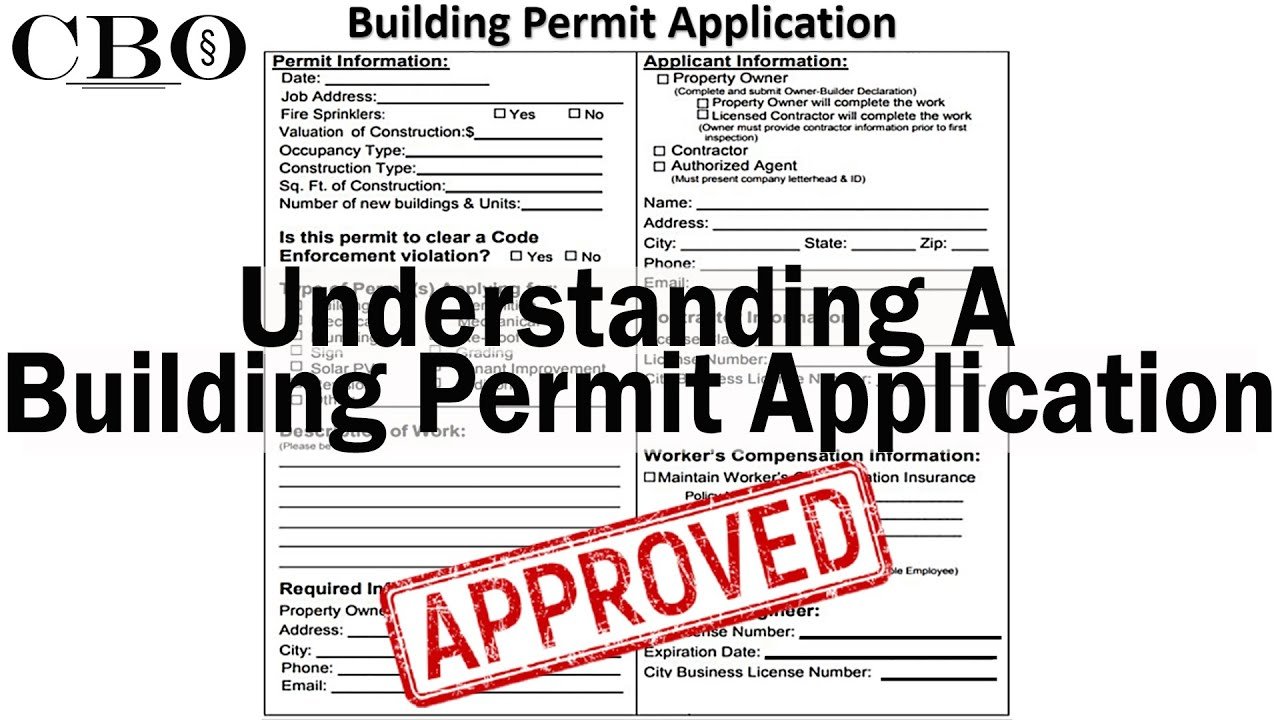
Image source: YouTube / Building CodeBuddyOnline (YouTube thumbnail (fair-use with source credit))
Typical Fees for a Shed System
| Permit Type | Typical Fee Range |
|---|---|
| Building permit (structural) | $50-$150 |
| Electrical permit | $75-$300 |
| Solar / renewable energy permit | $100-$500 |
| Plan review fee | $50-$200 |
Total fees for a small shed system usually land between $150 and $600. That is less than the cost of one solar panel.
Timeline: Plan Review to Final Inspection
Small shed systems move fast. Plan review takes one to two weeks for most jurisdictions. Rough inspection happens after you mount the panels and run conduit.
Final inspection happens after everything is wired and tested.
Passing inspections on a shed system is usually easier than a full house install. Code officials see shed systems as lower risk. They focus on grounding, rapid shutdown, and structural attachment.
If you follow NEC Article 690, you will pass.
Common Mistakes That Trip Up DIY Shed Solar Permits
Even experienced DIYers make these errors. They are easy to avoid once you know what inspectors check.
Ignoring Roof Load Calculations
Your shed roof may look sturdy. But many garden sheds use lightweight rafters spaced 24 inches apart. A 400-watt panel weighs around 40 pounds.
Add mounting rails and snow load in winter climates. The total can exceed what the roof was designed to hold.
Get a structural engineer or use the IRC prescriptive tables. If your shed roof cannot handle the load, you need to reinforce it before mounting panels.
Using Non-UL Listed Components
Building departments require UL-listed equipment for permitted work. Panels must meet UL 1703. Inverters need UL 1741.
Charge controllers and batteries often need UL listing too.
Cheap unbranded solar kits from online marketplaces often lack proper listings. Verify the UL stamp before you buy. An inspector will check every component label.
Forgetting Rapid Shutdown Requirements
NEC 690.12 requires rapid shutdown for PV systems on buildings. This applies to shed installations. You need a method to reduce conductor voltage to 30 volts within 30 seconds of initiation.
Many small off-grid systems omit this and fail inspection. A rapid shutdown switch or module-level power electronics solves the problem. Factor the cost into your budget.
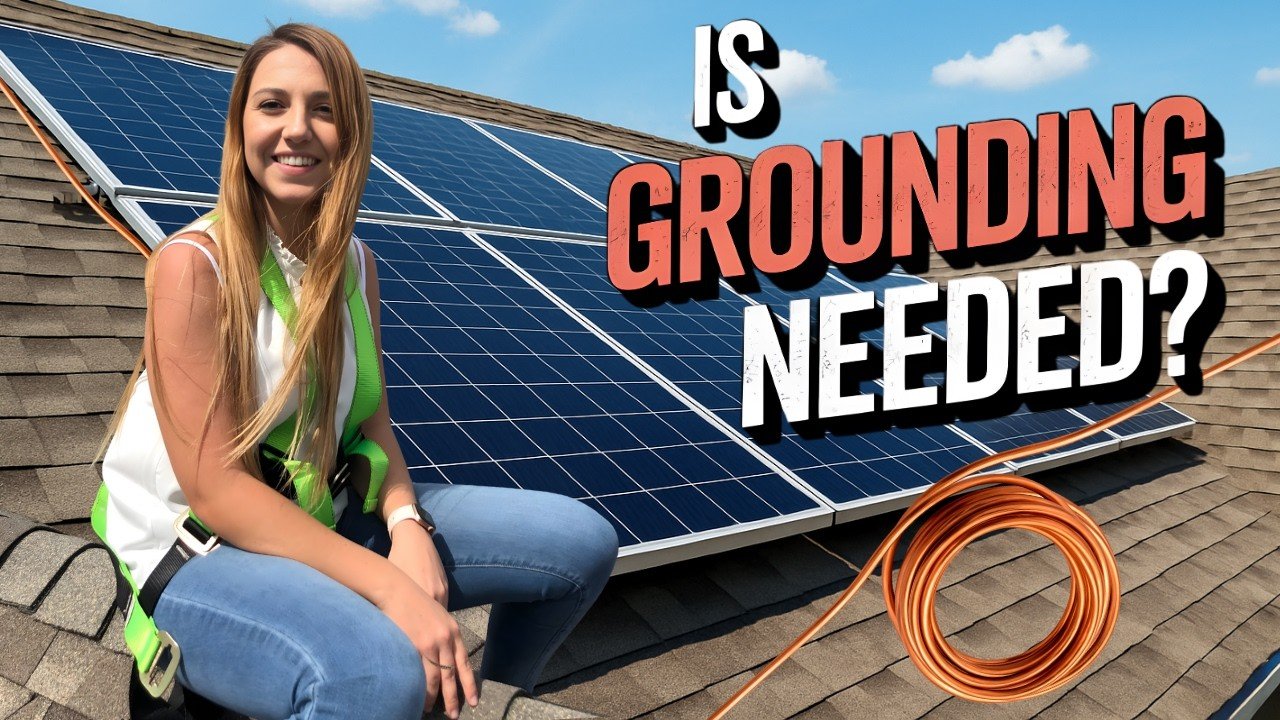
Image source: YouTube / Solartime with Martyna (YouTube thumbnail (fair-use with source credit))
Improper Grounding and Bonding
Grounding is the most common inspection failure. Every metal component must be bonded to the grounding electrode system. That includes panel frames, mounting rails, conduit, and inverter enclosures.
Use the correct lug sizes. Do not daisy-chain ground wires. Run a continuous equipment grounding conductor back to the main panel or ground rod.
Inspectors will test continuity.
When You Can Reasonably Skip the Permit
There are legitimate situations where you can install solar on a shed without a permit. Here is how to know if you qualify.
Systems Under a Specific Wattage Threshold
Some jurisdictions exempt PV systems under a certain size. Common thresholds are 1,000 watts DC or 50 volts. Check your local code for the exact number.
If your system falls below that line, you are clear.
But remember that "no permit" does not mean "no code." You still need to meet NEC requirements for safety. A fire caused by unpermitted work is still a fire.
Truly Portable or Ground-Mounted Kits
A solar panel sitting on the ground next to your shed, plugged into a battery via a charge controller, is not a permanent installation. Most building departments do not require a permit for portable equipment.
The moment you mount it to the roof and hardwire it, that changes. The line between portable and permanent matters for code enforcement.
Rural and Unincorporated Areas
Some rural counties have no building department at all. Others have minimal enforcement for accessory structures. If you live in an unincorporated area with no AHJ (Authority Having Jurisdiction), you may not have anyone to issue or inspect a permit.
Even then, check with your insurance company. They may require permitted work for coverage regardless of local enforcement.
Costs Involved: Permit Fees vs Fine Risk
The math is simple. Permit fees range from $150 to $600. Fines for unpermitted work can run $500 to $5,000 plus the cost of removal.
Permit Fee Ranges by Region
Urban areas charge more. A permit in San Francisco can cost $800. Rural areas in Oklahoma or Texas may charge under $100.
Call your building department for an exact quote before you buy anything.
The Hidden Cost of Skipping
If you install unpermitted solar on your shed and later sell the house, the buyer's inspection will find it. You then have two options. Retroactively permit the work, which can cost double the original fee.
Or remove the system entirely.
Aggregate buyer feedback shows that homes with unpermitted electrical work sell for 5 to 10 percent less on average. On a $300,000 home, that is $15,000 to $30,000 lost.
Real Scenarios: Shed Solar Permit Decisions
Let us walk through common situations and how the permit question plays out.
Scenario 1: Small Off-Grid System for a Garden Shed
You have a 8×10 garden shed. You want two 100-watt panels running LED lights and a phone charger. The system runs at 12 volts DC.
Total wattage is 200 watts.
Most jurisdictions exempt this size. Check your local threshold. If you are under it, no permit needed.
Still ground the system properly. Still use UL-listed components.
Scenario 2: Grid-Tied System on a Backyard Workshop
Your workshop shed has a 2,000-watt array tied to your home's electrical panel. You want net metering credits.
You need a building permit. You need an electrical permit. You need utility interconnection approval.
The total cost for permits is around $400. The utility process adds four to six weeks. Plan accordingly.
Scenario 3: Agricultural Barn on a Working Farm
Your equipment barn sits on 20 acres. You need 3,000 watts to run pumps and lights. Your state offers an agricultural exemption for buildings used for livestock or crop storage.
Check the exemption rules carefully. Some states require the building to be used exclusively for agriculture. A barn used partly for storage of non-farm equipment may not qualify.
If you qualify, you save the permit fee. If you do not, the fine is steep.
Understanding the broader context of solar energy costs and benefits helps you decide whether the investment is worthwhile for your shed.
Your Decision Guide: Permit or No Permit?
You now have all the information to make the call. Ask yourself four questions.
Is your system grid-tied? If yes, get a permit. Is your system over 50 volts or 1,000 watts?
If yes, get a permit. Is your shed in an HOA community? If yes, check rules and likely get a permit.
Do you plan to sell your home in the next five years? If yes, get a permit.
If you answered no to all four, you can reasonably proceed without one. Document your installation anyway. Take photos.
Keep receipts for UL-listed components.
Final Safety and Legal Checkpoints
Before you flip the switch, confirm three things. First, every component carries a UL listing sticker. Second, your grounding electrode is properly installed and bonded.
Third, your rapid shutdown mechanism works as intended.
Frequently Asked Questions
Can I add solar to a shed without any permit at all?
Yes, under specific conditions. Systems under the local wattage threshold, typically 1,000 watts or 50 volts, often qualify for exemptions. Off-grid portable kits on the ground also skip permits.
What happens if I get caught without a permit?
Fines range from $500 to $5,000. You may be ordered to remove the system. Insurance can deny fire claims.
Home resale value drops.
How much does a shed solar permit actually cost?
Total fees usually land between $150 and $600. Urban areas run higher. Call your local building department for an exact quote.
Do I need a licensed electrician for a shed solar permit?
Most jurisdictions allow homeowners to pull their own permits. You do the work yourself. An inspector confirms it meets code.
Some areas require a licensed electrician for grid-tied systems.

Similar Posts