Can You Move Solar Panels to a New House?

The short answer to "can you move solar panels from one house to another" is yes, technically you can. But the practical answer is more complicated. Most homeowners are better off leaving the panels behind.
In our research, the total tab for a professional move often lands between $3,000 and $8,000. That's a big chunk of change, especially when you factor in the risk of damage. Let's break down who this makes sense for and who should walk away.
Image source: Openverse / U.S. Department of Energy
Quick Answer
You can move solar panels. But it's rarely worth the hassle and cost. The job runs $3,000 to $8,000.
And your equipment warranty likely won't transfer. For most people, leaving them or buying new is smarter.
Who Should Consider Moving Panels — and Who Shouldn't
Not every situation is the same. Some homeowners have systems that travel well. Others have setups best left behind.
Let's run through the conditions that tip the scale one way or the other.
You might consider moving your panels if:
- Your system is ground-mounted, not roof-mounted. Ground arrays are easier to disassemble and transport.
- The panels are less than five years old. You'll still get solid performance from them.
- You own the system outright. No lease or PPA to buy out.
- Your new roof is a similar type and pitch. That makes reinstallation faster and cheaper.
Don't bother if:
- Your panels are over ten years old. Efficiency has already dropped and new panels are more powerful per square foot.
- You have a solar lease or PPA. Buyout penalties often erase any savings from moving.
- Your new roof needs major repairs first. That adds another layer of cost.
- Your new utility has weak net metering. The financial case crumbles.
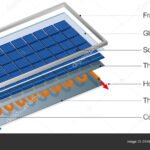
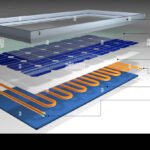
Let's look at the different solar cell designs and how age affects their output. If your system is older and uses out-of-date monocrystalline cells, you might be better off starting fresh rather than paying to move outdated hardware.
The Real Costs: Removal, Transport, and Reinstallation
This is where the dream of moving your solar setup usually dies. The numbers don't lie. Here's what you're looking at based on aggregate installer quotes from recent years.
| Cost Category | Typical Range |
|---|---|
| Professional removal | $1,000 – $2,500 |
| Transport and storage | $300 – $800 |
| Reinstallation at new house | $2,000 – $5,000 |
| New permits and utility paperwork | $200 – $600 |
| Roof repairs (old or new house) | $500 – $2,500 |
| Total estimated cost | $3,000 – $8,000+ |

Image source: Bing (Web (fair-use with source credit))
Those figures assume nothing breaks. Panels get damaged during transport. Roofs leak after old mounts are pulled.
Your inverter might not play nice with the new house's wiring setup. According to the U.S. Department of Energy's solar research, unplanned repairs during a move can add another $1,000 or more.
Compare that to buying a brand new 6 kW system. As of 2026, a modern setup runs $12,000 to $18,000 before the federal tax credit. You pay less than that for a move and get older, less efficient equipment.
The math is rough for most people.
Before you decide, check our full guide on system costs and financing. It breaks down what you actually pay after incentives and how new panels stack up against older ones.
Decision Branch 1: Is Your System Still Under Warranty?
Warranty status changes everything. Here's the simple rule. If your panels are still under the manufacturer's product or performance warranty, moving them yourself almost always voids that coverage.
Manufacturer specifications indicate that most 25-year power warranties only apply to the original installation. The fine print usually says something like "installation by an authorized partner only." A DIY removal and reinstall? That's a hard no from the warranty team.
If the system is under warranty:
- You must hire a certified installer for the move.
- That adds $1,000 to $2,000 in labor.
- The warranty might still not transfer to the new address.
- Some manufacturers require a new interconnection agreement and inspection.
If the warranty has expired:
- You can do the work yourself or hire whoever you want.
- The risk of panel damage is entirely on you.
- You don't have to worry about voiding coverage.
Decision Branch 2: Roof Type, Age, and Structural Fit
Your new roof might not like your old panels. And your old racking might not fit your new roof. These are real problems.
Different roof types need different mounting systems. Asphalt shingle roofs are the easiest to work with. Tile roofs often require special hooks that your old racking won't have.
Metal roofs need different clamps and seals. Flat roofs usually need ballasted mounts, not penetrations.
The racking and flashing are just as important as the main electrical components that generate power. If the old racking system is proprietary to a specific brand that's now discontinued, finding compatible parts for a new roof gets hard.
Here's a quick compatibility check:
- Asphalt shingle: Usually works. New flashing needed.
- Clay or concrete tile: High risk. Old brackets won't fit. New tile damage likely.
- Metal standing seam: Low risk if old clamps match. Expensive if they don't.
- Flat or low-slope: Good for ground-mount transfers. Bad for roof-mount moves.
What about the roof itself? If the new roof is over 15 years old, you should not mount panels on it. You'll have to take them down again for a reroof in a few years. That doubles your costs.
Get a structural engineer to check load capacity if you have any doubts.
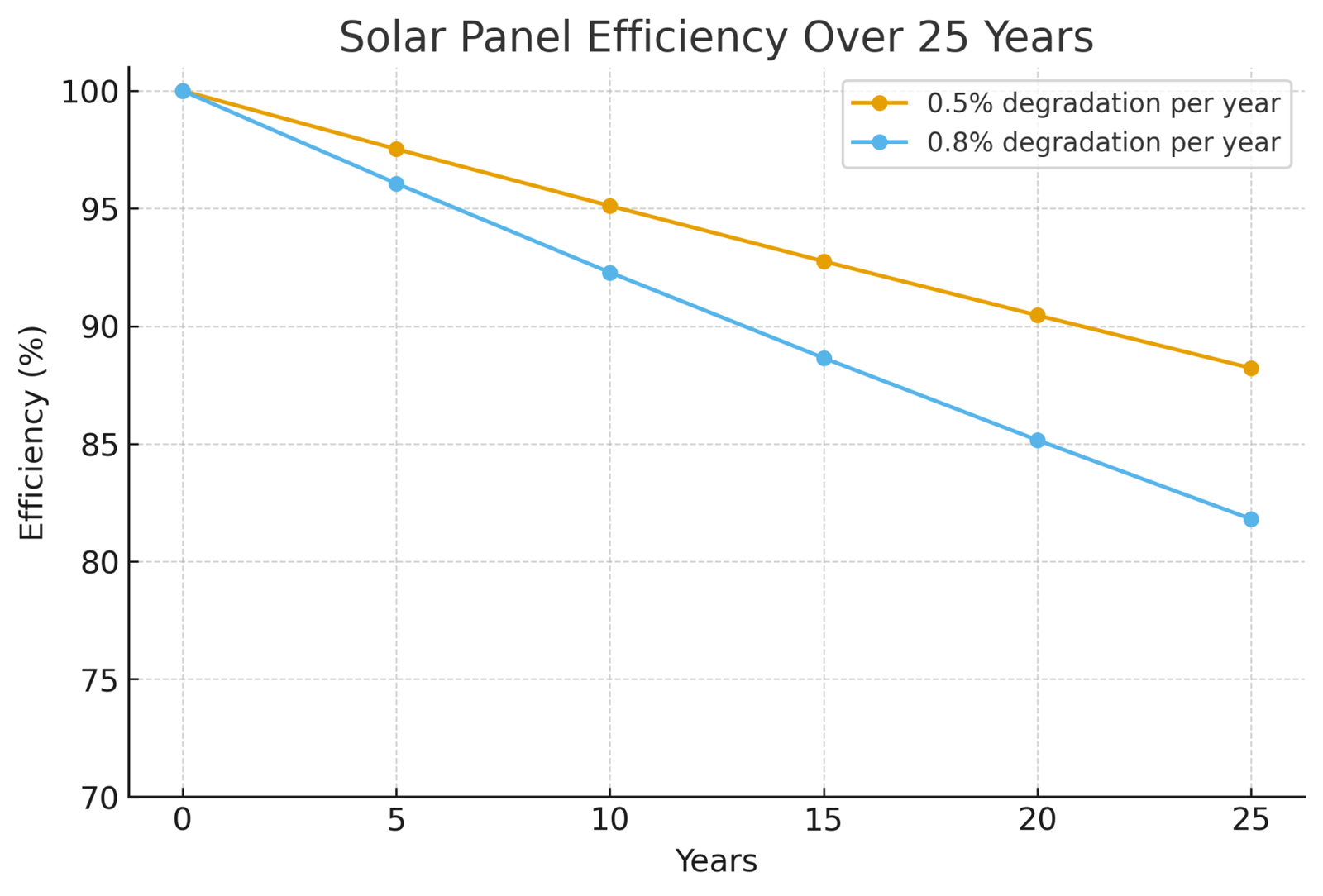
Image source: Bing (Web (fair-use with source credit))
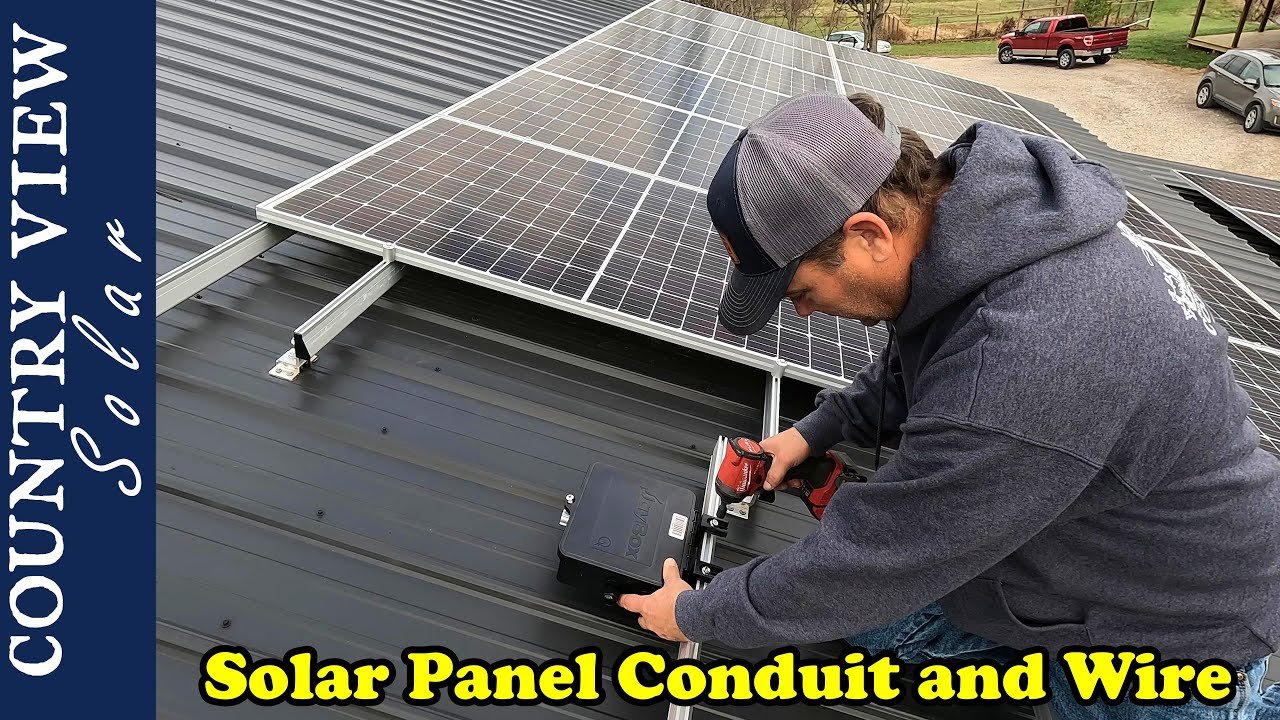
Image source: Bing (Web (fair-use with source credit))

Image source: Bing (Web (fair-use with source credit))

Image source: Bing (Web (fair-use with source credit))

Similar Posts