Can You Cancel Your Solar Panel Contract Before
You signed a solar contract and now you're having doubts. Maybe you found a better quote, or your roof needs replacing first, or a salesperson pushed you into something you didn't fully understand. The question running through your mind: can you cancel solar panel contract before installation?
The short answer is maybe, but the window is tight and the rules aren't the same for everyone.
Here's what you need to know: the Federal Trade Commission's Cooling-Off Rule gives you three business days to cancel most in-home sales, including solar contracts signed at your door. But if you signed online or at the company's office, that federal protection disappears. As of 2026, some states like California and New York offer stronger rescission rights, but you have to know exactly what your contract says and act fast.
Let's walk through the specifics so you don't lose your deposit or get stuck with a deal you don't want.
Quick Answer
Yes, you can cancel most solar contracts before installation. But timing matters. If you signed at home, federal law gives you three business days to cancel without penalty.
If you signed online, state laws vary. Review your contract's cancellation clause immediately. Send written cancellation via certified mail.
Expect to lose a deposit if equipment was already ordered. Act within days, not weeks.
Core Facts – What Every Solar Contract Actually Says
Every solar contract includes a cancellation clause, but they look different depending on the type of agreement. Solar leases, Power Purchase Agreements (PPAs), and solar loans each have their own cancellation rules. The most common terms you'll find are:
- Cancellation window: typically 3 to 10 business days after signing, depending on state law and where you signed.
- Deposit terms: many contracts say deposits are non-refundable after a certain date, often after the site survey or equipment order.
- Custom equipment clause: once the company orders panels, inverters, or mounting hardware specific to your roof, they may consider the contract "executed" and charge a restocking fee or keep your deposit.
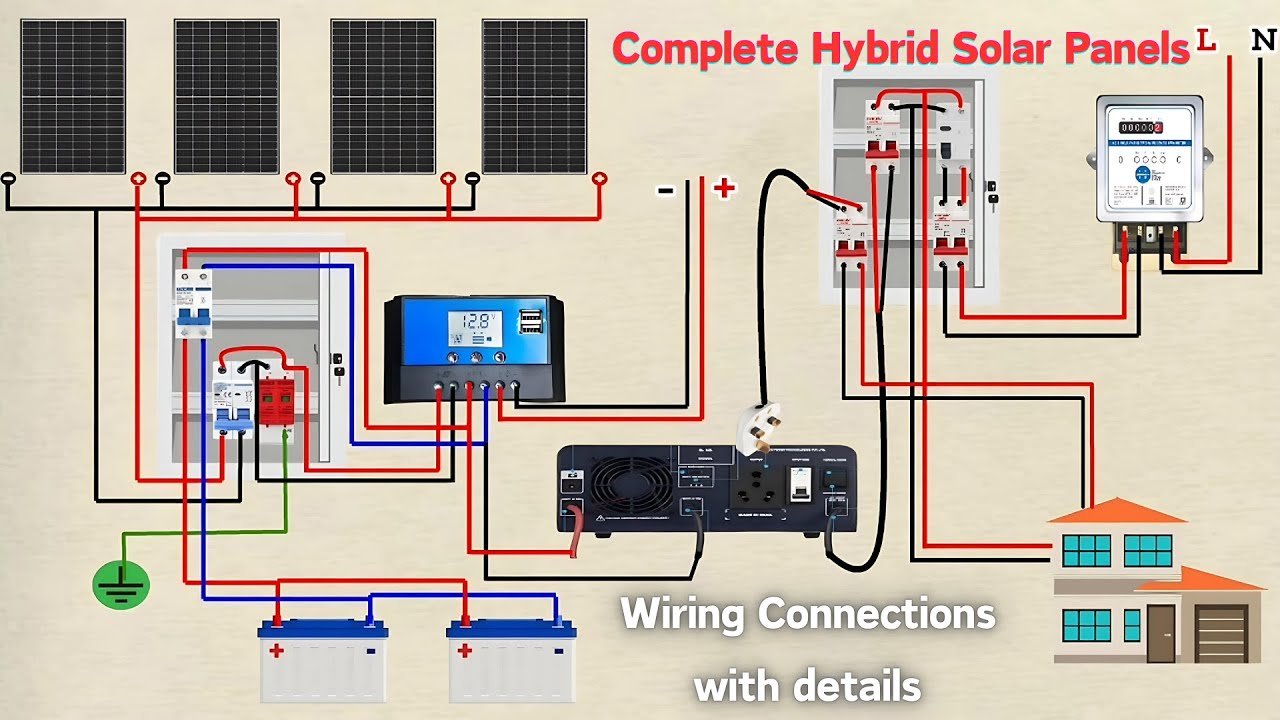
The standard installation timeline looks like this: signing → site survey → system design approval → permits → equipment ordering → installation. The cancellation window often closes after the site survey. That's the most dangerous point.
If you wait until permits are filed, you may owe termination fees beyond your deposit.
State laws play a huge role here. For example, California's Home Improvement Contract law gives you 5 business days to cancel any home improvement contract, including solar. New York's General Business Law provides 3 days for door-to-door sales but also gives you additional protections for solar leases.
Florida's 3-day window is shorter and applies only to in-home sales. Texas has no additional state laws beyond the federal rule. If you live in a state with strong consumer protections, you may have more time.
Always check your state's consumer protection website or the FTC's guidelines on the Cooling-Off Rule. The link takes you to the official FTC page where you can find the full text and exceptions.
Risk Factors That Could Cost You Your Deposit or Worse
Canceling isn't always clean. Several factors determine whether you get your money back or end up in a legal dispute.
- Cooling-off period expiration: if you missed the 3-day (or whatever your state offers) window, the contract is binding. Canceling afterward means breach of contract.
- Custom equipment already ordered: solar companies often order panels and inverters based on your roof layout. A typical residential system might have panels that are cut to size or ordered non-refundably. If the company has already paid the supplier, they'll deduct that from your deposit.
- Financing already pulled: if you signed a solar loan, the lender may have already disbursed funds to the installer. Canceling could involve a complicated payoff process and a hard inquiry on your credit.
- UCC lien filed: some solar leases or PPAs require the installer to file a Uniform Commercial Code (UCC) financing statement on your property. That acts like a lien. Canceling after filing means you need the company to release the lien, which they may not do without a termination fee.
- State-specific exceptions: certain states allow cancellation only for specific reasons, such as misrepresentation or fraud. Just wanting out is not enough unless your contract includes a "right of rescission."
Here's a quick comparison of what you might lose based on timing:
| Timing | Typical Outcome |
|---|---|
| Within cooling-off period | Full deposit refund, no penalty |
| After cooling-off but before equipment order | Deposit refund minus a small admin fee ($50–$200) |
| After equipment order but before installation | Deposit may be partially or fully forfeited (could be $1,000–$5,000) |
| After installation begins | Full contract terms apply; cancellation may require paying up to entire contract value |
The biggest risk is waiting. The moment you sign, a clock starts ticking. Every day you delay increases the chance that the company commits to materials or permits.
If you're having second thoughts, don't sit on them. Act fast.
Safe Practices – How to Cancel the Right Way (Step by Step)
Step 1: Find Your Contract's Cancellation Clause
Locate your signed document. Look for a section titled "Cancellation," "Right of Rescission," "Cooling-Off Period," or "Termination." Read the exact language. It should state the number of days you have to cancel, whether any fees apply, and how to deliver your cancellation (written notice, email, phone call, or all three).
If the clause is missing or vague, that's a red flag. A well-drafted contract will always include this.
Step 2: Check Your State's Cooling-Off Period and Rescission Rights
Even if your contract says 3 days, your state might give you more. Go to your state attorney general's website or consumer protection office. Search for "solar contract cancellation" or "home improvement rescission." Some states, like California, explicitly list solar contracts under their Home Improvement Contractor laws.
Others include solar in broader consumer protection statutes. Write down the exact number of business days and the specific delivery method they require.
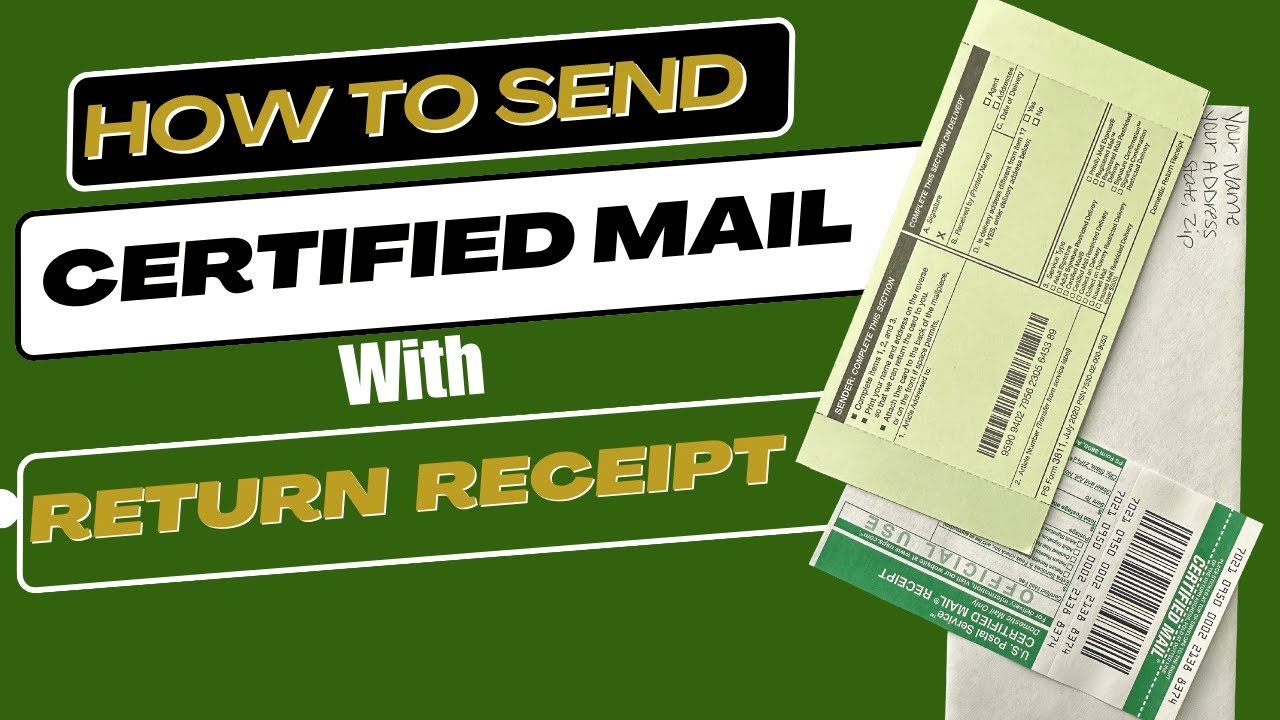
Step 3: Send a Written Cancellation (Certified Mail, Return Receipt)
This is the most important step. Verbal cancellation over the phone is rarely recognized. You need a paper trail.
Write a simple letter: state your name, address, contract number, date signed, and clearly say "I am canceling this contract." Mail it via USPS Certified Mail with Return Receipt Requested. That gives you proof of delivery and a signature from the recipient. Keep a copy of the letter and the receipt.
Email alone can be ignored. A fax can be lost. Certified mail is legally bulletproof.
Step 4: Confirm the Deposit Refund (or Accept the Loss)
After sending the cancellation, call the company and ask for confirmation. Get a name, a case number, and a timeline for the refund. If they say your deposit is non-refundable, ask for the specific contract clause that says so.
Some companies will refund a deposit even if the window has passed, especially if no equipment was ordered. Be polite but firm. Document every conversation.
Step 5: Cancel Any Financing and Monitor Your Credit
If you signed a solar loan or financed through a third party, contact the lender immediately. Tell them you canceled the contract. They may need a copy of your cancellation letter.
Check your credit report within 30 days to ensure no hard inquiries or new accounts appear that you didn't authorize. If you see anything suspicious, dispute it with the credit bureau.
Mistakes That Turn a Simple Cancel Into a Legal Headache
Mistake 1: Assuming a Phone Call Is Enough
You call the sales rep. They say "no problem, we'll take care of it." Two weeks later, you get a bill for $1,500 in termination fees. Why?
Because the company didn't process your verbal cancellation. Their records show you never canceled. A phone call is not a legal cancellation.
Always follow up with written proof, and keep that certified mail receipt.
Mistake 2: Miss the Deadline (Even by One Day)
Cooling-off periods count business days, not calendar days. If you signed on a Friday, your three business days might expire on Wednesday. Forgetting a holiday means you lose a day.
Mark your calendar. Set a reminder. Send the cancellation letter on the same day you decide to cancel.
Do not wait until the last possible day. A delay of 24 hours can cost you your deposit and lock you into a contract you no longer want.
Mistake 3: Ignoring the "Custom Equipment" Trap
Some contracts have a clause that says once the company orders "custom" or "non‑returnable" equipment, your cancellation rights are limited. They may define "custom" as anything from pre‑cut racking to specific panel sizes. If you cancel after that point, you owe the full cost of the equipment.
That can be thousands of dollars. Ask the company directly: have they already ordered panels? Get it in writing.
If they say yes, your cancellation options shrink dramatically.
Mistake 4: Canceling Financing Without Canceling the Contract
You call the lender, cancel the loan, then assume the solar contract is dead too. But the installer still has a signed contract with you. They may continue to pursue payment or even file a lien.
Always cancel the contract first, then separately cancel any financing. And don't forget to verify that the financing cancellation actually went through, sometimes lenders take weeks to process requests.
Mistake 5: Not Checking for a UCC Lien
If you have a solar lease or PPA, the installer might have filed a UCC-1 financing statement on your property. That's a public record that can show up on title reports. Canceling the contract doesn't automatically remove the UCC filing.
You must request a UCC termination in writing after the contract is canceled. If the company doesn't file the termination, it can cause problems when you sell your home or refinance. Check your county recorder's office or your credit report to see if a UCC filing exists.
If it does, make its removal part of your cancellation agreement.
These are the five most common mistakes I see in aggregate reviews and consumer complaints. Avoid them and you'll save yourself time, money, and frustration. The key takeaway: treat cancellation like a legal process, not a customer service call.
Paperwork wins every time.
Costs, Deposits, and Fees – What You Might Lose (and What You Won't)
Deposits range from $1,000 to $5,000 for a typical residential solar system. Some companies ask for 10% of the total contract value. Others charge a flat fee.
The only way to know exactly what you're on the hook for is to read the fine print under "Deposit" or "Cancellation Fee."
| Timing | What You Likely Lose | What You Keep |
|---|---|---|
| Within cooling-off period | Nothing (full refund) | Your full deposit |
| After cooling-off but before site survey | Admin fee ($50–$200) | Most of your deposit |
| After site survey but before equipment order | Smaller portion ($200–$500) | Rest of deposit |
| After equipment ordered | Full deposit ($1,000–$5,000) | Nothing |
| After installation begins | Full deposit + potential termination fee | Nothing |
The worst-case scenario isn't just losing your deposit. Some contracts include a "liquidated damages" clause that charges a penalty equal to 10, 20% of the total contract value. On a $25,000 system, that's $2,500 to $5,000 on top of the forfeited deposit.
But you won't lose money for things like permits, design work, or sales commissions. Courts generally view those as the company's business costs. If a company tries to bill you for "lost profits," they'd have to prove you breached the contract.
That's harder to do if you cancel during any valid rescission period.
Understanding the different system types can help you decide whether cancellation is worth the cost. For example, the costs involved with canceling a solar lease versus a purchase differ because leases often have early termination penalties. You might also want to compare the different panel technologies to see if a better deal exists.
When to Get Help – Lawyer, State AG, or Consumer Protection Agency
You don't need a lawyer for a straightforward cancellation within the cooling-off period. But if the company refuses to refund your deposit, ignores your cancellation letter, or threatens to file a lien, it's time to escalate.
Start with your state's consumer protection office. Most have online complaint forms. The California Attorney General's consumer page is a good example of what to look for in your own state.
They can investigate unfair practices and sometimes force refunds.
If the solar company is licensed (most are), file a complaint with the state contractor licensing board. In California, that's the Contractors State License Board (CSLB). They have authority to suspend or revoke licenses for violations.
Consider a lawyer only if:
- The amount at stake exceeds $5,000.
- The company has filed a UCC lien that you need removed.
- You signed a contract with an arbitration clause and want out.
Most consumer lawyers offer a free 30-minute consultation. Look for one who specializes in consumer protection or contract law. Avoid the "solar cancellation" mills that charge upfront fees, they often do nothing you can't do yourself.
Real Scenarios – What Happened to Other Homeowners
Scenario 1: The 3-day window saved her. Sarah signed a solar lease at her kitchen table. The next day she found a cash-purchase deal for $8,000 less. She mailed her cancellation letter within 3 business days.
The company refunded her $1,000 deposit. No questions asked.
Scenario 2: The custom equipment trap. Mark waited two weeks before canceling. By then the installer had ordered 24 panels and a solar inverter specific to his roof layout. The contract said those were non-returnable.
Mark lost his $2,500 deposit but avoided the full contract value.
Scenario 3: The lien nightmare. Janet canceled a PPA after the 5 day window. The company released her from the contract but never removed the UCC lien. Eighteen months later, she tried to refinance and the title company flagged it.
It took three months and a lawyer to get the lien released.
These outcomes show one thing clearly: the timing of your decision determines everything. The earlier you act, the less you lose.
Expert Tips – What Salespeople Don't Want You to Know
Salespeople are trained to close the deal, not to explain cancellation rights. Here's what they leave out:
- The cooling-off period starts the day you sign, not the day installation begins. Some reps imply you have "until installation" to cancel. That's false.
- You can cancel without giving a reason. You don't need to justify buyer's remorse. The law doesn't require a reason during the rescission period.
- A deposit doesn't automatically become non-refundable. The contract must explicitly state when it becomes forfeited. If the language is vague, push back.
- The "custom equipment" clause is often overused. A standard 60-cell panel isn't custom. Ask for proof that the equipment can't be resold to another customer.
- You can negotiate a partial refund even after the window closes. Companies would rather keep some of your money than fight a public complaint. Offer a compromise.
Understanding how solar panels actually work and what components are standard can help you argue against "custom equipment" claims. For instance, the main components of a solar panel system are largely interchangeable between installers.
Frequently Asked Questions
Can I cancel a solar lease the same way as a purchase?
Yes, the cancellation process is the same. But leases often have separate early termination fees. Check both the lease agreement and the installation contract for cancellation terms.
The cooling-off period still applies if you signed at home.
What if the solar company filed a UCC lien on my home?
You must request a UCC termination in writing after canceling. The company is legally required to file it within 20 days of full payment or contract termination. If they refuse, contact the Secretary of State's office in your state to dispute the filing.
Does the FTC's 3-day cooling-off rule apply if I signed online?
No. The FTC Cooling-Off Rule only covers sales made at your home, workplace, or a temporary location like a fair or trade show. Online and in-store sales are not protected by this federal rule.
You'd need to rely on your state's consumer protection laws.
Final Verdict – Your Decision Guide for Canceling Safely
Here's your checklist. Tick each box as you go.
❑ Act immediately. The clock is ticking.
❑ Check your contract for the cancellation window and deposit terms.
❑ Check your state's cooling-off period. It may be longer than the contract says.
❑ Send a written cancellation via certified mail with return receipt.
❑ Confirm the cancellation in writing from the company.
❑ Cancel any financing separately.
❑ Check for a UCC lien and request termination if needed.
❑ Follow up within 30 days to verify refund processing.
If you follow these steps, you give yourself the best chance at a clean exit. Most solar companies are legitimate and will honor cancellation terms. But a small number will test your resolve.
Knowing your rights and the process is your strongest defense.
Canceling a solar contract before installation is stressful. It's also common. Thousands of homeowners change their minds every year.
You are not stuck. You just have to act fast, document everything, and know where to turn if things get complicated. Weigh the pros and cons of solar energy carefully before signing in the future, and always compare multiple quotes using a reliable solar panel buying guide.
That way, you avoid needing this guide altogether.
Why Getting This Right Matters (and What's at Stake)
A solar contract is not like a streaming subscription. You cannot cancel with one click and forget about it. The financial stakes are real: deposits of $1,000 to $5,000, potential termination fees, credit score impacts, and even property liens.
One wrong move can cost you thousands or lock you into years of payments.
But the opposite is also true. A well-timed, properly documented cancellation saves you from a bad deal. It protects your credit, keeps your money in your pocket, and gives you the freedom to find a better installer or a better financing option.
The difference between success and failure is knowing your rights and following the correct process. Every day you delay increases the risk. Act now, follow the checklist, and you will come out ahead.

Similar Posts