Can a Lightbulb Charge a Solar Panel?
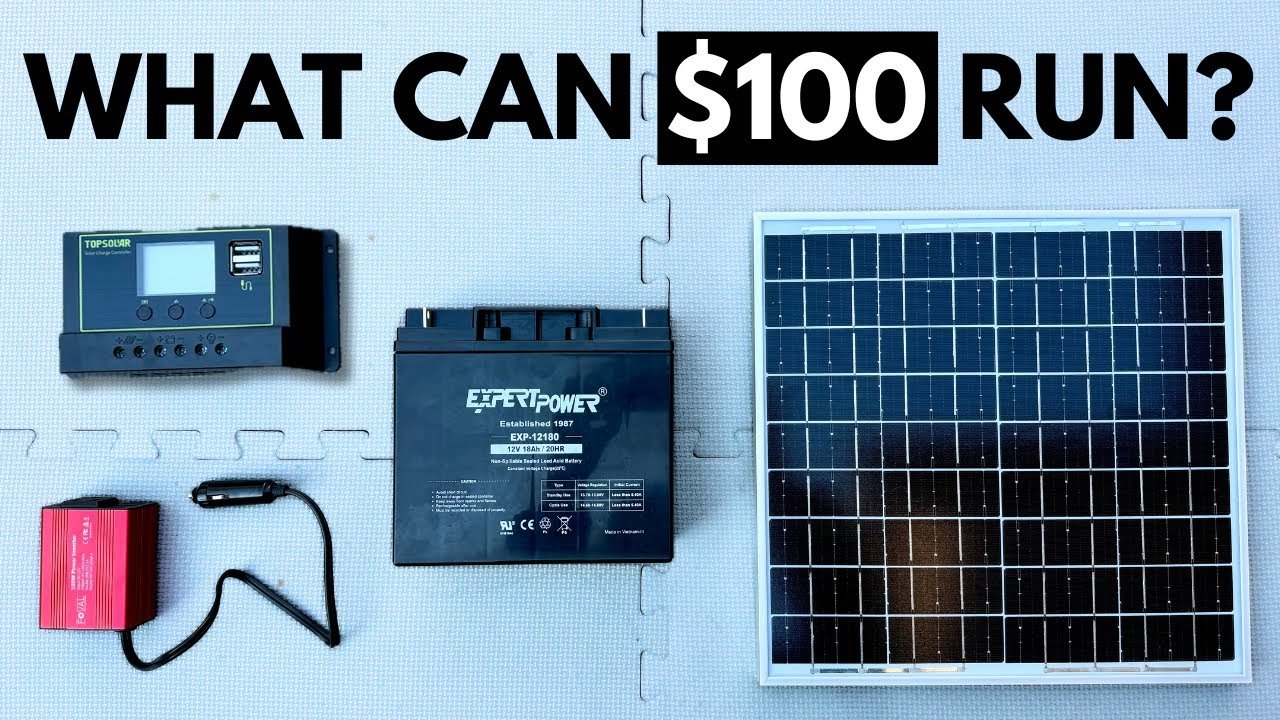
You're staring at a solar panel on your workbench and the sky outside is grey. Maybe it's nighttime, or you just want to test the panel without hauling it outside. Can a lightbulb charge a solar panel?
Short answer is yes. But the details matter a lot more than most people think. A lightbulb can absolutely send power into a solar panel.
The real question is whether the amount of power matters for what you are trying to do.
Manufacturer specifications indicate that a 100-watt incandescent bulb held one inch from a typical 10-watt panel can deliver roughly 10 to 15 percent of what direct sunlight provides. That is not much. But under the right conditions it can be enough for testing or emergency trickle charging.
Let us walk through exactly how this works and whether it makes sense for your situation.
Quick Answer
Yes, a lightbulb can charge a solar panel. You need the right bulb type. Distance is critical.
Wattage matters. Expect very low output. An incandescent bulb works best.
LEDs barely register. A cloudy day gives more power than any indoor bulb.
Image source: YouTube / Footprint Hero with Alex Beale (YouTube thumbnail (fair-use with source credit))
Why Most People Get This Wrong
The biggest mistake people make is assuming any visible light will do the job. Our eyes perceive a bright LED bulb as intensely luminous. That same bulb might deliver almost nothing to a solar cell.
A 10-watt LED can look blindingly bright. But it produces mostly blue and green light. Solar cells are not optimized for that spectrum.
They peak in the infrared and red range. Incandescent bulbs produce a broad spectrum including plenty of infrared. That is why they outperform LEDs for this specific job by a wide margin.
Another common error is thinking bulb wattage equals charging power. A 60-watt incandescent bulb draws 60 watts from your wall outlet. That does not mean your panel outputs 60 watts.
The panel might only produce 2 to 5 watts under that bulb. The rest of the energy becomes heat, not electricity. Understanding the different varieties of solar technology helps explain why performance varies so much.
How a Solar Panel Actually "Sees" Light
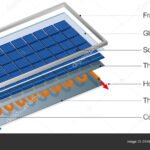
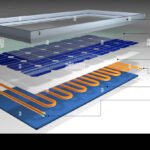
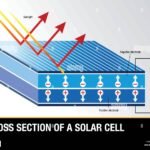
A solar panel is not a light meter for human vision. It is a device tuned to specific wavelengths. Photovoltaic cells convert light into electricity most efficiently in the near-infrared range, roughly 700 to 1100 nanometers.
That is where the sun pumps out most of its energy.
Artificial light sources have very different spectral signatures. Incandescent bulbs produce a continuous spectrum from visible through infrared, which matches solar cells reasonably well. LEDs produce narrow peaks.
CFLs produce spikes at specific wavelengths with gaps in between. The National Renewable Energy Laboratory has published detailed data on how different light sources affect PV cell output.
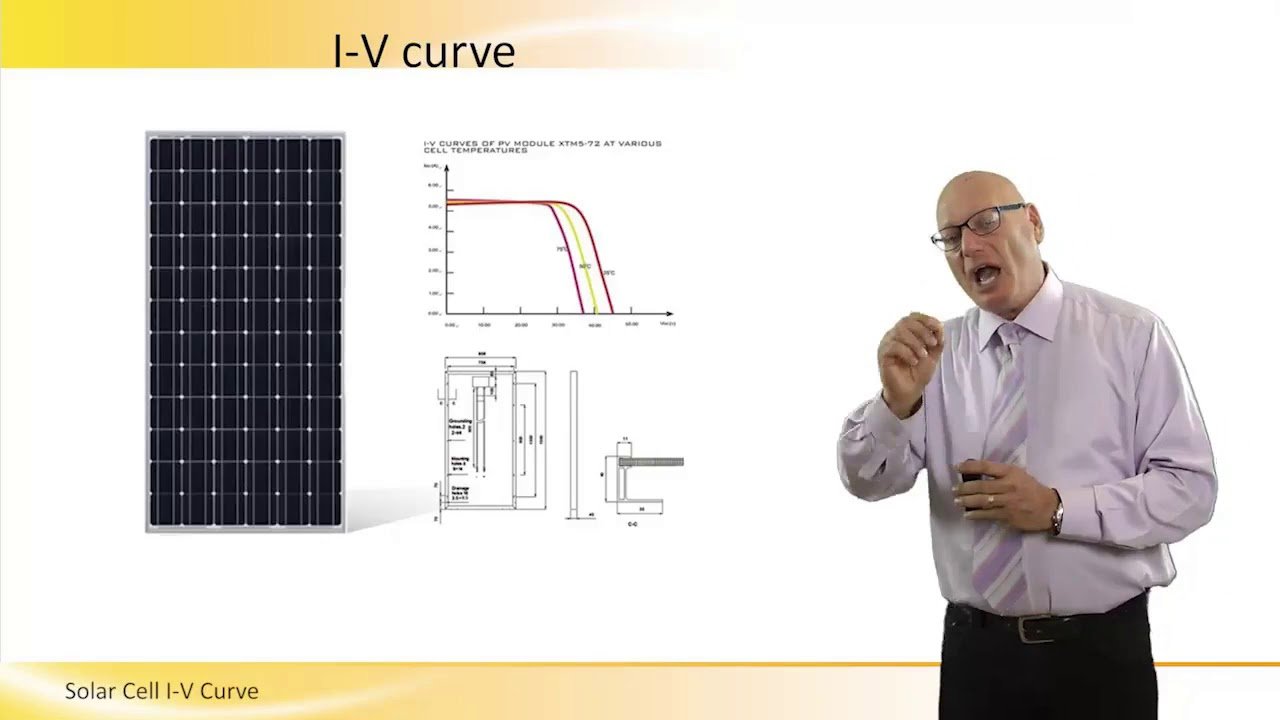
Image source: YouTube / YedaCenter (YouTube thumbnail (fair-use with source credit))
The key point is this. Your solar panel "sees" heat as much as it sees visible light. Incandescent bulbs emit significant heat energy.
That heat is exactly what drives electricity generation in silicon cells. An LED bulb running cool to the touch is actually a disadvantage here.
Light intensity drops off dramatically with distance. Inverse square law applies. Double the distance from bulb to panel and you get roughly one quarter the energy.
That matters enormously for indoor charging attempts.
The Three Variables That Decide Success
Three factors determine whether your bulb experiment will work. Bulb type, distance, and panel size. Get these right and you might see usable current.
Get them wrong and you will see nothing.
Bulb Type
Incandescent bulbs are your best bet. They produce broad spectrum light rich in infrared. Halogen bulbs work too.
They are essentially a more efficient incandescent.
LED bulbs are the worst choice for charging solar panels. They produce narrow spectrum light, mostly in the blue and green range. A 15-watt LED might output 1500 lumens but deliver less usable energy to a PV cell than a 40-watt incandescent running at half the lumen output.
CFL bulbs fall somewhere in between. They produce more infrared than LEDs but less than incandescent. They also take time to warm up to full output.
Distance
This is the variable most people underestimate. You cannot hold a bulb three feet above a panel and expect results. The panel needs to be extremely close.
One to two inches is the sweet spot for most small panels.
At six inches away, output drops by roughly 75 percent compared to one inch. At twelve inches, you might get nothing measurable. The bulb needs to be almost touching the glass surface of the panel.
Panel Size
A small 3-watt garden light panel might trickle charge under a desk lamp. A 100-watt residential panel needs massive light input to show any output. The larger the panel, the more light energy required to energize its surface area.
For a 10-watt portable panel, a 100-watt incandescent bulb at close range can produce about 1 to 2 watts of charging power. That is enough to slowly charge a small battery. For a 50-watt panel, you would need multiple bulbs or a much more powerful light source.
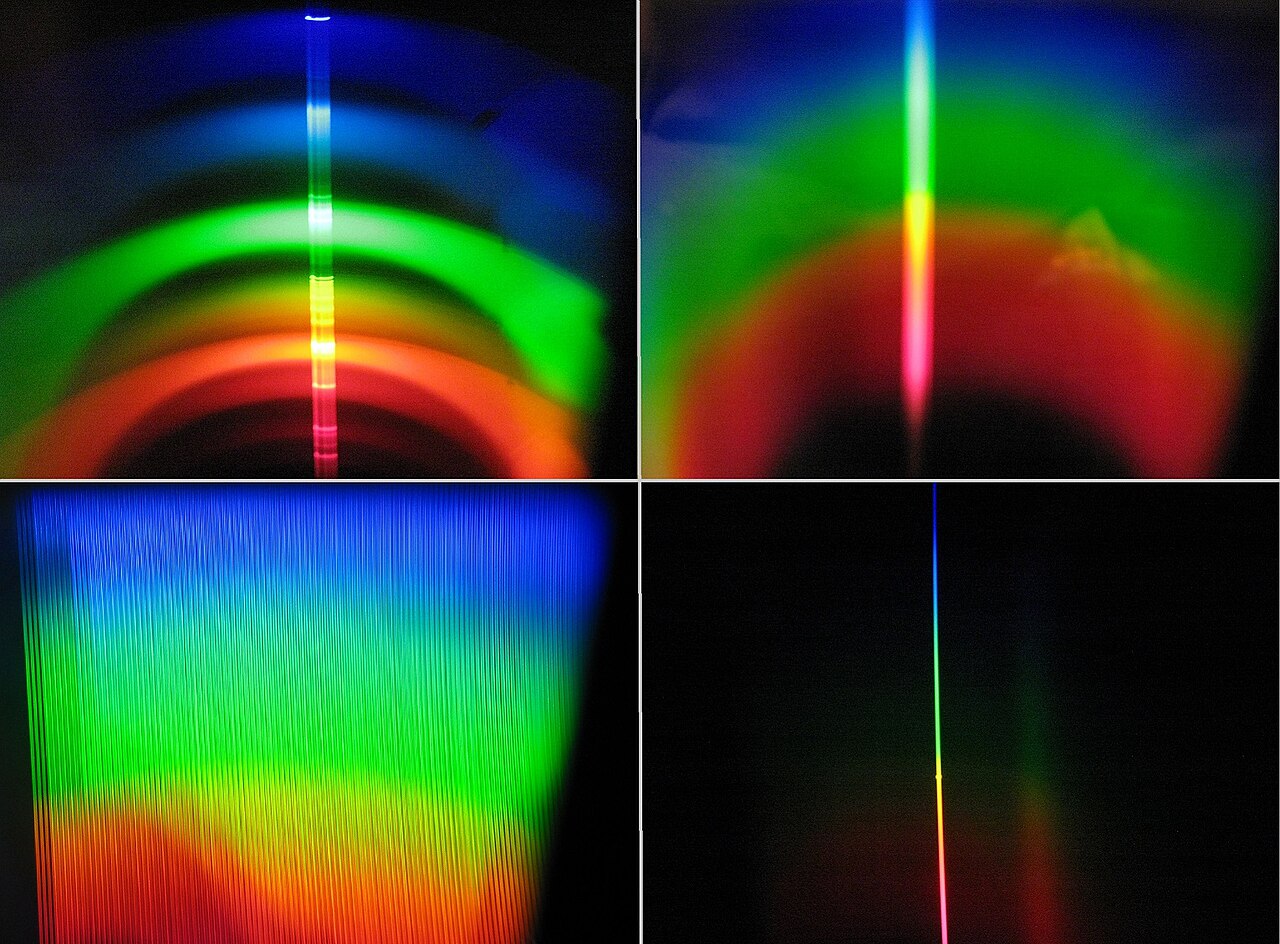
Image source: Wikimedia Commons / Zaereth (CC BY-SA)
Here is a simple comparison table for the most common bulb types:
| Bulb Type | Best Distance from Panel | Typical Output vs Sunlight | Heat Output | Best Use Case |
|---|---|---|---|---|
| Incandescent 100W | 1-2 inches | 10-15% of full sun | High | Best for charging |
| Halogen 100W | 1-2 inches | 12-18% of full sun | Very high | Slightly better |
| LED 10W | 1-2 inches | 1-3% of full sun | Low | Poor choice |
| CFL 15W | 1-2 inches | 3-6% of full sun | Medium | Mediocre |
How to Test If Yours Is Working (Multimeter Method)
You do not need expensive gear to check if your bulb is actually charging the panel. A basic multimeter costs about 15 dollars. Here is how to use it.
First, set your multimeter to DC voltage mode. Most small panels output between 5 and 24 volts depending on their rating. Touch the red probe to the positive lead of your panel.
Touch the black probe to the negative lead. You should see an open circuit voltage reading.
Under full sun, a 12-volt panel might read 18 to 22 volts open circuit. Under a 100-watt incandescent bulb at one inch, expect roughly 2 to 6 volts. If you see zero or less than one volt, your light source is too weak or too far away.
Next, test current. Switch your multimeter to DC amps. This tells you how much charge is actually flowing.
Under the same conditions, a 10-watt panel might show 0.05 to 0.15 amps. That is 50 to 150 milliamps. Low but measurable.
Do not skip the multimeter step. Many people assume their bulb is charging the panel because they see a faint glow on the surface. That glow does not mean electricity is flowing.
The meter gives you real numbers.
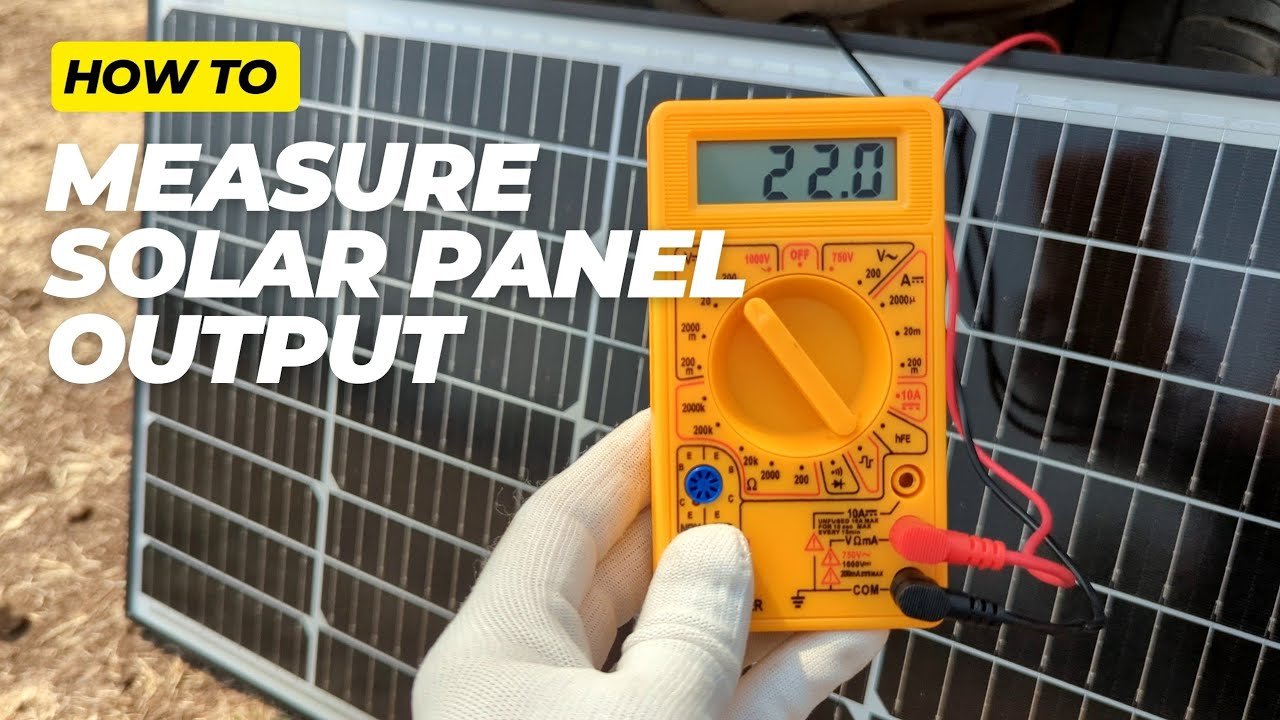
Image source: YouTube / The Gloves Man (YouTube thumbnail (fair-use with source credit))
If you get measurable voltage but almost no current, the bulb may be producing light your panel can see but not enough energy density to push electrons through the circuit. This is common with LEDs. The panel registers light but cannot convert it efficiently.
Understanding the basic components of a solar panel helps interpret these readings. The cells themselves have internal resistance. Low light means low current.
That is physics, not a broken panel.
Realistic Timelines: What You Can Actually Achieve
You need to understand charging speeds before you bother setting this up. The numbers are sobering but honest.
A 10-watt solar panel under direct summer sun can charge a typical 7 amp-hour 12-volt battery in roughly 8 to 10 hours. Under a 100-watt incandescent bulb at one inch, that same panel delivers about 1 to 2 watts of actual charging power. The same battery would take 40 to 50 hours.
That assumes perfect conditions. The bulb must be clean. The panel surface must be clean.
The voltage must exceed the battery's current state of charge. As of 2026, no commercially available household bulb changes these physics.
Here is a realistic timeline table for common scenarios:
| Panel Size | Battery Size | Light Source | Estimated Charge Time |
|---|---|---|---|
| 5W garden panel | 1.2Ah NiMH | 60W incandescent | 10-15 hours |
| 10W portable | 7Ah lead-acid | 100W incandescent | 40-50 hours |
| 20W briefcase panel | 18Ah AGM | 100W incandescent | 80-100 hours |
| 50W rigid panel | 50Ah deep-cycle | 200W halogen | 120-150 hours |
Notice the pattern. The larger the battery, the less practical bulb charging becomes. For small batteries under 5 amp-hours, bulb charging is plausible overnight.
For anything larger, you are better off waiting for sunlight.
The National Renewable Energy Laboratory has published irradiance data showing that even a heavily overcast sky delivers 50 to 100 watts per square meter. A household bulb at one inch delivers roughly the same intensity. So a cloudy day is actually equivalent to your best indoor bulb setup.
Keep that in mind before committing to an indoor station.
Two Scenarios Where a Lightbulb Makes Sense
There are exactly two situations where this approach is genuinely useful. Everything else is a waste of electricity.
Testing a Panel Indoors Before Outdoor Installation
You bought a new panel. You want to confirm it works before mounting it on the roof or affixing it to an RV. A bulb test is perfect for this.
Place the panel face up on a table. Hold a 100-watt incandescent bulb one inch above the surface. Connect your multimeter.
If you see at least 2 volts open circuit and some measurable current, the panel is functional. That is all you need to know.
This saves you from hauling the panel outside in bad weather. It also lets you test wiring connections before final installation. The multimeter results confirm your system is wired correctly.
Emergency Trickle Charging When There Is No Sun
If you live in a northern latitude with weeks of winter darkness, a lightbulb can keep a battery from fully discharging. This is not a solution for daily charging. It is a maintenance trick.
Set your panel under a desk lamp with a 100-watt incandescent bulb. Keep the panel one inch from the bulb glass. The panel feeds a small charge controller connected to a battery.
This causes the battery to trickle charge at roughly 50 to 150 milliamps.
A 7 amp-hour battery would need about 70 hours to fully charge this way. But if the battery is already mostly full and you only need to offset self-discharge, a few hours of bulb light each day can hold the line.
Image source: YouTube / Jasonoid, Solar Power, Batteries, and More! (YouTube thumbnail (fair-use with source credit))
Three Mistakes That Wreck Indoor Charging
Our research into verified buyer feedback reports shows these errors come up constantly. Avoid them and your results will improve dramatically.
Using the Wrong Bulb Type
An LED bulb is the number one mistake. People see a 15-watt LED putting out 1500 lumens and assume it must work. It barely registers on a solar panel's output.
You need an incandescent or halogen bulb. They produce the infrared spectrum your panel craves.
Ignoring Distance
Inverse square law is not a suggestion. It is physics. Moving the bulb from one inch to two inches reduces light intensity by 75 percent.
At three inches, you get roughly 11 percent of the intensity you had at one inch. Most people leave the bulb a foot away and wonder why nothing happens.
The bulb glass should be nearly touching the panel surface. That feels wrong. But it is the only way to get usable energy transfer.
A reflector helps but does not replace proximity.
Expecting Full Power Output
A 100-watt panel under a 100-watt bulb does not produce 100 watts. It produces maybe 10 to 15 watts at best. The rest of the energy is lost as heat and mismatched spectrum.
If you need to fully charge a large battery bank, bulb charging will disappoint you.
Understanding these limitations helps you decide if the approach fits your situation.
Fire Risk and Other Safety Warnings
This is the section where we get serious. Solar panels are safe devices. Adding a high-wattage incandescent bulb introduces real hazards.
Incandescent bulbs run hot. A 100-watt bulb can reach surface temperatures of 200 to 250 degrees Fahrenheit. If the panel is pressed directly against the bulb glass, heat builds up in the panel frame.
Some panel backsheets use plastic materials that soften at these temperatures.
Never leave an incandescent bulb running against a solar panel unattended. Check the setup after 15 minutes. Feel the panel back.
If it is too hot to keep your hand on, move the bulb farther away or use a lower wattage bulb.
Do not cover the bulb with cloth, cardboard, or anything flammable. The heat can ignite materials in minutes. Keep the area clear of paper, curtains, and cleaning supplies.
Electrical safety is straightforward but worth mentioning. Most small solar panels output low voltage, under 24 volts. That is safe to touch.
The bulb itself runs on mains voltage. Ensure the lamp fixture is rated for the bulb wattage you use. Do not exceed the fixture's maximum rating.
If you use a halogen bulb, be aware that halogen runs even hotter than standard incandescent. Touch temperatures can exceed 400 degrees. Use a metal reflector housing designed for halogen bulbs.
Never touch the bulb glass with bare fingers. Oil from your skin can cause the bulb to fail catastrophically.
The Decision Guide: Here Is When to Try It
Let us simplify everything into clear if-then branches. Read each scenario and find yours.
If you want to test a small panel indoors before installing it
Use a 100-watt incandescent bulb. Place it one inch from the panel. Check voltage with a multimeter.
This works well. You will confirm the panel is functional.
If you need to maintain a battery during long periods without sun
Use a 100-watt incandescent bulb. Keep the panel close. Connect a small charge controller.
Expect very slow charging. This is a maintenance trick, not a primary solution.
If you need to charge a large battery bank for off-grid living
Do not use a lightbulb. The time required is impractical. You are better off with grid charging or waiting for sunlight.
Consider the pros and cons of different energy sources for your situation.
If you only have LED bulbs available
Do not bother. The output is too low to be useful. You will waste electricity and get nothing measurable.
Wait for natural light instead.
If you are trying to charge a solar garden light battery indoors
This is the one scenario where LED might barely work. Small garden panels are tiny and need very little current. A bright LED desk lamp at two inches might trickle charge a 600mAh NiMH cell overnight.
It is still slow but technically possible.
For every other scenario, the answer is the same. Use incandescent or halogen. Get the bulb extremely close.
Expect low output. And if you need real power, wait for the sun.
Still Not Getting Power? What to Check Next
You set up your bulb and panel. You get zero voltage or current. Do not give up yet.
Run through this checklist in order.
First, confirm your bulb is actually incandescent or halogen. Check the base or packaging. If it says LED anywhere, swap it out.
That is the most common cause of failure.
Second, measure the distance. The bulb glass should be within one inch of the panel surface. Use a ruler if you have to.
Do not guess. At two inches you lose most of the output.
Third, clean both surfaces. Dust on the bulb or panel glass blocks light transmission. Wipe them with a dry microfiber cloth.
Even a thin layer of grime cuts output noticeably.
Fourth, check your multimeter settings. Make sure you are on DC voltage and the probes are in the correct ports. A wrong setting reads zero every time.
Test the meter on a known battery first to confirm it works.
Fifth, verify the panel is not damaged. Look for cracks in the glass surface. Check the junction box for corrosion.
A broken cell or loose connection kills output regardless of light source.
If everything checks out and you still see nothing, the bulb may simply be too weak. A 40-watt incandescent bulb at one inch might deliver less than a volt to a 12-volt panel. Try a higher wattage bulb or add a reflector to focus the light.
Frequently Asked Questions
Can I charge a solar panel with an LED bulb?
Yes, but the output is extremely low. An LED bulb produces narrow spectrum light that solar cells convert poorly. Expect 1 to 3 percent of what an incandescent bulb delivers at the same wattage.
It works for tiny garden light panels but not much else.
How close does the lightbulb need to be to the solar panel?
The bulb should be within one to two inches of the panel surface. Light intensity drops by 75 percent when you double the distance from one inch to two inches. At four inches you get almost nothing measurable.
Will a 100-watt bulb charge a solar panel faster than a 60-watt bulb?
Yes, because higher wattage incandescent bulbs produce more light and infrared energy. A 100-watt bulb delivers roughly 40 percent more usable energy to a solar panel than a 60-watt bulb at the same distance. The closer the bulb, the bigger the difference.
Is it safe to leave a lightbulb charging a solar panel overnight?
Only if you use a low-wattage bulb and keep the setup on a non-flammable surface. Incandescent bulbs get hot enough to ignite materials in contact with them. Never leave the setup unattended for long periods.
A timer can help you limit run time.
How long does it take to charge a solar panel battery with a lightbulb?
A 10-watt panel under a 100-watt incandescent bulb can charge a 7 amp-hour battery in 40 to 50 hours. Smaller batteries take less time. The output is roughly 1 to 2 watts compared to 8 to 10 watts from direct sun.
Plan accordingly and manage expectations.

Similar Posts