Solar Batteries: Are They Actually Worth It?
We get asked this question a lot. And honestly, the answer is frustrating: "it depends." Are solar battery storage worth it for you specifically? That depends on your electricity rates, your local net metering rules, how often your power goes out, and a handful of other factors that are completely unique to your home.
There's no single yes or no.
What we can tell you is this: as of 2026, the average installed cost for a home battery system runs between $800 and $1,500 per kilowatt-hour of usable capacity. That means a typical 13.5 kWh battery ends up around $12,000 to $18,000 before incentives. The federal tax credit knocks 30% off that number.
But even with that discount, the math only works in certain situations. Let's walk through those situations so you can figure out where you land.
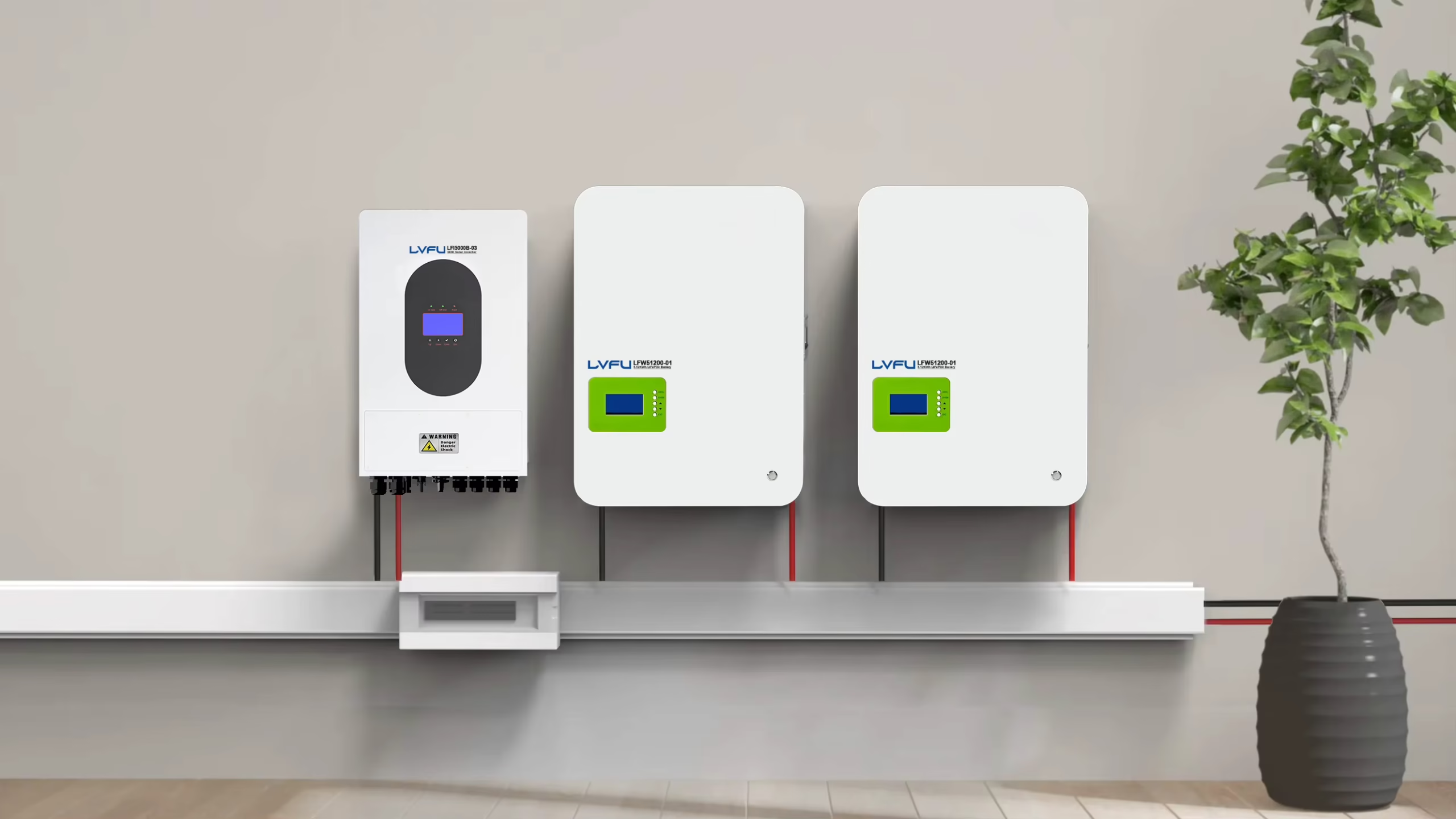
Image source: Bing (Web (fair-use with source credit))
Quick Answer
Yes, for some homeowners. No, for others. A solar battery pays off best when you have high electricity rates, weak or no net metering, and frequent power outages.
It's a harder sell if you have cheap power, full retail net metering, and reliable grid service. The average payback period ranges from 5 to 15 years depending on your local conditions. The upfront cost remains the biggest barrier.
How Solar Battery Storage Actually Works (No Engineering Degree Required)
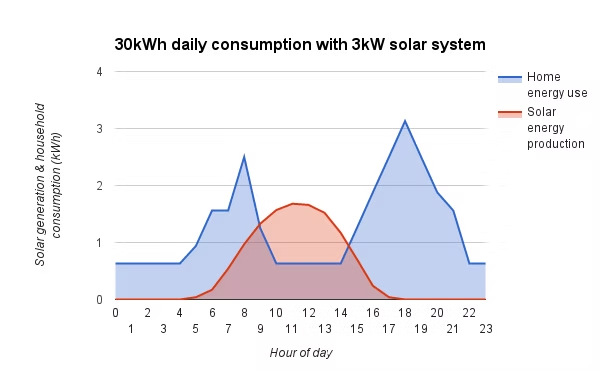
Think of a solar battery as a reservoir. Your solar panels generate electricity during the day when the sun is shining. In a normal grid-tied system without a battery, any excess power you don't use immediately gets sent to the utility grid.
Your meter spins backward, and you earn credits. That's net metering.
A battery changes that flow. When your panels produce more than your home needs, the extra electrons charge the battery instead of going to the grid. Then, when the sun goes down and your panels stop producing, the battery discharges and powers your home.
You pull less from the grid at night when rates are often higher.
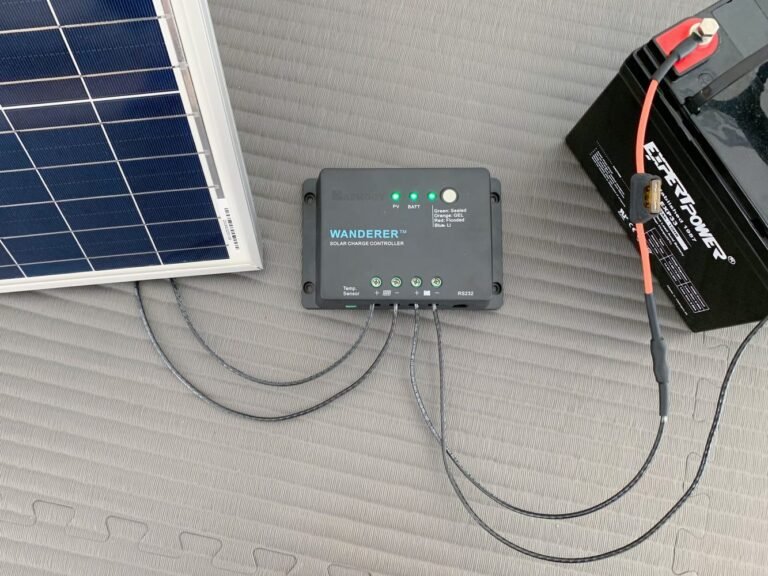
The key components are simple. A lithium-ion battery pack stores the energy. An inverter converts the DC power from the battery into AC power your home can use.
And a battery management system (BMS) monitors temperature, voltage, and charge level to keep everything safe and efficient.
There are two main ways to wire a battery into your home: DC-coupled and AC-coupled. DC-coupled systems feed the solar DC power directly into the battery, then convert to AC once for your home. They're slightly more efficient (around 97-99% round-trip vs 90-95%), but they require a compatible hybrid inverter.
AC-coupled systems are easier to retrofit onto an existing solar array since they just tap into your AC breaker panel, but they lose a bit of efficiency from the extra conversion step.
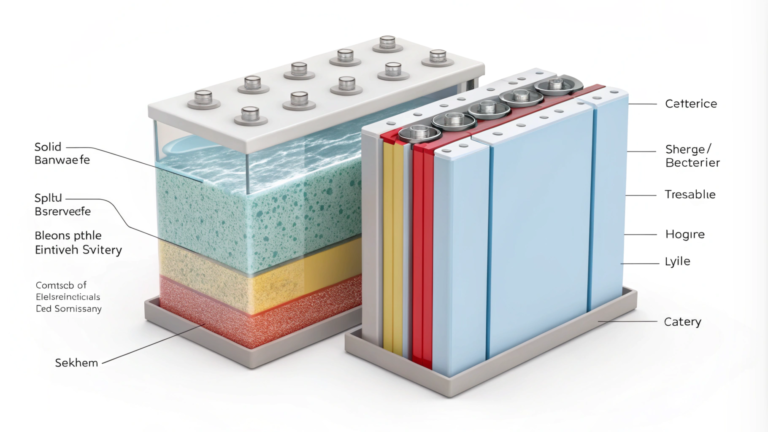
The chemistry matters too. Almost every modern home battery uses lithium-ion, specifically either lithium iron phosphate (LFP) or nickel manganese cobalt (NMC). LFP is the safer, longer-lasting chemistry with 6,000 to 10,000 cycles.
NMC has slightly higher energy density but degrades faster and has a higher fire risk. Most manufacturers have shifted to LFP for home storage as of 2026.
The 4 Key Questions That Determine If a Battery Pays Off for You
This is where the decision tree really starts. Your personal answer depends on four variables. Let's run through each one.
What Does Your Utility Charge for Electricity?
The price you pay per kilowatt-hour is the single biggest factor. If your electric rate is under 10 cents per kWh, a battery will struggle to ever pay itself back. If you're paying 25 to 40 cents per kWh (like many households in California, New York, Massachusetts, or Hawaii), the economics shift dramatically.
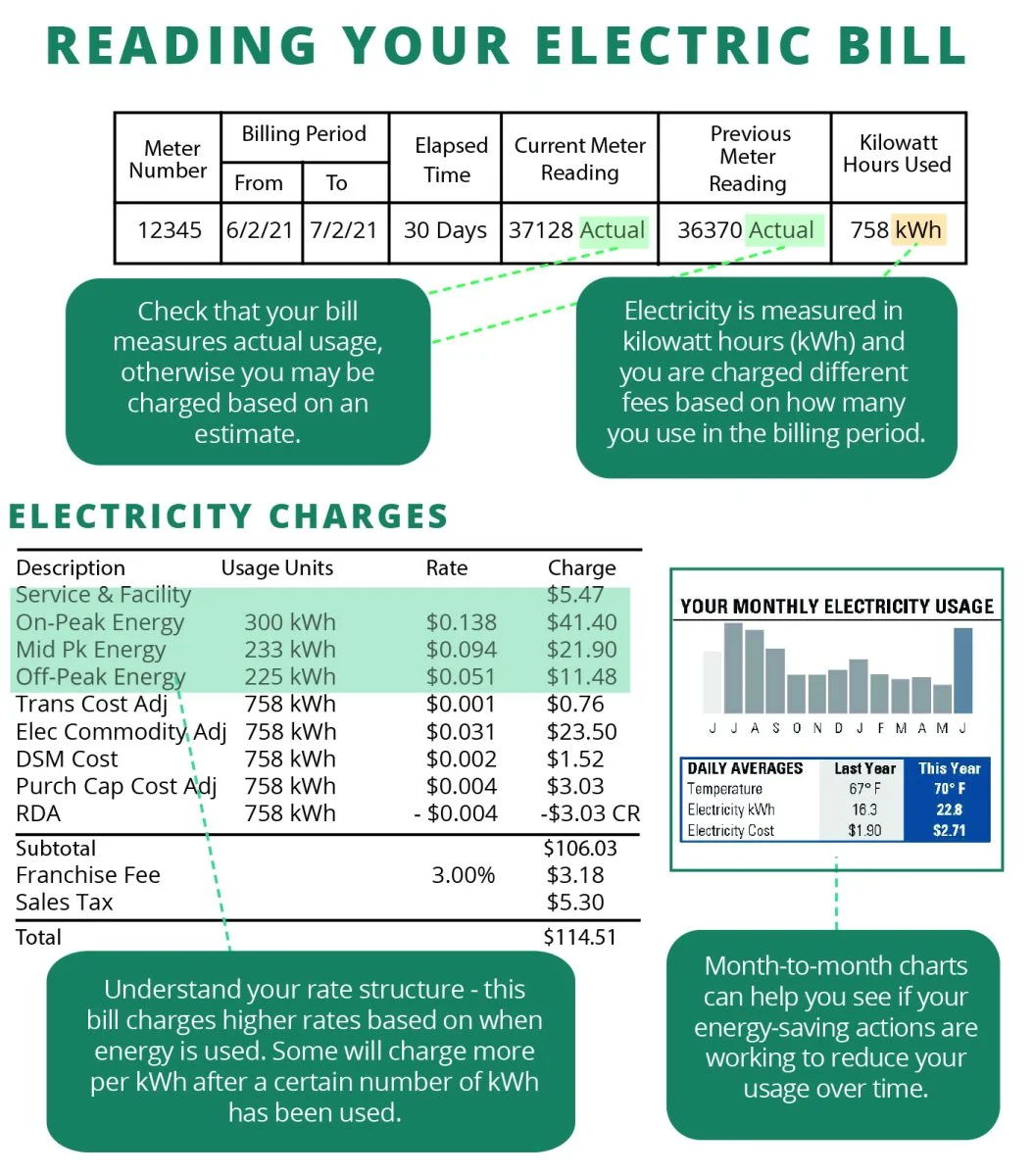
But it's not just the average rate. It's the time-of-use (TOU) structure. Many utilities charge more during peak hours (typically 4 PM to 9 PM on weekdays) and less overnight and midday.
A battery lets you charge during cheap off-peak hours from solar or the grid, then discharge during expensive peak hours. That spread, the difference between peak and off-peak rates, is what creates savings.
If your peak rate is 40 cents and your off-peak rate is 15 cents, you save 25 cents per kWh you shift. Over a year, shifting 5 kWh per day adds up to around $450 in savings. That's meaningful.
Do You Have Net Metering, and What Kind?
Net metering is the policy that credits you for the solar power you send to the grid. If you have full 1:1 net metering, meaning you get exactly the retail rate for every kWh you export, a battery is much harder to justify financially. Why store energy in a battery when the grid acts as your free battery with zero efficiency loss or degradation?
But net metering is disappearing or getting worse in many states. As of 2026, California's NEM 3.0 pays you only about 5 to 8 cents per kWh for exports, far below the retail rate of 30 to 40 cents. That makes batteries very attractive because every kWh you use from your battery instead of buying from the grid saves you the full retail rate, while every kWh you export earns you pennies.
If you're on a utility that already switched to reduced export rates, a battery moves from "nice to have" to "essential for solar to make financial sense."
How Often Do You Lose Power?
Here's where the math gets emotional. If you live in an area with frequent outages, wildfire shutoffs, or hurricanes, a battery provides backup power that a generator can also offer. The value of keeping your lights on, your refrigerator running, and your medical devices powered is hard to quantify in dollars.
If you see maybe one or two brief outages per year, the backup value is minimal. But if you live in PG&E territory in California or anywhere prone to extreme weather, that peace of mind has real weight.
Batteries also handle short outages better than generators. They switch on in milliseconds. You won't even notice the power went out.
Generators take 10 to 30 seconds to start and transfer.
How Much Solar Do You Actually Export?
Look at your annual solar production and compare it to your home's consumption. If you produce significantly more than you use, you're exporting a lot. Under NEM 3.0 or similar policies, those exports are worth very little.
A battery lets you store that excess and use it at night instead of sending it to the grid for pennies.
If your solar system was sized to match your usage and you export very little, a battery won't capture much additional savings. You'd essentially be using the battery just for backup, not for economic optimization.
The Real Numbers: What a Battery Costs vs. What It Saves
Let's get specific. We'll use a common setup as our baseline: a 13.5 kWh lithium-ion battery installed on a home that already has solar panels.
Upfront Cost Breakdown
Here's what a typical quote looks like:
| Component | Estimated Cost |
|---|---|
| Battery unit (13.5 kWh) | $6,000 – $9,000 |
| Inverter / gateway | $1,500 – $2,500 |
| Critical loads panel | $500 – $1,000 |
| Permits, labor, misc | $2,000 – $4,000 |
| Total installed | $10,000 – $16,500 |
| Federal ITC (30% credit) | -$3,000 to -$4,950 |
| State / utility rebate (varies) | -$1,000 to -$5,000 |
| Net cost after incentives | $5,000 – $12,500 |
Prices vary significantly by market and installer. Get at least three quotes.
Federal Tax Credit and State Incentives
The federal Investment Tax Credit (ITC) gives you 30% of the gross system cost back as a tax credit, no cap. That applies to the battery itself, the inverter, and installation labor, as long as the battery is charged primarily by solar. If you charge from the grid only, the battery may not qualify, so check with your installer.
State incentives vary widely. California's Self-Generation Incentive Program (SGIP) offers rebates of $200 to $1,000 per kWh for low-income households. New York, Massachusetts, Oregon, and several other states have similar programs.
The DSIRE database maintained by the U.S. Department of Energy tracks every state and local incentive. It's worth checking.
Typical Payback Periods
Payback depends heavily on your scenario:
- High rates, no 1:1 net metering, time-of-use billing: 5 to 8 years. This is the sweet spot. You're capturing the spread between peak and off-peak rates plus avoiding low export compensation.
- Moderate rates, partial net metering: 8 to 12 years. The math works but isn't compelling. You may break even around year 10.
- Low rates, 1:1 net metering: 12 to 20+ years. This rarely makes financial sense. The battery may outlive its warranty before paying back.
- Backup priority (economic tradeoff ignored): Payback is irrelevant. You're paying for reliability, not ROI.
Remember that batteries degrade. Most warranties guarantee 70% capacity retention at 10 years. Your savings decline as the battery holds less energy.
Battery vs. Generator: Which Backup Makes More Sense for Your Home
This is the most common comparison people make. Both provide backup power, but they're fundamentally different tools.
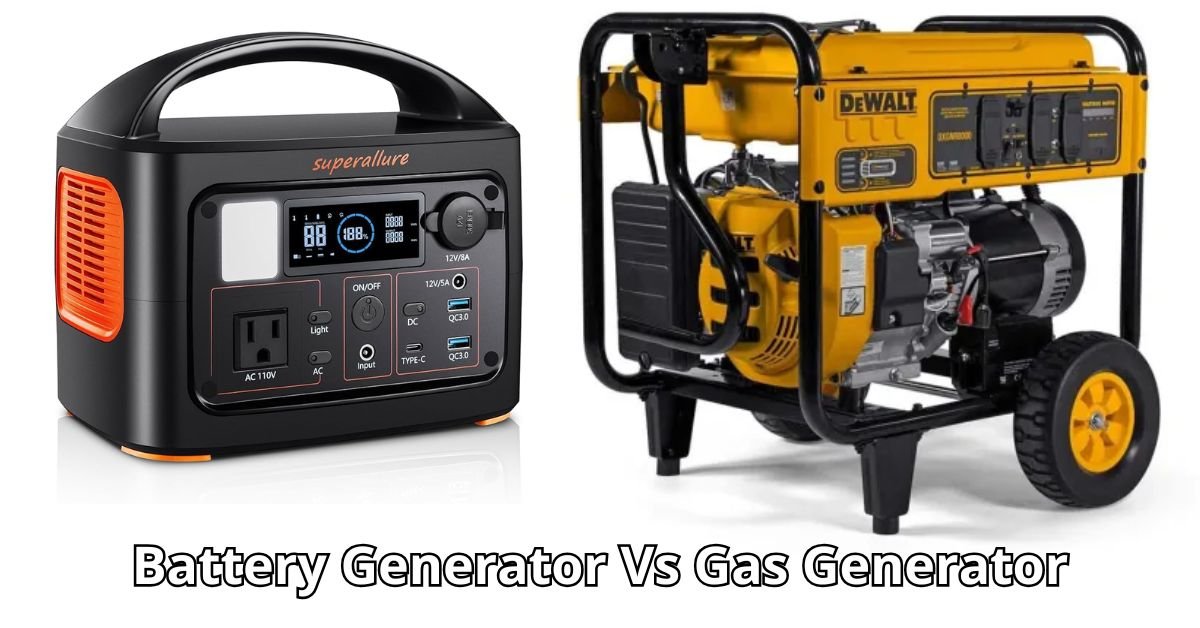
| Factor | Solar Battery | Gas Generator |
|---|---|---|
| Fuel source | Solar + grid | Gasoline, propane, or natural gas |
| Runtime | Limited by capacity (typically 6-12 hours for whole home) | As long as fuel lasts (days if you have supply) |
| Noise | Silent | Loud (60-75 dB) |
| Emissions | Zero | CO, NOx, particulate matter |
| Maintenance | Nearly none | Oil changes, spark plugs, fuel stabilizer |
| Switchover time | Instant (milliseconds) | 10-30 seconds |
| Cost per kWh over 10 years | $0.05 – $0.15 | $0.30 – $0.50 (including fuel and maintenance) |
Generators win on runtime and upfront cost. A portable generator costs $500 to $1,500. A whole-home standby generator runs $3,000 to $7,000 installed.
A battery costs $10,000 to $16,500.
Batteries win on convenience, silence, zero emissions, and no fuel logistics. You never have to store gasoline or remember to run the generator monthly. The battery just works automatically.
For most homes, the practical answer is: if you need backup for a few hours a few times a year, a portable generator is cheaper and simpler. If you need seamless, automatic backup that runs silently and pairs with solar, a battery is the better fit. Some homeowners do both: a battery for frequent short outages and a generator for extended grid failures.
If you're already installing solar panels or have an existing system, understanding how the different parts work together helps. Our guide on the main components of a solar panel system explains how each piece connects to make everything run smoothly.
The Two Main Ways to Use a Battery (and Why It Matters)
Before you buy, you need to decide what job you want the battery to do. This choice determines how you size it, how you set it up, and whether it actually pays off. There are two distinct modes.
Economic Mode: Time-of-Use Bill Shifting
This is the money play. You charge the battery during cheap off-peak hours (either from solar during the day or from the grid at night if your rates are low). Then you discharge during expensive peak hours.
You're basically buying low and selling high, except the "selling" is just not buying from the grid.
This works best when your utility has a wide spread between peak and off-peak rates. A spread of at least 15 cents per kWh is where things start to pencil out. If your spread is 20 cents or more, a battery can save you $500 to $1,000 per year depending on its size.
The catch is that you need enough solar or cheap grid power to fully charge the battery every day. And you need a usage pattern where you're actually home during peak hours to benefit from the discharge. If you're at work all evening, you might not use enough power to make the shift worthwhile.
Backup Mode: Outage Protection and Peace of Mind
This is the security play. You keep the battery charged and ready to power your home when the grid goes down. You're not optimizing for savings.
You're optimizing for reliability.
In backup mode, you usually install a critical loads panel. This is a sub-panel that powers only essential circuits: refrigerator, lights, internet router, furnace circulator pump, a few outlets for phones and laptops. A single 13.5 kWh battery can run those essentials for 6 to 12 hours, longer if the sun comes out and recharges the battery during the day.
Whole-home backup is possible but expensive. You'd need two or three batteries to handle the surge from an AC compressor or electric water heater. Most people don't need that.
The real-world value here depends entirely on your outage frequency. If you lose power once a year for an hour, a battery for backup alone is a luxury. If you lose power multiple times a year for days at a time, it's a necessity.
Most homeowners end up somewhere in the middle. They buy the battery primarily for backup but also program it to do time-of-use shifting during normal operation. That hybrid approach usually makes the most sense.
Lithium vs. Lead-Acid: One Chemistry Is Clearly Better Today
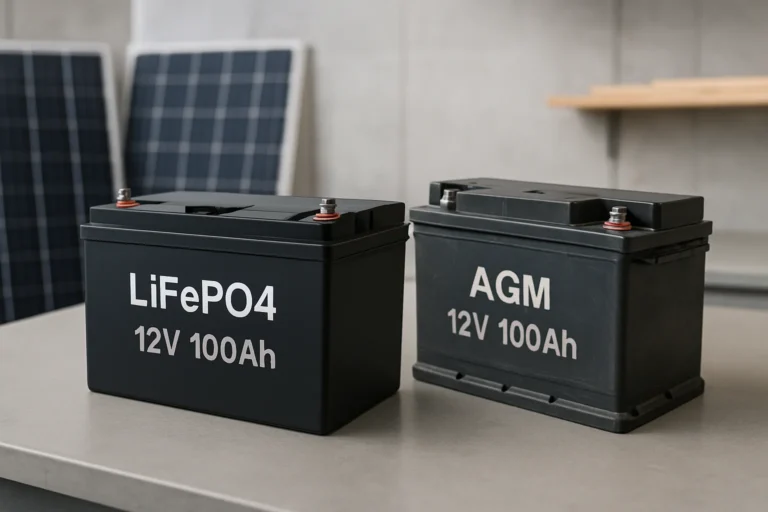
You might still see old lead-acid batteries in some off-grid systems and budget setups. Don't go there.
| Factor | Lithium-Ion (LFP) | Lead-Acid |
|---|---|---|
| Usable capacity | 90-100% of rated | 50% (discharging deeper damages the battery) |
| Cycle life | 6,000 – 10,000 cycles | 500 – 1,000 cycles |
| Round-trip efficiency | 95-98% | 80-85% |
| Depth of discharge | 100% safely | 50% max recommended |
| Weight per kWh | ~15-20 lbs | ~50-60 lbs |
| Lifespan | 10-15 years | 3-5 years |
| Cost per kWh over lifetime | $0.05 – $0.10 | $0.15 – $0.30 |
The numbers tell the story. A lead-acid battery might cost half as much upfront, but it lasts a third as long, you can only use half its rated capacity, and you lose 15-20% of the energy during charging and discharging. Over the full life of the system, lithium is cheaper per kilowatt-hour stored and vastly more convenient.
If a contractor tries to sell you a lead-acid home battery in 2026, ask questions. There are very few scenarios where it makes sense, and most of those involve extreme budget constraints or off-grid remote cabins that only run lights and a radio.
Who Usually Wins with a Battery (and Who Usually Doesn't)
Let's be honest about who should buy and who should skip.
Great Fit: High Electricity Rates, No Net Metering, Frequent Outages
You are the ideal candidate if you live in a state like California, Massachusetts, Hawaii, or New York. Your electricity rates are high. Your utility has already cut net metering rates.
You lose power during fire season or storms. You have a south-facing roof with good solar production.
In this scenario, a battery is almost mandatory to make solar work financially under NEM 3.0 or similar policies. You're saving 30 to 40 cents per kWh on every shift, and you have backup when the grid goes down. Payback can come in 5 to 8 years.
Good Fit: Moderate Rates, Time-of-Use Billing, Occasional Outages
If your utility has time-of-use rates but net metering is still decent, the battery becomes more of an optimization tool than a necessity. You'll save money, but not a life-changing amount. Payback lands around 8 to 12 years.
If you also value backup power and you've had one or two annoying outages in the past few years, the peace of mind can tip the scales.
Tough Sell: Low Rates, 1:1 Net Metering, Rare Outages
If you're in a state with cheap electricity (under 10 cents per kWh) and full retail net metering, a battery is a hard sell financially. The grid already acts as your battery, and it's free. You're paying $10,000+ for a service you already get for free.
The only reason to buy here is backup power. If outages are rare, that's a lot of money for something you almost never use.
Outright No: Renting, Moving Soon, No Solar
If you rent your home, a battery is a terrible investment. You can't take it with you easily. If you plan to move in the next 3 to 5 years, the payback period likely exceeds your ownership window.
And if you don't have solar panels, a battery can still work for time-of-use shifting if your utility offers cheap off-peak rates, but the economics are much worse since you're buying grid power to charge it.
For solar panels without a battery, you can still benefit from adding one later. Our article on the advantages and disadvantages of solar panels covers the full picture of what solar alone can do before you add storage.
Common Mistakes That Cost Homeowners Thousands
We've seen enough installs to know where people go wrong. Here are the big ones.
Sizing the Battery Wrong for Your Home's Needs
The most common mistake is buying one battery when you need two, or buying two when you only needed one. If your critical loads include a well pump, a furnace, or a refrigerator with a freezer, one 13.5 kWh battery might only cover 6 to 8 hours of runtime. That's fine for an overnight outage.
It's not enough for a multi-day event.
On the flip side, if you just want to run lights and a router, buying a massive battery is wasted money. Look at your actual essential loads during the last outage. That's your real capacity target.
Not Checking Compatibility with Your Existing Solar System
This is a painful one. Not every battery works with every solar inverter. If you have an older string inverter system without a storage-ready port, you may need a separate AC-coupled battery system or a new hybrid inverter.
That adds cost and complexity.
Always verify compatibility before you buy. Provide your installer with your solar panel make, model, and inverter model. A mismatch can turn a simple install into a major rework.
Ignoring the Fine Print on Warranties and Degradation
Battery warranties are not all equal. A typical 10-year warranty might guarantee 70% capacity retention at year 10. That means your 13.5 kWh battery could legally be down to 9.5 kWh of usable capacity by the end of the warranty period.
Some brands also limit the total throughput, meaning the total amount of energy the battery can cycle through over its life. If you cycle a 13.5 kWh battery daily, you might hit the throughput limit in 8 years, not 10. Read the warranty document carefully.
Forgetting About Permitting and HOA Approval
Permitting delays can add weeks or months to an install. Some areas have streamlined permitting for solar-plus-storage, but others require electrical permits, structural reviews, and utility interconnection paperwork. Check with your local building department early.
Homeowner association rules can also be an issue. Most states have solar access laws that override HOA restrictions, but check your specific situation.
What to Expect During Installation and Setup
Installation is straightforward but not quick. Here's the typical timeline.
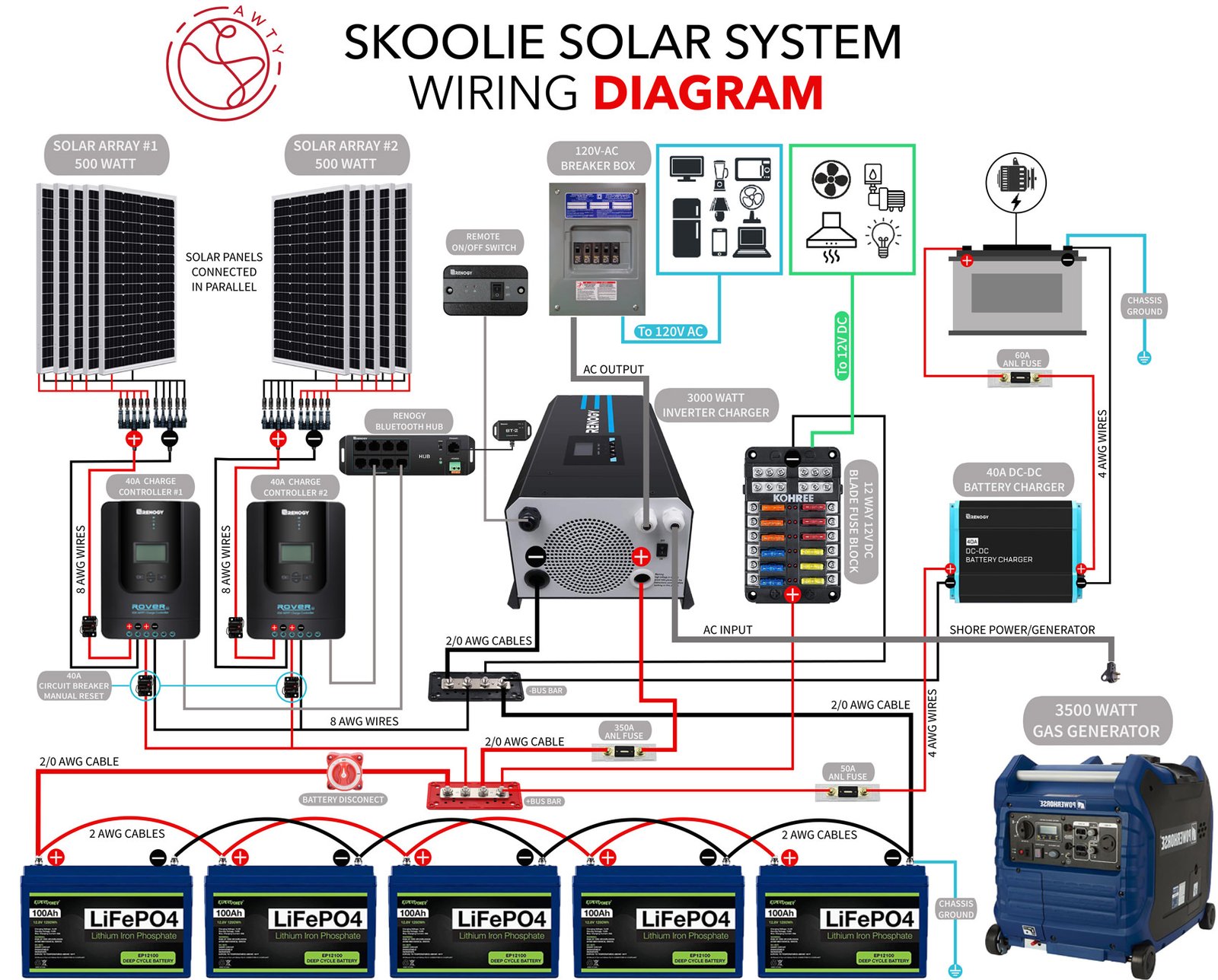
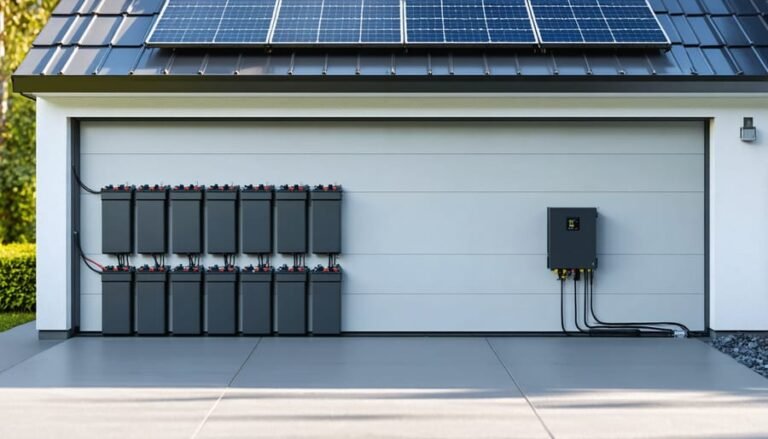
Day 1: Site visit and electrical prep. The installer mounts the battery on a wall (usually in a garage, basement, or exterior wall), installs the inverter, and sets up the critical loads panel. They run conduit from the battery to the main panel and connect everything.
Day 2: Wiring and configuration. The electrician connects the battery to your solar inverter or main panel, installs the monitoring equipment, and configures the battery management system. This includes setting your backup threshold (how much battery you reserve for outages) and your charge/discharge schedule.
Day 3: Inspection and commissioning. The local building inspector checks the work. The utility may need to inspect the interconnection if your battery can export to the grid. Once approved, the installer activates the system and walks you through the monitoring app.
Total installed time is usually 1 to 3 days of labor, spread over 1 to 3 weeks depending on permit timing and installer availability.
Battery Maintenance: What You Actually Have to Do (Spoiler: Almost Nothing)
One of the best things about modern lithium-ion home batteries is how little maintenance they need. There are no fluids to check, no filters to change, no moving parts to lubricate.
Your maintenance list is basically:
- Keep the battery area clean and free of dust and debris.
- Ensure the air vents (if any) are not blocked.
- Check the monitoring app once a month to confirm normal operation.
- Update firmware when the manufacturer pushes updates via the app.
- If the battery is in a garage, keep the ambient temperature between 30°F and 100°F for optimal lifespan. Most modern batteries have internal thermal management, but extreme cold or heat reduces efficiency.
That's it. No annual service visit. No consumables.
The battery quietly does its thing for a decade or more with zero intervention.
Compare that to a generator which needs oil changes every 100 hours, spark plugs every 200 hours, fuel stabilizer monthly, and a test run every month. The maintenance difference alone is a strong argument for batteries.
Decision Guide: Your Personal Go / No-Go Checklist
Let's bring this all together. Here's how to decide in five steps.
Step 1: Gather Your Utility Bills and Outage History
Pull your last 12 months of electricity bills. Note your average rate per kWh, your time-of-use structure (if any), and your total annual consumption. Also, count how many outages you had in the last two years and how long each lasted.
Step 2: Run the Numbers on Payback for Your Situation
Use the formulas and scenarios from earlier. Estimate your annual savings from time-of-use shifting and compare it to your net cost after incentives. If payback is under 8 years, the battery is likely a good investment.
If it's over 12 years, it's probably not.
Step 3: Check Your State's Incentives and Net Metering Rules
Visit the DSIRE database or your state energy office website. Find out what battery rebates are available and whether your net metering policy has changed recently. An expiring incentive or a net metering cut can dramatically shift the math.
Step 4: Decide on Your Primary Goal (Savings vs. Backup)
Be honest about what matters more. If you're optimizing for savings, prioritize time-of-use shift and maximize battery usage during peak hours. If backup is the priority, reserve capacity for outages and accept slightly lower economic returns.
Step 5: Get Three Quotes and Compare the Specs That Matter
Installers offer different equipment, different warranties, and different prices. Compare usable capacity, round-trip efficiency, cycle life, and warranty throughput. Don't just compare the dollar figure.
A cheaper battery with lower efficiency and a worse warranty will cost more over its lifetime.
If you're still deciding whether solar itself makes sense first, our solar panel buying guide covers what to look for before adding storage.
Frequently Asked Questions
How long does a solar battery last at night?
A fully charged 13.5 kWh battery running essential loads (refrigerator, lights, router, TV) typically lasts 8 to 12 hours. Running heavy loads like an AC unit or electric oven drains it in 2 to 4 hours. Whole-home backup requires multiple batteries.
Can I add a battery to my existing solar panels?
Yes, in most cases. The easiest route is an AC-coupled battery that connects to your existing breaker panel. Some older inverters may need an upgrade for compatibility.
Always check with an installer before buying.
Do solar batteries work during a power outage?
Only if they have islanding capability. Most modern home batteries can disconnect from the grid and power your home independently. Cheaper or older models may shut down during an outage for safety reasons.
Verify this feature before purchase.
How much does a Tesla Powerwall cost in 2026?
The Tesla Powerwall 3 costs approximately $8,500 to $9,500 for the unit alone. Installed cost including gateway and labor runs $12,000 to $16,000 before incentives. Prices vary by installer and region.
What happens to a solar battery when it's fully charged?
The battery management system stops charging. If your solar panels are still producing excess power, it either goes to the grid (earning low export credits) or is curtailed (wasted). Proper sizing prevents this waste.
Are solar batteries worth it without solar panels?
Rarely. Without solar, you're charging the battery from the grid. You can still shift time-of-use loads, but the savings are smaller and the payback period is longer.
Backup-only use without solar is a luxury purchase, not an investment.
Real Scenarios: Three Homeowners, Three Different Answers
Let's make this concrete. Here are three typical situations based on real market data.
Scenario A: California, NEM 3.0, frequent PSPS outages. This homeowner pays 35 cents per kWh peak and gets only 6 cents for exports. They lose power 2-3 times per year for 6-12 hours. A 13.5 kWh battery costs $14,000 installed.
After 30% federal ITC and a $4,000 SGIP rebate, net cost is $5,800. Annual savings from time-of-use shifting hit $600. Backup value is meaningful.
Payback lands around 7 years. This is a clear buy.
Scenario B: Texas, low rates, 1:1 net metering. This homeowner pays 11 cents per kWh and gets full retail credit for exports. Power outages are rare. A battery costs the same $14,000.
After the federal ITC, net cost is $9,800. Annual savings from shifting are maybe $150 because the rate spread is tiny. Payback stretches past 20 years.
This is a clear no unless backup is the priority.
Scenario C: Massachusetts, moderate rates, time-of-use. This homeowner pays 22 cents peak and 10 cents off-peak. Net metering is decent but not 1:1. They lose power once a year for a few hours.
Net battery cost after state incentives is around $6,500. Annual savings run $350. Payback is about 10 years.
This is a borderline case. If they value backup, it's worth it. If pure ROI is the goal, it's a pass.
How Battery Technology Is Changing in 2026 and Beyond
The market is moving fast. LFP chemistry now dominates home storage because it's safer and lasts longer. Manufacturers are pushing cycle life from 6,000 toward 10,000 cycles.
That means a battery could theoretically last 20+ years with daily cycling, though the warranty still caps at 10.
Virtual power plant (VPP) programs are growing. Utilities pay you to let them draw from your battery during peak grid stress. In some markets, VPP earnings add $200 to $500 per year.
That can shorten payback by 2-3 years.
The next big shift is bidirectional charging for electric vehicles. Your EV battery could double as home storage. That tech is still expensive and limited to a few vehicle models, but it's coming.
For now, the core advice holds. Check your rates, your net metering, your outage frequency, and your incentives. Run the numbers.
Then decide. If the payback is under 8 years and you value backup, buy now. If it's over 12 years, wait or skip.
The right answer is personal, but now you have the framework to find it.
Final Verdict: Is a Solar Battery Worth It for You?
Here's the bottom line. If you live in a state with high electricity rates, poor net metering, and regular outages, a battery is a smart investment. The payback is real, and the backup value is tangible.
If you have cheap power, full 1:1 net metering, and reliable grid service, a battery is a luxury you probably don't need. The numbers won't work, and you'd be better off putting that money into other home improvements.
For everyone in between, the decision comes down to your personal priorities. If you value energy independence and peace of mind more than pure ROI, a battery can still make sense even with longer payback.
Run your own numbers using the checklist above. Get three quotes. Compare warranties carefully.
And remember that battery technology is improving every year. If the math doesn't work today, it might in two or three years.
Final Thoughts
Solar battery storage is not a one-size-fits-all product. It's a tool that solves specific problems. When those problems match your situation, it's absolutely worth it.
When they don't, it's an expensive gadget.
We've walked through the costs, the savings, the tradeoffs, and the pitfalls. You now have the framework to make an informed decision. The rest is up to you and your utility bill.