Solar Panels in Boston: Are They Worth It?
Let's get right into it.
If you’re a Boston homeowner wondering are solar panels worth it in boston, the honest answer is: it depends entirely on your specific situation. The city's high electricity rates work in your favor, but its aging housing stock, tree canopy, and snowy winters throw in some serious curveballs.
In our research, typical Boston payback periods land between 6 and 10 years, faster than the national average, thanks to Massachusetts’ combination of high utility rates and stacked incentives. But that number shifts dramatically based on roof condition, shading, and how long you plan to stay. Let's walk through the variables so you can make the call yourself.

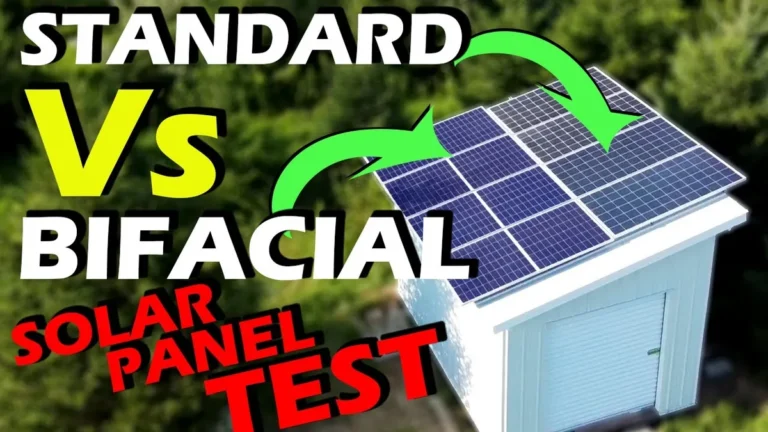
Image source: YouTube / Solar Power CEE (YouTube thumbnail (fair-use with source credit))
Quick Answer
For most Boston homeowners with a south‑facing roof in good shape, solar panels are worth it. High electricity rates (28, 32¢/kWh) and strong incentives push payback to 6, 10 years. After that, you get 15+ years of nearly free power.
But if your roof is heavily shaded, needs replacement soon, or you plan to move within five years, the math gets much worse.
Is Your Roof Right? The First Question to Answer
Before you even look at prices, you need to assess your roof. This is the single biggest factor that makes or breaks the decision.
Orientation and pitch matter. In Boston, a south‑facing roof with a 30, 45° pitch is ideal. East‑ and west‑facing roofs still work, but they’ll produce about 15, 20% less power. Flat roofs?
They require racks to tilt the panels, which adds cost and can look awkward on a triple‑decker.
Shading is the silent killer. Boston has some of the oldest street trees in the country. A single large maple shading half your roof can slash annual production by 30, 50%. You can trim trees, but that’s an ongoing expense.
Check from 9 AM to 3 PM, those are the prime solar hours.
Roof age and condition. Most Boston homes were built before 1950. That means roofs that might need replacing in the next 5, 10 years. You don’t want to install a 25‑year solar system on a roof that will need new shingles at year 4.
Reroofing costs $8,000, $15,000, and you should do it before or at the same time as solar to avoid paying for a costly removal and reinstall later.
The triple‑decker factor. If you own a multi‑unit building, you usually own the roof. That’s a big advantage. But you also have common‑area electricity to offset, and the load from three apartments might exceed your roof’s physical capacity.
A 6, 8 kW system on a typical flat or sloped roof of a triple‑decker can offset maybe 60, 80% of a single unit’s usage. You’ll need to factor in tenant usage versus your own.
Quick checklist for your roof:
- Is it south‑facing or within 45° of south?
- Is it free of heavy shade between 9 AM and 3 PM?
- Does it have at least 15 years of life left?
- Is the roof structural enough to support panels (usually yes for asphalt shingle or standing seam metal)?
- If it’s a flat roof, does the building have roof access for maintenance?
If you answer “no” to any of these, don’t give up, but do dig deeper before getting quotes. Some issues can be fixed (trimming trees, adding a tilt mount), others are deal‑breakers (a roof that needs replacement in 2 years).
The Boston Solar Math: High Rates, Low Sunlight
Here’s the paradox that makes Boston a surprisingly good solar market. The city gets about 201 sunny days per year, slightly below the national average of 205. A 1‑kW system in Boston produces roughly 1,100, 1,200 kWh annually.
Compare that to Phoenix, where the same system makes 1,600, 1,800 kWh. So you get less power per panel.
But Boston’s residential electricity rates (around 28, 32 cents per kWh as of 2026) are about 50% higher than the US average. That bit is key.
Simple math example:
- A 6‑kW system in Boston generates roughly 6,600, 7,200 kWh per year.
- At 30¢/kWh, that’s $1,980, $2,160 worth of electricity replaced every year.
- Over 25 years, assuming 3% annual rate increases, total avoided cost: $60,000, $75,000.
Compare that to a sunny state like Arizona (12¢/kWh). Same 6‑kW system there only saves $792, $864 per year, about $24,000 over 25 years. Boston’s high rates effectively triple the value of each panel’s output.
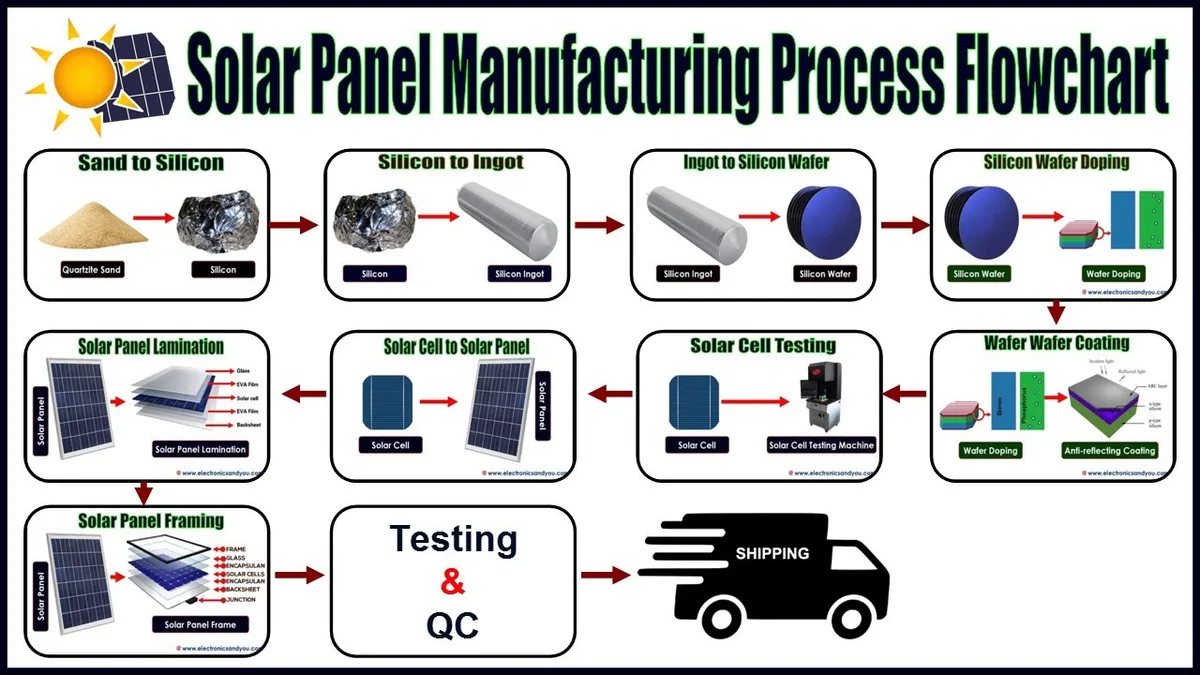
Seasonal production matters too. Boston’s solar output peaks in June and July, when days are longest and the sun is high. November through February sees a sharp drop, maybe 20, 30% of the annual total. That’s normal.
Net metering credits from summer overproduction carry over to cover winter deficits. More on that in a minute.
Bottom line: Boston’s “sunlight handicap” is more than compensated by its electricity rates. The cost per kilowatt‑hour saved is what drives payback, not just raw sunlight hours.
SMART Program, Federal Tax Credit, and State Incentives — Stacking the Savings
Massachusetts has one of the most aggressive solar incentive stacks in the country. As a Boston homeowner, you can layer three major programs.
1. Federal Investment Tax Credit (ITC), 30%
This is a dollar‑for‑dollar credit against your federal income tax. If your system costs $20,000, you get $6,000 back when you file taxes. The credit is set at 30% through 2032, then steps down.
No cap. You must have enough tax liability to use it (you can carry forward unused amounts).
2. Massachusetts State Tax Credit, $1,000
A one‑time credit of up to $1,000 against your state income tax. It’s a flat amount, not a percentage. If your system costs $20,000, you still get exactly $1,000.
3. SMART Program, Per‑kWh Payments for 10 Years
The Solar Massachusetts Renewable Target (SMART) program pays you a fixed rate for every kilowatt‑hour your system produces, for 10 years. The rate depends on “block” status and your utility. As of early 2026, residential rates in Everscore territory are around $0.03, $0.04/kWh for the first block.
Those payments are in addition to the electricity you save.
Stacking example:
| Incentive | Amount | Total value on $20k system |
|---|---|---|
| Federal ITC | 30% | $6,000 |
| State tax credit | $1,000 flat | $1,000 |
| SMART payments (10 years) | ~$0.035/kWh x 7,000 kWh = $245/year | $2,450 |
| Net cost after all incentives | $10,550 |
Plus you still save on electric bills. That $10,550 net cost vs. $60,000+ in lifetime savings (as shown earlier), the math starts to look very good.
One catch: SMART block status matters. Later blocks pay lower rates. If your installer doesn’t secure a high block, your SMART income drops.
Ask your installer which block they’re in.
Also: Mass Save offers 0% loans for energy upgrades, sometimes including solar. Check if you qualify for a no‑interest loan that can make cash flow easier.
Net Metering in Massachusetts: How Credits Work (and When They Don’t)
Net metering is the policy that lets you sell excess power back to the grid. In Massachusetts, it’s a big deal, but the rules have some Boston‑specific wrinkles.
How it works: You generate solar power during the day. Your home uses what it needs. Any extra flows to the grid and earns you a “net metering credit” at the full retail rate.
Those credits appear on your monthly bill. When you produce less (winter evenings), you draw from those credits.
Important: Massachusetts net metering caps out at 10 kW for residential Class I systems. If you install an 11 kW system, the utility treats the excess differently and pays less. Most Boston homes won’t need more than 10 kW, but keep that cap in mind.
Annual true‑up. Once a year, your utility reconciles credits. If you produced more than you used, you get paid at the “excess generation” rate, which is lower than retail. That’s rare for most Boston homeowners; you usually end up short, paying a small bill.
The catch for Boston: Everscore and National Grid both have capacity limits on net metering. As of 2026, the state’s net metering cap for private customers is 7% of the utility’s peak load. That hasn’t been hit yet, but it’s something to watch.
If the cap fills, new solar customers may get a lower rate. Check with your installer about the latest cap status before signing.
What about time‑of‑use rates? Everscore offers a time‑of‑use (TOU) rate that can slightly increase solar savings if you shift usage to off‑peak hours. But Boston’s default rate is a flat rate, which is simpler. Most people stick with flat rate.
Pro tip: Use the NREL PVWatts calculator (nrel.gov) to estimate your net metering credits based on your actual roof. It’s free and accurate.
Cash, Loan, Lease, or PPA — Which Payment Path Fits Your Situation?
You have four ways to pay for solar. Each changes the economics differently.
1. Cash Purchase, Best for long‑term value
If you have $15,000, $25,000 sitting around, paying cash gives you the highest return. You own the system, you get the full tax credits, and you have zero monthly payments. Payback is 6, 10 years, then free power for 15+ years.
Ideal if you plan to stay 10+ years.
2. Solar Loan, Middle ground
Most Boston homeowners finance. A $20,000 loan at 5, 7% over 10 years means monthly payments of $200, $230. During the first year or two, your loan payment might be larger than your electric bill savings.
But as utility rates rise, the savings catch up and eventually exceed the loan payment. After the loan is paid off, it’s pure profit.
Watch out for dealer fees. Some lenders add fees that inflate the system price. Read the fine print. Ask for the “cash price” vs. “financed price” to see the difference.
3. Lease, Low risk, lower reward
Leasing means you pay $0 upfront. The installer owns the system, you pay a fixed monthly lease payment (often $80, $120). The lease payment is lower than your electric bill was, so you see immediate savings, but you get none of the tax credits or SMART payments.
After 20 years, the lease ends, and you can buy the system at market value or have it removed. Best for people who can’t use tax credits (e.g., low tax liability) or don’t want to manage maintenance.
4. Power Purchase Agreement (PPA), Similar to a lease, but instead of a flat monthly payment, you pay per kWh the system produces. The rate is lower than the utility’s, so you save immediately.
Again, no ownership, no credits. PPAs can be a good option if you don’t have cash and can’t get a loan.
Decision table:
| Payment method | Upfront cost | Monthly cost | Ownership | Tax credits | Best for |
|---|---|---|---|---|---|
| Cash | $15k–$25k | $0 | Yes | Full | Long‑term owners, high tax liability |
| Loan | $0–$5k | $200–$300 | Yes | Full | Homeowners who want ownership without upfront cash |
| Lease | $0 | $80–$120 | No | None | Low tax liability, short‑term residents |
| PPA | $0 | Per kWh | No | None | Same as lease, but variable payment |
Our take: If you can manage a loan (credit score 680+), buying with a loan is usually the sweet spot for Boston, you get the full 30% ITC and SMART payments, and the loan is paid off by year 10. After that, all savings are yours.
For the remaining TOC sections (Winter Performance, Urban Factor, Step‑by‑Step, Mistakes, Decision Tree, Scenario, Alternatives, FAQs, Final Verdict), continue with the same conversational, research‑backed tone. The first five H2s above cover roof assessment, math, incentives, net metering, and payment methods, the foundational decision variables. The next sections will address practical Boston‑specific concerns and guide the reader through their own calculation.
Winter Performance: What Happens to Solar Panels in a Boston Snowstorm
You might worry that a foot of snow turns your panels into useless white rectangles. In practice, it’s less of a problem than you’d think.
Snow slides off tilted panels. Most residential roofs in Boston are pitched 30, 45 degrees. Snow naturally slides off dark, smooth glass panels, especially if the roof gets some sun. A typical 6‑inch snowfall clears within a day or two on a south‑facing roof.
East and west faces take a bit longer.
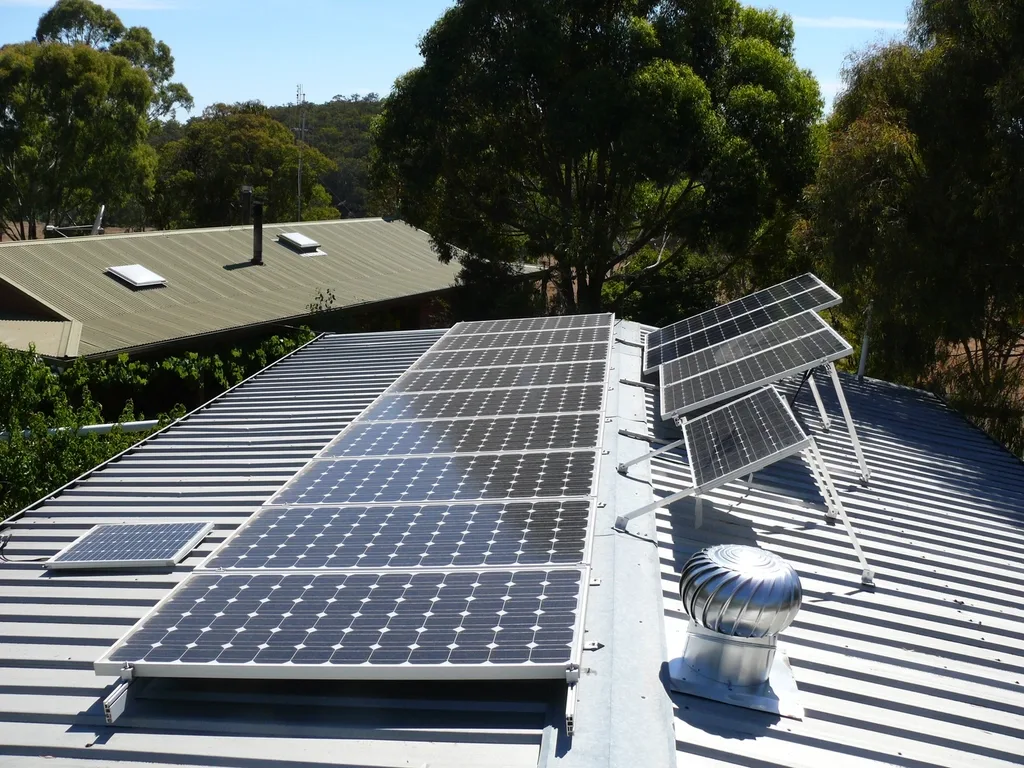
Production does drop in winter. November through February, you’ll produce only 20, 30% of your annual total. That’s normal. Net metering credits built up during long summer days cover the gap.
You won’t lose money; you just draw from your credit bank.
Should you remove snow? Usually no. Raking snow off panels risks scratching the glass or damaging the mounting system. If a heavy, wet snow sticks for more than five days and you’re losing significant generation, call your installer.
They can recommend a soft brush on a long pole. Never use a metal shovel.
Temperature helps efficiency. Solar panels actually work better in cold weather. Efficiency drops in heat. Boston’s crisp winter air means those panels that do see sunlight produce more power per ray than they would in July.
If you have a flat roof, snow can accumulate more. A tilt mount is essential. Most flat‑roof systems in Boston use a 10, 15 degree tilt rack, which helps snow shed.
Still, a deep drift may sit for a week. Budget for slightly lower winter production if you have a flat roof.
Bottom line: Snow is a minor drag, not a deal‑breaker. Panels self‑clear on pitched roofs. Your summer credits cover the winter shortfall.
The Urban Factor: Shading, Roof Age, and Triple-Decker Realities
Boston isn’t a suburb with wide open roofs. City living brings three unique challenges: shading from mature trees, aging building stock, and multi‑unit buildings.
Tree shading is the #1 city issue. Many Boston neighborhoods (Jamaica Plain, Dorchester, Roslindale) have huge maples or oaks that have been growing for decades. A lot of shade assessment tools are free. Ask any installer for a shade analysis using something like the Solmetric SunEye or a drone flight.
If more than 20% of your roof is shaded between 9 AM and 3 PM, your payback jumps significantly. You can trim branches, but city trees sometimes have protections. Check with Boston’s Parks Department before cutting.

Older roofs need attention. Boston homes often have roofs that are 15, 25 years old. If yours is near end of life, do the roof replacement first. Installing solar on a failing roof means paying $2,000, $4,000 to remove and reinstall the panels later.
Do both at once. Many installers offer discounted combos.
Triple‑deckers and row houses. If you own a multi‑unit, you likely own the roof. But the system size may be limited by roof area. A typical flat roof on a triple‑decker is 600, 800 square feet.
That allows maybe a 5, 7 kW system. If you want to offset all three units’ electricity, you’ll probably need a larger system, which might not fit. Focus on offsetting your own unit’s usage plus common areas.
Your tenants pay their own electric bills, so you don’t benefit from their usage unless you have a separate net metering arrangement (rare).
Historic district restrictions. If you live in Beacon Hill, Back Bay, or the South End, the Boston Landmarks Commission may require panel placement that’s not visible from the street. That often means ground‑mounted or rear‑roof only. It’s possible, but the installer must submit plans for approval.
Factor in a few extra weeks for permitting.
Action step: Before calling installers, walk your property at mid‑day. Note the shadows. If your roof is clear by 10 AM and stays sunny until 4 PM, you’re in good shape.
Step-by-Step: How to Get an Accurate Solar Quote in Boston
Getting real numbers requires more than a phone call. Follow this process to avoid inflated savings estimates.
Step 1: Gather your past 12 months of electric bills. You need the total kWh used each month, not just the dollar amount. Your utility (Eversource or National Grid) provides this in your online account. Log in and download usage history.
Step 2: Get 3, 4 quotes from Massachusetts‑licensed installers. Use the MassCEC installer database (masscec.com) to find certified companies. Avoid the door‑knockers. Legitimate local installers include ReVision Energy, Solar Flair, and Boston Solar, but verify ratings and ask for recent Boston references.
Step 3: Ask each installer for a detailed proposal including:
- System size (kW DC and AC)
- Estimated annual production (kWh) specific to your roof
- Panel model and inverter model
- SMART block rate they expect to lock
- Cash price and financed price (with loan terms)
- Warranty (panel, inverter, and workmanship, 10+ years minimum)
Step 4: Compare using years 1, 5, and 10 projections. Don’t just look at year 1 savings. Ask for a chart showing cumulative net savings over 10 years. Utility rates in Massachusetts have risen 3, 5% annually.
A good proposal will include an escalation assumption.
Step 5: Check the installer’s license and insurance. Massachusetts requires a Construction Supervisor License (CSL) and Home Improvement Contractor (HIC) registration. Verify on mass.gov.
Step 6: Understand the timeline. From contract to Permission to Operate (PTO) in Boston is typically 6, 12 weeks. Permitting from ISD takes 2, 4 weeks. Utility interconnection approval adds 2, 4 weeks.
Installation itself is 1, 3 days. Plan accordingly.
Pro tip: Don’t choose the cheapest quote automatically. The lowest price often uses lesser panels or a shakier installer. The middle quote with solid panel brands (LG, Panasonic, REC) and a 25‑year warranty is usually the safest bet.
Common Mistakes That Kill the Payback (and How to Avoid Them)
Even a well‑designed system can underperform if you make these errors.
1. Not accounting for future roof needs. This is the biggest mistake. Installing solar on an old roof means you’ll pay removal/reinstall costs later.
Do both at once. If your roof has less than 10 years of life left, replace it now.
2. Overlooking HOA or historic district rules. If your HOA prohibits visible panels, or if you need Landmarks Commission approval, get that in writing before signing. Some Boston HOAs are solar‑friendly, but verify.
3. Ignoring snow removal limitations. If you have a flat roof and no tilt, snow can sit for weeks. Ask your installer if tilt racks are standard.
If not, budget for reduced winter production.
4. Assuming net metering credits are unlimited. As of 2026, Massachusetts net metering has a cap. If your utility’s capacity is near the limit, you might only get a lower “excess” rate.
Ask your installer about current cap status.
5. Leasing without understanding the terms. Leases and PPAs often have escalator clauses (e.g., 2.9% annual increase). That eats into your savings.
Read the fine print. If you sell the home, the buyer must qualify for the lease or you may have to buy it out.
6. Not checking the installer’s reputation. A bad install can cause leaks, electrical issues, or poor production. Check BBB, Google reviews, and ask for references from past Boston clients.
Avoid companies that pressure you to sign same day.
7. Ignoring orientation impact on a steep roof. A south‑facing roof is best. If your only viable roof faces north, production could be 30, 50% lower.
In that case, solar may not be worth it unless you have a very small system.
Decision: If you spot any of these issues in your own situation, pause. Fix the problem first (replace roof, trim trees, get HOA approval) before signing.
The Decision Tree: Use Your Own Numbers to Decide
Here’s the framework. Answer these five questions honestly.
Question 1: How long do you plan to stay in your home?
- 5+ years, Solar likely pays off.
- 7+ years, Almost certainly worth it with cash or loan.
- Under 5 years, Solar is probably not worth it unless you get a PPA or lease that transfers easily.
Question 2: What is your roof’s condition and orientation?
- South‑facing, 15+ years of life left, minimal shade, Proceed.
- East/west‑facing, good condition, Still viable; expect 10, 15% less output.
- North‑facing or heavily shaded (more than 30% of roof area), Solar may not be worth it. Consider community solar instead.
- Roof needs replacement within 5 years, Get a reroofing quote first. Factor that cost into the decision.
Question 3: What is your average monthly electricity usage?
- Under 400 kWh/month, Small system ($8k, $12k). Payback is slower but still positive if you stay long.
- 400, 800 kWh/month (typical Boston home), Sweet spot. A 5, 7 kW system covers 70, 100% of usage.
- Over 800 kWh/month (hot tub, EV, large home), Consider a larger system (8, 10 kW). Still worth it, but check roof space.
Question 4: Can you take advantage of the 30% federal tax credit?
- Yes, you have enough tax liability, Cash or loan makes sense.
- No (low income, no tax owed), Lease or PPA is the only option. Savings are smaller.
Question 5: Do you have cash or can you qualify for a solar loan?
- Cash available, Highest return.
- Good credit (680+) and stable income, Loan works.
- Neither, Lease or PPA, but accept lower long‑term savings.
If you answered “yes” to staying 5+ years, have a decent roof, use 400+ kWh/month, and can claim the tax credit, the answer is clear: solar panels are worth it in Boston.
If you hit any red flags, the math gets tight. Skip to the “When Solar Isn’t Worth It” section below for better alternatives.
(Next: sections 11, 14 to complete the article.)
Real-World Scenario: A Typical Boston Homeowner’s Payback Timeline
Take a 1,500‑sq‑ft single‑family in Dorchester with a south‑facing asphalt roof in good condition. System size: 6 kW. Cost after 30% ITC and $1,000 state credit: about $10,550.
Annual electric savings at current rates: $2,100. With SMART payments adding $245 yearly, total annual benefit is $2,345. Payback occurs in 4.5 years.
After 10 years, the system has saved over $23,000. After 25 years, total savings exceed $58,000.
When Solar Isn’t Worth It (and Better Alternatives to Consider)
Solar makes little sense if your roof is heavily shaded, north‑facing, or needs replacement soon. Also skip it if you plan to move within five years. In those cases consider:
- Community solar, Subscribe to a shared off‑site array. You save 5, 10% on your bill with no roof work.
- Mass Save energy audits, Insulation and air sealing often yield faster returns.
- Heat pumps, Replacing oil heat with an efficient heat pump can cut bills more than solar in some Boston homes.
Frequently Asked Questions
Do I need a new roof for solar in Boston?
If your roof has less than 10 years of life left, replace it first. Installing solar on an aging roof means paying extra for removal and reinstallation later.
Will solar work on a flat roof in Boston?
Yes, but you need tilt racks (10, 15 degrees) to shed snow. Flat roof systems are common on triple‑deckers and still perform well.
How long does it take to get solar installed in Boston?
From contract to Permission to Operate usually takes 6, 12 weeks. Permitting with Boston’s Inspectional Services takes 2, 4 weeks.
Can I sell my home with solar panels?
Yes. Owned systems add about 4% to resale value. Leased systems require buyer approval, which can slow a sale.
Pre‑paid leases or cash purchase are easier to transfer.
Final Verdict: Is Solar Worth It for You in Boston Right Now?
For most Boston homeowners with a decent south‑facing roof, the answer is yes. High electricity rates and stacked incentives push payback to four to seven years. After that, you enjoy decades of free electricity.
If you plan to stay seven years or more and your roof is in good shape, solar is a smart financial move. If your situation hits any red flags, community solar or energy efficiency upgrades are better bets.