Texas Solar Panels: Are They Worth It?
Are solar panels worth it in Texas? That's probably the question you're asking if your summer electric bill is hovering around $250 and you're tired of watching it climb every year. It's a fair question, and the answer isn't a simple yes or no.
It depends on a few things that are very specific to your house, your utility, and your plans.
Texas gets plenty of sun, with 4.5 to 6.5 peak sun hours per day depending on where you live. That's more than most of the country. But the real math comes down to your local utility's buyback rates and how much you pay per kilowatt-hour right now.
Let's walk through the numbers so you can decide if solar makes sense for your home.
Quick Answer
Yes, for most Texas homeowners with high electric bills and a good roof. Solar panels typically pay for themselves in 7 to 12 years in Texas. The federal tax credit covers 30 percent of the cost.
Your actual savings depend on your utility, your roof, and how long you stay in your home.
Will Solar Panels Actually Save You Money in Texas? (The Short Answer)
The short answer is yes, for most homeowners in deregulated parts of Texas. But the long answer is more nuanced. Solar panels can save you $100 to $180 per month on electricity bills, but only if your utility offers a decent buyback rate and your roof faces the right direction.
In our research, the typical payback period in Texas falls between 7 and 12 years. After that, the electricity is essentially free for the remaining 15 to 20 years of the system's life. That's a solid return, but it's not guaranteed for every situation.
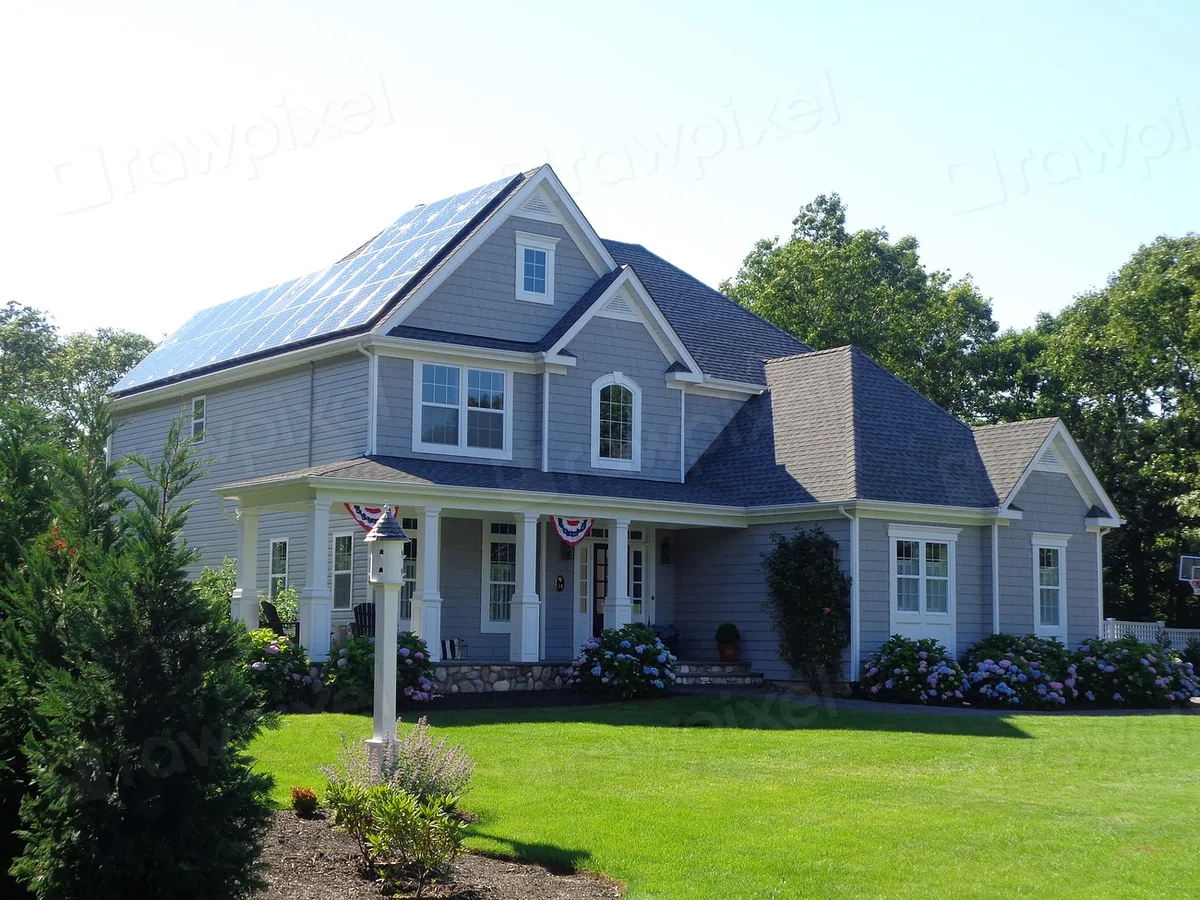
Image source: Openverse / U.S. Department of Energy
What "Worth It" Actually Means
Let's define terms. "Worth it" means the system pays for itself within its lifespan. A 7 to 10 kilowatt system costs $17,500 to $35,000 before the tax credit.
After the 30 percent federal credit, you're looking at $12,250 to $24,500 out of pocket. If that investment saves you $1,500 a year, you break even in about 8 to 16 years.
The panels last 25 to 30 years. So you're looking at roughly 10 to 20 years of free electricity after payback. That's a strong financial argument if you plan to stay put.
The 3 Biggest Factors That Decide If Solar Pays Off for You
Not every Texas home is a good candidate. Three variables matter more than anything else. Here they are.
Your Utility Company and Their Buyback Rules
Texas has a deregulated electricity market in most areas. That means you can choose your retail electricity provider. But the poles and wires still belong to a transmission and distribution utility like Oncor, CenterPoint, or AEP.
Your provider sets the buyback rate for excess solar energy you send to the grid. Some offer near 1:1 net metering, meaning they credit you the full retail rate. Others pay wholesale rates, which is much lower.
If your buyback rate is low, solar takes longer to pay off.
Check your current plan's terms. If you're on a plan with a low buyback rate, you might need to switch providers. Some Texas solar-specific plans are designed for homeowners with panels.
Your Roof – Direction, Shade, and Condition
South-facing roofs in Texas are ideal. They get the most sun exposure throughout the day. West-facing roofs also work well, especially if you're on a time-of-use rate where afternoon electricity costs more.
Shade kills solar savings. A tree that shades your roof for three hours in the afternoon can cut your system's output by 20 to 30 percent. Trimming trees or choosing a different roof plane can help.
Your roof's age matters too. If your roof is 15 years old or older, it's smart to replace it before installing solar. Tearing off panels to replace a roof later costs thousands in labor.
You want a roof with at least 20 years of life left.
How Long You Plan to Stay in Your Home
Solar panels are a long-term investment. If you sell your home in three years, you probably won't recoup the full cost. The payback period is 7 to 12 years in most cases.
But here's the upside. Homes with solar panels sell for a premium. Studies show a 3 to 4 percent increase in resale value.
If you do sell early, you'll likely get some of your investment back. You just won't break even.
If you plan to stay 10 years or more, solar is a strong bet. If you're moving in 5 years, it's riskier.
What Texas Solar Really Costs (Installation, Financing, and Tax Perks)
Let's talk dollars. The cost of solar in Texas has dropped significantly over the last decade. But it's still a serious upfront investment.
Average Price Per Watt in Texas
The average installed cost in Texas is $2.50 to $3.50 per watt. That includes panels, inverters, wiring, labor, and permits. For a typical 8 kilowatt system, that's $20,000 to $28,000 before any incentives.
Here's a quick breakdown of what you're paying for:
| Component | Typical Cost Share |
|---|---|
| Solar panels | 30–40% |
| Inverter | 10–15% |
| Racking and mounting | 10–15% |
| Labor and installation | 20–30% |
| Permits and inspection | 3–5% |
Prices vary by region and installer. Get at least three quotes from licensed contractors. The cheapest isn't always the best, but you should see a range.
The 30% Federal Tax Credit – How It Works
The federal solar investment tax credit (ITC) is a dollar-for-dollar reduction on your federal income tax. It covers 30 percent of the total system cost with no cap. This is available through 2032, then it steps down.
You claim it on IRS Form 5695 when you file your taxes. If your tax liability is less than the credit amount, the unused portion rolls over to the next year. That's helpful if you don't owe enough in taxes the first year.
Texas has no state income tax, so you won't get a state-level credit. But you also don't pay sales tax on solar equipment in Texas. That's a small but real savings.
Cash vs. Loan vs. Lease – Which One Makes Sense
You have three main ways to pay for solar. Each has pros and cons.
| Option | Upfront Cost | Monthly Payment | Ownership | Best For |
|---|---|---|---|---|
| Cash purchase | $15,000–$28,000 | $0 | Full ownership | Homeowners with savings, long-term ROI |
| Solar loan | $0–$5,000 down | $50–$150 | Full ownership | Homeowners who want ownership without paying upfront |
| Solar lease | $0 | Fixed monthly payment | No ownership (third party owns) | Homeowners who don't want to maintain or sell soon |
Cash purchase gives the best long-term return. Loans are a good middle ground. Leases are simpler but you don't get the tax credit, and they can complicate a home sale.
How Much Do Solar Panels Save Texans Each Month? (Real Numbers)
Let's get specific. An 8 kilowatt system in Texas produces about 11,000 to 13,000 kilowatt-hours per year. The average Texas home uses about 14,000 kilowatt-hours per year.
So a system that size covers roughly 80 to 90 percent of your usage.
Here's what that looks like in monthly savings, based on typical Texas electricity rates.
| Monthly Electric Bill Before Solar | Monthly Savings | Years to Payback |
|---|---|---|
| $150 | $90–$120 | 9–12 years |
| $200 | $130–$160 | 8–11 years |
| $250 | $160–$200 | 7–10 years |
| $300 | $190–$240 | 6–9 years |
These numbers assume a decent buyback rate and a south-facing roof. If your utility has a low buyback rate, your savings could be 20 to 30 percent lower.
The best part is the timing. Texas summers are hot and your AC runs hard. Solar panels produce the most electricity in the middle of the day, when the sun is strongest.
That's also when you're using the most power for cooling. It's a natural match.
The Solar Decision Tree – Follow These Questions for Your Yes or No
Here's where it gets practical. Let's walk through the key questions to decide if solar is worth it for you.
Branch 1: You Have High Bills and Good Sun Exposure
If your monthly electric bill is over $180 and you have a south or west-facing roof with little shade, solar is almost certainly worth it. You'll see payback in 7 to 10 years. You'll save $100 to $200 per month after that.
This is the ideal scenario.
Buying with cash or a loan makes sense here. You'll maximize your long-term savings.
Branch 2: You Have Medium Bills or Partial Shade
If your bill is $120 to $180 and your roof has some shade, solar is still worth considering. But the math gets tighter. You might need a larger system to compensate for the shade.
You might also need microinverters or power optimizers to handle partial shading.
Plan for a 9 to 13 year payback. It's still a good investment if you're staying 10 years or more. But it's not a slam dunk.
Branch 3: You Have Low Bills or a Bad Roof
If your bill is under $100 or your roof faces north, solar is hard to justify. The payback period stretches to 15 years or more. If your roof also needs replacing soon, the upfront cost gets even higher.
In this case, consider energy efficiency upgrades first. Better insulation, a new AC unit, or LED lighting might save you more per dollar spent.
Branch 4: You Want Backup Power, Not Just Savings
If you care more about keeping the lights on during a grid outage than saving money, solar with a battery is the play. Texas has a history of grid issues, and a solar plus battery system gives you true independence.
But batteries add $8,000 to $15,000 to the cost. Payback on batteries alone is usually 15 to 20 years. They're not a financial investment.
They're an insurance policy.
If backup power is your priority, solar is still worth it in Texas, but you need to go in with your eyes open. The savings are secondary to the peace of mind.
Texas Net Metering – Why Your Utility Changes Everything
Net metering is the policy that decides how much credit you get for the extra power your panels send to the grid. It's the single biggest factor in your solar payback period. And in Texas, it varies wildly from one utility to another.
How Net Metering Works
When your solar panels produce more electricity than your home is using, the excess flows out to the grid. Your utility meter spins backward (or tracks it digitally). You get a credit on your bill.
Later, when your panels aren't producing enough at night or during a cloudy day, you pull power back from the grid and use those credits.
The key question is the exchange rate. Does your utility credit you at the full retail rate you pay for electricity? Or do they pay you a lower wholesale rate?
The Texas Net Metering Landscape
Texas is a deregulated state in most areas. That means you can choose your retail electricity provider. But the transmission and distribution utility that owns the poles and wires is fixed based on where you live.
Here's how the different types of utilities handle net metering:
| Utility Type | Net Metering Policy | Typical Buyback Rate | Best For |
|---|---|---|---|
| Deregulated (REP you choose) | Varies by plan | 1:1 retail to wholesale | Shopping around for a solar-friendly plan |
| Municipal utilities (e.g., Austin Energy, CPS Energy) | Usually 1:1 retail | Full retail rate | Predictable savings, stable policy |
| Electric cooperatives (e.g., Bluebonnet, Pedernales) | Varies, often wholesale | Lower than retail | Less ideal for solar payback |

Image source: Openverse / Wikideas1
Critical insight: If you're in a deregulated area, you can switch to a solar-specific plan. Several Texas retail electricity providers offer plans designed for homeowners with solar panels. These plans might have higher buyback rates or different rate structures.
You aren't stuck with your current provider.
What to Watch For
Some net metering policies have caps. They limit the size of your system or the total amount of net metering credits the utility will pay out. A few Texas utilities have already reached their net metering caps, which means new solar customers get a lower buyback rate.
Check your utility's current policy before you start shopping. Ask any installer you talk to about the buyback rate in your specific area. If the rate is low, solar still works, but the payback period gets longer.
5 Common Mistakes Texas Homeowners Make With Solar
Solar is a big investment. Mistakes are costly. Here are the most common ones we see in our research, so you can avoid them.
1. Not Checking Your Utility's Buyback Rate First
This is the biggest one. Homeowners compare panel prices and installer quotes but forget to check what their utility will actually pay for the excess power. If the buyback rate is low, the savings disappear.
Always check your utility's net metering policy before signing a contract.
2. Choosing the Cheapest Installer Without Checking Reviews
Solar installation quality varies. A cheap installer might skip proper permitting, use lower-quality panels, or do shoddy roof work. That can lead to leaks, electrical issues, or panels that underperform.
Get at least three quotes. Read reviews on the Better Business Bureau and check the Texas Department of Licensing and Regulation for any complaints.
3. Ignoring Your Roof's Age and Condition
A solar system lasts 25 to 30 years. If your roof is only 10 years old, it might not make it through the full panel lifespan. Replacing a roof after solar is installed is expensive.
You have to pay for removal and reinstallation of the panels. That costs thousands. Replace your roof at the same time if it's older than 15 years.
4. Oversizing or Undersizing the System
The goal is to cover most of your usage, not all of it. Oversizing means you send more power to the grid at low buyback rates, which doesn't help your payback. Undersizing means you're still paying a high electric bill.
A good installer will look at your last 12 months of electric bills and size the system to cover 80 to 90 percent of your usage.
5. Forgetting About HOA Rules
Texas has a solar rights law (HB 3626) that limits HOAs from banning solar panels outright. But HOAs can still impose reasonable restrictions on placement and appearance. Check your HOA's covenants before you install.
Getting pre-approval can save you a headache later.
Solar Panels in Texas Heat and Hail – What to Expect Long-Term
Texas weather is tough. High heat, strong sun, and occasional hailstorms are all part of the picture. How do solar panels hold up?
Heat and Performance
Solar panels actually get less efficient as they get hotter. The temperature coefficient tells you how much. A typical panel loses about 0.3 to 0.5 percent of its output for every degree Celsius above 25 degrees Celsius (77 degrees Fahrenheit).
On a 100-degree Texas summer day, panel temperature can reach 65 to 75 degrees Celsius. That means a 10 to 20 percent drop in efficiency. It sounds bad, but the trade-off is that Texas has more sunlight hours overall.
The extra sun more than makes up for the heat loss.
Hail Damage
Hail is a real concern in Texas, especially in the northern and central parts of the state. Modern solar panels are tested for hail resistance. They're certified to withstand hailstones up to 1 inch in diameter at terminal velocity.
Image source: YouTube / KHOU 11 (YouTube thumbnail (fair-use with source credit))
But extreme hail events can still cause damage. Your homeowner's insurance should cover the panels. Check your policy.
Also, many manufacturers offer a 25-year performance warranty that covers hail damage to the panels themselves.
Long-Term Degradation
Solar panels degrade slowly over time. A good panel degrades at about 0.5 percent per year. After 25 years, it's still producing about 87 percent of its original output.
That's a small loss, not a showstopper.
Maintenance
Solar panels need very little maintenance in Texas. Rain usually washes off dust and pollen. In dry spells, you might need to rinse them with a garden hose once or twice a year.
Bird droppings can be a problem under certain trees. A simple cleaning takes care of it.
Do You Need a Battery With Solar in Texas?
The short answer is no, but it depends on your goals. A battery is not required for solar to work. You can run a standard grid-tied system without one and still save money.
When a Battery Makes Sense
A battery is useful if you want backup power during grid outages. Texas has had several major grid events in recent years. A solar plus battery system lets you keep the lights on when the grid goes down.
A battery also helps if you're on a time-of-use rate plan. You can store solar power during the day and use it during peak evening hours when electricity costs more. That can increase your savings.
When a Battery Doesn't Make Sense
If your main goal is saving money, a battery is a hard sell. A battery adds $8,000 to $15,000 to the cost of your system. The payback period on batteries alone is 15 to 20 years.
That's a long time to wait for a return.
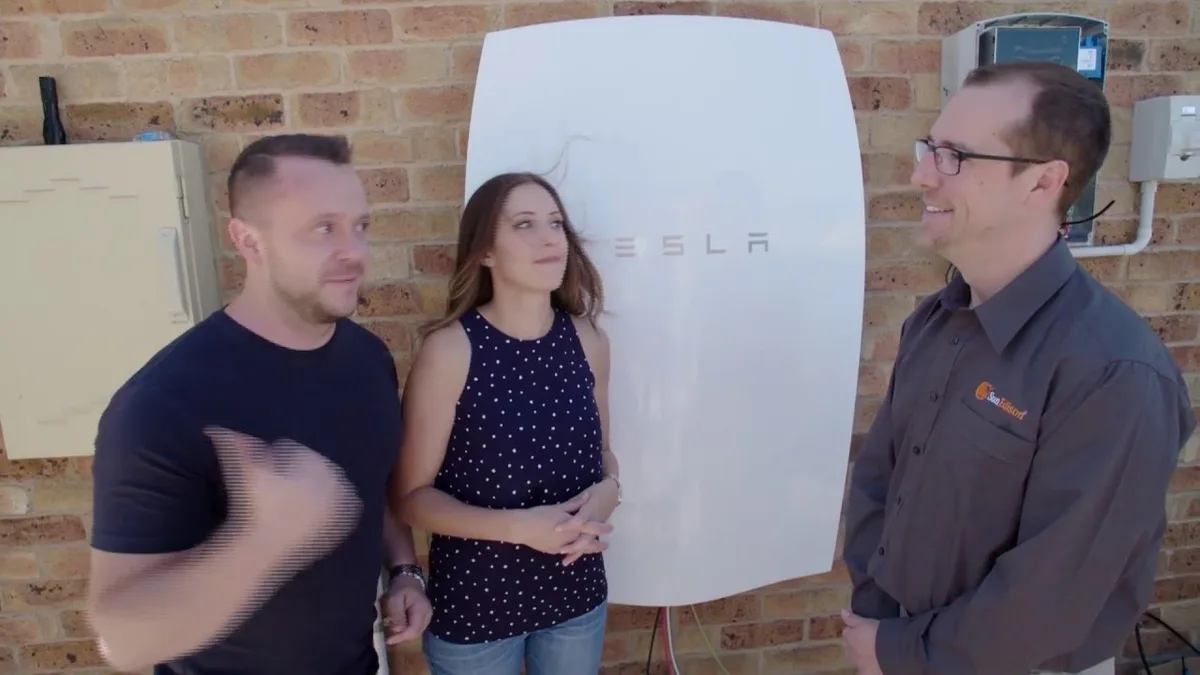
Image source: YouTube / Energy Matters (YouTube thumbnail (fair-use with source credit))
Battery Options
The most common residential batteries in Texas are the Tesla Powerwall, the Enphase Encharge, and the LG Chem RESU. All three are lithium-ion. They offer 10 to 13.5 kilowatt-hours of storage.
That's enough to run essential appliances for several hours during an outage.
The Verdict
If you want backup power, get a battery. If you want the fastest payback on your solar investment, skip the battery and put that money into more panels. You can always add a battery later.
Most modern solar systems are designed to be battery-ready.
Who Solar Panels Are (and Aren't) Worth It For in Texas
Let's sum it up with clear categories. This is the decision tree in its final form.
Solar Is Worth It If:
- You have a south or west-facing roof with little shade.
- Your monthly electric bill is over $150.
- You plan to stay in your home for 7 years or more.
- Your utility offers a decent buyback rate (near 1:1 retail).
- Your roof is in good condition or you're replacing it soon.
- You want to hedge against rising electricity rates.
Solar Is Borderline If:
- Your bill is $100 to $150 and your roof has some shade.
- You plan to stay 5 to 7 years.
- Your utility has a low buyback rate.
- You're considering a lease instead of a purchase.
Solar Is Probably Not Worth It If:
- Your monthly bill is under $100.
- Your roof faces north or has heavy shade.
- You're moving in 3 years or less.
- Your roof needs replacement and you don't want to pay for both.
- You're in a utility territory with no net metering or very low buyback rates.
What to Do Next
If you're in the "worth it" category, your next step is to get three quotes from licensed installers. Compare the equipment, the warranty, and the price per watt. Use the types of solar panels guide to understand what you're buying.
If you're on the fence, do an energy efficiency audit first. Seal your ducts, add insulation, and upgrade your AC. Those upgrades might save you more per dollar than solar.
Then revisit solar in a year or two when prices drop further.
Final Decision Guide – Your Next Steps
You've covered the numbers. You've checked your utility. Now it's time to act.
Start with an energy audit. Review your last 12 months of electric bills. Calculate your average monthly usage and cost.
That's the baseline.
Next, check your roof. Use a compass or a phone app to find which direction your roof faces. Look for shade from trees or nearby buildings.
If your roof is older than 15 years, budget for a replacement.
Then get three quotes from licensed installers. Compare price per watt, panel brand, inverter type, and warranty length. Ask each installer about your utility's buyback rate.
They should know it cold.
Finally, run the numbers. Multiply your monthly savings by 12, then divide your out-of-pocket cost by that number. That's your payback period in years.
If it's under 12, solar is a good bet.
Frequently Asked Questions
How long do solar panels last in Texas?
Most solar panels come with a 25-year performance warranty. They continue producing power after that, but at a slightly lower efficiency. A typical panel still produces about 87 percent of its original output after 25 years.
Do solar panels increase home insurance in Texas?
Yes, slightly. Your home insurance premium may go up by $50 to $150 per year to cover the added value of the solar system. Many policies already cover solar panels under the dwelling coverage.
Check with your agent.
Can I get solar panels if my roof is old?
You can, but it's not recommended. Installing panels on a roof that needs replacement in 5 to 10 years means you'll pay for removal and reinstallation later. It's cheaper to replace the roof at the same time.
What happens if I sell my house with solar panels?
If you own the panels, they add value to the home. If you have a lease, the new owner must take over the lease payments. Lease transfers can complicate a sale.
Most buyers prefer owned systems.
Are solar panels worth it in Texas without net metering?
It's harder. Without a good buyback rate, you save less. You still save on the power you use directly, but you don't get much credit for excess power.
Payback stretches to 14 to 18 years in that scenario.