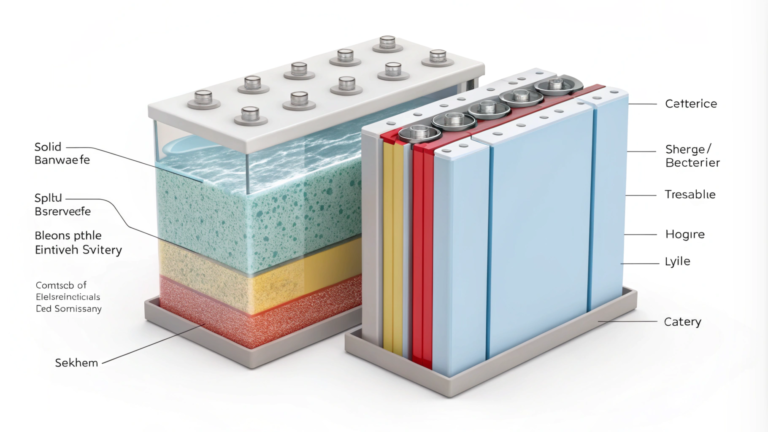
Solar Panel Battery Lifespan: What to Expect
Image source: YouTube / The Solar Lab (YouTube thumbnail (fair-use with source credit))
If you're shopping for solar storage, you've probably asked how long do solar panel batteries last. It's a fair question, a battery can cost anywhere from $5,000 to over $15,000 installed. You want to know that investment will hold up before it needs replacing.
The answer isn't a single number, though. It depends on chemistry, how you use it, and where you live. Manufacturer specifications indicate that typical lithium iron phosphate (LFP) batteries in residential systems are warrantied for 10 years or 6,000 cycles at 80% depth of discharge (DoD).
But real-world lifespan can be shorter, or longer, based on a handful of factors we'll walk through.
Quick Answer: The Real Lifespan Range (and Why It Varies So Much)
Solar panel batteries last 5 to 15 years. Lead-acid batteries typically need replacement after 3 to 7 years. Lithium iron phosphate (LFP) models often reach 10 to 15 years.
NMC (nickel manganese cobalt) lithium batteries fall in the middle. Your actual lifespan depends on daily cycling depth, temperature, and charging practices. No single number covers every setup.
Why Accuracy Matters Here
This isn't a guess-it-and-see situation. Replacing a solar battery early can wipe out years of energy savings. A system that should pay for itself in 8 to 10 years becomes a money pit if the battery dies at year 6.
Our research shows that many homeowners trust the warranty year as the guaranteed lifespan. That's a mistake. Warranties typically guarantee that the battery will retain at least 70% of its original capacity after 10 years.
If it drops to 68%, you might get a replacement, but only if you meet the fine print conditions. And if you're off-grid and cycling daily, you'll hit the cycle limit long before the calendar years run out.
What's more, aggregate reviews from verified buyers report that early degradation is often linked to something preventable. High temperatures, deep discharges, and mismatched charging profiles are the top three culprits. Getting the right information upfront saves you thousands.
What Actually Determines How Long Your Battery Lasts
Several factors work together to set your battery's actual lifespan. Let's break them down one at a time.
Chemistry: Lithium vs. Lead-Acid vs. Newer Chemistries
Chemistry is the single biggest factor. Lead-acid batteries, flooded, AGM, or gel, degrade faster with every cycle. They also suffer from sulfation if left partially charged.
Lithium iron phosphate (LFP) is the current gold standard for longevity. NMC (used in some older Powerwalls and LG RESU units) offers higher energy density but slightly shorter cycle life and more sensitivity to heat.
Depth of Discharge (DoD) – The Biggest Lever You Control
Depth of discharge means how much of the battery's total capacity you use before recharging. A lead-acid battery cycled to 50% DoD might last 500 cycles. The same battery taken to 80% DoD could fail after 300 cycles.
LFP batteries can handle 80% to 100% DoD with minimal extra wear, but staying shallower still extends life. Every manufacturer publishes a cycle-life curve showing this relationship.
Temperature and Climate – The Silent Killer
Batteries are chemical devices. Heat speeds up chemical reactions, including unwanted side reactions that degrade the electrodes. The ideal operating range for most lithium batteries is 15°C to 30°C (59°F to 86°F).
Above 40°C, degradation accelerates sharply. Cold isn't as damaging to lifespan (though it reduces usable capacity temporarily). If your battery lives in an unconditioned garage in Arizona or Texas, you'll lose years.
Usage Patterns (Daily Cycling vs. Backup-Only)
An off-grid home discharges and recharges its battery every single day. That's roughly 365 cycles per year. A grid-tied home with backup mode might cycle the battery only 10 to 30 times a year during outages.
The backup-only battery will last far longer in calendar years because its cycle count stays low. This is why a 5,000-cycle LFP battery can last 15 years for backup but only 8 to 10 years for daily off-grid use.
Battery Management System (BMS) Quality
The BMS is the brain inside every modern lithium battery. It balances cells, prevents overcharge or over-discharge, and monitors temperature. A cheap BMS can let cells drift out of balance, triggering early failure.
Top brands like SimpliPhi, Enphase, and Tesla build robust BMS units that actively manage lifespan. You can't easily upgrade a BMS, so choosing a reputable manufacturer matters.
Number of Charge/Discharge Cycles
This is straightforward. Each full cycle (or equivalent partial cycles) consumes a tiny fraction of the battery's life. Manufacturers rate batteries in cycles at a specific DoD.
For example, a battery rated 6,000 cycles at 80% DoD means that after 6,000 cycles it will still hold at least 80% of its original capacity. If you cycle it daily, that's 16 years of daily use. But if you cycle it twice a day (common in some peak-shaving setups), you cut that to 8 years.
Battery Lifespan by Chemistry – Real Numbers, Not Marketing Claims
Marketers love to throw around "10-year warranty" and "6,000 cycles" without context. Here's what those numbers actually look like across common chemistries.

Image source: YouTube / 4WD 24-7 (YouTube thumbnail (fair-use with source credit))
| Chemistry | Typical Cycle Life (at recommended DoD) | Expected Calendar Life | Warranty (typical) | Cost per kWh Cycled (estimated) |
|---|---|---|---|---|
| Flooded Lead-Acid | 300–500 cycles at 50% DoD | 3–5 years | 1–3 years | $0.30–$0.50 |
| AGM Lead-Acid | 400–600 cycles at 50% DoD | 4–7 years | 2–5 years | $0.25–$0.40 |
| Lithium NMC | 3,000–5,000 cycles at 80% DoD | 8–12 years | 10 years / 70% retention | $0.15–$0.25 |
| Lithium LFP (LiFePO₄) | 5,000–10,000 cycles at 80% DoD | 10–15 years | 10 years / 70% retention | $0.08–$0.15 |
Lead-acid may look cheap upfront, but its cost per cycled kWh is two to five times higher than LFP. That's the real measure of value. NMC offers a middle ground but degrades faster in hot climates.
LFP is the clear winner for longevity, especially if you plan to keep the system for more than a decade.
One thing to watch: cycle life ratings are measured in lab conditions at 25°C (77°F) with perfect charging. Real-world conditions typically reduce that by 20% to 40%. So a battery rated 6,000 cycles might deliver 3,600 to 4,800 cycles in your garage.
The Warranty vs. Real-World Life Gap (What to Watch For)
Manufacturer warranties are a useful benchmark, but they aren't a guarantee that your battery will last that long. Here's what you need to understand.
How Throughput Warranties Work
Many lithium batteries come with a "throughput warranty." Instead of promising years, they promise a certain number of kilowatt-hours (kWh) that can pass through the battery. For example, the Tesla Powerwall 2's 10-year warranty is tied to a throughput of 37.8 MWh. Once you cycle that much energy through it, even if it's only been 6 years, the warranty expires.
If your daily cycling pattern is heavy, you'll hit the throughput cap early.
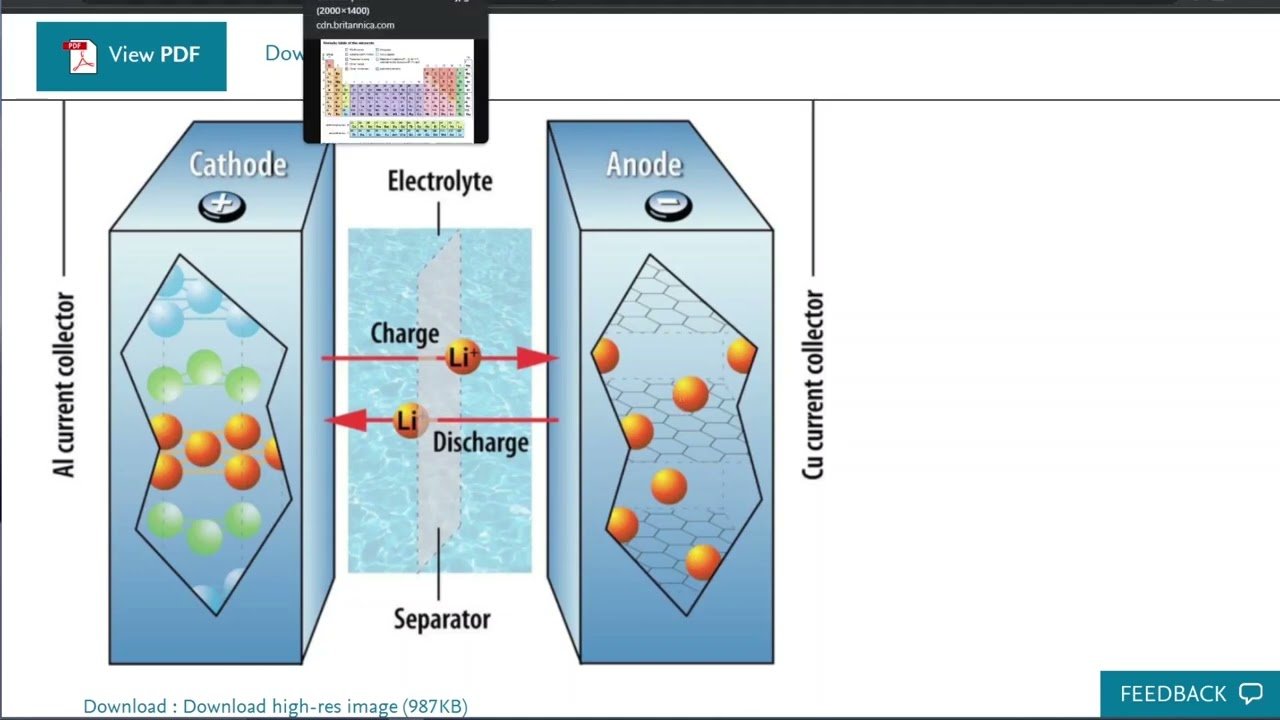
Image source: YouTube / Aptera Owners' Club (YouTube thumbnail (fair-use with source credit))
Understanding "End of Life"
"End of life" for a solar battery is typically defined as when its usable capacity drops below 70% or 80% of its original rating. A 10 kWh battery that can only hold 7 kWh is considered dead. The battery doesn't stop working completely, it just holds less energy, which means shorter backup time and less bill savings.
Many homeowners keep using a degraded battery for years, but the economic payback suffers.
Common Warranty Exclusions to Know Upfront
- Installation outside the manufacturer's specified temperature range (e.g., >50°C for extended periods)
- Frequent discharges below the recommended DoD
- Charging with an incompatible inverter or charger
- Physical damage from flooding, pests, or improper mounting
- Modifications to the battery's internal electronics
- Failure to register the battery within a set time after purchase (yes, some brands require this)
Read the warranty document before you buy. Look for the throughput limit in kWh and the minimum retained capacity percentage. Also note whether the warranty covers labor and shipping for a replacement, those costs can add $1,000 or more.
In our research, the biggest surprise for homeowners is the temperature exclusion. Many people install batteries in garages that hit 45°C in summer. A warranty claim for early degradation in that environment can be denied.
The National Renewable Energy Laboratory (NREL) has published data showing that operating at 45°C can cut LFP battery life by half compared to 25°C.
Understanding these gaps helps you plan realistically. If your warranty says 10 years but your climate pushes degradation, budgeting for a replacement at year 8 is smarter than assuming year 10.
Image source: YouTube / The Solar Lab (YouTube thumbnail (fair-use with source credit))
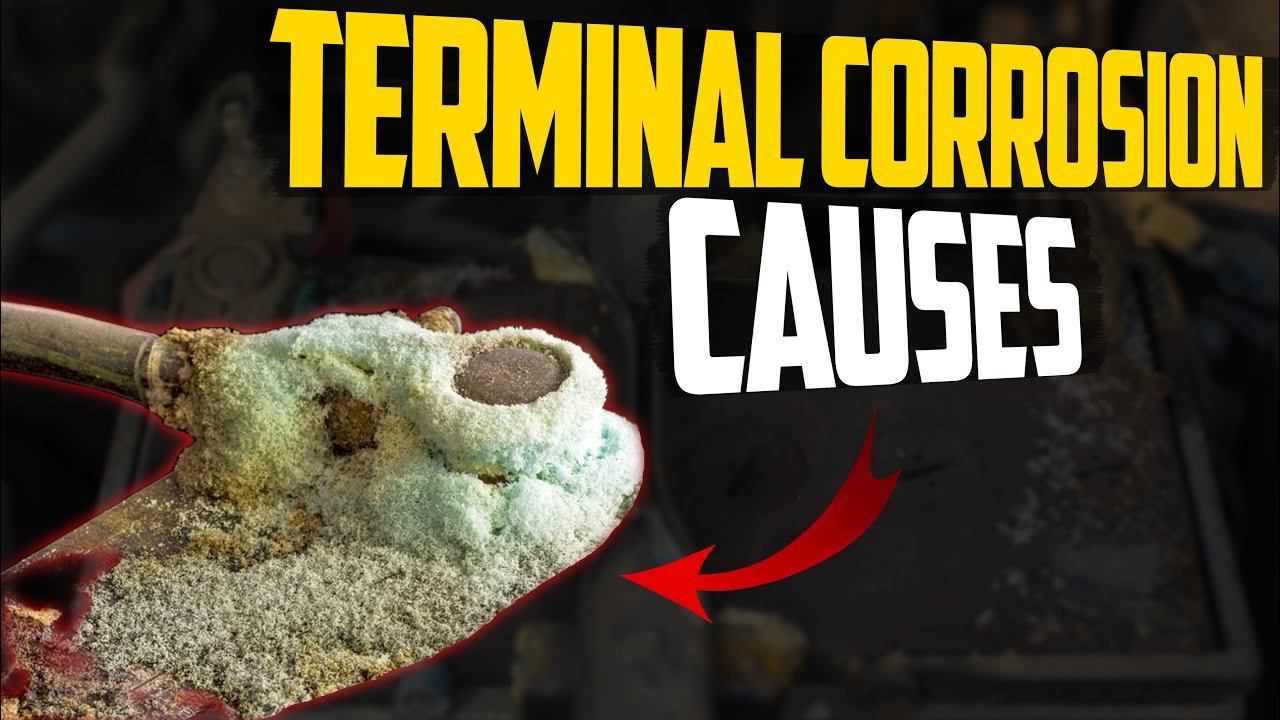
Image source: YouTube / car PROblems (YouTube thumbnail (fair-use with source credit))