what are solar panel frames made of
If you've ever wondered what are solar panel frames made of, the short answer is almost always a specific type of aluminum alloy. But the real story goes deeper than that. The frame is the backbone of the panel, and its material directly affects how long the panel lasts and how well it performs in different conditions.
Manufacturer specifications indicate that most residential panels use aluminum alloy 6063-T5, an extrusion-grade material with a tensile strength around 205 MPa. That's strong enough to handle heavy snow loads and high winds without adding unnecessary weight. Get the frame material right, and you've solved half the durability equation.
Let's start with why this choice matters.
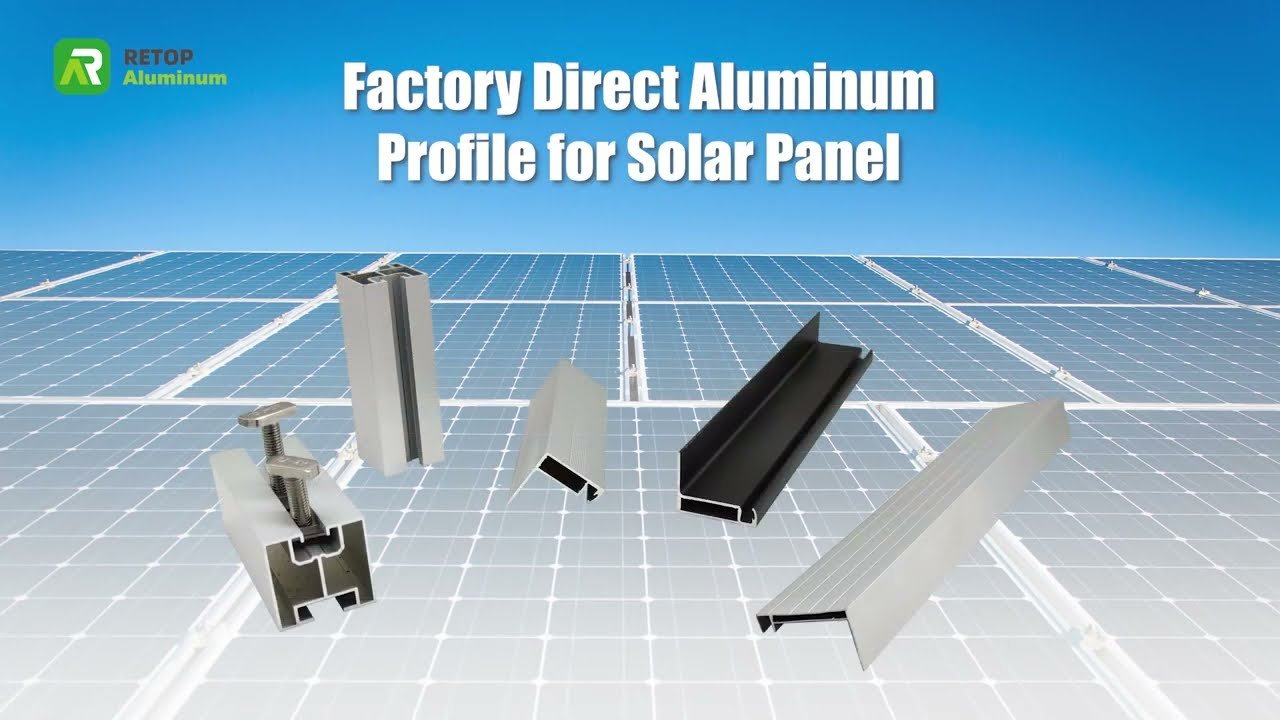
Image source: YouTube / Retop Aluminum (YouTube thumbnail (fair-use with source credit))
Why the Frame Material Actually Matters
The frame of a solar panel does a lot more than just hold the glass in place. It's the structural backbone that protects the delicate silicon cells inside from physical stress, moisture ingress, and thermal expansion.
Think about what a panel goes through on your roof. It faces wind uplift that can pull it upward. Snow loads that press down with hundreds of pounds of force.
And temperature swings from below freezing to over 140°F in direct sun. The frame has to handle all of that without cracking, bending, or corroding.
The frame also provides the electrical grounding path for the entire panel. If the frame material isn't conductive enough or corrodes over time, you lose that critical safety connection. Per the National Electrical Code (NEC), the frame must be bonded to the grounding system, which means the material itself has to be a reliable conductor.
And there's the mounting interface. Every clamp, rail, and bracket grabs onto the frame. If the frame material is too soft or too thin, the clamps can deform it over time.
That leads to loose panels and potential failure points.
The frame material also affects the panel's overall weight, which matters for shipping costs and roof load calculations. A typical 60-cell residential panel with an aluminum frame weighs about 40 to 45 pounds. Switch to steel, and you add roughly 10 to 15 pounds per panel.
So the frame material is not a trivial detail. It's a core design decision that impacts the panel's longevity, safety, and installation complexity. Understanding what solar panel frames are made of helps you make smarter choices whether you're buying panels, installing them, or maintaining a system.
Quick Answer: What Solar Panel Frames Are Made Of (and Why It's Almost Always Aluminum)
Solar panel frames are made primarily from extruded aluminum alloy, typically 6063-T5. This is a medium-strength, corrosion-resistant alloy that's easy to form into precise profiles. It's lightweight, recyclable, and cost-effective.
Some specialty panels use galvanized steel or stainless steel for extra strength in harsh environments. A few manufacturers offer composite polymer frames for specific applications like marine or chemical-heavy settings. But aluminum dominates the market, roughly 95 percent of all solar panels sold today use an aluminum frame.
The choice comes down to three things: weight, corrosion resistance, and cost. Aluminum wins on all three for the vast majority of installations. Steel is stronger per volume but much heavier.
Composites resist corrosion but don't match aluminum's strength-to-weight ratio.
The Core Breakdown: Three Main Frame Materials
Let's look at each frame material in detail. This is where the rubber meets the road, or the extrusion meets the panel.
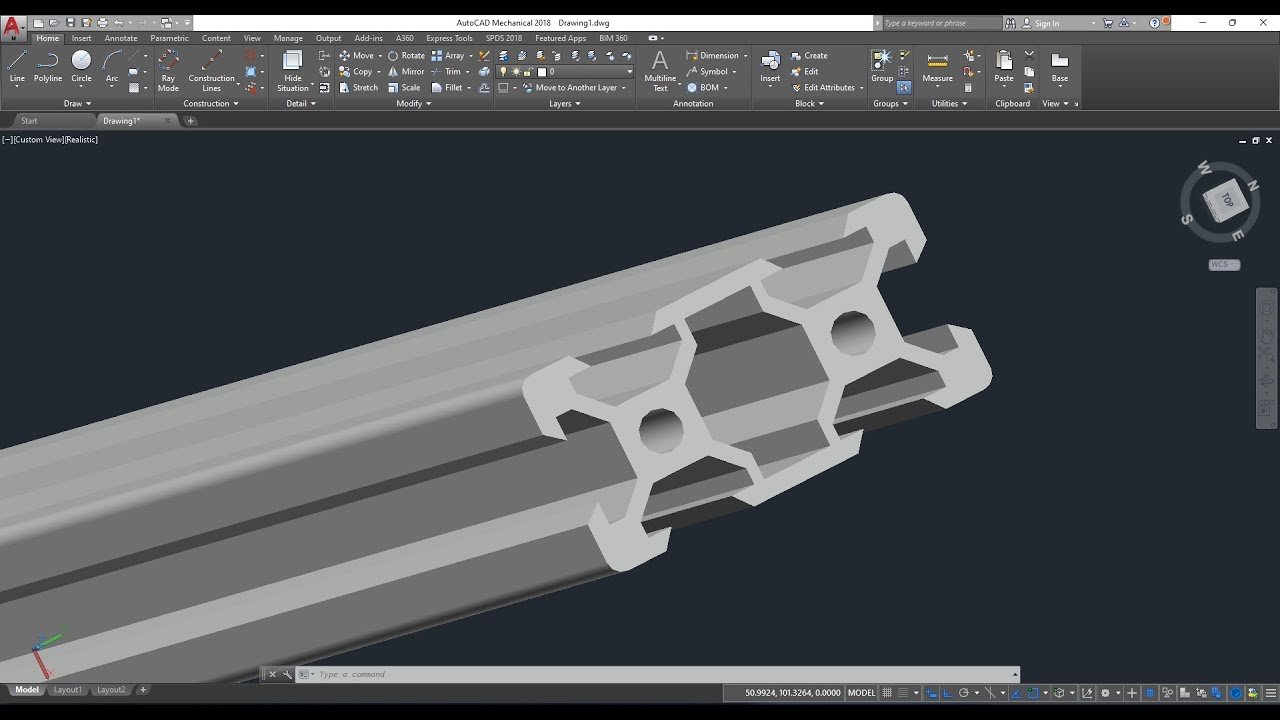
Image source: YouTube / COLLINS B (YouTube thumbnail (fair-use with source credit))
Aluminum Alloy (6063-T5 and 6005-T5)
Aluminum is the king of solar panel frames for good reason. The most common alloy is 6063-T5, which is heat-treated to achieve a good balance of strength and formability. It's the same material used for window frames, curtain walls, and handrails.
The key specs are impressive. This alloy has a tensile strength of about 205 MPa and a yield strength around 170 MPa. That's plenty for residential and commercial panels.
The aluminum is extruded through a die to create a hollow profile with internal cavities that add stiffness without adding weight.
The surface is then anodized, an electrochemical process that creates a thick oxide layer. This layer is hard and corrosion-resistant. Standard anodization thickness is 10 to 15 microns.
Premium panels may use 20 microns or more for extra protection.
Some manufacturers use powder coating instead of anodizing for color options and additional scratch resistance. But anodizing is more common because it's harder and more uniform.
Galvanized and Stainless Steel (Niche but Worth Knowing)
Steel frames exist but are rare. They show up in ground-mount solar farms where the extra weight doesn't matter and the frames need to withstand extreme abuse. Galvanized steel is coated with zinc to prevent rust, while stainless steel has chromium added for natural corrosion resistance.
The trade-offs are clear. Steel is roughly three times stronger than aluminum per volume, but it's also three times heavier. A steel-framed panel might weigh 60 pounds instead of 40.
That makes installation harder and increases roof load.
Steel also conducts heat better, which can be a minor advantage for cooling. But it's more prone to galvanic corrosion when paired with aluminum mounting rails. And it's harder to recycle because the zinc coating contaminates the scrap.
Composite and Polymer Frames (The Newcomer)
Composite frames are made from fiberglass-reinforced polymer or similar materials. They're lightweight, corrosion-proof, and electrically non-conductive. That last point is a big deal for marine and coastal installations where salt spray eats aluminum.
The downside is that composites are not as stiff as aluminum. They can flex more under load, which puts stress on the glass. They also degrade faster under UV exposure unless heavily stabilized.
And they're harder to recycle because the fibers are mixed with plastic.
As of 2026, composite frames remain a niche product. They're worth considering for specific environments but not for general use.
Side-by-Side Comparison: Aluminum vs. Steel vs. Composite
Here's a quick comparison table that shows the key differences at a glance. This should help you weigh the options for your specific situation.
Image source: YouTube / Huiyao laser lithium battery pack assembly line (YouTube thumbnail (fair-use with source credit))
| Feature | Aluminum (6063-T5) | Steel (Galvanized) | Composite (FRP) |
|---|---|---|---|
| Tensile Strength | ~205 MPa | ~550 MPa (varies) | ~100–200 MPa |
| Weight (per panel) | 2.5–4 kg | 6–9 kg | 2–3.5 kg |
| Corrosion Resistance | Excellent (anodized) | Good (coated) | Excellent |
| Recyclability | 100% recyclable | Recyclable (with processing) | Difficult |
| UV Resistance | Excellent | Excellent | Moderate |
| Thermal Conductivity | High (helps cooling) | High (helps cooling) | Low (insulates) |
| Cost per frame | $$ | $ (steel is cheaper raw) | $$$ |
| Electrical Conductivity | Good (needs grounding) | Good (needs grounding) | None (no grounding needed) |
The big takeaway? Aluminum offers the best balance for most people. Steel is overkill for residential use.
Composites solve a specific problem but introduce new ones.
Pros and Cons of Each Frame Material
Let's break down the advantages and disadvantages so you can see which one fits your situation.
Aluminum Frame Pros and Cons
Pros:
- Lightweight and easy to handle during installation
- Excellent corrosion resistance when properly anodized
- Highly recyclable, nearly 100 percent of aluminum can be reused
- Good thermal conductivity helps dissipate heat from the cells
- Easy to machine, drill, and cut on site
- Wide availability and proven track record over decades
Cons:
- Susceptible to galvanic corrosion if paired with steel mounting hardware
- Anodization can wear off in abrasive environments like sandstorms
- Not as strong as steel in extreme load scenarios
- Conducts electricity, so proper grounding is mandatory
Steel Frame Pros and Cons
Pros:
- Very high strength, can handle extreme snow and wind loads
- Lower raw material cost than aluminum
- Better thermal conductivity for cooling
- Less prone to flexing under heavy loads
Cons:
- Much heavier, adds 10 to 15 pounds per panel
- Prone to rust if the coating is damaged
- Galvanic corrosion risk with aluminum mounting rails
- Harder to recycle due to coating contamination
- More difficult to cut and drill on site
Composite Frame Pros and Cons
Pros:
- Completely corrosion-proof, ideal for coastal and chemical environments
- Electrically non-conductive, eliminates grounding concerns
- Lightweight, similar to aluminum
- Can be molded into complex shapes for aesthetic panels
Cons:
- Less stiff than aluminum, can flex under load
- UV degradation over time if not properly stabilized
- Difficult to recycle, fiber and plastic separation is complex
- Higher cost than aluminum or steel
- Less proven in long-term field use
The best choice for the vast majority of homeowners and commercial installers is aluminum. It's the standard for a reason. But if you live in a coastal area with salt spray, composite frames are worth serious consideration.
And for very large ground-mount arrays where weight is less of a concern, steel can be a cost-effective option.
In our research, the most common frame failure we see is not from the material itself but from improper installation. Clamps that are overtightened can crush the frame. Missing gaskets allow water ingress.
And poor grounding leads to corrosion at the connection points. The frame material matters, but how it's installed matters just as much.
Now that you understand the core materials, let's look at how to choose the right frame for your specific situation.
Best Frame Material for Your Specific Situation
Choosing the right frame material depends on where you live and how you plan to install the panels. Let's walk through the most common scenarios.
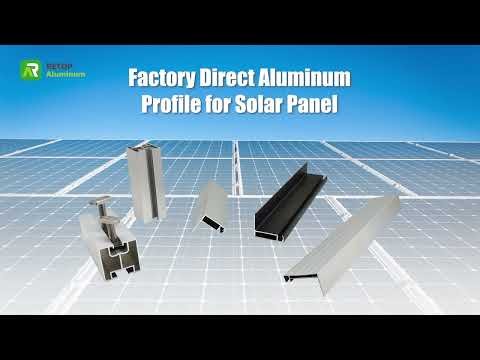
Image source: YouTube / Retop Aluminum (YouTube thumbnail (fair-use with source credit))
Coastal and Marine Installations
If you live within a few miles of the ocean, salt spray is your biggest enemy. Aluminum anodization can handle it for a while, but salt is aggressive. Over 10 to 15 years, you may see pitting corrosion on standard aluminum frames.
For coastal installations, look for panels with thicker anodization. Aim for 20 microns or more. Some manufacturers offer marine-grade anodized frames with extra sealing.
Composite frames are also a strong option here because they simply don't corrode.
Stainless steel frames work too, but they're heavy and expensive. For most homeowners near the coast, a premium aluminum frame with thick anodization is the sweet spot.
Heavy Snow Load Regions
If you live in the mountains or the northern US, snow load is the primary concern. The frame needs to handle hundreds of pounds of force pressing down on the panel.
Aluminum frames with thicker wall profiles (1.6 mm or more) are standard for these regions. The extrusion profile matters as much as the material. Deeper frames with internal webs resist bending better than shallow ones.
Steel frames are overkill for most residential roofs. But for ground-mount arrays in heavy snow zones, steel can be a cost-effective choice. The extra weight isn't a problem when the panels are on the ground.
Off-Grid, RV, and Portable Setups
For mobile applications, weight is everything. Aluminum is the clear winner here. You want a frame that's strong enough to handle road vibration but light enough to lift onto a roof rack.
Some portable panels use thin aluminum frames with minimal bracing. These are adequate for occasional use but may flex over time. Look for frames with at least 1.2 mm wall thickness and a sturdy corner key design.
Composite frames are gaining traction in the RV market because they're lightweight and non-conductive. But they're still rare and expensive.
Large-Scale Ground-Mount Solar Farms
For utility-scale installations, cost per watt drives every decision. Aluminum frames are still the standard, but steel frames can be cheaper in bulk.
The trade-off is installation labor. Steel panels are heavier, so they require more workers or equipment to place. That eats into the savings.
Most large-scale developers stick with aluminum for this reason.
Common Mistakes to Avoid When Choosing Frame Material
Let's talk about the errors we see most often. These are the things that cost people money and cause headaches down the road.
Overlooking the anodization quality. Not all aluminum frames are created equal. Some budget panels use thin anodization, sometimes as low as 5 microns. That's not enough for long-term outdoor exposure.
Always check the anodization thickness in the spec sheet.
Mixing metals without isolation. If you pair aluminum frames with steel mounting rails, you create a galvanic cell. Moisture acts as an electrolyte, and the aluminum corrodes faster. Use isolation washers or stainless steel hardware to prevent this.
Ignoring the frame profile depth. A shallow frame may look sleek, but it provides less structural support. Deeper frames (35 mm or more) handle wind and snow loads better. Don't choose a panel based on looks alone.
Assuming steel is always stronger. Steel is stronger per volume, but aluminum frames are designed with thicker walls and internal webs. A well-designed aluminum frame can be just as strong as a steel frame in practice.
Forgetting about grounding requirements. Aluminum frames need a reliable grounding path. If the anodization is too thick, it can act as an insulator. Some panels include grounding clips or pads to ensure proper bonding.
Key Specs and Data Points That Actually Matter
When you're comparing panels, these are the numbers to look for. Not all specs are equally important.
Anodization thickness. This is the most critical spec for long-term durability. Look for 10 microns minimum. Premium panels offer 15 to 20 microns.
Anything below 10 microns is a red flag.
Wall thickness. The extrusion wall thickness determines how much abuse the frame can take. Residential panels typically use 1.0 to 1.4 mm. Commercial panels are thicker, around 1.6 mm.
Thinner walls are fine for light-duty installations but not for heavy snow or wind.
Frame depth. Measured from the front to the back of the frame. Standard residential frames are 30 to 35 mm. Deeper frames (40 to 50 mm) are used for commercial panels.
Deeper is generally better for structural rigidity.
Load ratings. Panels are tested for static loads. Look for a snow load rating of at least 5400 Pa and a wind load rating of at least 2400 Pa. Higher numbers mean the frame is stronger.
Corner key design. The corner key is the small piece that joins the frame sections. A good corner key is machined precisely and fits tightly. Loose corner keys cause frame flex and water ingress.
Pro Tips for Buying Solar Panels Based on Frame Quality
Here's what to check before you buy.
Ask for the manufacturer's spec sheet. Don't rely on the sales page. The spec sheet will show the frame material, alloy grade, anodization thickness, and wall thickness. If the manufacturer won't provide this, walk away.
Check the warranty language. A good frame should last as long as the panel's performance warranty, which is typically 25 years. Some manufacturers offer a separate frame warranty against corrosion. That's a good sign.
Look for IEC 61215 certification. This is the international standard for panel durability. It includes tests for thermal cycling, humidity freeze, and mechanical load. Panels with this certification have been tested for frame integrity.
Inspect the frame in person if possible. Look at the corner joints. Are they flush? Is the gap between frame sections consistent?
Poor fitment is a sign of low manufacturing quality.
Consider the weight. A panel that's noticeably lighter than similar models may have a thinner frame. That's fine for some applications but not for harsh environments.
What About Frameless Panels and Glass-Glass Designs?
Frameless panels are exactly what they sound like. There's no aluminum frame around the edge. Instead, the glass itself provides the structural support.
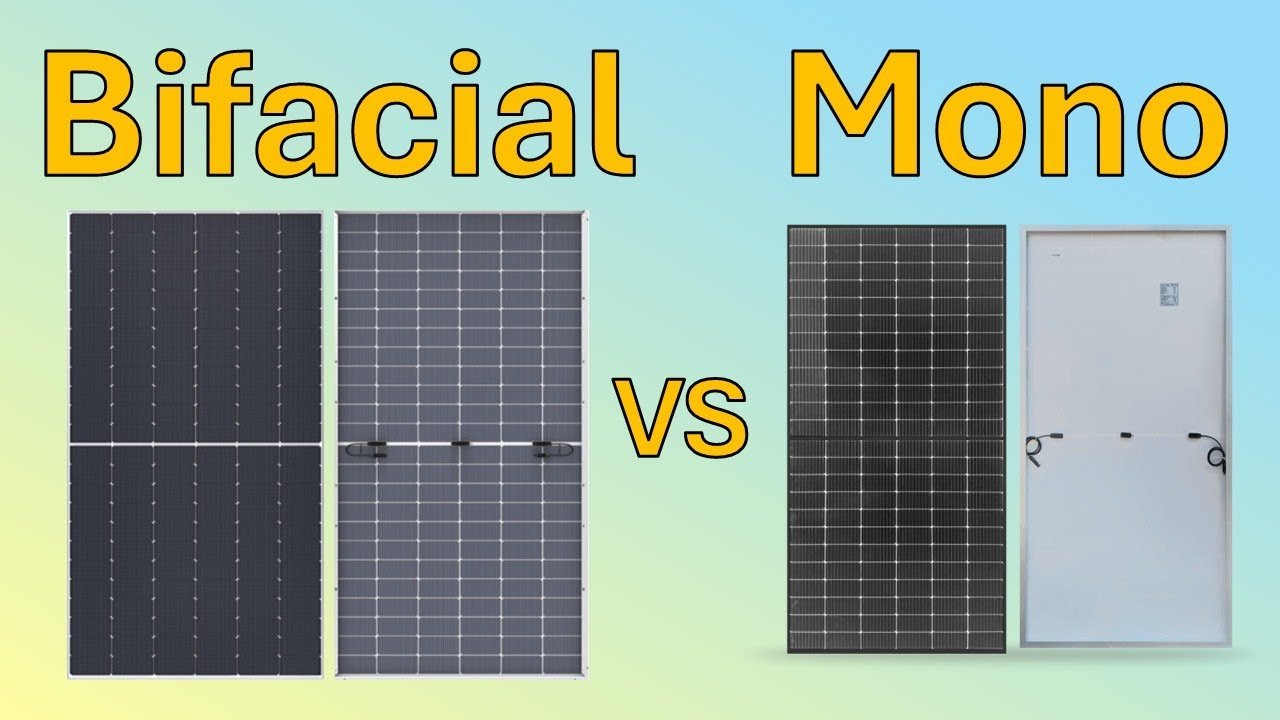
Image source: YouTube / Renewable_Tek (YouTube thumbnail (fair-use with source credit))
These are also called glass-glass panels. They consist of two layers of tempered glass with the solar cells sandwiched in between. The edges are sealed with a silicone or polymer edge sealant.
The main advantage is longevity. Without a metal frame, there's no risk of frame corrosion. Glass-glass panels also have better performance in high humidity because there's less opportunity for moisture ingress.
The downsides are significant. Frameless panels are heavier because they use two layers of glass. They're also harder to mount because you can't clamp onto a frame.
Special mounting hardware is required.
Frameless panels are more expensive, typically costing 10 to 20 percent more than framed panels. They're also more fragile during installation. If you drop a frameless panel, it's likely to shatter.
For most residential installations, framed panels are still the better choice. The frame adds structural rigidity and makes mounting straightforward. But for specific applications like building-integrated photovoltaics (BIPV) or coastal installations where corrosion is a major concern, frameless designs are worth considering.
Frame Maintenance and Long-Term Care
The frame itself requires very little maintenance. But a few simple habits can extend its life significantly.
Rinse the frame with fresh water once a year. This removes salt, dust, and bird droppings that can accelerate corrosion. Pay special attention to the corners where moisture can collect.
Inspect the frame seals during your annual check. The silicone gasket between the frame and glass can crack over time. Replace it promptly if you see gaps.
Water ingress through the frame is a leading cause of panel failure.
Check the mounting clamps and torque settings. Loose clamps allow the frame to vibrate in the wind. Overtightened clamps can crush the frame profile.
Follow the manufacturer's torque specs exactly.
Recycling and Environmental Impact of Frame Materials
Aluminum is the clear winner for sustainability. It's 100 percent recyclable with no loss of quality. Recycling aluminum uses 95 percent less energy than producing new aluminum from raw ore.
Steel is also recyclable, but the zinc coating on galvanized steel complicates the process. The zinc must be removed before melting, which adds cost and energy.
Composite frames are difficult to recycle. The fiberglass and plastic are bonded together, making separation nearly impossible. Most composite frames end up in landfills.
If environmental impact matters to you, choose aluminum. It's the most sustainable option by a wide margin. Many manufacturers now use recycled aluminum in their frames, which reduces the carbon footprint further.
Final Verdict: Which Frame Material Should You Choose?
For 99 percent of installations, the answer is simple. Choose aluminum. It's lightweight, strong, corrosion-resistant, recyclable, and proven over decades of use.
If you live on the coast or in a harsh chemical environment, consider composite frames. They cost more and are harder to recycle, but they won't corrode.
If you're building a large ground-mount array on a tight budget, steel frames can save money. Just account for the extra weight and installation labor.
Frameless glass-glass panels are worth considering for specific applications. But for most homeowners, a standard aluminum-framed panel is the right choice.
Frequently Asked Questions
Why are solar panel frames made of aluminum instead of steel?
Aluminum is lighter, more corrosion-resistant, and easier to recycle than steel. It also has a better strength-to-weight ratio for rooftop installations. Steel is stronger per volume but much heavier, which makes installation harder and increases roof load.
Can a corroded solar panel frame be repaired?
Minor surface corrosion can be cleaned and sealed with a marine-grade sealant. But if the corrosion has pitted through the frame or compromised the corner joints, replacement is the safer option. A corroded frame can fail under wind or snow load.
How long do aluminum solar panel frames last?
A properly anodized aluminum frame should last 25 to 30 years or more. That matches the typical performance warranty of the panel itself. Thicker anodization and regular maintenance can extend that lifespan further.
Do frameless solar panels last longer than framed ones?
Glass-glass frameless panels often have longer warranties, up to 30 years. They eliminate frame corrosion entirely. But they're more fragile during installation and harder to mount.
The trade-off is higher upfront cost and more complex installation.
Are composite solar panel frames worth the extra cost?
Only if you need their specific properties. Composite frames are corrosion-proof and non-conductive. They're ideal for coastal, marine, or chemical environments.
For standard residential installations, the extra cost isn't justified.
What is the best frame material for a DIY solar project?
Aluminum is the best choice for DIY projects. It's lightweight, easy to handle, and simple to drill and cut. Look for panels with a standard 30 mm frame profile that fits common mounting hardware.
Avoid composite frames for DIY because they require specialized mounting solutions.