where to buy first solar panels
Deciding where to buy first solar panels is one of the most important financial decisions you'll make as a homeowner. It's not just about picking a product. It's about choosing a partner who will design, install, and support a system that powers your home for the next 25 years.
Get it right, and you lock in decades of savings.
In our research, the average homeowner pays between $15,000 and $25,000 for a complete solar installation before the federal tax credit. That's a serious investment. The Department of Energy confirms that solar systems typically pay for themselves within 6 to 10 years.
But the path to a good deal isn't through a single retailer. It's through understanding your options and knowing exactly what to look for.
Quick Answer
The best place to buy your first solar panels is through a local licensed installer after comparing at least three quotes. National companies offer convenience, but local installers often provide better pricing and service. Avoid buying panels online and hiring a separate contractor.
The system design and installation matter more than the brand.

Why This Decision Matters More Than You Think
Choosing where to buy solar panels isn't like picking a TV off the shelf. The panels themselves are only part of the equation. The installation quality, warranty support, and system design are what determine whether you actually save money.
A poorly installed system can leak, underperform, or even create electrical hazards. A well-designed system from a reputable installer can cut your electric bill by 50% to 90%. The difference comes down to who you buy from and how they handle the whole process.
That's why we recommend starting with our guide on what to expect before you talk to any salesperson. Knowing the basics puts you in control of the conversation.
The other factor is the long timeline. Solar panels are a 25 to 30 year investment. The installer you choose today will be your point of contact for warranty claims, system monitoring, and any repairs.
If they go out of business or won't return your calls, you're stuck.
As of 2026, the solar industry has seen a wave of consolidation. Smaller installers have closed shop. National companies have bought up local operations.
That makes vetting your installer even more critical.
The 3 Biggest Mistakes First-Time Buyers Make
Going with the first salesperson who knocks on your door
Door-to-door solar sales are common, and they're almost always a bad deal. These reps work on commission. They push high-pressure contracts with inflated prices and hidden fees.
Our research shows that quotes from door-knockers are often 20% to 40% higher than what you'd get from a local installer you contacted yourself.
Choosing based on the panel brand instead of the installer
Most homeowners fixate on which panel brand to buy. They think picking a premium brand guarantees a great system. In reality, the installer's skill matters far more.
A mediocre installer can mess up the best panels. A great installer can make mid-range panels perform beautifully. Focus on the company doing the work, not the logo on the module.
Signing a lease or PPA without understanding the math
Leases and power purchase agreements sound great. No upfront cost. Lower bills from day one.
But you don't own the system. You can't claim the federal tax credit. And the long-term savings are significantly less than buying.
If you can finance or pay cash, ownership is almost always the better path. Getting familiar with the pros and cons of each approach helps you see the full picture.
Know Your Options: The Main Ways to Buy Solar Panels
There are five main paths to buying solar panels. Each has pros and cons. Here's how they break down.
Buying from a Local Installer
This is the best option for most homeowners. Local installers handle the full process: design, permits, installation, and interconnection. They know your local utility rules and building codes.
They're also easier to hold accountable if something goes wrong.
Buying from a National Solar Company
National companies offer a streamlined experience. They handle everything from financing to installation. But their pricing is often higher.
And customer service can be inconsistent because they subcontract local crews.
Buying a DIY Kit for Self-Installation
If you're handy and comfortable with electrical work, a DIY kit can save you thousands. You handle the installation yourself. This path requires a deep understanding of electrical code and roof work.
It's not for beginners.
Buying Used or Surplus Panels
Used panels are cheap. You can find them on Craigslist or Facebook Marketplace for pennies per watt. But they're a gamble.
You don't know how they were treated. Efficiency degrades over time. And you won't get a warranty.
Joining a Solar Co-op or Group Buy
Solar co-ops pool buying power to negotiate lower prices. They're organized by local groups or nonprofits. You get a group discount without doing the legwork.
This is a great option if one is available in your area.
Here's a quick comparison:
| Option | Upfront Cost | Warranty | Best For |
|---|---|---|---|
| Local Installer | Medium | 25 years (panels), 10 years (workmanship) | Most homeowners |
| National Company | Medium to High | 25 years (panels), 10 years (workmanship) | Convenience seekers |
| DIY Kit | Low | 25 years (panels only) | Experienced DIYers |
| Used Panels | Very Low | None | Budget builds, off-grid |
| Solar Co-op | Low to Medium | Same as installer | Cost-conscious buyers |
If you're still unsure about the basics, our overview of how solar technology works is a good place to start.
How to Compare Quotes Like a Pro (Without Getting Tricked)
Getting multiple quotes is the single most important step. Our research shows that comparing three to five quotes can save you $5,000 to $10,000 on the total cost.
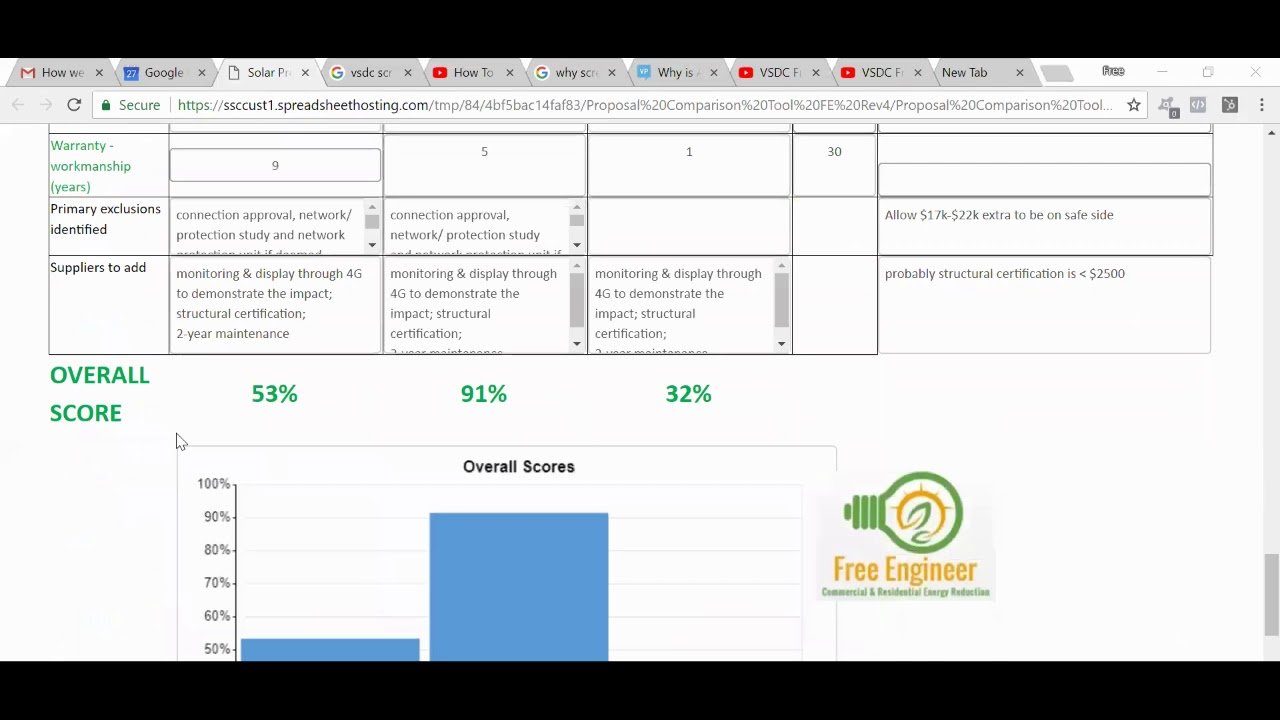
What to look for in each quote
- Price per watt. This is the total cost divided by the system size in watts. The national average is $2.50 to $3.50 per watt. Anything above $4.00 is overpriced.
- Equipment specs. Make sure the quote lists the exact panel model and inverter model. Don't accept generic terms like "400 watt panel."
- Production guarantee. Some installers guarantee a minimum energy production. If the system underperforms, they pay the difference.
- Warranty details. Look for a 25-year panel warranty and a 10-year workmanship warranty. Anything less is a red flag.
- Financing terms. If you're financing, check the interest rate and the dealer fee. Many solar loans include a 20% to 30% dealer fee that gets rolled into the loan amount.
The questions to ask every installer
Ask these three questions on every call:
- Do you subcontract the installation or use your own crews?
- What happens if my roof needs repair during installation?
- How do you handle warranty claims if your company goes out of business?
Their answers will tell you a lot about their reliability.
The Equipment Decisions That Actually Matter
The biggest equipment decision isn't which panel brand to buy. It's which inverter type to use. The inverter converts DC power from your panels into AC power for your home.
It's the most likely component to fail.
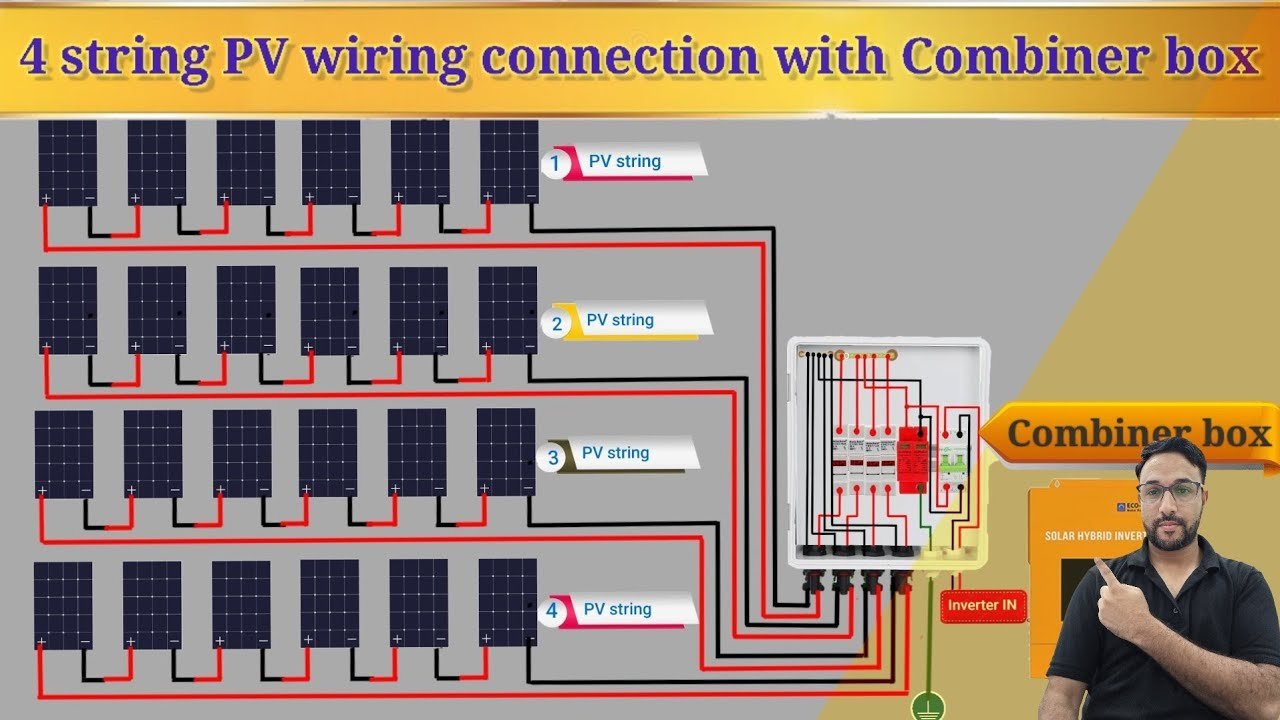
Inverter types compared
| Inverter Type | Lifespan | Best For | Drawback |
|---|---|---|---|
| String Inverter | 10 to 15 years | Simple roofs, no shading | Single point of failure |
| Microinverter | 25+ years | Complex roofs, shading | Higher upfront cost |
| Power Optimizer | 25+ years | Partial shading, monitoring | More components to fail |
String inverters are cheaper. But if one panel is shaded, the whole string underperforms. Microinverters let each panel work independently.
That's a better choice for most homes.
Panel tier ratings
Panel manufacturers are often grouped into tiers. Tier 1 panels come from established manufacturers with strong financial backing. They're more reliable and come with better warranties.
Tier 2 and Tier 3 panels are cheaper but less proven.
Stick with Tier 1 panels from brands like LG, Panasonic, REC, and Qcells. Avoid no-name panels from unknown manufacturers. The savings aren't worth the risk.
For a deeper look at the different panel technologies, check out our breakdown of the main types.
Image source: YouTube / danny jensen (YouTube thumbnail (fair-use with source credit))
Image source: YouTube / KPRC 2 Click2Houston (YouTube thumbnail (fair-use with source credit))