Are Solar Panels Worth It in New Hampshire?
If you live in New Hampshire and you’ve looked at your electric bill lately, you’ve probably wondered the same thing most Granite Staters do: are solar panels worth it in new hampshire? With winter snow, cloudy months, and a state that isn’t exactly known for year‑round sunshine, the answer isn’t a simple yes or no. It depends on your home, your budget, and how much you value long‑term savings over upfront cost.
And as of 2026, the numbers have shifted enough that it’s worth taking a fresh look.
The average New Hampshire household pays around 22 to 28 cents per kilowatt‑hour, among the highest rates in the country. That’s the starting point for any payback calculation. In our research, we found that a well‑designed system can cut that bill by 50 to 80 percent, but only if the panels sit in the right place and the incentives line up.
Let’s walk through what you need to know before you sign anything.
Quick Answer
Solar panels are worth it in New Hampshire for most homeowners with high electric bills. The typical payback period runs 7 to 12 years. State and federal incentives knock thousands off the upfront cost.
Snow isn’t a deal‑breaker, panels shed it quickly. Your roof orientation and tree cover matter most.

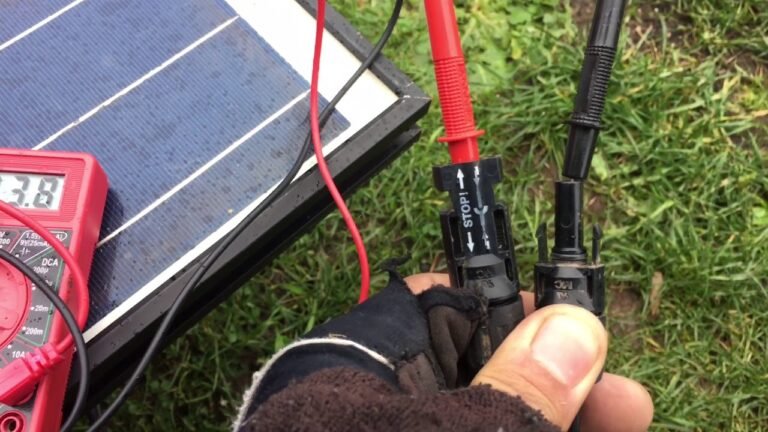
Image source: YouTube / Solnetic Solar (YouTube thumbnail (fair-use with source credit))
Why This Decision Needs Careful Thought (Not a Quick Answer)
This isn’t a one‑size‑fits‑all purchase. A system that saves your neighbor $2,000 a year could leave you barely breaking even if your roof faces north or your property is shaded by maples. New Hampshire’s climate adds another layer: heavy snow, shorter winter days, and a lower sun angle than most of the country.
You also have to weigh the upfront cost, typically $15,000 to $25,000 before credits, against your monthly electric bill. And you need to understand the quirks of net metering in your utility’s territory. Because if your utility changes the rules midstream, your payback time can stretch.
That’s why we’re going to break this down by the factors that actually drive the math in New Hampshire. No generic advice. Just what matters here.
Your Electric Bill: The Biggest Clue Whether Solar Makes Sense
The simplest way to start is to look at your annual electric cost. If you spend less than $100 a month, solar probably won’t pencil out. The fixed costs of installation and maintenance eat up too much of the savings.
But if you’re in the $150 to $300 range, which is common for homes with electric heat, a heat pump, or a pool pump, the picture changes fast. Here’s a rough breakdown of what a typical 7 kW system (the most common residential size in NH) might save you:
| Monthly Electric Bill | Estimated Annual Savings (after solar) | Approximate Payback Time |
|---|---|---|
| $100 – $125 | $400 – $600 | 14 – 18 years |
| $150 – $200 | $700 – $1,000 | 10 – 13 years |
| $250 – $350 | $1,200 – $1,800 | 7 – 10 years |
These numbers assume a well‑oriented south‑facing roof with minimal shade and average net metering rates. If your bill is on the higher end, you’re the exact person who should keep reading.
How New Hampshire’s Sun, Snow, and Latitude Change the Math
New Hampshire sits around 43 degrees north latitude. That means the sun sits lower in the sky than it does in, say, Arizona or even Boston. Lower sun angle means less direct radiation hitting your panels during winter months.
On top of that, the state gets about 4.0 to 4.5 peak sun hours per day on average, compared to 5.5 or more in the Southwest.
But here’s the good news: cold temperatures actually boost panel efficiency. Solar panels work better when they’re cool. A panel rated at 400 watts might produce 405 watts on a crisp January morning, even with fewer sun hours.
Snow isn’t the enemy either, most modern panels are angled enough that snow slides off within a day or two. The real problem is prolonged cloud cover and icing that sticks around.

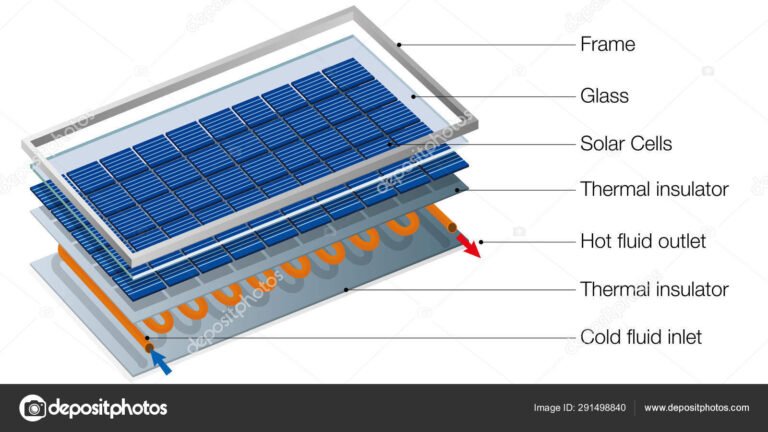
Image source: YouTube / Electric Tech Adventures (YouTube thumbnail (fair-use with source credit))
Our research shows that a properly sized system in New Hampshire still generates about 80 percent of what the same system would produce in California’s Central Valley. The difference is in the payback calculation: cheaper electricity elsewhere means slower savings. In NH, you’re starting from a higher electric rate, so each kilowatt‑hour you generate saves you more money.
That’s the trade‑off that makes the math work.
The Real Cost: Upfront Price Tag vs. Long-Term Savings
Let’s talk cash numbers. A typical residential solar installation in New Hampshire costs between $3.00 and $3.50 per watt before any incentives. Here’s what that means for a 7 kW system:
- Total cost before credits: $21,000 to $24,500.
- Federal Investment Tax Credit (ITC): 30 percent back on your federal taxes. That’s $6,300 to $7,350.
- New Hampshire Renewable Energy Fund grant: typically $500 to $1,000 for a residential system.
- Net cost after all incentives: roughly $14,000 to $17,000.
Some towns also offer property tax exemptions for solar installations, which means your home value goes up without a corresponding tax increase. Check with your town assessor’s office.
After that, the electricity you don’t buy from the grid is pure savings. If your annual bill before solar is $2,400 ($200/month), and you cover 75 percent of it, you’re saving $1,800 each year. At a net cost of $15,500, that’s a payback of about 8.6 years.
With panels lasting 25 to 30 years, you’re looking at 15 to 20 years of free electricity after the break‑even point.
Federal Tax Credit + State Incentives: What’s Actually Available in NH
The biggest single incentive is the federal Investment Tax Credit. As of 2026, it sits at 30 percent of the total system cost and applies to both owned and financed systems (but not leased systems, you don’t own the equipment in a lease). You claim it using IRS Form 5695 when you file your taxes.
There’s no cap, and it rolls over to the next year if you can’t use the full credit in one year.
On the state side, the New Hampshire Office of Strategic Initiatives runs the Renewable Energy Fund (REF). The exact grant amount depends on system size and your income level, but most homeowners get between $500 and $1,000. You apply after the system is installed and inspected.
Another perk is the SREC (Solar Renewable Energy Certificate) market. For every megawatt‑hour your system generates, you earn a certificate you can sell to utilities. In New Hampshire, SRECs trade for roughly $10 to $30 each.
For a 7 kW system generating about 8 MWh per year, that adds $80 to $240 annually, not life‑changing, but it helps.
One warning: net metering rules in New Hampshire have changed recently. Some utilities, especially Eversource, now credit you at a lower rate for excess generation than the retail rate you pay. That’s why we’ll explain how net metering works in the next section, and why it can make or break your payback.
Net Metering in New Hampshire: The Good, the Tricky, and the Future
Net metering is the policy that lets you sell excess solar electricity back to the grid in exchange for credits. In New Hampshire, each utility handles it a little differently, and the rules have been shifting.
The good news is that most NH utilities still offer net metering for residential systems up to 1,000 kilowatts. You get credited at the “retail rate” for the power you send to the grid, meaning one kilowatt‑hour exported equals one kilowatt‑hour you can pull later. That’s a fair deal, especially in summer when your system overproduces.
The tricky part comes from the caps. Some utilities, especially Eversource, have a cap on how much total net metering capacity they allow. Once that cap fills up, new customers may get a lower credit rate.
As of 2026, the cap has not been hit statewide, but it’s something to ask your installer about before you commit.
Image source: YouTube / Eco Home Blueprint (YouTube thumbnail (fair-use with source credit))
Another nuance: your credits expire at the end of each year in many NH territories. You don’t want to size your system so large that you produce way more than you use, because those leftover credits vanish. A good installer will size your system to match your annual consumption, not exceed it by much.
The future is uncertain. State legislation could change net metering again. If you’re planning to stay in your home for at least 10 years, the current rules are fine.
But if you’re selling soon, the next owner will inherit whatever policy is in place then.
Solar Renewable Energy Credits (SRECs): Free Money or a Headache?
SRECs are certificates you earn for every megawatt‑hour your solar system generates. You can sell them on an open market to utilities that need to meet renewable energy requirements. In New Hampshire, the market is relatively small, so the prices aren’t life‑changing.
Typical SREC values in NH range from $10 to $30 per certificate. For a 7 kW system producing about 8 MWh annually, that’s $80 to $240 extra income per year. Not huge, but it helps shorten the payback period by a year or two.
The hassle is that you have to sign up with an aggregator or broker to sell them. Most installers handle this as part of their service, but ask upfront whether SREC management is included. If not, you’ll need to register with the NH Public Utilities Commission’s renewable portfolio standard program.
A few homeowners skip SRECs entirely because the paperwork and tracking aren’t worth the small payout. Your call. For most people, it’s a nice bonus, not a deal‑maker.
Leasing vs. Buying vs. Loan – Which Path Hurts Least?
You have three main ways to pay for solar in New Hampshire. Let’s run through each.
- Buying with cash: You own the system outright. The federal tax credit and state incentives go to you. Payback is fastest because you avoid interest. You also get the SREC income. Best for people with $15,000 to $20,000 in cash who plan to stay put.
- Financing with a solar loan: You own the system, but you pay interest. Many solar loans have low rates (5, 8 percent) and terms of 10 to 20 years. The tax credit still goes to you. Monthly loan payments should be lower than your electric bill savings for it to make sense. Best for homeowners who want ownership without a big upfront lump sum.
- Leasing: You don’t own the panels. A third‑party company installs them, and you pay a monthly lease fee. The company claims the tax credit and SRECs. Your savings are smaller, but there’s zero upfront cost. The problem: leases can complicate a home sale. You need the buyer to take over the lease, or you buy it out. Best for people who plan to move within a few years or can’t qualify for a loan.
Our research shows that buying (cash or loan) almost always wins in New Hampshire if you plan to stay for 7 years or more. Leasing makes sense only when you have no other option.
Solar vs. Community Solar vs. Backup Generator – Your Alternatives
Not everyone can or should put panels on their roof. Here are the main alternatives and why you might pick one over the other.
Community solar lets you subscribe to a share of a larger solar farm elsewhere in your utility’s territory. You get a credit on your electric bill for the power your share generates. No installation, no roof condition worries, no maintenance.
But you don’t own anything, and savings are typically 5 to 15 percent of your bill, less than a rooftop system.
Backup generator (whole‑house or portable): If your main concern is power outages during winter storms, a generator might be cheaper than solar plus batteries. A good whole‑house generator runs $5,000 to $12,000 installed, and it runs on propane or natural gas. It won’t save you money month to month, but it solves the outage problem.
Grid‑only maintenance: Some households decide to keep their current setup and invest in energy efficiency instead. Insulation, heat pumps, and efficient appliances can lower your electric bill without solar. That might be the right move if your roof is shaded or in poor condition.
The key question: what’s your primary goal? If it’s saving money every month, solar (owned) is the strongest option. If it’s avoiding outages, look at a generator.
If you can’t go solar right now, community solar is a low‑effort middle ground.
Who Actually Wins with Solar in NH? (And Who Should Skip It)
Solar isn’t for every house in New Hampshire. Here’s a clear breakdown of who should go ahead and who should pause.
You’re a good candidate if:
- Your annual electric bill is over $1,800.
- Your roof faces south, southeast, or southwest with little shade.
- Your roof is less than 15 years old or you’re planning to replace it soon.
- You plan to stay in your home at least 7 years.
- You can either pay cash or qualify for a low‑interest loan.
You should probably skip it if:
- Your electric bill is under $1,200 per year.
- Your roof is heavily shaded by trees or a taller building.
- Your roof is old and you can’t afford to replace it.
- You plan to move within 5 years and don’t expect solar to boost resale value.
- You’re in an area with restrictive HOA covenants (though many NH HOAs allow solar).
A quick test: take your annual electric bill and divide by 8. If the result is above $2,250, your potential savings are strong. If it’s below $1,500, the payback stretches past 15 years.
Use that as a gut check before you start getting quotes.
Snow, Ice, and Shade: Real Maintenance Considerations
New Hampshire winters mean snow on your panels. The good news is that most modern panels are tilted enough that snow slides off within a day or two. Panels also generate some heat, which helps melt a thin layer underneath.
You don’t need to climb on your roof to clear snow. Let gravity do the work. If you have a ground‑mount system, a soft roof rake with a long handle can speed things up without scratching the glass.
Ice dams are a bigger concern if your roof has a low pitch. Heavy ice buildup can block water drainage and add weight. Your installer should account for snow load in the racking design.
Shade from trees is the real enemy, even partial shade on one panel can cut a whole string’s output. Trim back branches before installation.

Image source: YouTube / Jorma Suumann (YouTube thumbnail (fair-use with source credit))
Mistakes That Cost Homeowners Thousands
The most common mistake is not checking your roof’s age before installing. If your roof needs replacement in 5 years, you’ll pay to remove and reinstall the panels. That’s $2,000 to $4,000 you didn’t plan for.
Another big one: buying a system that’s too large or too small for your usage. Oversized systems leave credits that expire. Undersized systems mean you’re still paying the utility.
Match your system to your actual 12‑month usage, not a single month.
Finally, don’t skip the quote comparison. Some installers charge $0.50 per watt more than others for the same equipment. Get at least three quotes.
Ask about warranty terms for panels, inverters, and labor. A 25‑year panel warranty is standard, but inverter warranties vary.
How to Get a Reliable Quote (And Spot a Bad One)
Start with the NH Office of Strategic Initiatives’ list of registered solar installers. This filters out unlicensed operators. When you call, ask for a detailed quote that breaks out equipment costs, labor, permit fees, and any adders like panel upgrades or electrical panel replacement.
A reliable quote includes a production estimate based on your roof’s specific orientation and shading. It should also mention net metering and SREC enrollment. If the salesperson pressures you with “limited time discounts,” walk away.
Good solar companies don’t need urgency tricks.
Check the Better Business Bureau and online reviews for recent NH customers. A good installer has a track record of clean installations and responsive service. Ask for references from homes similar to yours.
Final Verdict: A Decision Guide Based on Your Situation
Here’s a quick decision tree to wrap it up:
- High bill ($2,000+/year) + good roof + staying 7+ years: Go solar. Buy with cash or a loan. Expect 7‑12 year payback.
- Medium bill ($1,500‑$2,000) + decent roof + staying 5‑7 years: Worth getting quotes. Payback may stretch to 12‑15 years. Still positive over panel lifetime.
- Low bill (under $1,200) or poor roof or moving soon: Skip rooftop solar. Consider community solar or energy efficiency upgrades instead.
Solar in New Hampshire works best as a long‑term investment, not a quick flip. If the numbers line up for your home, the savings are real. Take your time, get multiple quotes, and don’t rush the decision.
Frequently Asked Questions
How long does it take for solar panels to pay for themselves in New Hampshire?
Typical payback is 7 to 12 years depending on your electric bill, roof orientation, and incentives. Higher bills and south‑facing roofs shorten the timeline.
Do solar panels work in New Hampshire’s winter?
Yes. Cold temperatures boost panel efficiency. Snow usually slides off within a day or two.
Winter production is lower but still significant, especially on sunny days.
What is net metering and how does it work in NH?
Net metering credits you for excess solar power sent to the grid. In New Hampshire, most utilities offer retail‑rate credits. Credits expire annually, so size your system to match your yearly usage.
Can I get solar panels with no money down in New Hampshire?
Yes, through leases or power purchase agreements. But you won’t get the federal tax credit or SREC income. Leases also complicate home sales.
Buying with a loan is usually better long term.
Does homeowner’s insurance cover solar panels?
Yes, standard homeowners policies typically cover solar panels as part of the dwelling. Notify your insurer after installation. You may need to increase your coverage limit to match the system’s value.