what happens if you don t clean your solar panels
You've just dropped a chunk of cash on solar panels, and they're sitting up there on your roof, silently making you money. But here's the question nobody talks about at the barbecue: what happens if you don’t clean your solar panels? The short answer is that you lose real power and real dollars every month that dirt sits on the glass.
According to NREL's years of soiling studies, the average home leaves 5 to 30 percent of its potential solar production on the roof, simply from accumulated grime.
That's not some theoretical number. That's the difference between a system that pays for itself in seven years and one that takes nine or ten. And the cost of cleaning?
Usually a couple hundred bucks, or a Saturday morning of your time. Let's walk through exactly what happens when you let the dirt pile up, why it matters, and when you can actually get away with ignoring it.
Why This Matters More Than Most Solar Advice You'll Read
Solar panels are tough. They're designed to sit in the sun for twenty-five years and keep cranking out power. But tough doesn't mean invincible.
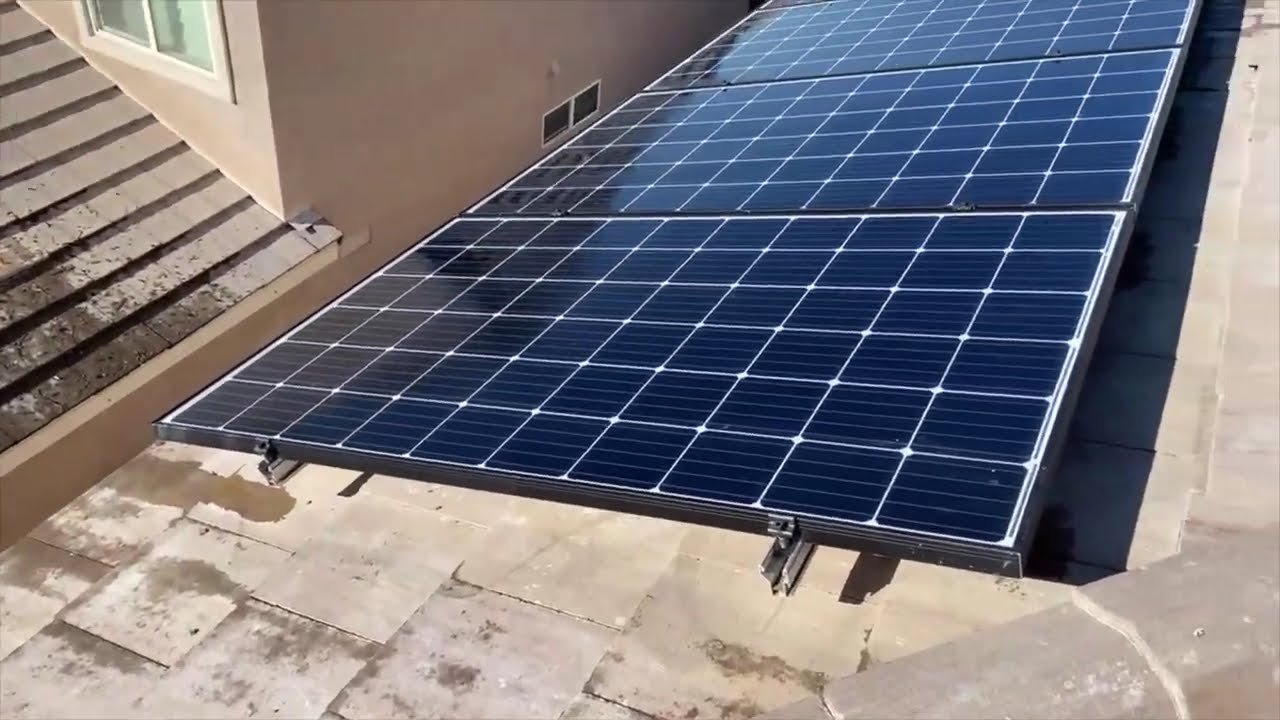
Unlike an inverter that throws an error code or a battery that visibly degrades, soiling is a slow, quiet thief. You won't notice the loss day to day because your monitoring app might still show you're generating electricity, just less of it than you should be.
The real kicker is that most homeowners don't realize anything's wrong until they see their electric bill creep up, or until a neighbor with a similar system shows them their production numbers. By then, you've already lost months of potential savings. And in some cases, the dirt itself can cause physical damage that costs more to fix than a cleaning ever would.
We've covered the broader picture of advantages and disadvantages of solar panels, but this is one of those downsides that's entirely preventable.
The Quick Answer: How Much Power You Actually Lose
If you don't clean your solar panels, you lose 5 to 30 percent of your annual energy production. The exact number depends on your location, climate, and how long you let dirt build up. In dry, dusty areas like the Southwest, losses can hit 25 percent or more within a few months. In rainy regions, you might only lose 2 to 5 percent over a whole year.
Bird droppings and leaves cause concentrated shading that can trigger hotspots, a separate, more expensive problem.
That's the straightforward answer. Now let's dive into the how and why.
The Physics of Dirt: How Soiling Steals Your Sunlight
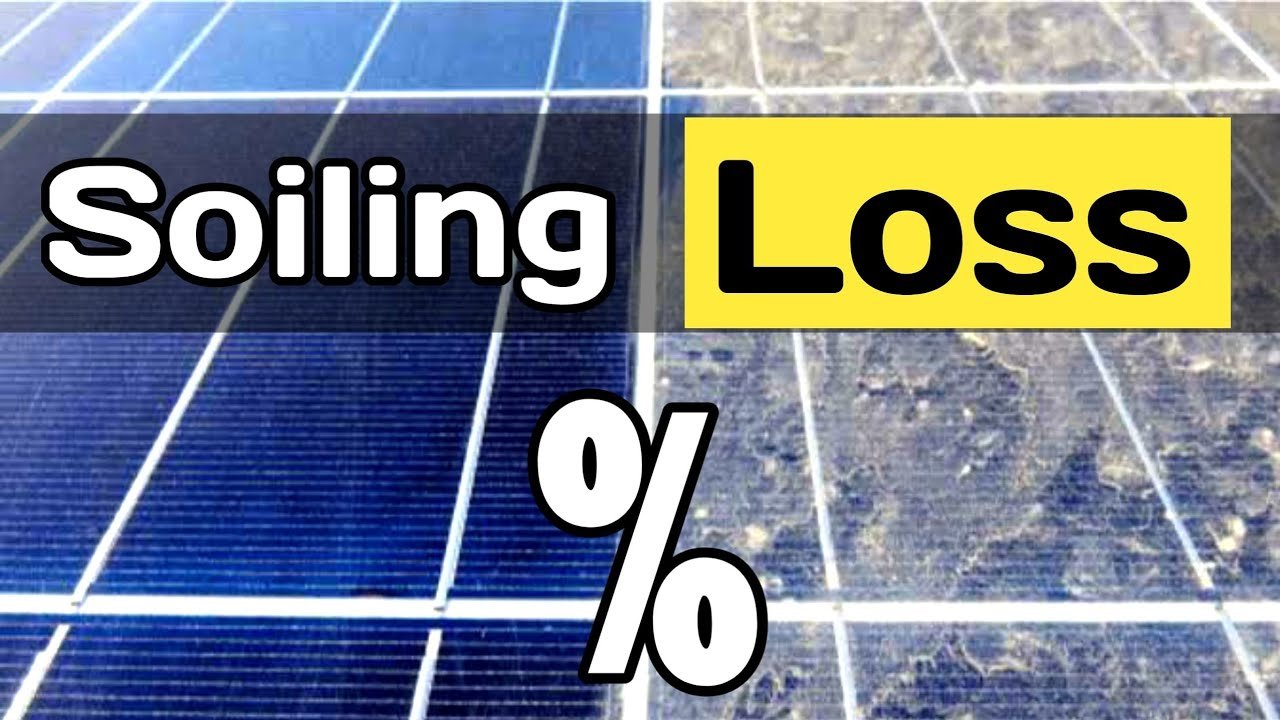
Solar panels work by letting photons from sunlight hit the silicon cells and knock electrons loose. More photons means more current. Dirt acts like a layer of sunglasses, it blocks and scatters incoming light before it ever reaches the cells.
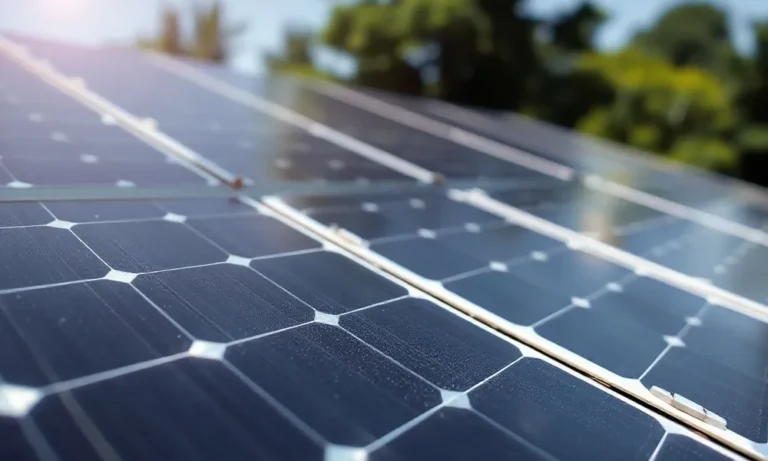
Even a thin film of dust can cut output by 5 to 10 percent. Thicker deposits of mud, bird droppings, or pollen can push that loss much higher.
Here's a simple way to think about it: if you park your car in the sun and cover a quarter of the hood with a towel, the interior stays cooler under that spot. Your solar panel works the same way. The shaded cells still try to pass current, but they can't, so the whole string of cells, sometimes the whole panel, gets dragged down.
We explain the full process in how solar panels generate electricity, but the key takeaway is that shading from dirt is just as bad as shading from a tree branch. And unlike a tree, you can do something about the dirt.
The Real Risks: Hotspots, Microcracks, and Permanent Damage
This is where "I'll clean it next month" turns into a real headache. When a bird dropping or a patch of pollen covers a small area of a panel, the covered cells stop producing power. But the rest of the cells in that string keep pushing current through the shaded cells.
Those shaded cells start acting like a resistor, heating up rapidly. This creates a hotspot that can exceed 150 degrees Fahrenheit, hot enough to melt the encapsulant layer or crack the silicon.
In the worst cases, you end up with a permanently damaged cell that bypass diodes can only partially protect. The panel's output drops permanently, and you're looking at a warranty claim or an early replacement. Here's what thermal imaging of a damaged panel looks like:
The bypass diodes in your panels are designed to isolate shaded strings and protect against hotspots, but they're not a cure-all. They can only handle so much current before they fail. And once those diodes blow, you lose the whole string of cells.
Understanding main components of a solar panel helps make sense of why this happens: the bypass diodes are a safety net, not a magic shield.
What Kind of Dirt Is on Your Panels (And Why It Matters)
Not all dirt is created equal. Some types are mostly harmless, others are actively corrosive. Here's a quick breakdown of what you're likely dealing with:
| Dirt Type | Typical Source | How Bad It Gets | Cleaning Difficulty |
|---|---|---|---|
| Light dust | Wind, dry weather | 3–8% loss, reversible | Easy — rain can handle it |
| Bird droppings | Perching birds | 10–40% loss under spot, can etch glass | Moderate — needs water and soft brush |
| Pollen | Trees, grass (seasonal) | 5–15% loss, sticks to glass | Moderate — may need soap |
| Leaves / seeds | Overhanging trees | 20–50% loss under shade, moisture trapped underneath | Easy to remove, but may leave residue |
| Salt spray | Coastal areas | 5–10% loss, can corrode frame | Requires deionized water and care |
| Mud / dirt | Splash from ground, construction | 10–30% loss, can be thick | Moderate to high — may need professional |
The ones to worry about most are bird droppings and salt spray. Bird droppings are acidic. Over weeks and months, they can actually etch the glass, leaving a permanent cloudy spot.
Salt spray doesn't just block light it accelerates corrosion on the aluminum frame and mounting hardware. Meanwhile, a thin layer of dust from a dry spell is annoying but not damaging. It'll wash off in the first good rain.
So the real question isn't "should I ever clean my panels?" It's "when does the dirt cross the line from harmless to harmful?" We'll get to that next.
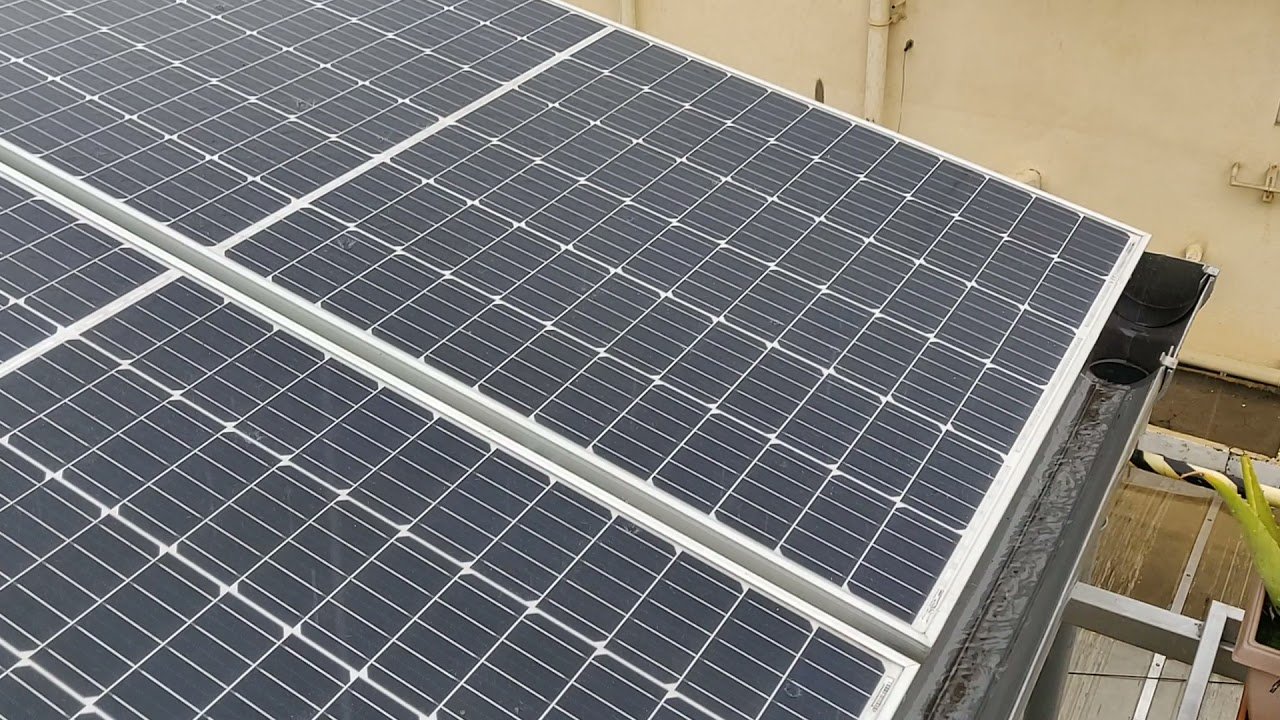
Image source: YouTube / Hinren Engineering (YouTube thumbnail (fair-use with source credit))
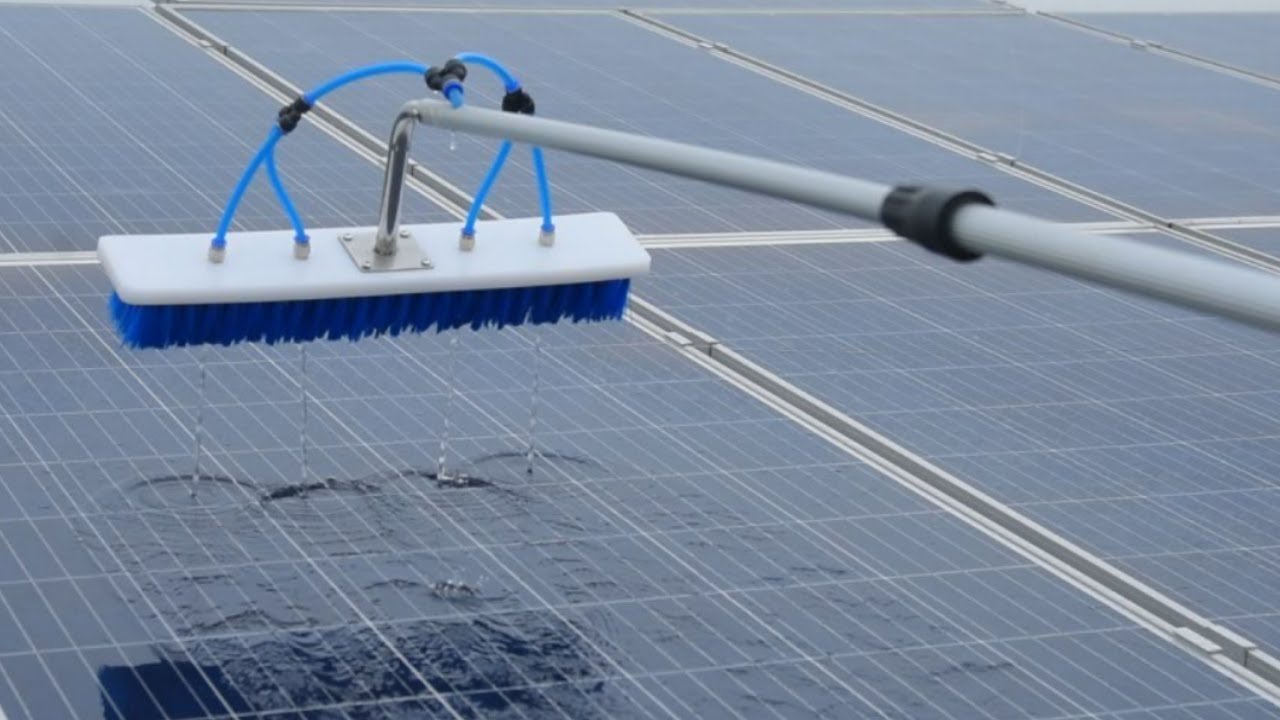
Image source: YouTube / Solar Cleaning Brush (YouTube thumbnail (fair-use with source credit))